


French Porcelain Lighting
French porcelain lighting brings decorative elegance to interiors through glazed ceramics paired with gilt bronze mounts.
French Porcelain Lighting
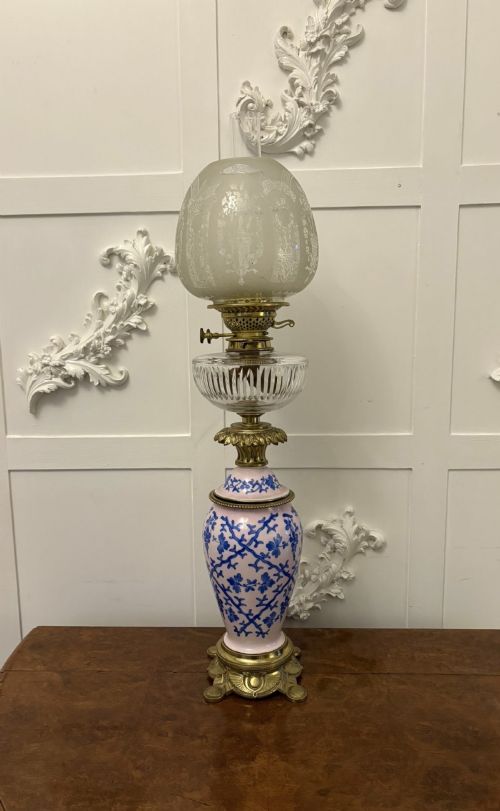
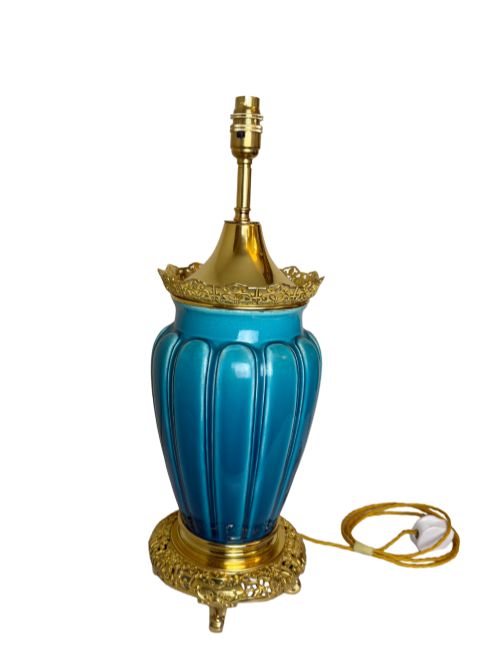
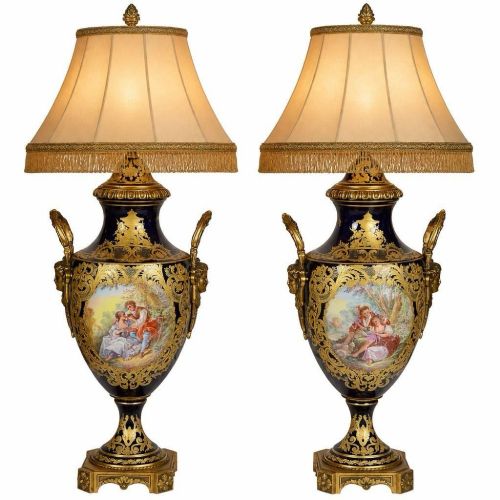
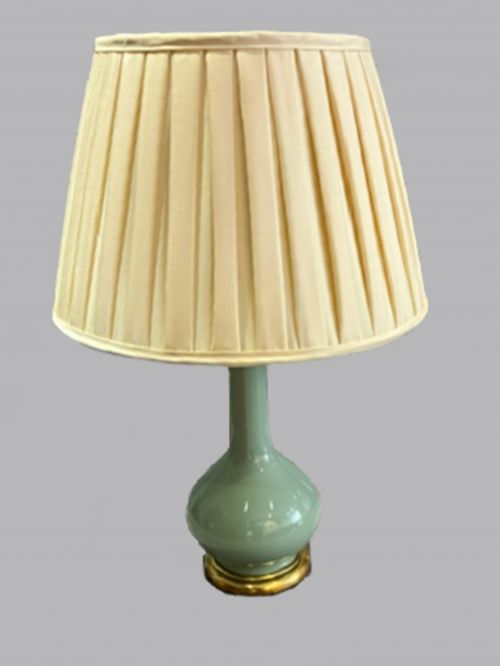
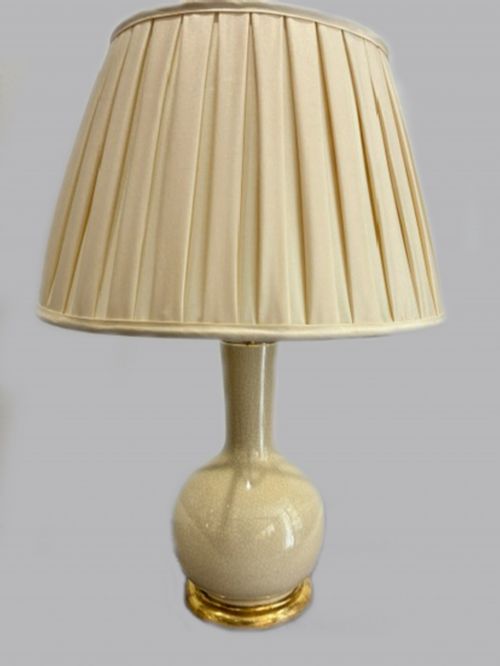
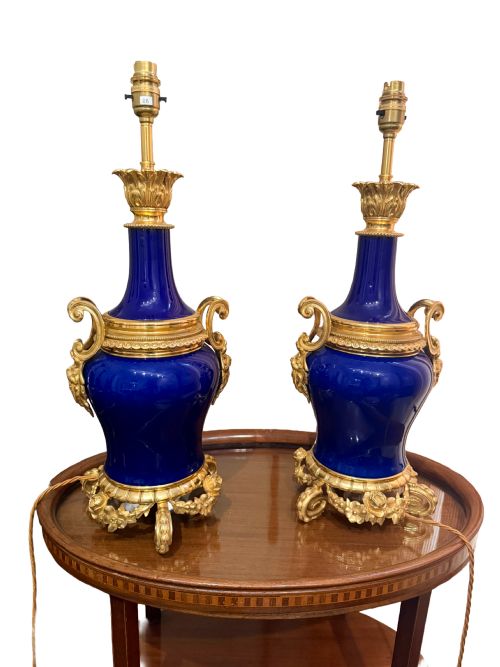
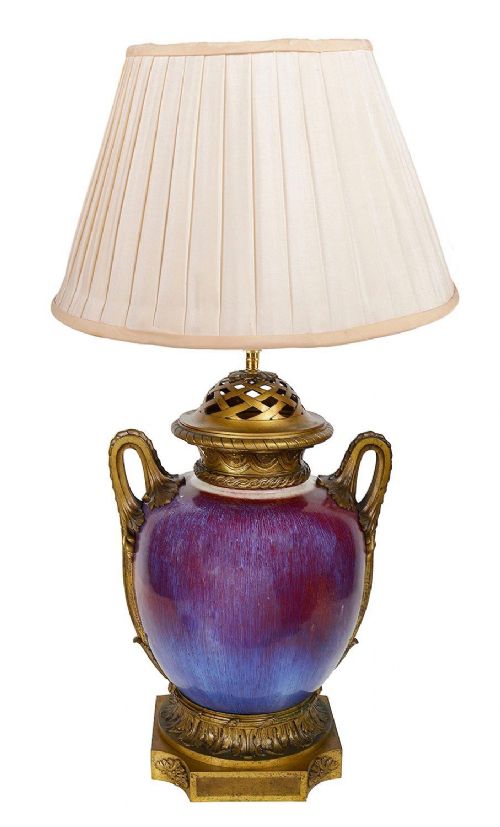
When searching for french porcelain lighting, buyers encounter a variety of forms designed to illuminate domestic spaces across different eras. Table lamps and oil lamps form a substantial part of the selection, often taking the shape of converted vases or urns.
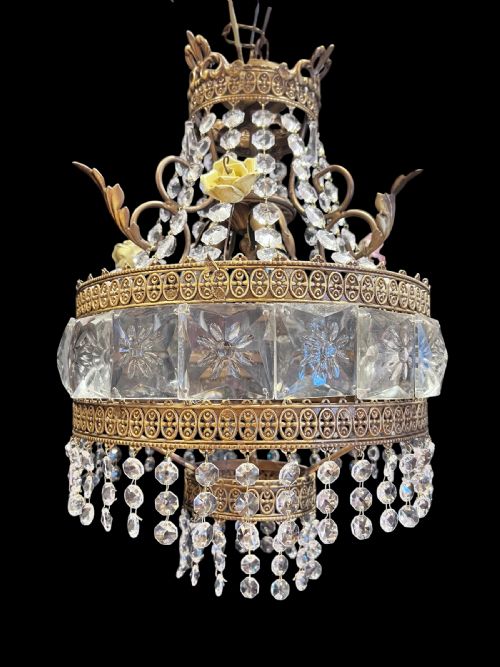
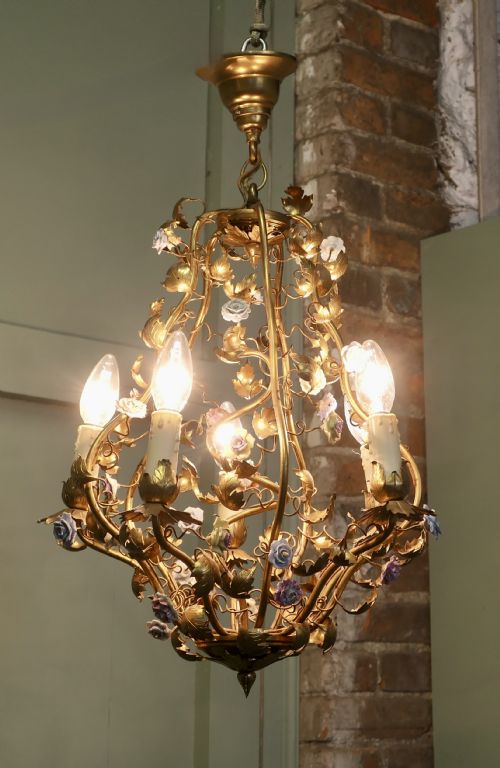
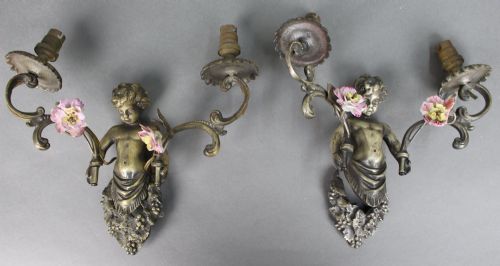
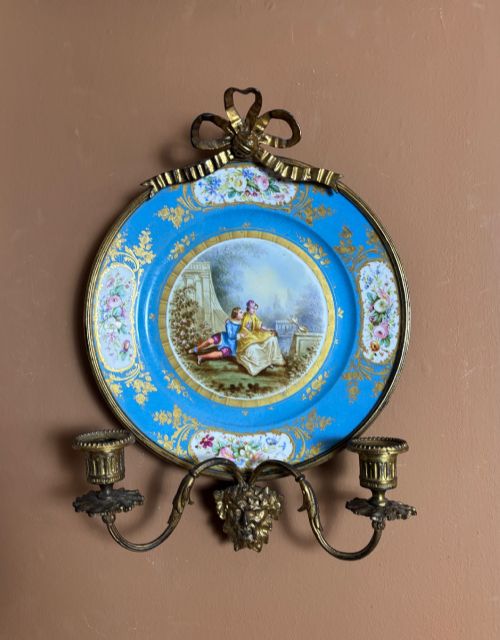
Chandeliers, wall sconces, and candelabra frequently incorporate porcelain elements alongside metal branches and floral motifs. These objects bridge the gap between functional lighting and decorative sculpture.
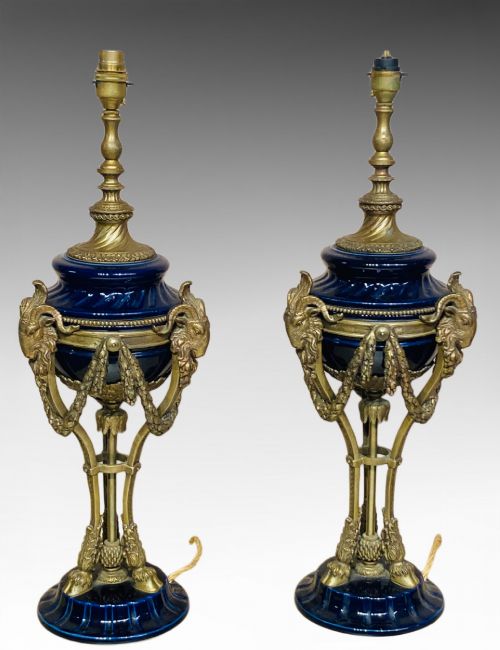
The aesthetic draws heavily on 19th-century revival styles, incorporating celadon glazes, crackle ware, and cobalt blue surfaces. Pieces range from compact vanity veilleuses to grand multi-branch fixtures.
How they were made
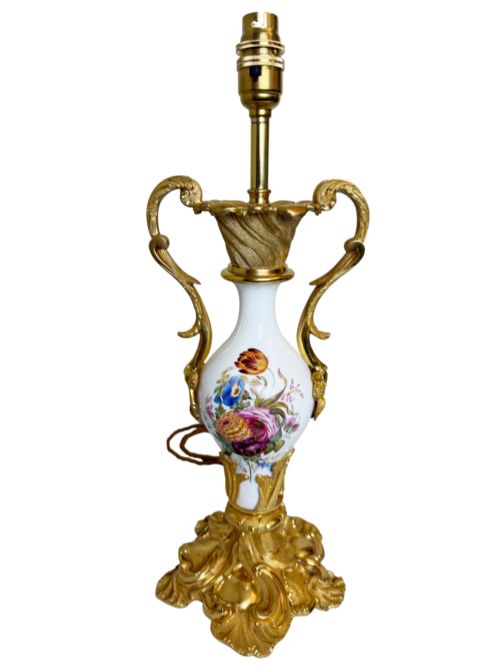
The construction combines fired ceramic bodies with cast metal components such as ormolu, gilt bronze, and brass. Metal mounts secure the porcelain bases and form the structural arms for lights.
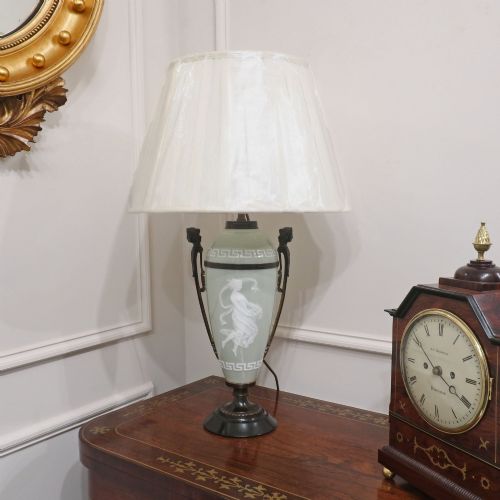
Surface decoration relies on hand-painted details, pate-sur-pate relief work, and applied porcelain flowers. Glazing techniques produce deep blue, celadon, and turquoise colourways across the ceramic surfaces.
Listings span from the 18th century through the 1930s, featuring materials such as porcelain, gilt bronze, and toleware.
What varies in quality
Quality differentiates through the fineness of the porcelain body and the precision of the hand-painted details. Superior examples display crisp modelling in the figures and floral applications.
The standard of the metal mounts contributes significantly to the overall merit of an item. Finely chased ormolu and gilt bronze outshine simpler brass or gilt metal fittings.
Argilor Paris·Gien France·Meissen·Samson Porcelain
The French Porcelain Lighting Glossary
- Ormolu
- Gilded bronze used for decorative mounts and fittings. This technique gives metal a rich gold appearance that complements ceramic bodies.
- Pate-sur-pate
- A method of porcelain decoration where wet white slip is built up in layers on a darker background. This creates a low-relief cameo effect.
- Veilleuse
- A small night light or food warmer popular in the early 20th century. These often feature pierced ceramic covers.
- Toleware
- Painted or lacquered sheet metal used for decorative items and lighting fixtures. It frequently appears alongside ceramic elements.
- Caryatid
- A sculpted female figure serving as an architectural support. These appear on the shafts of candlesticks and lamp bases.
French Porcelain Lighting: Frequently Asked Questions
How do I identify french porcelain lighting?
Look for characteristic ceramic bodies combined with gilt bronze or ormolu mounts. Details such as hand-painted floral motifs and French revival styles help confirm the origin.
Examine the base and hardware for signs of period manufacturing techniques and material ageing.
Were these lamps converted from vases?
Many period table lamps started life as decorative vases or oil lamps before receiving electrical wiring. This conversion practice is standard for antique ceramic lighting.
Retaining the original porcelain body while updating the internal fittings preserves the decorative appeal.
How do I care for gilt bronze mounts?
Dust the metal and porcelain gently with a soft, dry cloth to prevent the accumulation of grime. Avoid harsh chemical cleaners that can strip the gilding from ormolu.
Handle the pieces carefully around the delicate applied porcelain flowers and delicate wiring.
What styles are common in these fixtures?
Rococo revival, Neoclassical, and Chinoiserie aesthetics dominate the available pieces. These designs reflect historical European tastes for ornate decoration and exotic motifs.
Paris porcelain and Sevres style influences appear frequently across the different forms.