


19th Century Kpm Porcelain
19th century kpm porcelain brings hand-painted German artistry to your home, offering finely detailed plaques, cabinet cups and figures from Berlin.
19th Century Kpm Porcelain
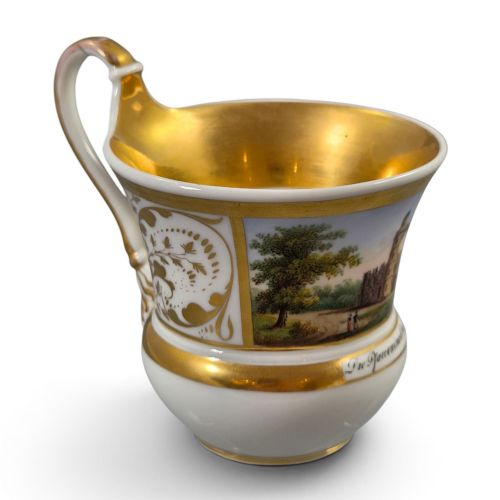
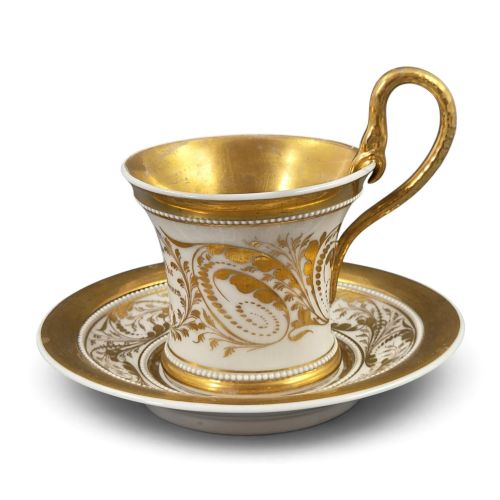
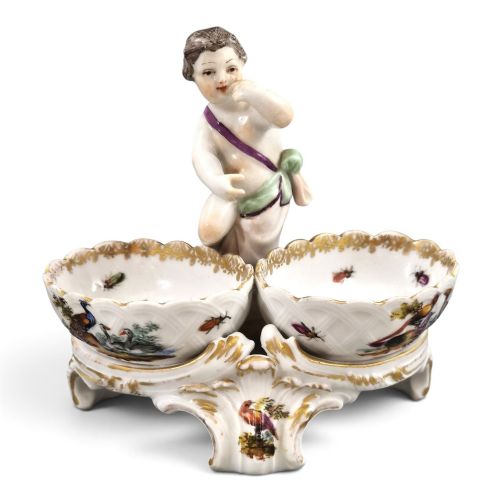
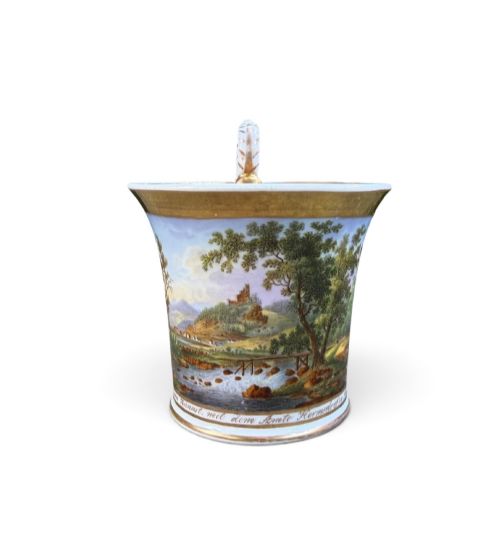
When you search for 19th century kpm porcelain, you encounter items produced by the Royal Porcelain Manufactory in Berlin alongside related German works from the same era. The most common forms on this page include hand-painted porcelain plaques, cabinet cups and saucers, figural salt cellars, and lidded vases.
The selection spans various historical revivals, featuring Rococo Revival, Neoclassical, and Biedermeier styles that reflect the shifting tastes of the nineteenth century. These objects served as decorative centrepieces or intimate personal items for collectors, often displaying meticulous topographical scenes or figure studies.
How These Pieces Were Made
Makers utilised hard-paste porcelain as the primary body, fired at high temperatures to create a durable, smooth canvas for detailed artistic work. Artisans then applied enamel paints by hand, capturing intricate portraits, landscapes, and mythological subjects.
Gold leaf and gilding were frequently added to accent rims, handles, and frames, sometimes paired with giltwood or ormolu mounts to complete the presentation of plaques and vases.
The styles visible on this page span Rococo Revival, Biedermeier, and Neoclassical designs from the nineteenth century.
What Varies in Quality
The precision and detail of the hand-painted brushwork separate standard production items from masterworks, particularly in portrait plaques and topographical cabinet cups. Finer pieces demonstrate exceptional control in shading, facial expressions, and the execution of complex scenes after master painters.
The quality of the porcelain body and the richness of the gilding also define the hierarchy of these objects. Intricate moulded elements, such as figural putti on salt cellars or elaborate handles on vases, show greater sculptural depth in higher-grade pieces.
KPM Berlin
The 19th Century Kpm Porcelain Glossary
- Hard-paste porcelain
- A dense ceramic material composed of kaolin and petuntse, fired at high heat to produce a vitrified, impermeable body. It forms the structural base for Berlin porcelain production.
- Cabinet cup
- A small, highly decorated cup intended for display in a cabinet rather than regular drinking use. These often feature detailed topographical views or portraits.
- Porcelain plaque
- A flat or slightly curved sheet of fired porcelain used as a painting surface. Nineteenth-century examples frequently replicate Renaissance masterpieces or classical portraits.
- Putto
- A motif depicting a plump, naked male child, often winged, used in decorative figural groups and salt cellars. Plural form is putti.
- Neuzierat
- A specific moulded pattern or border style utilised on Berlin porcelain tableware, characterised by delicate relief moulding.
19th Century Kpm Porcelain: Frequently Asked Questions
What is KPM porcelain?
KPM stands for Königliche Porzellan-Manufaktur, the Royal Porcelain Manufactory located in Berlin, Germany. The factory produced renowned high-quality porcelain wares and painted plaques throughout the nineteenth century.
Items bearing this mark are recognised for their fine hard-paste ceramic body and skilled artistic painting.
How do I display porcelain plaques?
Porcelain plaques are commonly displayed mounted in dedicated frames, such as ormolu or wood surrounds, or placed on sturdy stands. They function similarly to framed paintings on a wall or tabletop.
Ensure they are hung securely away from direct sunlight and heavy foot traffic to protect the enamel surface.
Are KPM cups meant for drinking?
Cabinet cups and presentation cups were primarily created for visual appreciation and collection rather than daily beverage consumption. Their delicate gilding and miniature painted scenes are easily worn by use.
Collectors keep these items in display cabinets to preserve their painted surfaces and gilt details.
How do I identify a nineteenth-century piece?
Nineteenth-century Berlin porcelain is identified through factory marks, the specific painting style, and the manufacturing period characteristics. Stylistic cues include Neoclassical and Rococo Revival forms typical of the era.
Examining the weight and density of the hard-paste porcelain alongside the hand-painted details helps confirm the age.