
19th Century Jar
When evaluating a 19th century jar, collectors encounter apothecary vessels, ginger pots, and confit containers shaped by utilitarian necessity and decorative ambition.
19th Century Jar
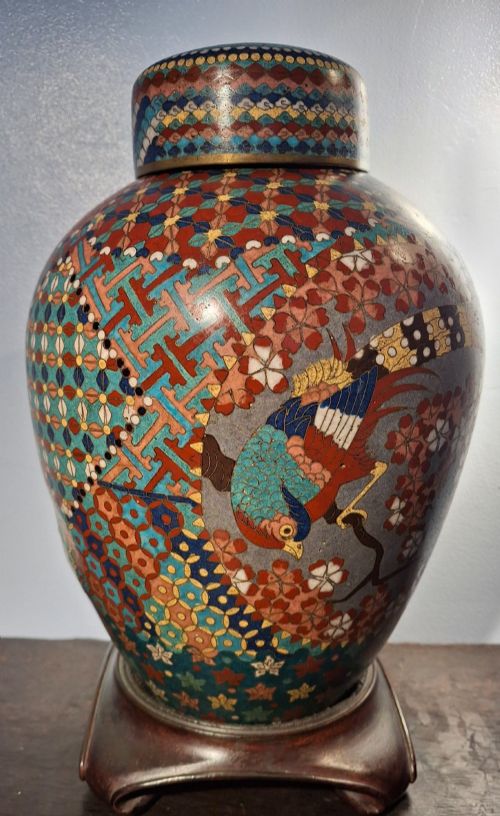
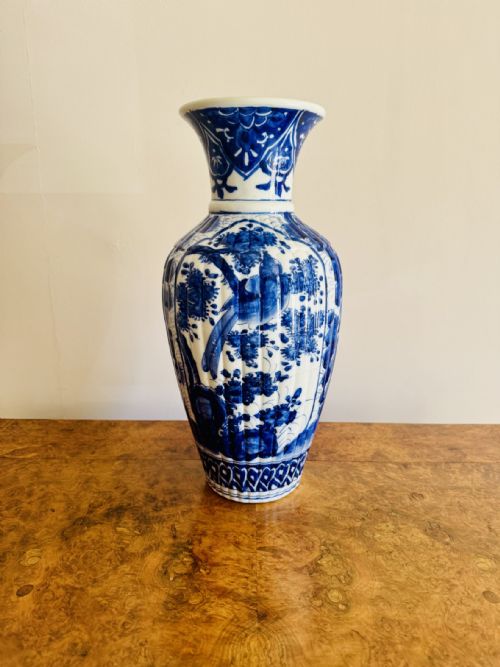
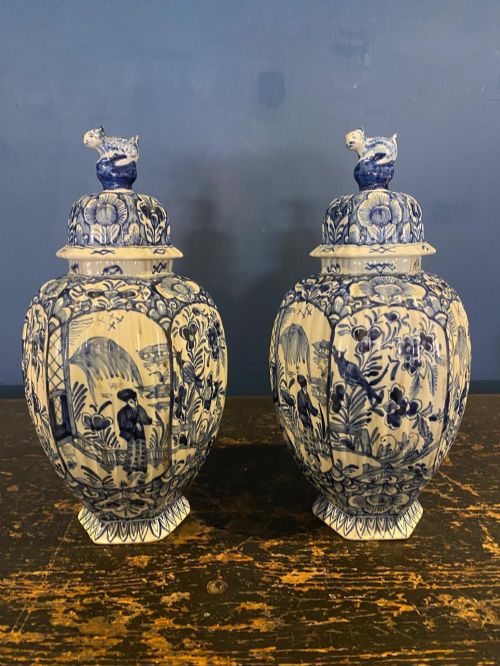
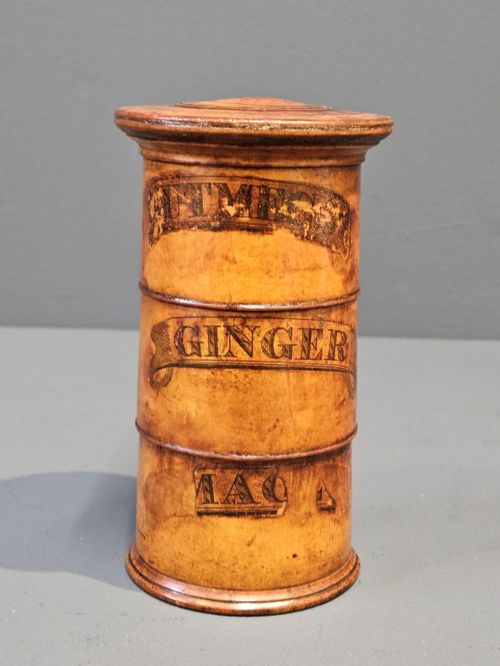
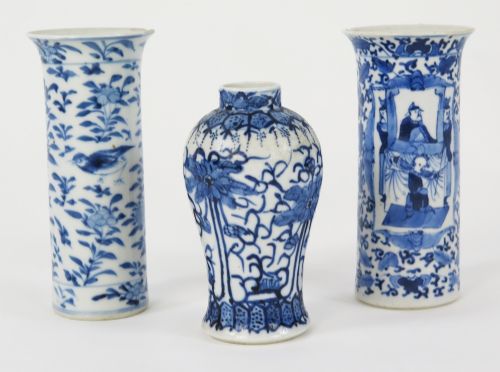
The term 19th century jar encompasses a diverse array of utilitarian and ornamental vessels originating from European, British, and Asian workshops. Buyers searching this category frequently encounter functional items such as glass apothecary jars, ceramic ginger pots, and terracotta olive storage containers alongside decorative porcelain pieces.
Domestic and commercial spaces of the period relied heavily on these vessels for storage, preservation, and display. Apothecary jars held medicines and dried herbs in shops, while porcelain lidded jars and ginger jars served in domestic interiors for dry goods or decorative accent.
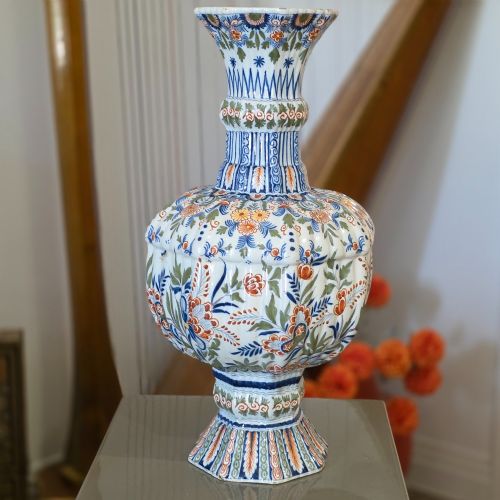
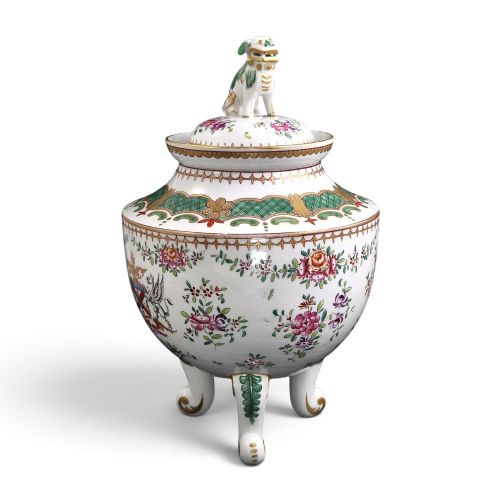
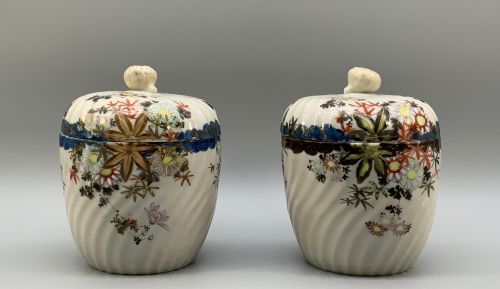
The selection ranges from utilitarian earthenware confit pots bearing simple glazes to highly detailed porcelain pieces painted with floral motifs or armorial designs. Originating across England, France, Italy, and China, each specimen reflects the specific regional domestic or commercial practices of its era.
How They Were Made
Makers utilised ceramic, glass, and metal to construct these vessels, often employing traditional wheel-throwing or mould-pressing techniques. Earthenware and terracotta bodies received liquid glazes before firing in kilns to achieve impermeable surfaces suitable for holding liquids and perishables.
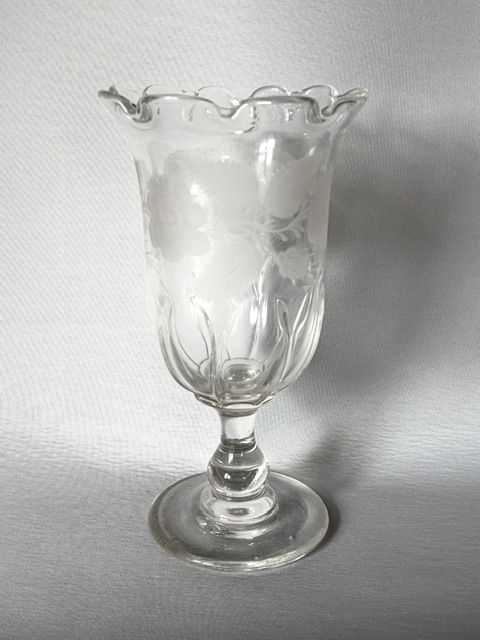
Glass vessels involved hand-blowing techniques into moulds or free-blowing by skilled artisans, frequently followed by wheel-cut etching or applied gilt labels. Porcelain examples incorporated meticulous hand-painted enamel decoration, underglaze blue pigments, or transfer printing before undergoing high-temperature firing.
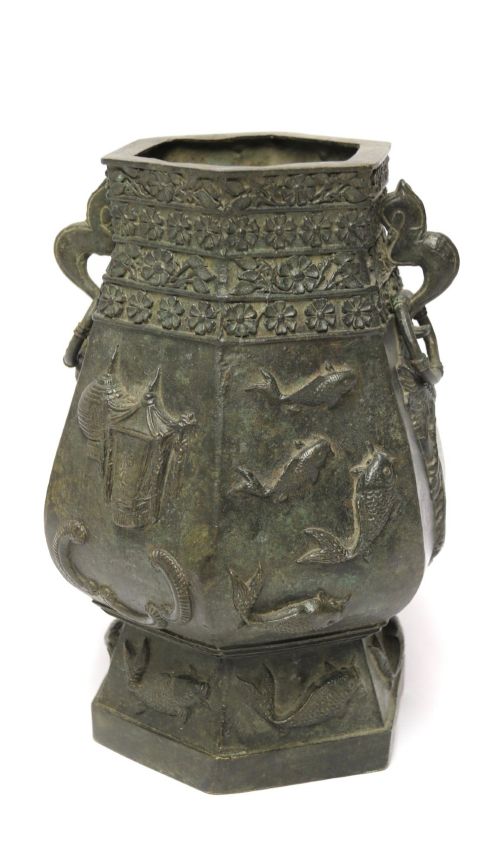
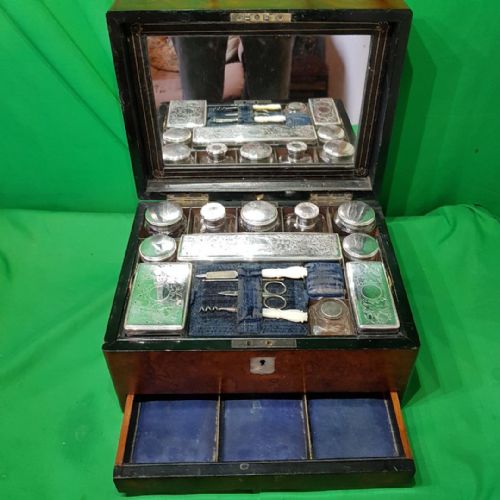
Metal components, including brass, bronze, and silver gilt mounts, were cast, hammered, and chased to secure lids and provide structural reinforcement. Cabinetmakers and metalworkers combined these materials with wood or stone where jars functioned as part of larger travelling sets or desktop accessories.
Medical leeches travelled in style within specialised Victorian glass jars designed with perforated brass lids.
What Varies In Quality
Execution and precision of hand-painted details separate mass-produced utilitarian containers from workshop-mastered display pieces. Refined brushwork, crisp enamel application, and well-registered transfer printing indicate superior artisan involvement.
Material composition and structural preservation dictate the standing of an individual piece within its category. Intact original covers, uncompromised glaze surfaces, and clarity in etched glass retain the integrity intended by the original maker.
Complexity of form and integration of auxiliary mounts contribute to overall standard. Bronze, ormolu, or silver gilt fittings cast with sharp relief demonstrate higher atelier output compared to plain or mechanically stamped alternatives.
Samson Paris·Sitzendorf·Mappin and Webb·Elkington·Fukagawa
The 19th Century Jar Glossary
- Carboy
- A large glass bottle or jar typically enclosed in a protective basket or standing independently, used in apothecary and laboratory settings for holding liquids. These vessels display thick-walled hand-blown glass characteristics.
- Confit Pot
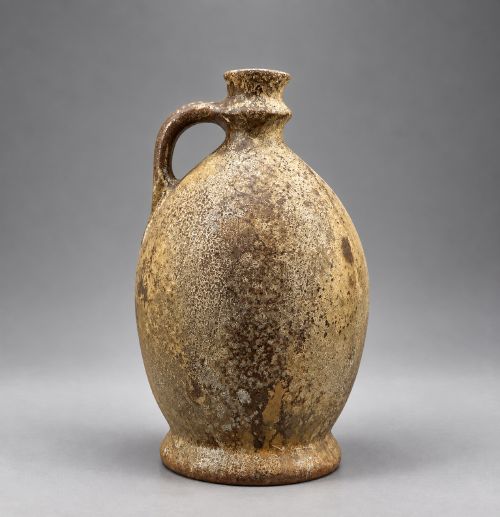
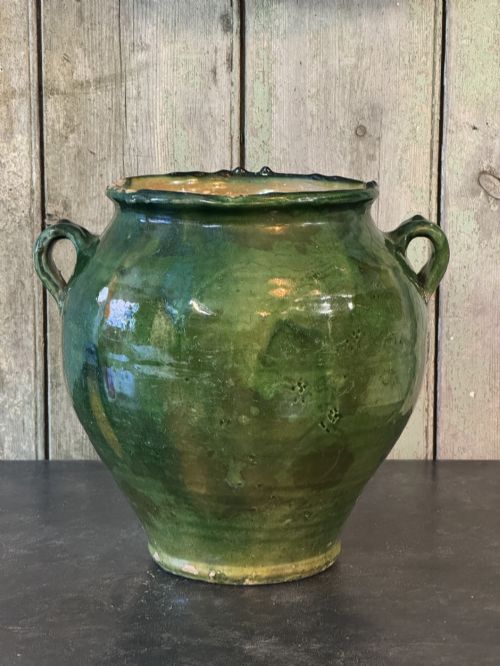
- A French earthenware vessel featuring a fully or partially glazed interior and upper body, historically utilised for preserving meats. The lower unglazed portion reveals the raw terracotta body.
- Ginger Jar
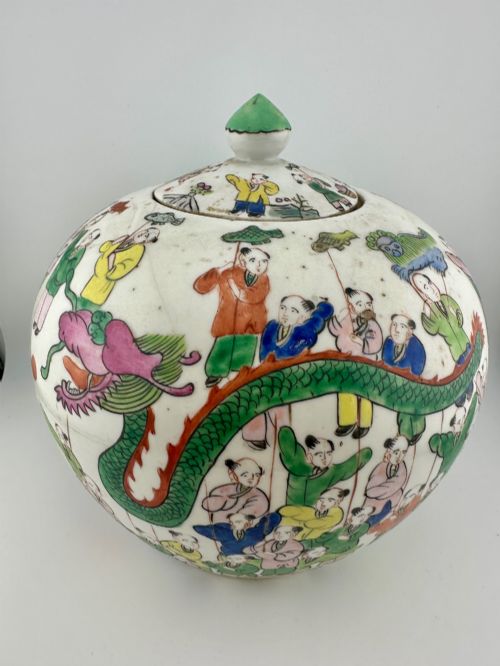
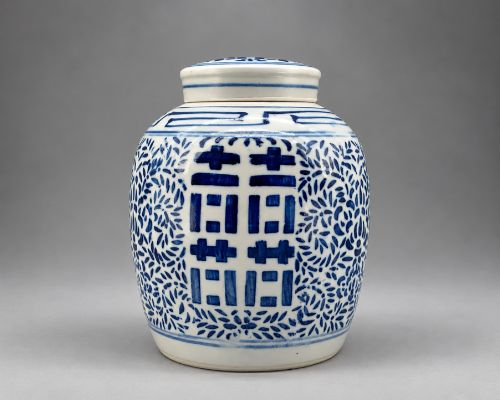
- A wide-mouthed ceramic storage container originating in China, traditionally designed for spices and subsequently adopted by European porcelain manufacturers. They typically feature domed matching covers.
- Apothecary Jar
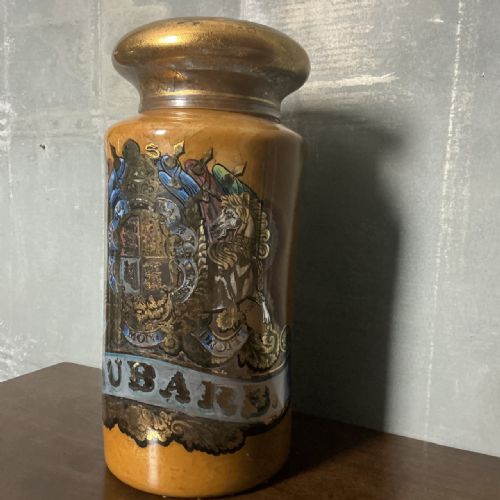
- A vessel produced in glass, ceramic, or earthenware to house medicinal herbs, powders, and liquids in dispensaries. Many examples retain original etched or painted paper identification labels.
- Terracotta
- A porous brownish-red fired clay body used extensively for large garden, wine, and olive storage vessels. Its unglazed or slip-washed exterior develops a distinctive aged patina over decades of exposure.
19th Century Jar: Frequently Asked Questions
What were apothecary jars used for?
Apothecary jars served primarily in medical dispensaries and pharmacies to store dried herbs, chemical powders, and liquid remedies. Their tight-fitting lids protected contents from moisture and air degradation.
Over time, many of these utilitarian containers transitioned into decorative objects for domestic interiors. Their distinctive etched labels and coloured glass bodies made them popular display items.
How do I identify a confit pot?
Confit pots are earthenware vessels featuring a characteristic glazed upper section and interior, leaving the lower terracotta body raw. This technique prevented seepage while remaining economical for utilitarian production.
Originating in French rural provinces, they were traditionally used for slow-cooking and preserving duck or pork confit in fat. Today, collectors value their earthy patinas and robust forms.
Are ginger jars always Chinese?
Ginger jars originated in China during ancient dynasties primarily for the transport and storage of spices. Their robust bulbous bodies and domed lids proved ideal for keeping contents secure.
During the 19th century, European factories widely imitated these oriental forms. British and continental potteries produced numerous Chinoiserie and Imari decorated versions to satisfy Western demand.
How should I clean ceramic jars?
Ceramic and porcelain jars require gentle cleaning with warm water and mild soap using a soft cloth. Abrasive sponges must be avoided to protect delicate hand-painted enamel and gilt decorations.
Unglazed earthenware and terracotta specimens should be dusted dry rather than washed. Moisture can penetrate porous clay bodies and cause existing mineral residues or salts to destabilise.