


19th Century Italian Cabinet
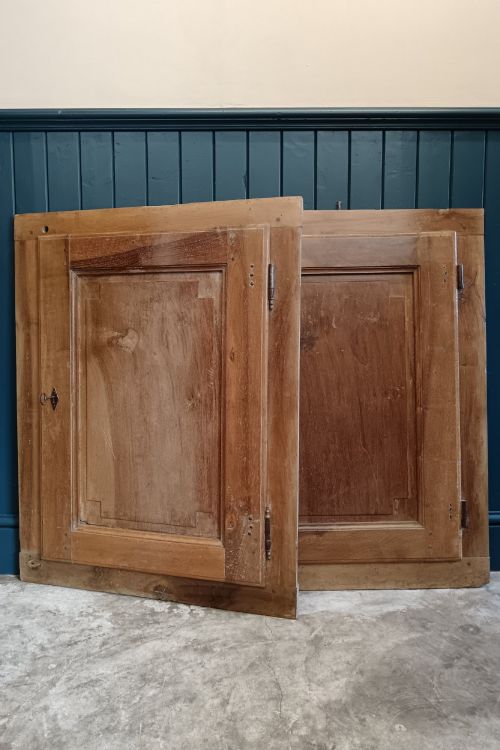
A 19th century italian cabinet brings rich walnut and grand architectural presence into a room, offering both display and storage.
19th Century Italian Cabinet
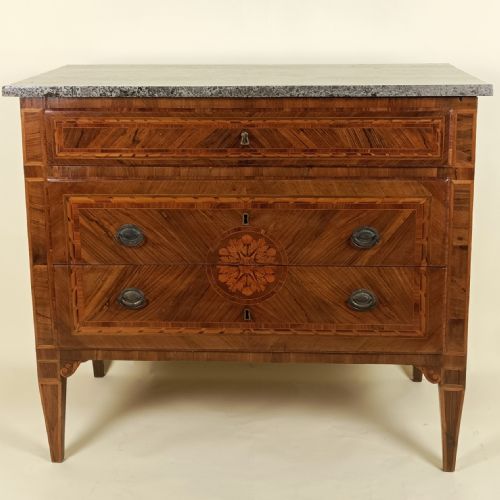
When searching for a 19th century italian cabinet, buyers encounter a diverse range of storage furniture spanning bedside cupboards, tall bookcases, and grand sideboards. Walnut emerges as the dominant timber across these forms, frequently paired with marble tops, intricate marquetry, or painted finishes.
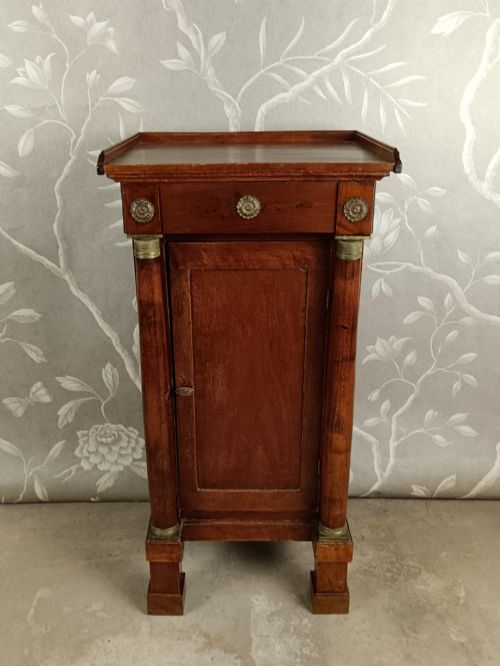
The regional diversity across Italy during this period shapes the surviving pieces, moving from austere provincial cupboards to elaborate Renaissance revival designs. Buyers frequently find smaller bedside tables alongside monumental display cabinets and secretaires.
Many examples reflect specific stylistic revivals, incorporating neoclassical symmetry or ornate baroque carving into practical domestic storage. The scale ranges from intimate bureau bookcases to substantial floor-standing corner cabinets.
Materials and Construction
Cabinetmakers relied heavily on solid walnut and fruitwood carcasses, often enriched with burr walnut veneers, palmwood, or delicate marquetry inlay. Iron and brass hardware provided structural reinforcement and decorative contrast against the dark wood surfaces.
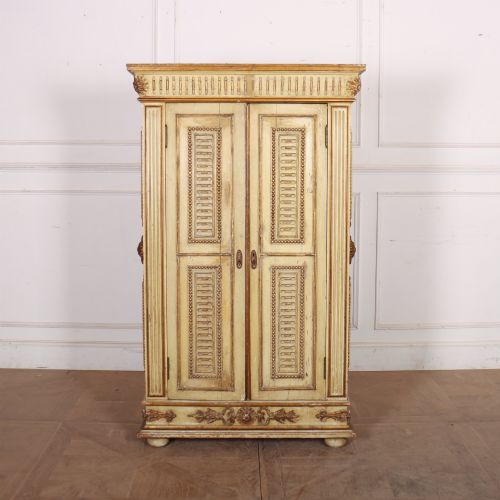
Painted finishes and oil paint were frequently applied to pine and softwood pieces, creating decorative marriage cupboards and neoclassical motifs. Marble tops added functional durability to bedside tables and commodes, while pietra dura plaques introduced inlaid stone panels.
Stylistic influences span the Renaissance revival, Italian Neoclassical, and Grand Tour aesthetics.
Distinguishing Quality
The hierarchy of quality rests primarily on the depth of hand-carved detail and the selection of cabinet woods. Finely figured burr walnut and precise marquetry distinguish exceptional workshop pieces from simpler provincial pine carcasses.
Hardware integrity, the crispness of applied mouldings, and the preservation of original painted surfaces elevate certain examples. Superior cabinetwork shows careful attention to internal construction and timber matching across doors and drawer fronts.
Cantagalli·Adriano Brambilla
The 19th Century Italian Cabinet Glossary
- Marquetry
- The art of forming decorative patterns using wood veneers and other materials glued onto a structural carcass. It creates intricate geometric or pictorial designs on drawer fronts and cabinet doors.
- Pietra dura
- An inlay technique using cut and fitted polished coloured stones to create pictorial images. It appears on high-status cabinet panels.
- Secretaire
- A desk or cabinet featuring a pull-down writing flap that conceals small drawers and pigeonholes. These items combine a writing surface with enclosed storage.
- Commode
- A low chest of drawers, often standing on short legs or feet. Italian examples frequently feature serpentine fronts and marble tops.
- Provincial
- Furniture made in regional workshops outside major urban centres, often utilising local timbers like fruitwood or pine. These pieces display simpler construction methods and vernacular charm.
19th Century Italian Cabinet: Frequently Asked Questions
What is a 19th century italian cabinet used for?
These pieces served varied domestic functions, from storing linens and tableware in sideboards to housing books in glazed bookcases.
Smaller bedside cabinets and commodes provided convenient night storage and surface space in bedrooms.
How do I identify a neoclassical style?
Neoclassical pieces rely on clean architectural lines, symmetrical arrangements, and classical motifs derived from ancient Rome.
They stand in direct contrast to the heavier, highly ornamented Renaissance revival furniture of the same era.
Where were these cabinets made?
Production occurred across various Italian regions, including Lombardy, Venice, and Florence, each retaining distinct local traditions.
Provincial workshops produced simpler pine and fruitwood items, while urban centres favoured elaborate walnut carving and marquetry.
How should I care for a walnut surface?
Maintain the timber by applying traditional beeswax periodically to nourish the dry wood and preserve the satin sheen.
Keep the cabinet away from direct heat sources and strong sunlight to prevent veneer lifting and fading.