
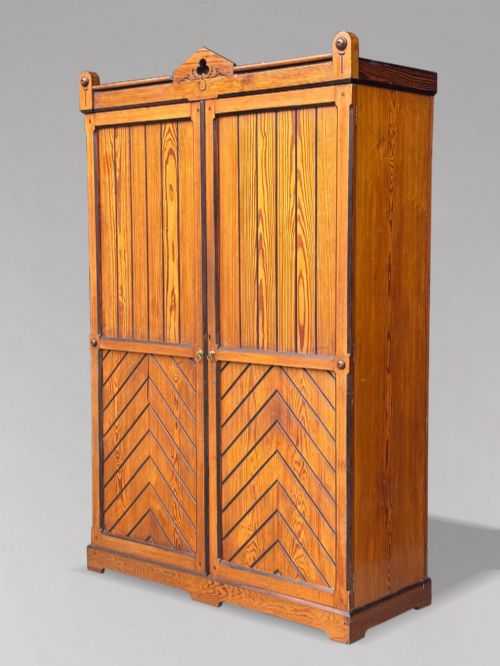
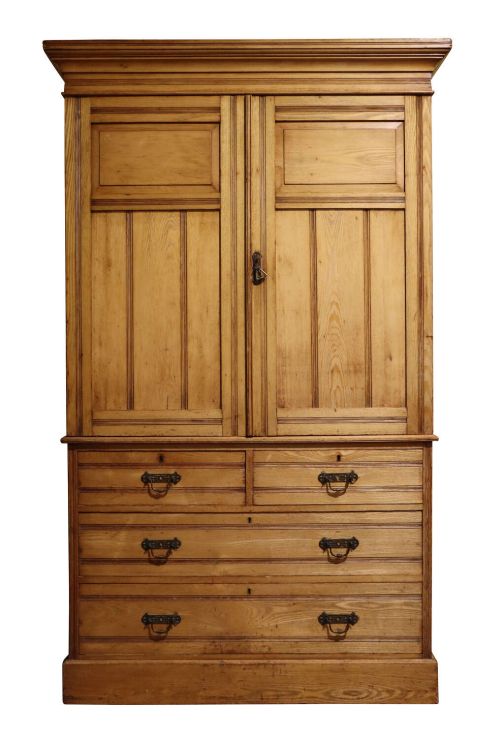
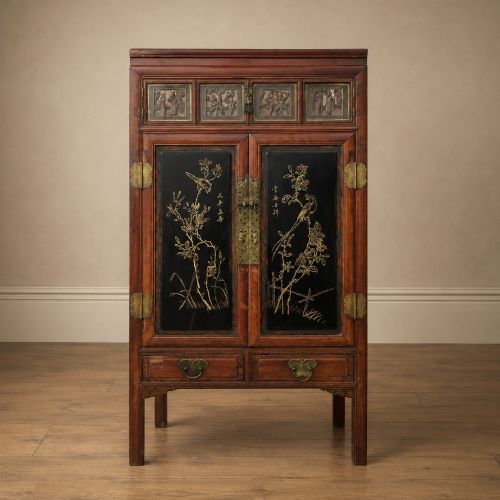
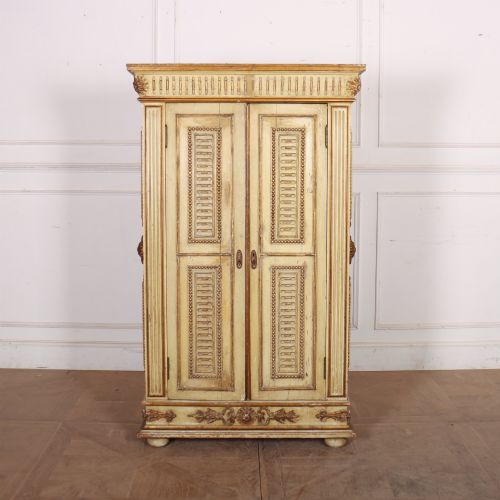
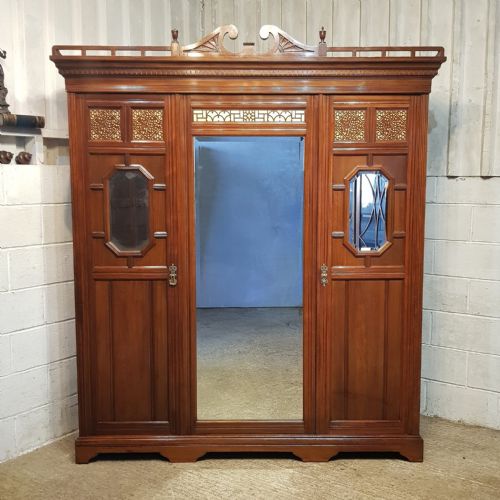
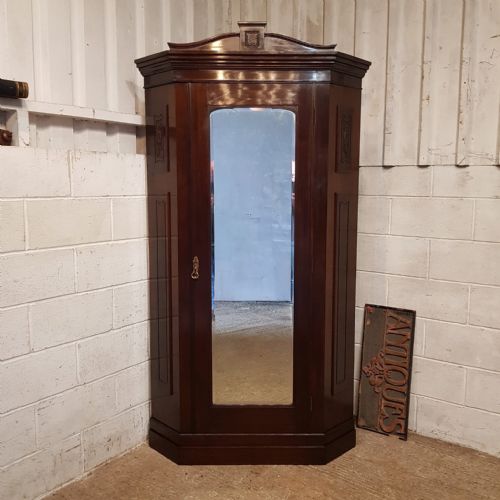


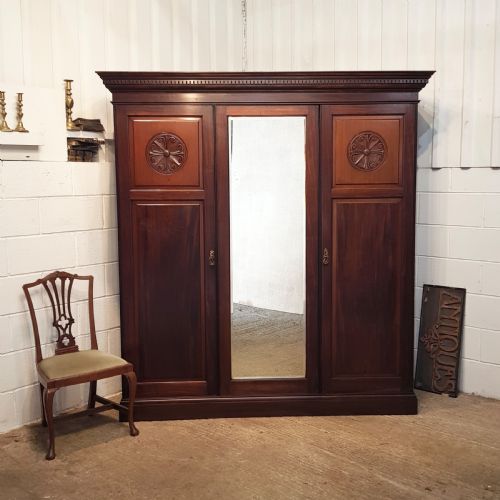
Late 19th Century Armoire
A late 19th century armoire delivers grand proportions and sturdy timber construction, offering a practical storage centre for modern bedrooms.
Late 19th Century Armoire
A late 19th century armoire encompasses large freestanding storage pieces such as wardrobes, linen presses, and cupboards dating primarily from the Victorian and late nineteenth-century periods. These items reflect diverse regional tastes, ranging from British mahogany designs to Chinese lacquered cabinets and continental European examples.
The selection on this page shows strong representation from Victorian wardrobes alongside distinctive international pieces like Qing Dynasty red and black lacquer cabinets from Fujian. Buyers frequently encounter timber constructions in mahogany, ash, pine, and satin birch, often featuring panelled doors or mirrored glass.
Forms vary from single door units and corner wardrobes to expansive triple wardrobes and compendium cabinets. Each piece serves the primary function of garment storage or linen organisation while anchoring a room with period character.
How They Were Made
Cabinet makers utilised dense hardwoods and resilient softwoods, applying flame mahogany veneers, gold leaf, and intricate lacquer finishes to enhance the exterior surfaces. Structural stability relied on traditional joinery techniques suited to large case pieces.
Fitted interiors often incorporated brass hardware, hanging rails, and sliding shelves. Decorative elements such as ormolu mounts, inlaid details, and carved mirror glass frames completed the construction process.
Some Victorian wardrobes cleverly hide entire compartments behind mirrored doors designed to check your morning cravat.
What Varies in Quality
Quality rests upon the selection of timber figures, such as flame mahogany or figured walnut, and the precision of inlaid work and lacquer application. Superior examples display harmonious proportions and careful matching of wood grains across large surfaces.
The integrity of original brass hardware, sound mirror glass, and smooth operation of doors and drawers distinguish finer cabinets from simpler utilitarian cupboards. Structural soundness in heavy timber carcases determines longevity.
Maple & Co.·Shapland & Petter
The Late 19th Century Armoire Glossary
- Armoire
- A large wardrobe or cupboard, typically double-doored, used for hanging garments and storing apparel. In historical contexts, the term often overlaps with large freestanding presses.
- Linen Press
- A tall piece of furniture featuring upper sliding trays or shelves enclosed by doors, traditionally used for flat linens, positioned above drawer storage.
- Ormolu
- Gilded bronze mounts and decorative ornaments applied to furniture, frequently found on continental European cabinets of the period.
- Compendium Wardrobe
- A multi-compartment fitted wardrobe combining hanging space, drawers, and shelving within a single unified case structure.
- Flame Mahogany Veneer
- A thin layer of wood cut from mahogany logs where the grain creates a distinctive flickering flame pattern, prized for decorative surfaces.
Late 19th Century Armoire: Frequently Asked Questions
How do I fit an armoire?
Measure your ceiling height and floor space carefully before purchasing, as these large wooden carcases offer generous internal capacity.
Ensure clearance for opening doors and check whether the piece disassembles for transport into upper rooms.
Where should I place it?
Position your cabinet against a flat interior wall away from direct heat sources to protect timber veneers and solid wood panels.
Adequate clearance allows doors to open fully for easy access to hanging rails and internal drawers.
How do I maintain the wood?
Dust regularly with a soft cloth and occasionally apply appropriate wax polish to nourish traditional timber finishes and lacquer.
Avoid excessive moisture and sudden temperature changes to preserve the stability of joints and decorative inlays.