

19th Century Iron Bed
A 19th century iron bed brings robust industrial charm and gleaming brass accents into a bedroom, offering a sturdy and timeless sleeping frame.
19th Century Iron Bed
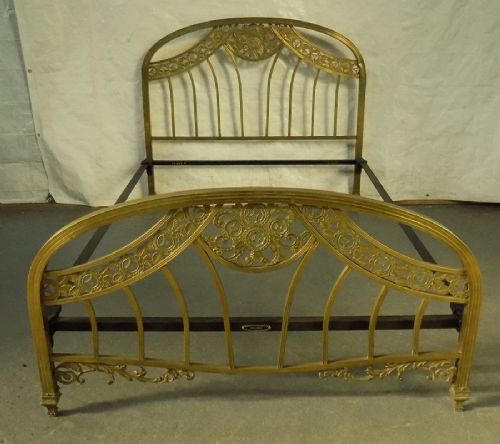
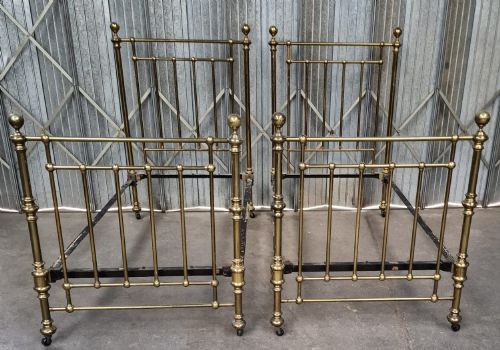
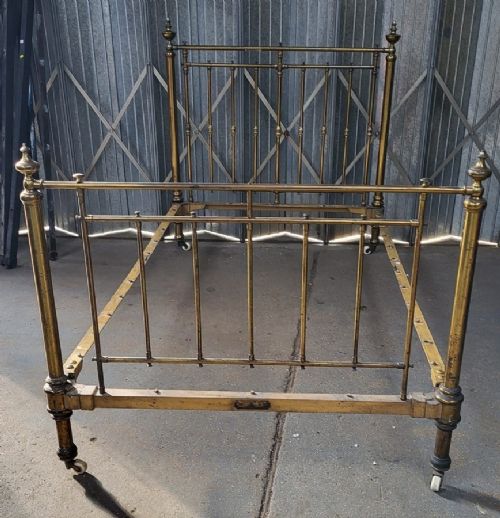
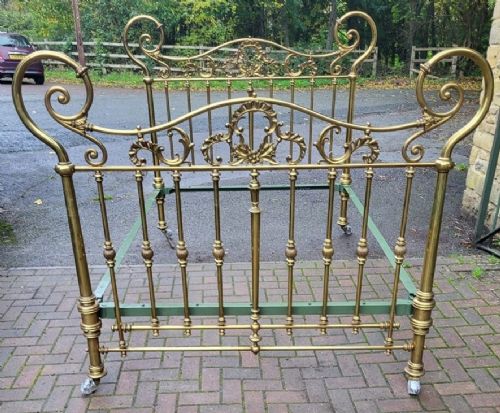
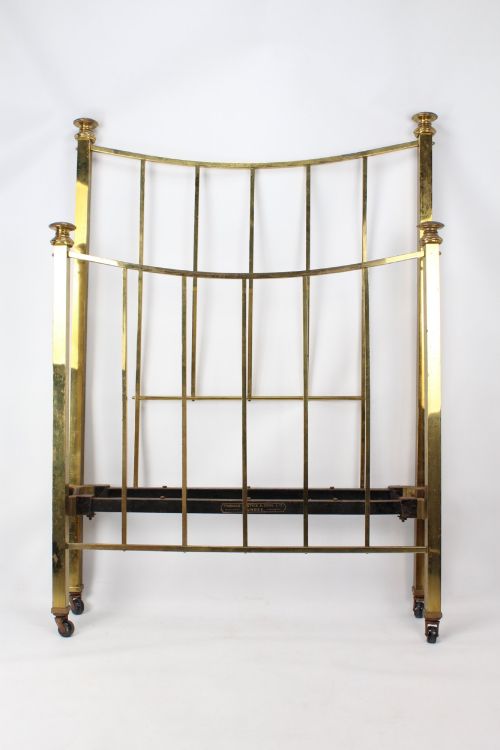
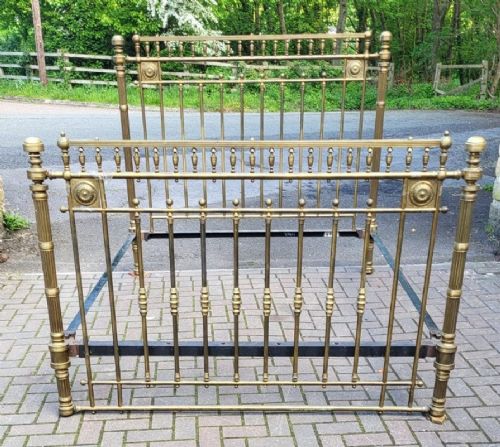
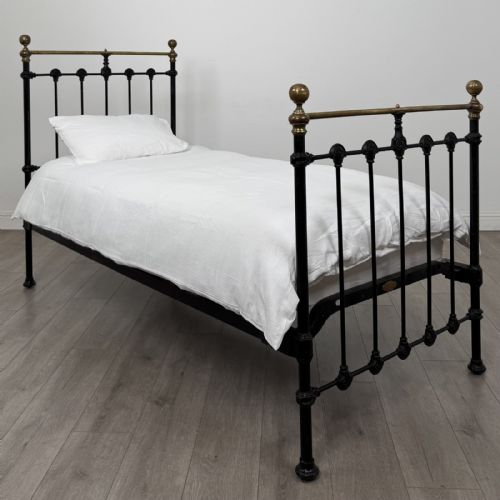
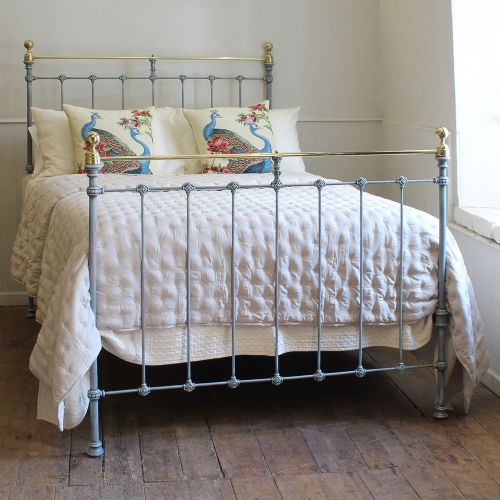
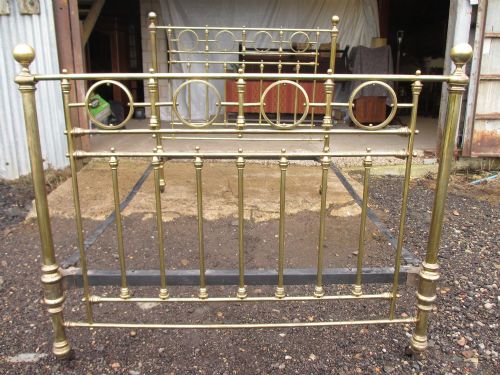
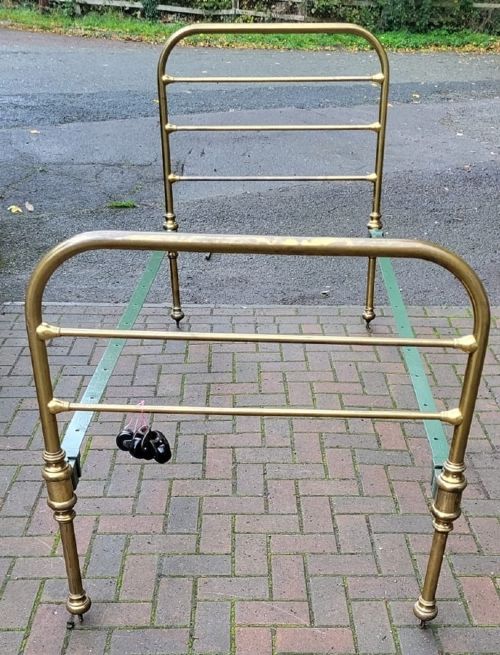
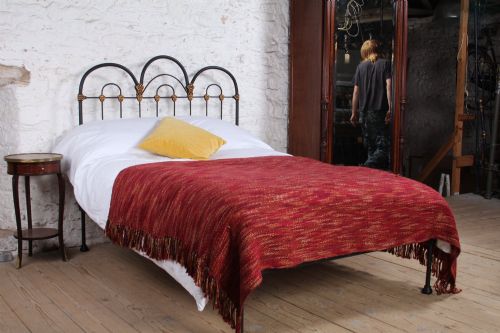
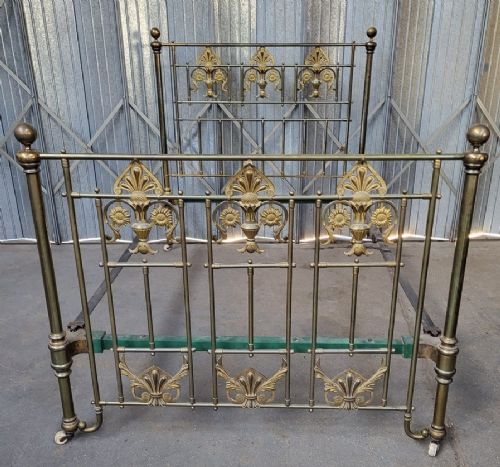
A 19th century iron bed combines structural metal frames with decorative brass finials, rails, and castors. Buyers exploring these options frequently encounter standard double, single, and king-size formats originating from British Victorian workshops as well as French and Italian makers.
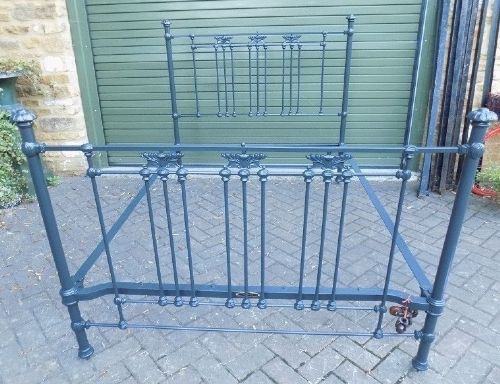
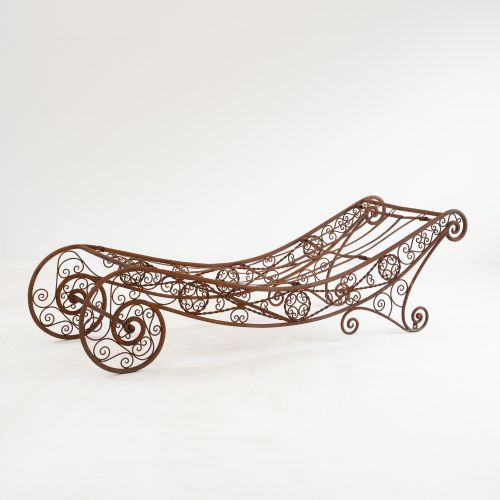
The surviving selection includes substantial half-tester frames, simple straight-rail bedsteads, and versatile daybeds designed for garden or indoor use. Many examples pair heavy cast iron footboards and headboards with slot-in side frames for practical assembly.
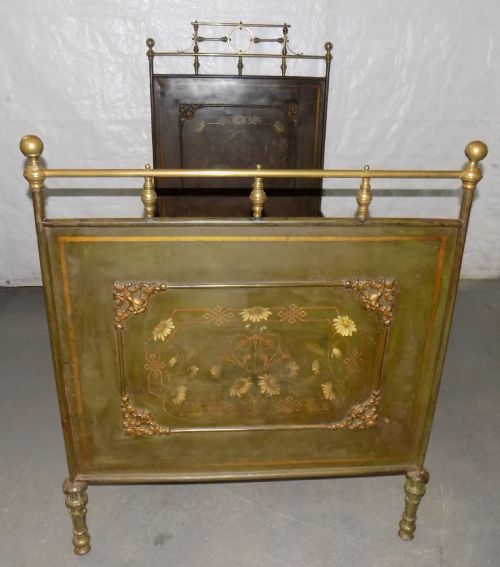
Originating predominantly from the Victorian era and the later decades of the nineteenth century, these beds span utilitarian sleeping quarters to ornate aesthetic movement designs. Painted metal and toleware finishes sit alongside polished brass and black iron configurations.
Materials and construction methods
Construction relies on durable cast iron and wrought iron for the primary structural framework, providing immense weight and stability. Manufacturers integrated sheet metal and painted finishes to achieve decorative black, cream, or toleware appearances.
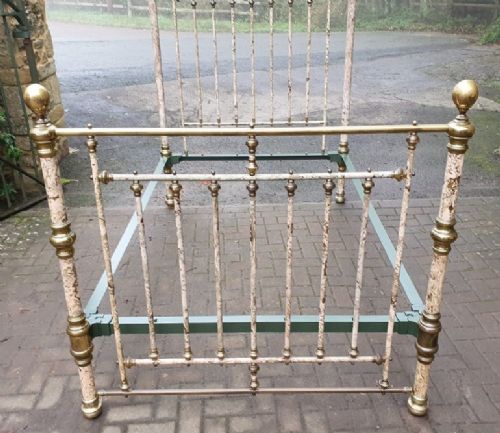
Bright brass components, including tubing, knobs, and mounts, contrast with the dark iron frames. Makers incorporated ceramic elements and castors to facilitate movement and protect flooring beneath heavy double and king-size proportions.
19th Century Iron Bed Retail Price Guide 2026
Typical asking prices for 19th century iron bed among the pieces listed under this phrase on Sellingantiques today, from the lower quarter to the upper quarter. They describe what is for sale here now, not the wider market.
Listings feature Victorian and late nineteenth-century periods, utilising cast iron, wrought iron, brass, and painted toleware across double and king-size formats.
Distinctions in construction and detail
Quality separates through the crispness of brass castings, the complexity of joint fixings, and the original integrity of the painted or lacquered surfaces. Superior examples display substantial gauge iron work and robust, original side rails that secure the frame firmly.
Refined pieces demonstrate careful detailing on brass mounts and well-balanced proportions between the heavy iron structure and decorative metalwork. Lesser examples may exhibit simpler tubular construction with replacement components rather than period-authentic fittings.
RW Winfield
The 19th Century Iron Bed Glossary
- Bedstead
- A framework of a bed upon which mattresses and bedding are placed. In nineteenth-century metal furniture, this refers specifically to the complete headboard, footboard, and side rail assembly.
- Cast Iron
- Iron shaped by pouring molten metal into a mould. This heavy material forms the sturdy structural foundation of many Victorian sleeping frames.
- Wrought Iron
- Iron beaten into shape by hammering rather than casting. It offers fibrous durability and flexibility for curved architectural components.
- Toleware
- Enamelled or painted metalware produced in continental Europe. These pieces often feature decorative surface painting on iron or steel frames.
- Half Tester
- A bed featuring a canopy extending partway over the head of the bed. This style provides structural grandeur without enclosing the entire sleeping area.
19th Century Iron Bed: Frequently Asked Questions
Will a standard mattress fit a 19th century iron bed?
Many nineteenth-century bed sizes vary slightly from modern standard mattress dimensions, particularly older French and Victorian widths. Checking exact internal rail measurements ensures modern bases and mattresses sit securely.
Custom mattress makers or slatted wooden bases can be adapted to fit vintage side irons without altering the original metal frame.
How do I assemble an antique iron bedstead?
Most period iron beds utilise slot-in side rails that wedge securely into dovetailed sockets on the headboard and footboard posts. Gravity and the weight of the mattress lock the joints firmly into place during setup.
Careful alignment prevents damage to original cast iron or brass tenons, and a second pair of hands helps steady the heavy upright components.
How do I clean and maintain painted iron and brass?
Painted iron surfaces require gentle dusting and occasional cleaning with a dry or barely damp cloth to preserve the original finish. Avoid harsh chemical solvents that strip aged paint or vintage lacquers.
Brass components can be polished lightly with a soft cloth, though many collectors prefer leaving a mellow, undisturbed patina on nineteenth-century metalwork.
Are these beds strong enough for daily use?
Nineteenth-century metal beds were built from heavy cast and wrought iron intended for robust, everyday domestic service. Their substantial weight provides exceptional structural rigidity compared to modern tubular alternatives.
Inspecting the side irons and joint connections guarantees the frame handles modern mattress weights safely for regular sleeping arrangements.