

19th Century Grand Tour Souvenir
These 19th century grand tour souvenir pieces bring the classical sculpture, architecture, and craftsmanship of European travels directly into your home.
19th Century Grand Tour Souvenir
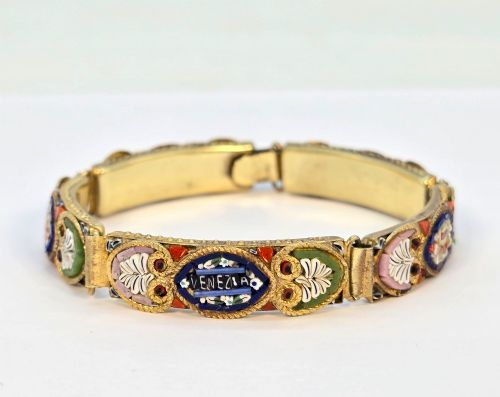
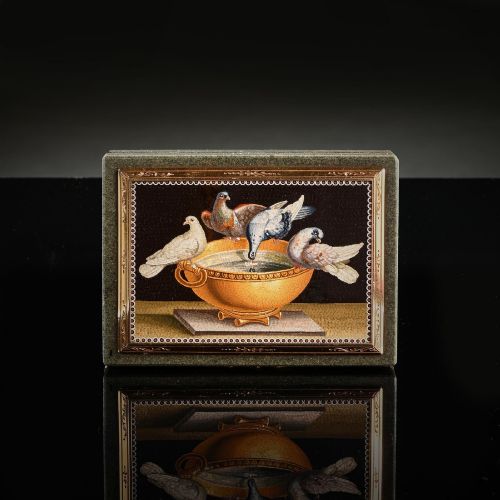
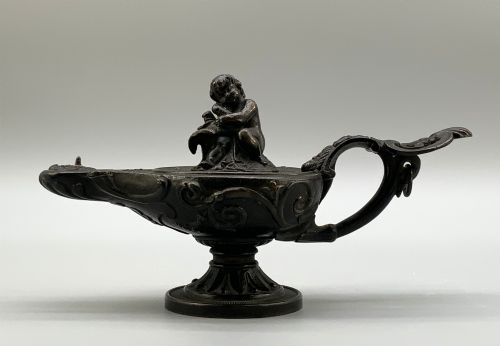
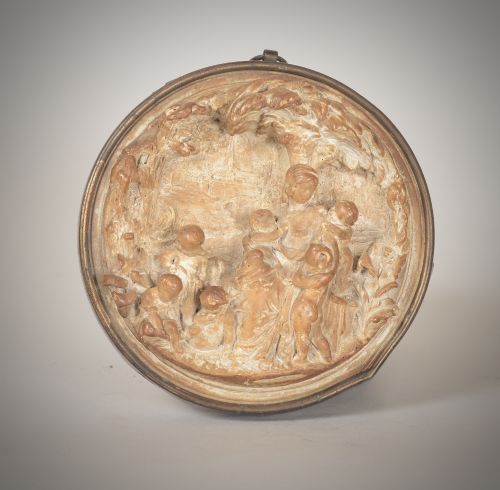
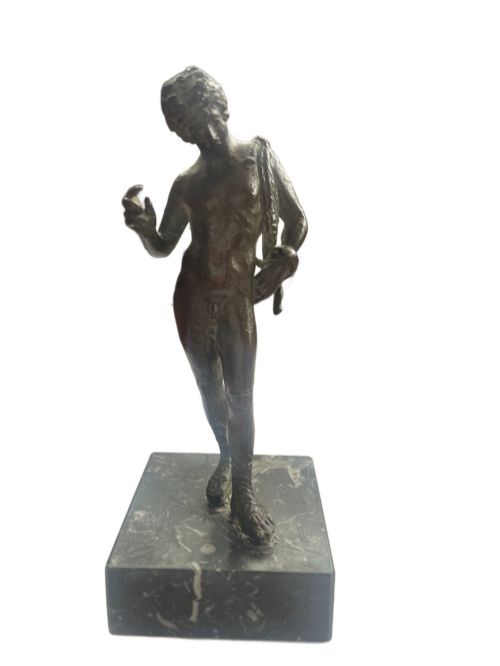
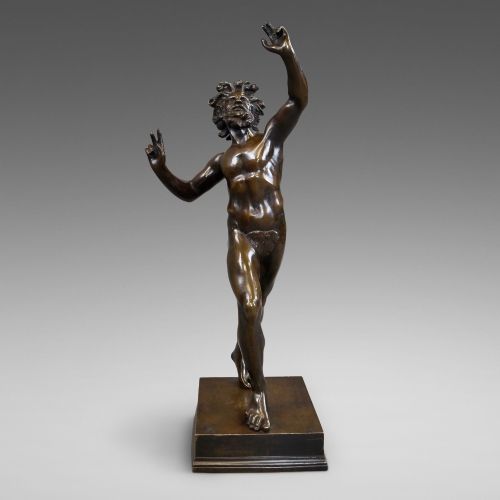
A 19th century grand tour souvenir encapsulates the sculpture, architectural models, and decorative objects collected by travellers exploring the cultural sites of Italy and Greece. You will frequently encounter bronze reductions of classical statues, carved marble architectural elements, and detailed micro mosaic plaques.
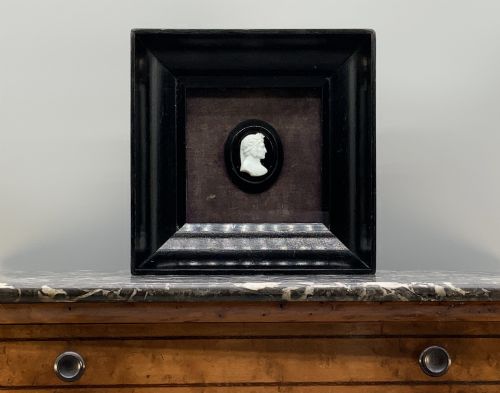
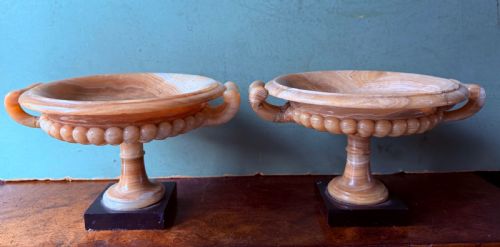
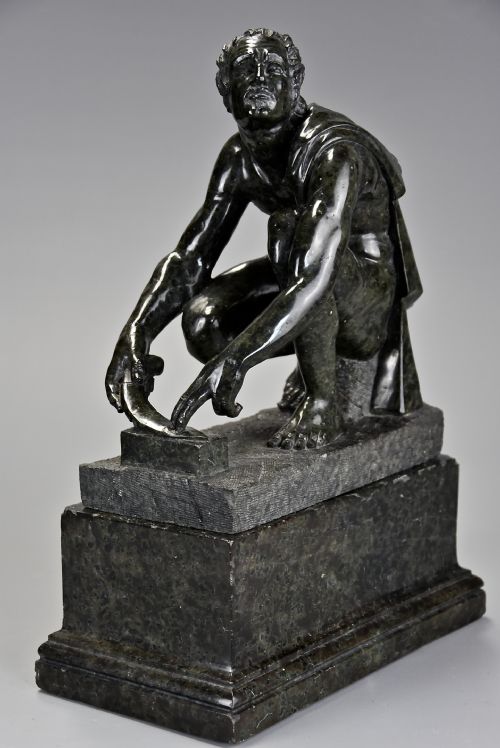
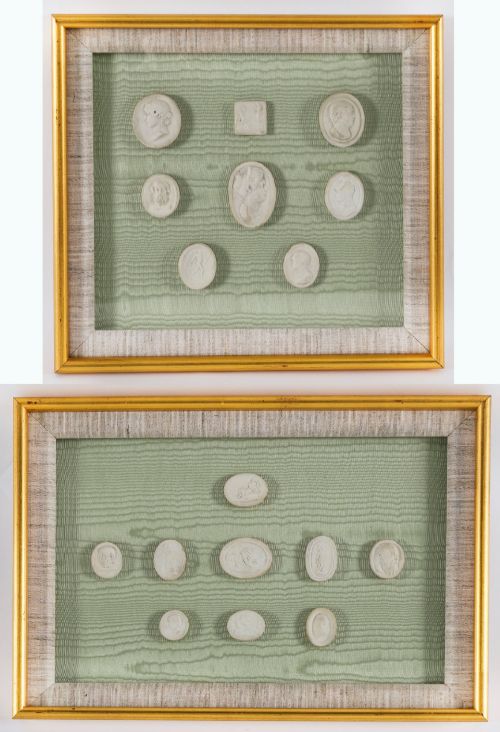
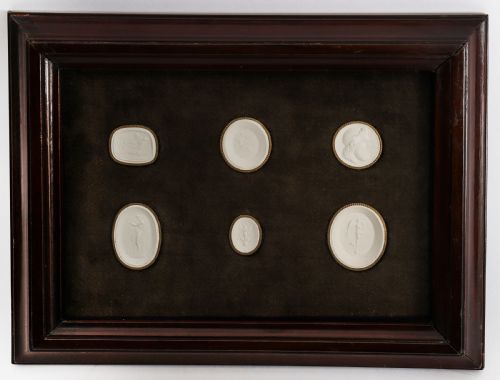
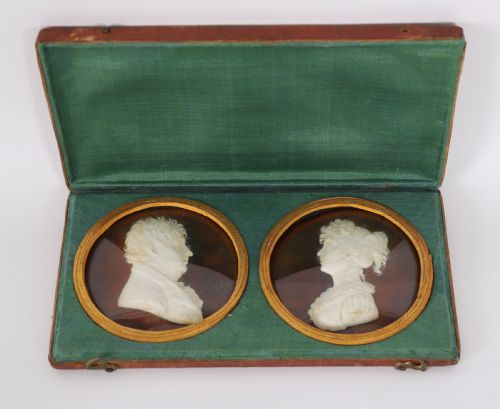
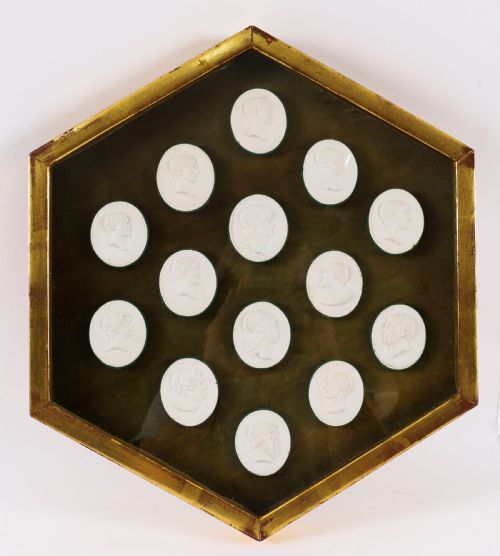
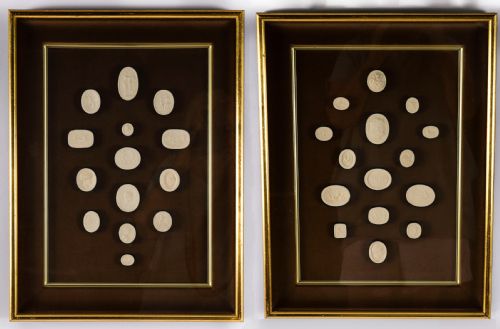
The objects take many forms, ranging from framed plaster intaglios and wax portrait reliefs to large bronze urns and serpentine marble figures after the antique. These works reflect the neoclassical tastes of the nineteenth century, drawing inspiration from ancient ruins and Renaissance masterpieces.
Originating predominantly from Italian workshops in Rome, Florence, and Naples, these pieces served as tangible memories of educational journeys. They bridge the gap between classical antiquity and nineteenth-century decorative arts.
How they were made
Bronze casting was utilised to create reductions of famous monuments and sculptures, often finished with detailed chasing and patination to mimic ancient metalwork. Marble, serpentine, and specialised stones like Siena or alabastro egiziano were hand-carved and mounted on solid plinths.
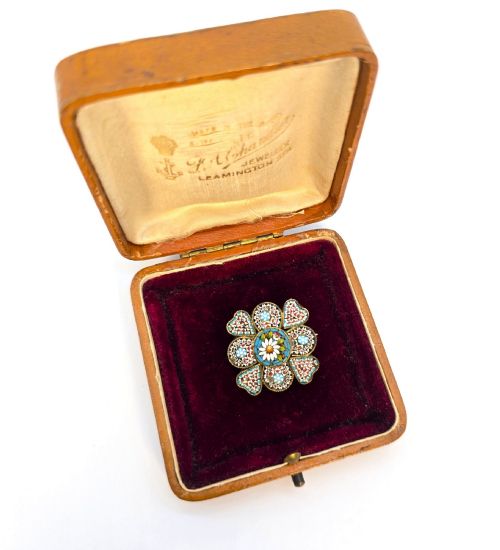
Intricate micro mosaics and pietra dura panels required immense patience, assembling tiny glass tesserae or precision-cut hardstones into pictorial scenes. Plaster, wax, and terracotta were similarly shaped to reproduce classical cameos, intaglios, and portrait reliefs.
Listings feature bronze, marble, terracotta, and wax, spanning periods from 1800 to 1900.
What varies in quality
The fidelity of the casting and carving defines the upper tier of these souvenirs, where reductions accurately capture the proportions and details of the antique originals. Master carvers and founders achieved sharper lines, smoother patination, and more convincing textures on marble and bronze alike.
The quality of materials also dictates value, with genuine hardstone specimens, finely graded marble bases, and meticulous micro mosaic work distinguishing exceptional pieces from standard tourist wares.
Gioacchino Barberi·Giovanni Liberotti·Boschetti
The 19th Century Grand Tour Souvenir Glossary
- Intaglio
- A gem or stone carved with a design that is depressed below the surface, commonly used for sealing wax.
- Micro mosaic
- A picture or decorative pattern formed from tiny coloured glass tesserae, requiring extreme precision.
- Pietra dura
- An artistic technique using cut and fitted polished coloured stones to create geometric or figural images.
- Reduction
- A scale copy of a larger sculpture, often produced in bronze during the nineteenth century.
- Scagliola
- A composite material made from selenite, glue, and pigments, used to imitate marble and other fine stones.
19th Century Grand Tour Souvenir: Frequently Asked Questions
What is a grand tour souvenir?
These items were acquired by affluent travellers during the nineteenth century while visiting historical sites across Italy and Greece.
They functioned as portable reminders of classical art, architecture, and antiquity.
How were bronze reductions displayed?
Sculptures and vases were typically mounted on marble plinths or bases to give them weight and presence.
Collectors placed them on mantelpieces, desks, or specialised display cabinets in their homes.
Are micromosaics fragile?
Micro mosaics consist of thousands of tiny glass pieces set into a solid backing material.
While durable under normal conditions, they require careful handling to avoid impact damage to the delicate tesserae.
How do I identify the subject?
Many pieces reproduce famous ancient statues, architectural ruins, or mythological figures known to nineteenth-century travellers.
Inscriptions, signatures on the base, or recognizable subjects like the Warwick Vase often provide clear clues.