

19th Century Grand Tour Art
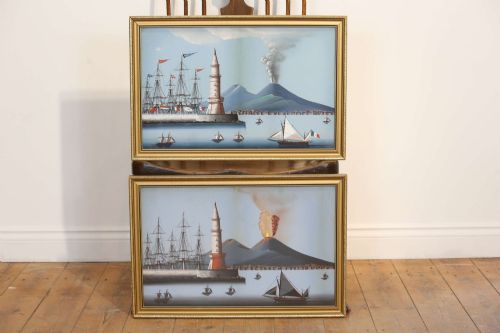
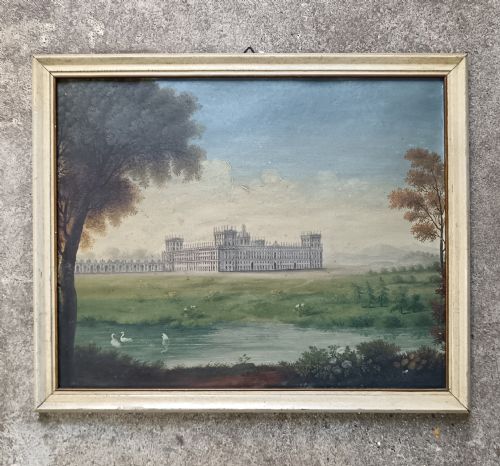
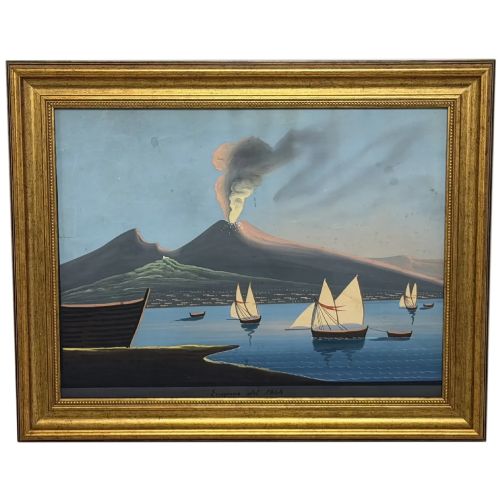
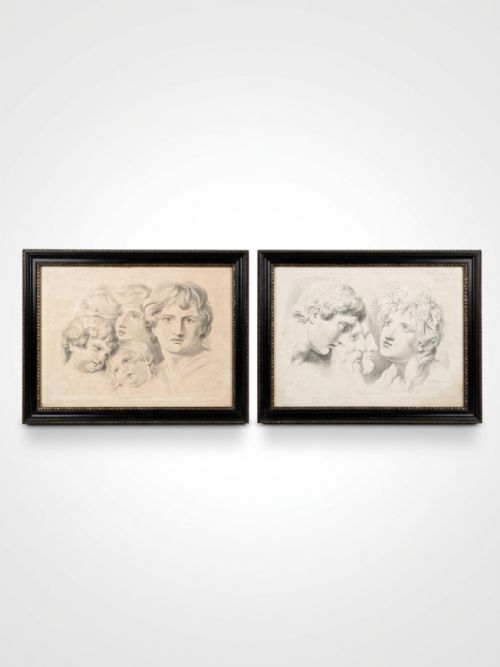
These pieces of 19th century grand tour art capture the classical sights and landscapes collected by travellers abroad.
19th Century Grand Tour Art
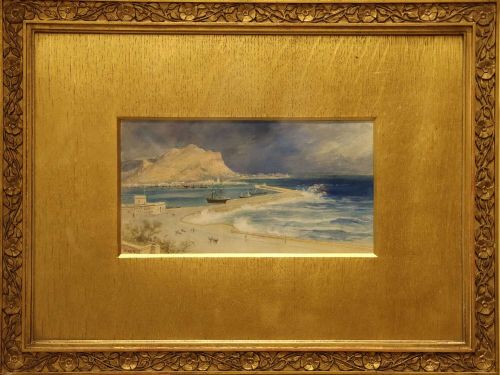
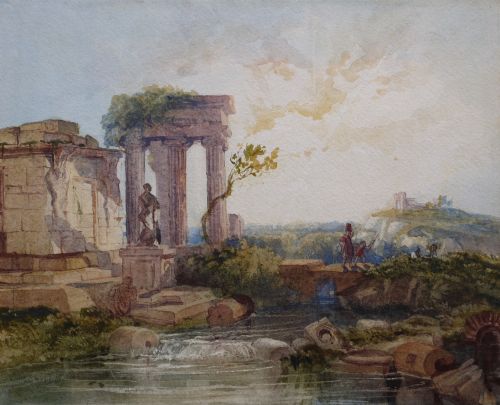
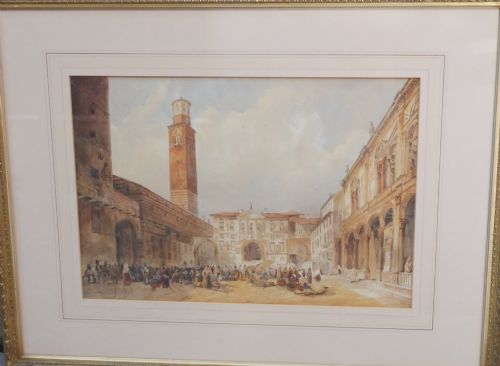
When you search for 19th century grand tour art, you encounter paintings, watercolours, and framed collections brought back from travels across Europe. These works document ancient ruins, Italian landscapes, and classical sculptures through the eyes of visiting artists.
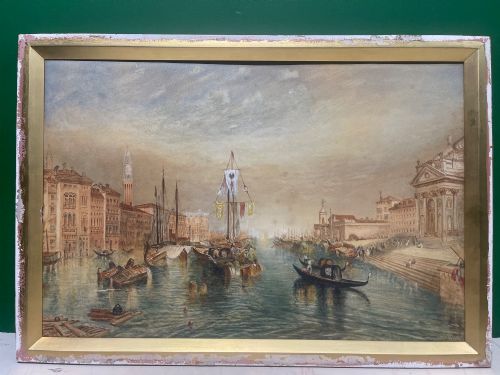
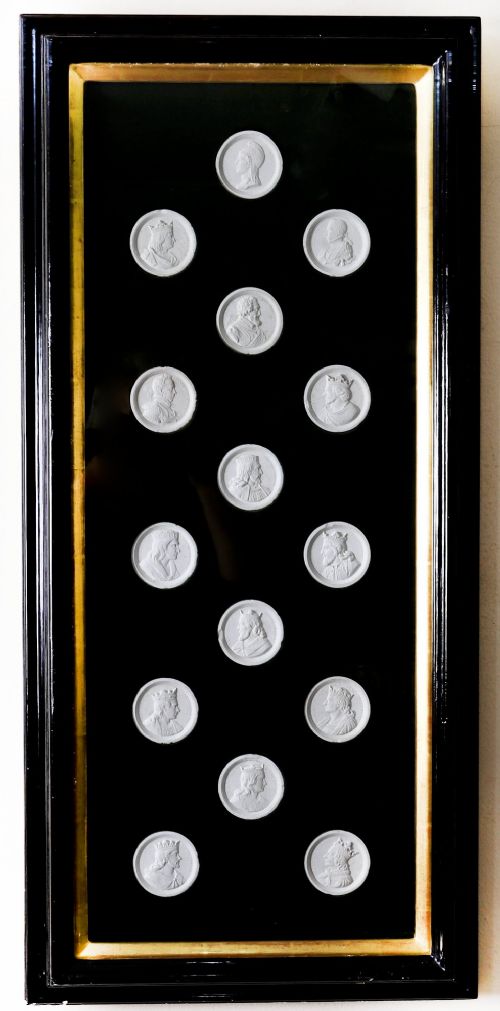
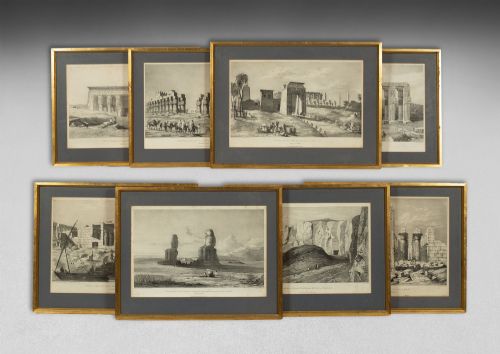
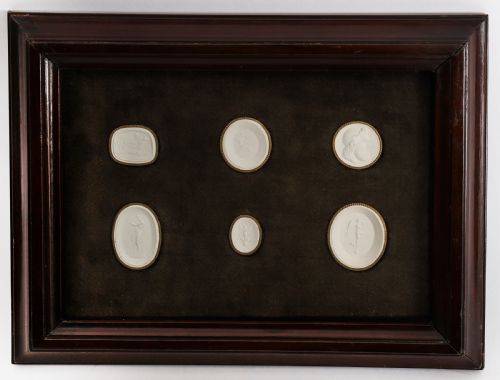
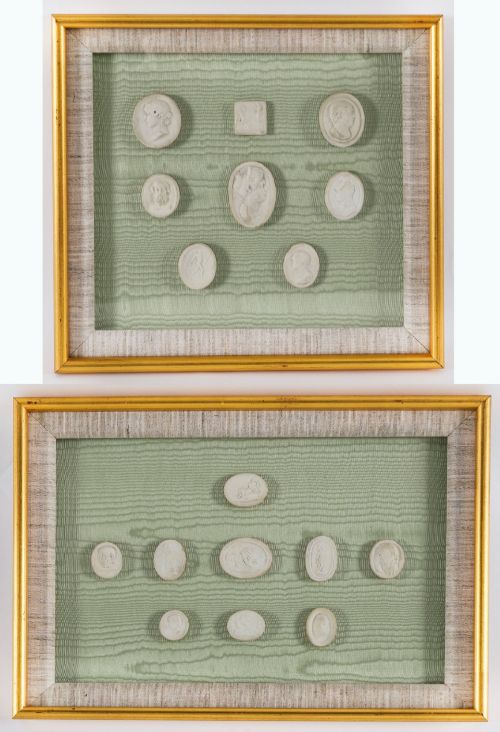
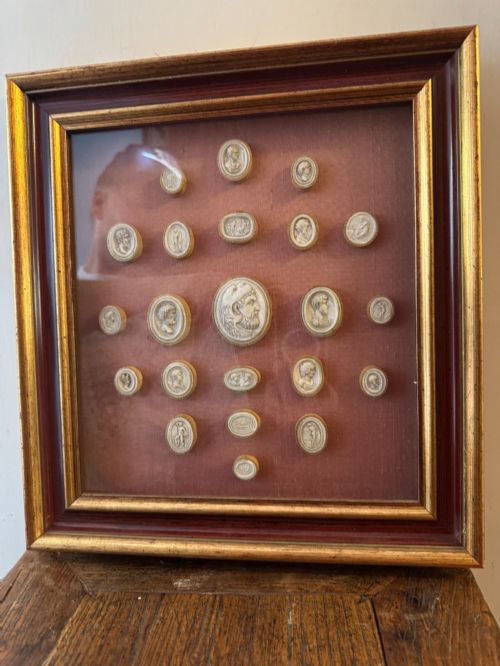
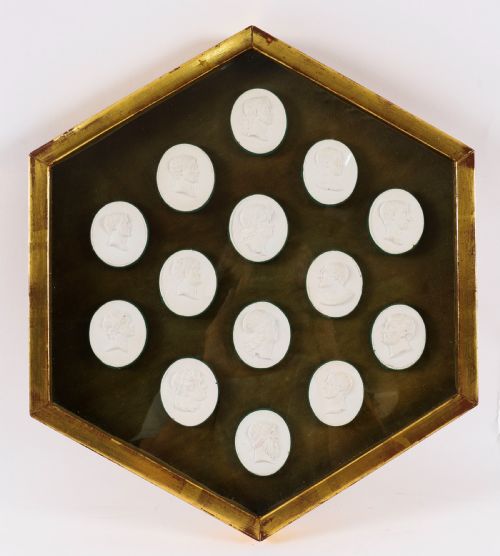
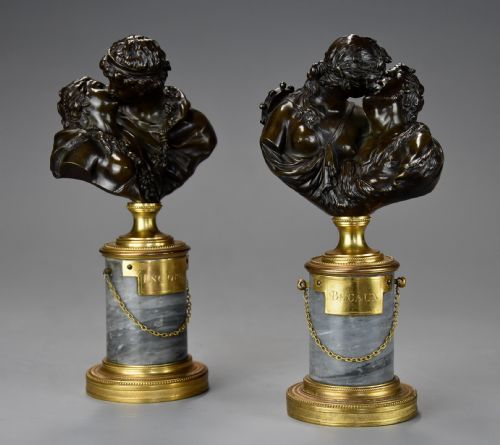
You are most likely to meet framed watercolours of Roman landmarks, oil paintings of Venetian canals, and collections of plaster or gypsum intaglios. The selection also includes bronze figures and marble plaques recording the classical heritage of the continent.
How these pieces were made
Artists utilised watercolour and oil on canvas to render topographical scenes and atmospheric views of southern Europe. Painters worked with paper and giltwood frames to present their landscapes for domestic display.
Intaglios and cameo panels were cast in plaster and gypsum, often mounted in organised frames. Bronze and brass were cast into miniature figures and oil lamps, reproducing classical statues and artefacts.
19th Century Grand Tour Art Retail Price Guide 2026
Typical asking prices for 19th century grand tour art among the pieces listed under this phrase on Sellingantiques today, from the lower quarter to the upper quarter. They describe what is for sale here now, not the wider market.
The listings feature works on paper, canvas, and wood, spanning watercolours, oil paintings, prints, and gouaches from multiple decades.
What varies in quality
Quality rests in the precision of the hand, whether in the delicate brushwork of a watercolour or the crisp detail of a cast intaglio. Pieces by named artists or established workshops show a surer sense of proportion and atmosphere.
The choice of mounting and frame alters the character of the piece, with period ebonised wood or gilt frames enhancing the presentation. Complete collections of intaglios or multi-part sets demonstrate greater depth than isolated examples.
Richard Principal Leitch·Augusto Alberici·Jean Antoine Houdon·Giovanni Liberotti·Franz Knebel·E. Perez Senet·Jane Vivian·Alfred Pollentine·Benedetto Salviati·Pierre Buillon·Henri Chatillon·Charles H Poingdestre·James Pradier·Susse Freres·Ettore Ascenzi·Bartolomeo Colleoni
The 19th Century Grand Tour Art Glossary
- Intaglio
- A design incised into a material so that it can create a raised impression in wax or clay. These framed collections recorded classical sculptures and seals.
- Micromosaic
- Tiny coloured glass tesserae assembled to form detailed pictorial plaques. These items frequently depicted famous sights like doves or classical ruins.
- Pietre Dure
- Inlaid work using polished coloured stones to create pictorial images. This technique produced hardstone marble pictures of figures and landscapes.
- Giltwood
- Wood carved and covered with thin gold leaf or gilt. It provided ornate framing for watercolours and oil paintings.
- Grand Tour
- The traditional journey of Europe undertaken by upper-class young men and travellers. It yielded the art, sculptures, and souvenirs collected along the route.
19th Century Grand Tour Art: Frequently Asked Questions
What is grand tour art?
Grand tour art comprises the paintings, watercolours, prints, and sculptural casts acquired by travellers visiting cultural centres in Italy, France, and Switzerland during the nineteenth century. These objects served as sophisticated mementos of classical education and foreign travel.
Items ranged from detailed watercolours of the Roman Campagna and Venetian oil paintings to framed sets of plaster intaglios and bronze reductions of antique statues.
How were intaglios displayed?
Intaglios and cameos were cast in plaster or gypsum and arranged in framed collections for wall display. Travellers bought these sets to study classical sculpture and mythology at home.
Larger groupings containing dozens of individual impressions were mounted behind glass in wooden or ebonised frames.
Where did these subjects come from?
The subjects derived directly from the classical monuments, ruins, and art collections encountered on European journeys. Artists painted the Colosseum, the Spanish Steps, and Venetian canals for an eager market of tourists.
Bronze workshops produced miniature reductions of famous sculptures found in Roman and Florentine museums.
How should I live with these pieces?
Watercolours and works on paper require placement away from direct sunlight to protect the pigments from fading. Framing protects delicate surfaces like paper, gouache, and plaster casts from dust and physical damage.
Bronze figures and marble plaques suit tabletops and mantels where their material qualities can be examined closely.