




19th Century Glazed Jar
A 19th century glazed jar brings weight and utility to a room, offering tactile earthen surfaces shaped for preservation.
19th Century Glazed Jar
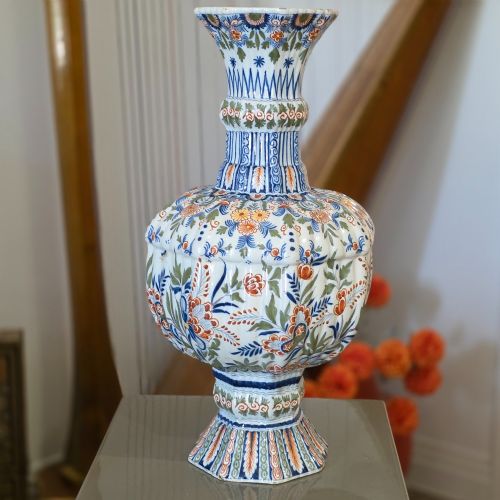
When you search for a 19th century glazed jar, you encounter heavy functional vessels designed for storage, pharmacy use, or display. The examples on this page span French confit pots, Italian majolica drug jars, and large Chinese porcelain or stoneware vases.
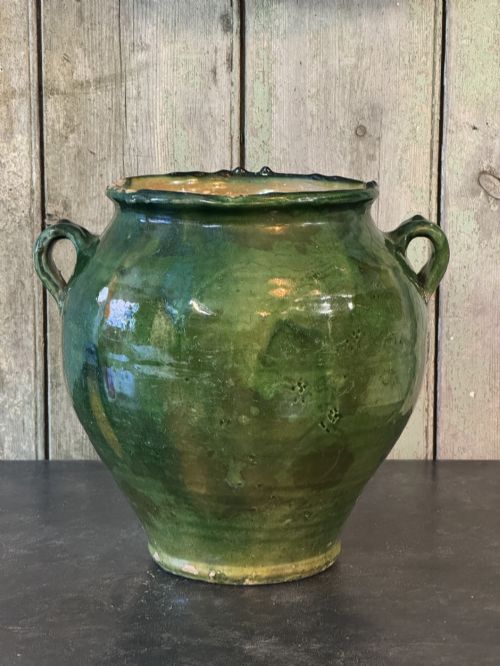
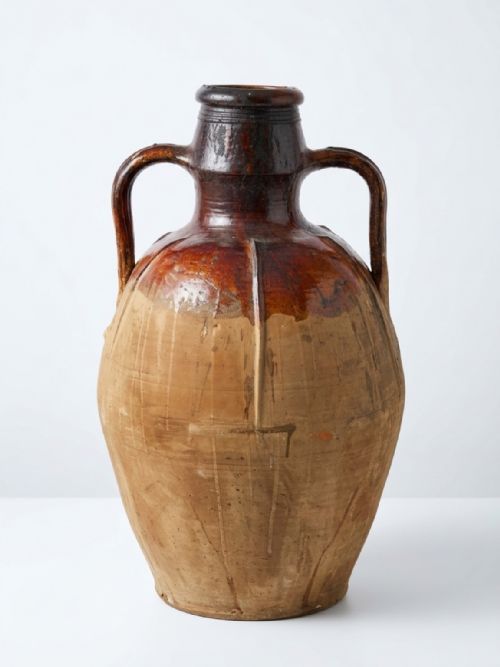
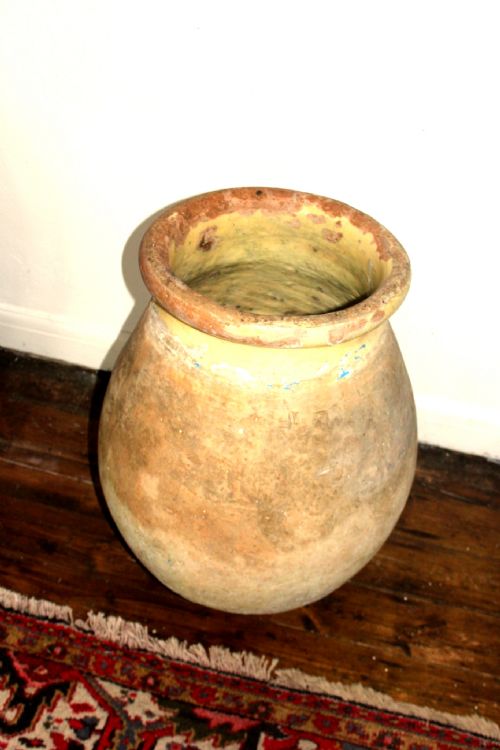
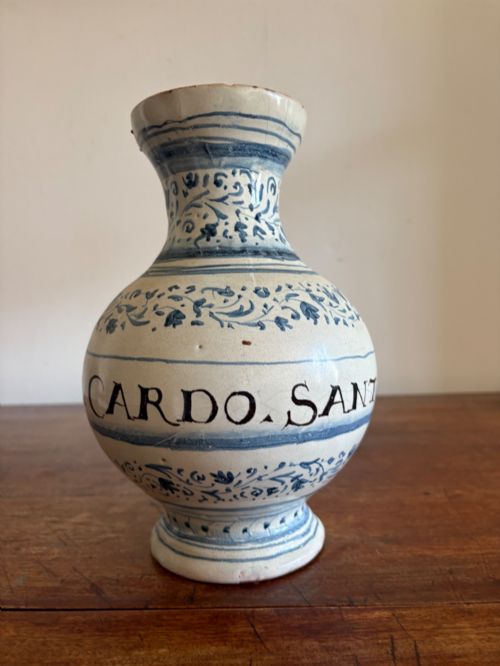
Most pieces date to the Victorian era or cross into earlier traditions, utilising earthen bodies finished with tin glazes, salt glazes, or monochrome treatments. You meet tall apothecary albarelos, broad olive jars, and green-glazed provincial confit pots.
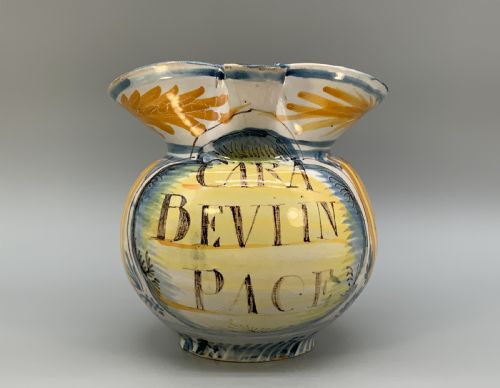
Forms range from simple utilitarian vessels made for kitchen storage to elaborate polychrome pharmacy jugs and Japanese Imari vases. These objects cross European and Asian workshops, reflecting diverse regional potting traditions.
Materials and construction methods
Potters built these vessels using earthenware, terracotta, stoneware, and porcelain, shaping the clay by hand or on the wheel before applying specialised glazes. Salt glazing creates a textured, pebbled surface on stoneware jugs, while tin glazing provides a smooth, opaque white ground for painted decoration.
Terracotta and earthenware bodies often receive partial or full green, yellow, or blue glazes to seal the porous clay against liquids. Chinese and Japanese pieces utilise fine ceramic bodies with crackleware finishes or vibrant blue and polychrome pigments under transparent glazes.
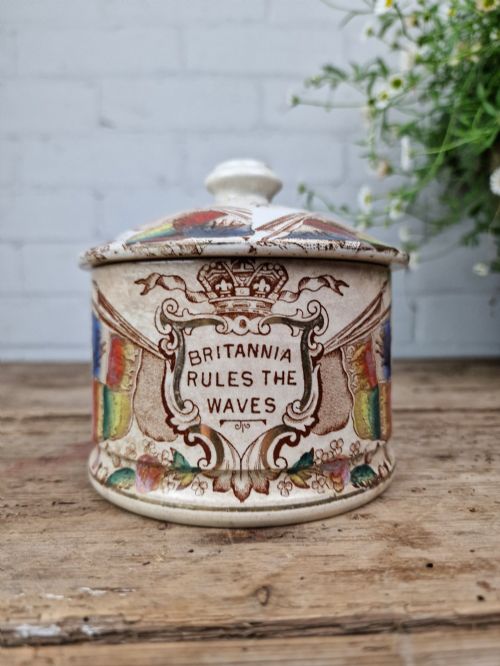
Turtle soup once travelled in specialised vessels, as evidenced by a surviving jar marked for a historic tavern.
Separating ordinary items from superior examples
Quality rests in the control of the glaze, the crispness of hand-painted details, and the integrity of the ceramic body. Superior pieces display even glaze coverage without excessive pooling or dry patches, alongside well-balanced proportions and clear, deliberate potting marks.
Painted examples distinguish themselves through the skill of the brushwork, particularly in polychrome apothecary jars and blue and white Chinese vases. The depth of colour and the complexity of the design separate standard utilitarian storage from exhibition-grade pieces.
C & A Painter
The 19th Century Glazed Jar Glossary
- Albarello
- A type of majolica pharmacy jar used for dry drugs and ointments. These tall, waist-pinched cylindrical vessels originated in the Middle East and spread across European apothecary shops.
- Confit pot
- A French earthenware jar finished with a lead glaze, traditionally utilised for preserving meat or confit. They typically feature unglazed lower bodies and coloured upper glazes.
- Maiolica
- Tin-glazed earthenware produced in Italy during various periods. The technique involves applying a white metallic glaze painted with metal oxides before firing.
- Tin glaze
- An opaque white ceramic glaze containing tin oxide. It provides a smooth surface that painters decorate with pigments before the second firing.
- Salt glaze
- A glassy, pitted texture formed by throwing common salt into the kiln during high-temperature firing. This chemical reaction creates an orange-peel finish on stoneware.
19th Century Glazed Jar: Frequently Asked Questions
What were 19th century glazed jars used for?
These vessels served practical roles in domestic kitchens, merchant stores, and apothecary shops. Confit pots held preserved foods, while albarelos and pharmacy jugs contained dry drugs, herbs, and liquids.
Larger terracotta and stoneware jars stored wine, oil, or vinegar. Decorative vases and urns functioned primarily as interior ornaments in homes.
How do I clean and care for antique pottery?
Dust these ceramic pieces gently with a dry, soft cloth to protect the aged glaze and surfaces. Avoid immersing porous terracotta or earthenware in water, especially if the body has unglazed areas or historic hairline fractures.
Keep them away from direct heat sources and areas with high moisture fluctuations. Stable indoor environments preserve the integrity of both the clay and the historical glaze.
How can I tell a confit pot from an apothecary jar?
Confit pots feature wide mouths and sturdy handles, designed for kitchen storage and food preservation. Their bodies are usually terracotta with partial green or yellow glazes covering the upper sections.
Apothecary jars, such as albarelos, display straight or slightly waisted cylindrical shapes without handles, often painted with drug labels or intricate polychrome designs suited for pharmacy shelves.
What is the difference between earthenware and stoneware?
Earthenware is fired at lower temperatures, resulting in a porous ceramic body that requires a glaze to hold liquids. It forms the foundation for confit pots and majolica ware.
Stoneware is fired at much higher temperatures until the clay vitrifies into a dense, non-porous material. This creates sturdy vessels like salt-glazed vinegar barrels and heavy storage jugs.