


19th Century Ginger Jar
A 19th century ginger jar brings patterned porcelain and enduring form into a room.
19th Century Ginger Jar
A 19th century ginger jar typically presents a rounded body and a fitted cover, originating from utilitarian storage vessels before shifting to ornamental display pieces. When you search for this phrase, you encounter Chinese blue and white porcelain, Japanese Imari, and European interpretations spanning the period.
Many examples from this era are adapted into table lamps, retaining their original painted or glazed bodies while incorporating electrical fittings and mounts. These pieces combine historic ceramic traditions with practical household lighting.
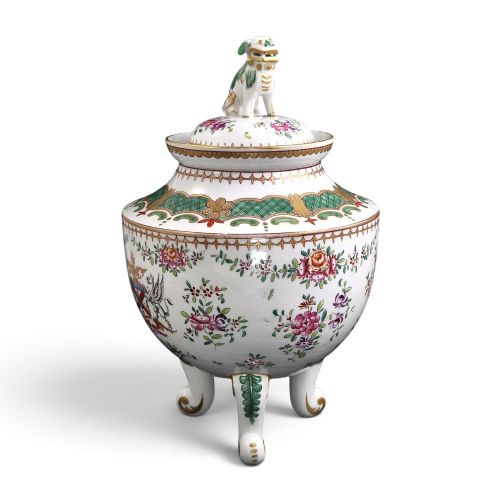
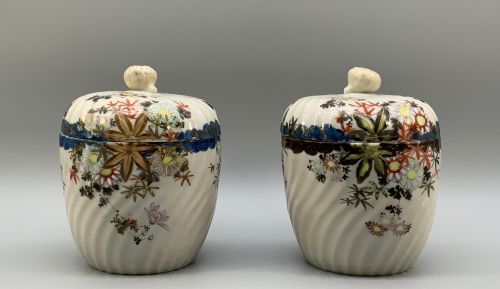
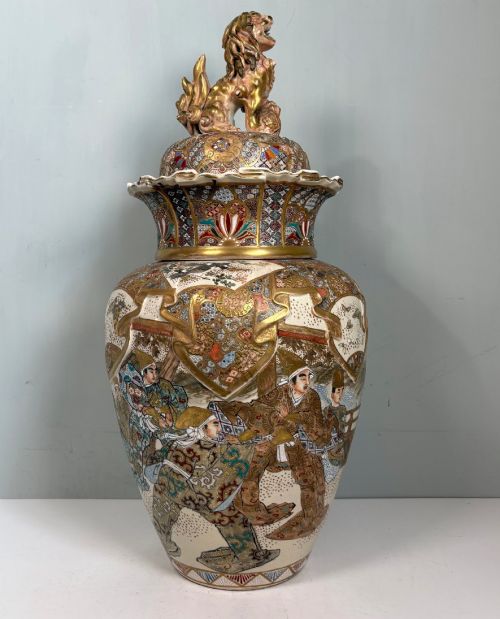
The forms range from compact lidded pots to substantial temple jars decorated with floral, figurative, or armorial motifs. They offer a tangible link to 19th century ceramic production across Asian and European workshops.
How they were made
Potters shaped these vessels from porcelain, earthenware, and ironstone, often applying cobalt blue underglaze pigments or polychrome enamel painting before high-temperature firing. Artisans then added details using gold leaf, enamel, and occasionally bronze or ormolu mounts.
Japanese workshops produced distinctive Kutani and Satsuma wares using layered glazes and detailed overglaze painting, while European factories such as Meissen-style and Samson workshops emulated Eastern aesthetic traditions using local porcelain bodies.
Some pieces cross paths with walnuts and fruit, caught forever in an 1881 oil painting standing beside the porcelain.
What varies in quality
The standard of a 19th century ginger jar rests upon the precision of the hand-painted decoration, the clarity of the glaze, and the structural integrity of the ceramic body. Finer pieces demonstrate control in brushwork and balanced proportions between the jar and its cover.
Adaptations into lamps affect the original condition of the base and rim, as drilling for wiring alters the factory body. Pieces retaining undamaged original covers and unaltered porcelain command distinct attention from collectors.
Samson Paris·Wolfsohn Dresden
The 19th Century Ginger Jar Glossary
- Imari
- A style of Japanese porcelain decorated in underglaze blue, iron red, and gold. This palette was widely exported to Europe during the 19th century.
- Famille Rose
- A ceramic palette defined by opaque pink enamel colours. It gained popularity in Chinese export porcelain.
- Famille Verte
- A classification of Chinese porcelain dominated by green enamel hues. It frequently depicts figures, birds, and natural landscapes.
- Ormolu
- Gilded bronze used for decorative mounts and bases. It appears frequently on European-adapted jars and lamps.
- Crackleware
- Pottery featuring a network of fine intentional cracks in the glaze. This decorative finish appears on various 19th century Chinese vessels.
19th Century Ginger Jar: Frequently Asked Questions
How were ginger jars originally used?
These vessels initially served to transport and store spices, salt, and preserved ginger along trade routes. Their broad shoulders and secure lidded tops protected perishable goods from moisture and pests during transit.
Over the course of the 19th century, export markets embraced them purely as decorative interior objects. Makers adapted the traditional forms into mantel ornaments, temple jars, and eventually lighting fixtures.
Are converted lamp jars still valuable?
A converted lamp retains much of its historical charm if the ceramic body was not excessively altered during wiring. Collectors weigh the quality of the original porcelain painting against the impact of the electrical modification.
Many examples from this period underwent conversion to lamps during their working life. The presence of original ormolu mounts and intact lids often balances the alteration to the base.
How do I identify Japanese Imari?
Japanese Imari pieces display a distinct combination of cobalt blue underglaze and iron red overglaze, frequently highlighted with gold leaf. The motifs commonly feature floral panels, landscapes, and traditional brocade patterns.
Production centres around the town of Arita during the 19th century created these export wares for Western buyers. The porcelain body is typically heavier and denser than standard contemporary European china.
What is the difference between Chinese and European styles?
Chinese pieces from this period generally adhere to traditional cobalt blue designs, crackleware finishes, or famille palettes rooted in Qing dynasty aesthetics. The brushwork reflects centuries of established ceramic iconography.
European factories, including Samson and various continental potteries, deliberately imitated these Eastern motifs or created hybrid Chinoiserie interpretations. These European versions often incorporated local metalwork mounts and distinct paste compositions.