

19th Century Gilded Painting
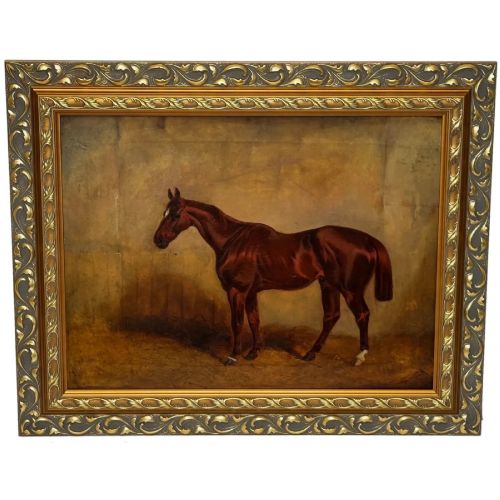
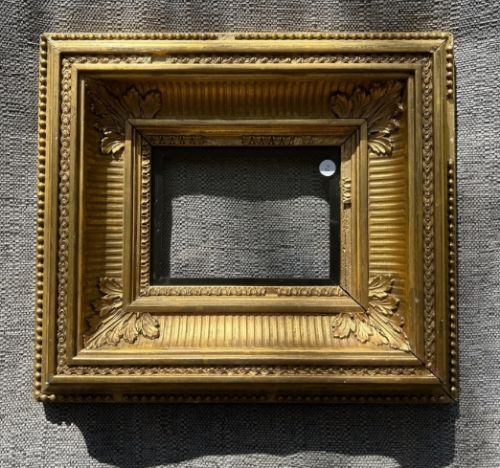
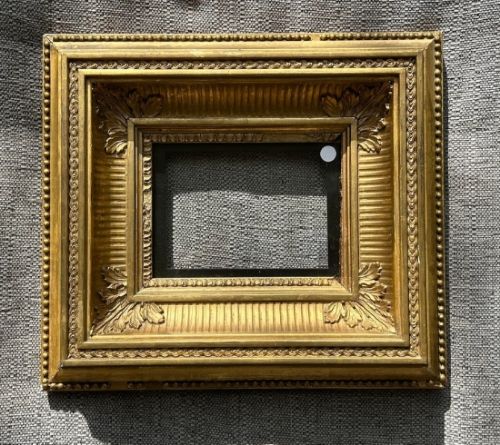
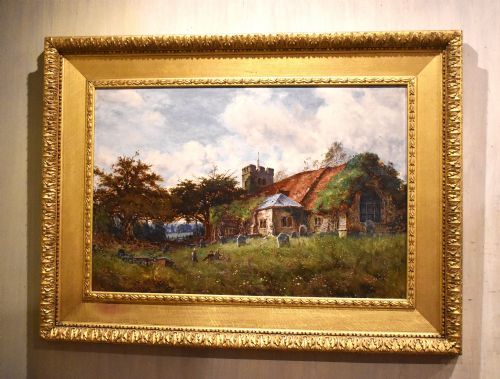
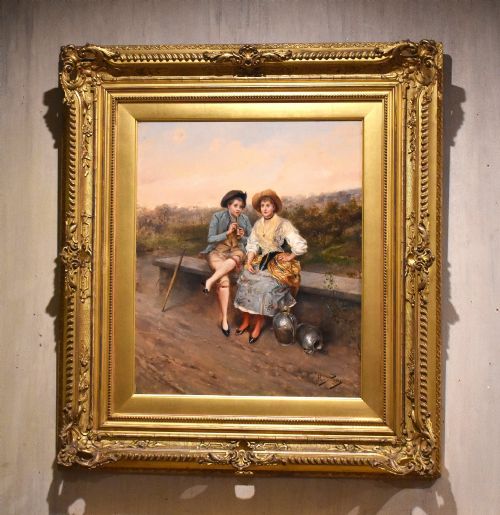
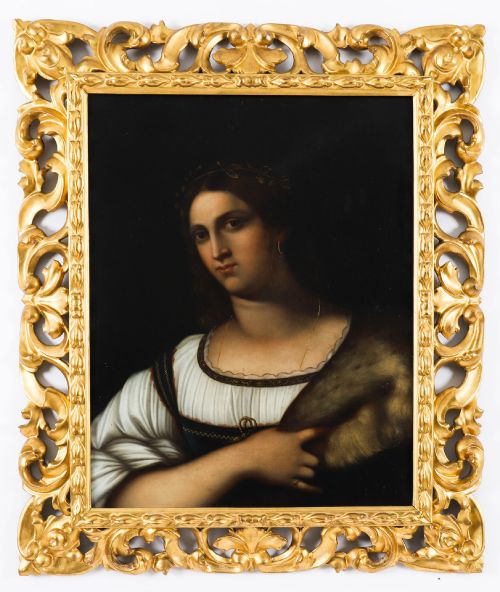
When you search for 19th century gilded painting, you encounter works where oil on canvas meets luminous gold leaf and giltwood.
19th Century Gilded Painting
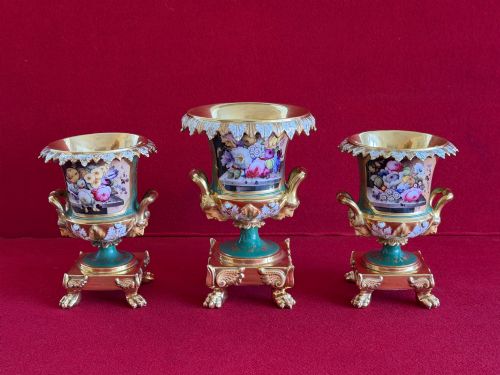
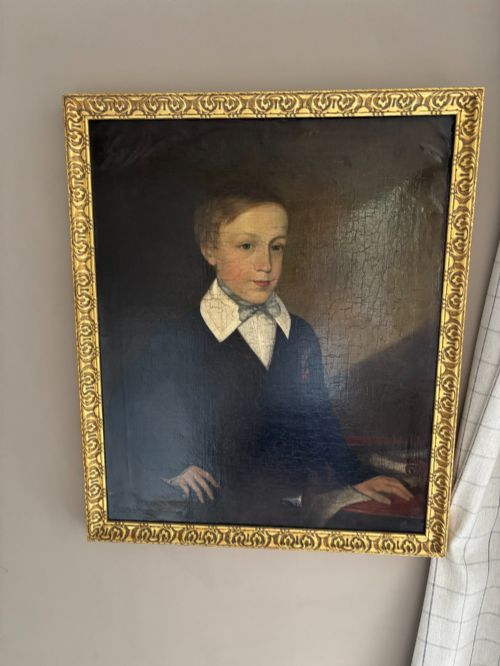
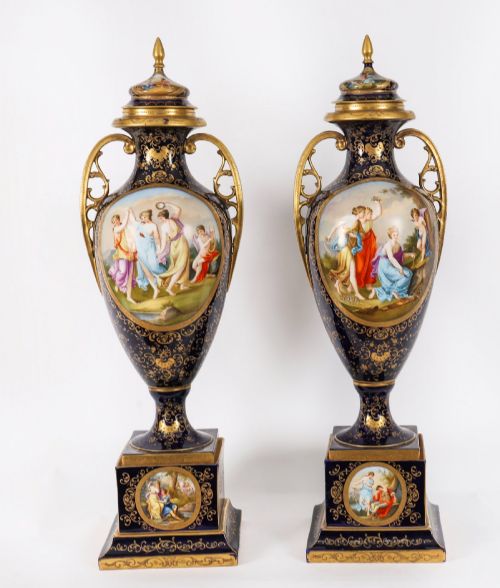
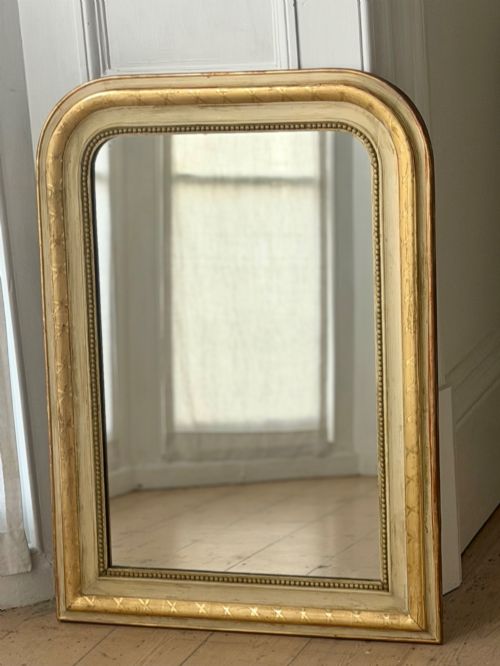
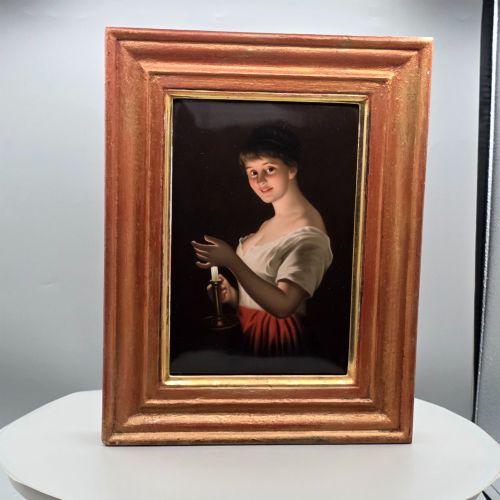
A 19th century gilded painting encompasses oil on canvas, oil on board, and panel works framed in carved and gilded wood or gesso. You also meet pieces where gilt embellishments accent porcelain, glass, and decorative furnishings from the Victorian and Regency periods.
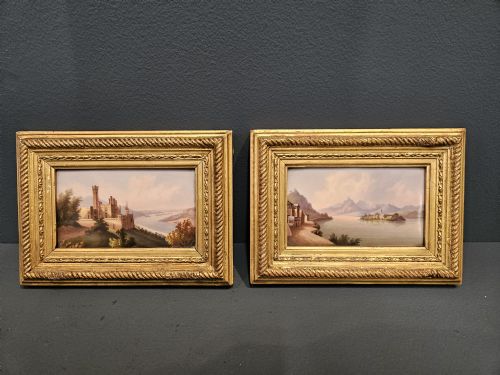
The selection ranges from romantic and woodland landscapes to intimate portraits and genre scenes. These works capture the artistic output of various European schools across the nineteenth century.
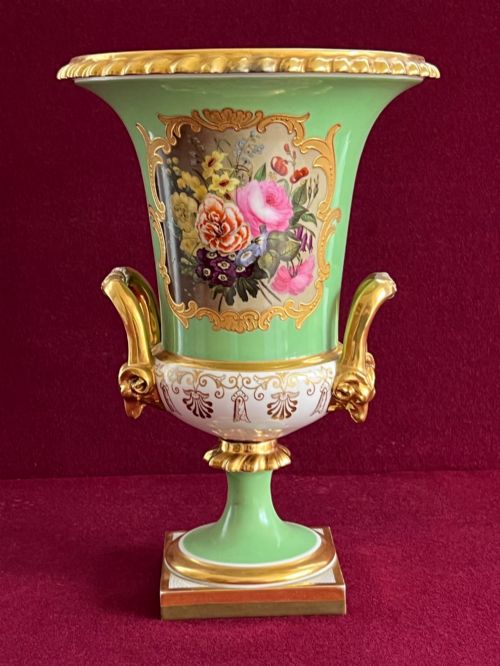
Oil paintings in elaborate gilt frames dominate the offerings, alongside painted porcelain plates and vases featuring rich metallic gilding. Each item reflects the decorative taste of the period it represents.
Materials and methods
Artists painted primarily with oil on stretched canvas, wooden panels, or board, applying pigments mixed with drying oils. Frames and decorative supports relied on carved wood, gesso, and applied gold leaf to catch the light.
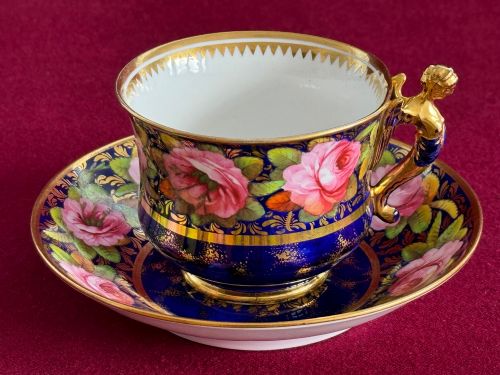
Makers of porcelain and decorative objects utilised mineral colours and enamel before adding fine gilt details by hand. Skilled artisans then fired these pieces to bond the metallic decoration to the ceramic surface.
Several paintings include observant cats and dogs quietly supervising nineteenth-century domestic life.
Factors of quality
The standard of a 19th century gilded painting depends on the skill of the brushwork and the depth of the composition. Finer works display confident handling of light and form, particularly in portraiture and landscape details.
The integrity and craftsmanship of the accompanying frame contribute significantly to the overall piece. Hand-carved gesso and well-preserved gold leaf elevate the status of the work, showing master craftsmanship in both canvas and border.
Richard Sebastian Bond·Joseph Clover·Achille Brocot·Valentine T. Garland·Stephen Samuel Lewin·Vittorio Reggianini·David Bates·Samuel De Wilde
The 19th Century Gilded Painting Glossary
- Giltwood
- Wood that has been treated with gold leaf or a gold-coloured metallic finish. This material is common in nineteenth-century picture frames and decorative furniture.
- Gesso
- A plaster-like mixture used as a base for paint or for moulding decorative reliefs on frames. It provides a smooth surface before gilding.
- Oil on Canvas
- Pigment suspended in oil medium applied to a woven fabric support. This was the primary medium for serious artistic works of the era.
- Regency
- An English stylistic period spanning the early nineteenth century, known for classical elegance and refined decorative arts. Pieces from this era often feature delicate proportions.
- Porcelain
- A fine, hard ceramic fired at high temperatures, frequently hand-painted and gilded. It appears in plates, vases, and tea services from the period.
19th Century Gilded Painting: Frequently Asked Questions
How do I identify a genuine 19th century frame?
Examine the construction methods and the materials beneath the surface, such as traditional gesso layered over timber. Age shows in the natural wear of the gold leaf and the oxidation of underlying materials.
Look for hand-carved details rather than uniform moulded resin. Authentic period frames show minor irregularities that reveal manual craftsmanship.
What subjects are most common in these paintings?
Landscapes, portraits, and pastoral scenes dominate the works from this era. Artists frequently depicted romantic countryside views, coastal settings, and domestic animal studies.
Human figures appear both in formal portraiture and narrative genre scenes. These subjects reflect the prevailing artistic tastes of Victorian and Regency society.
What distinguishes Regency art from Victorian pieces?
Regency works tend to display a restrained classical elegance inspired by antiquity. They favour clean lines and balanced, harmonious compositions.
Victorian pieces often embrace more ornate styles, such as Rococo Revival, with heavier decoration and dramatic flair. The colour palettes and framing styles shifted to reflect changing industrial and aesthetic influences.