


19th Century Garden Seat
These heavy iron and ceramic pieces let you bring period character directly to outdoor spaces.
19th Century Garden Seat
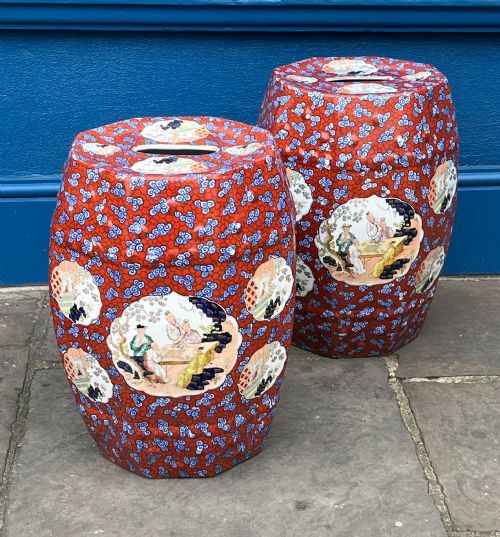
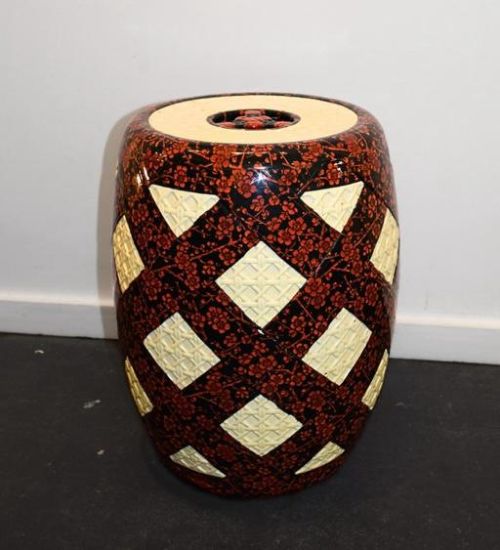
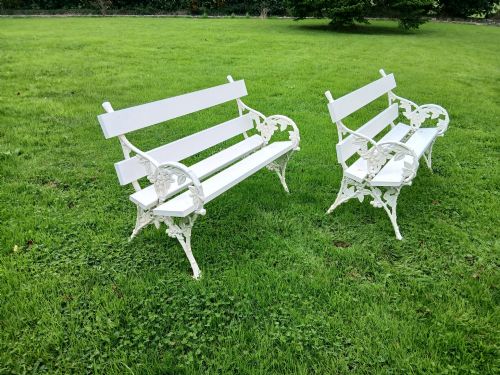
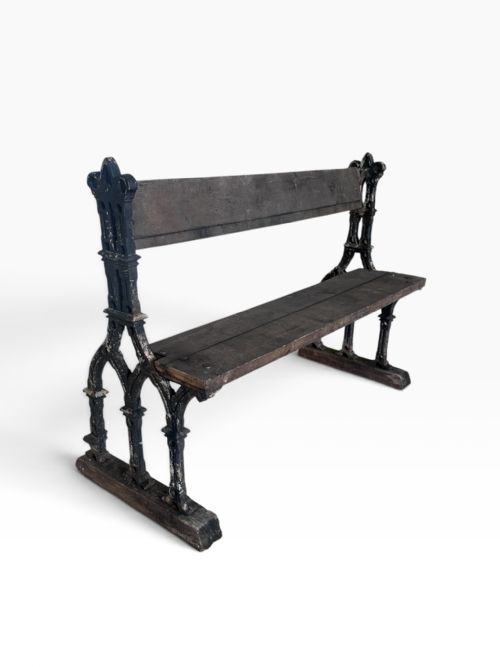
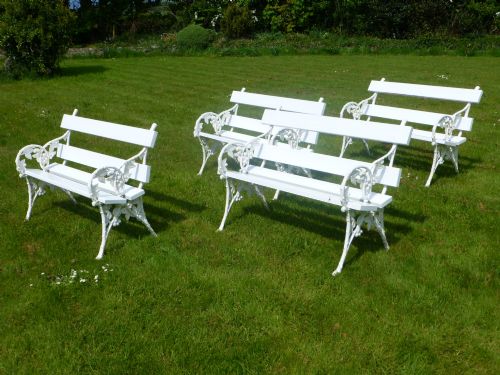
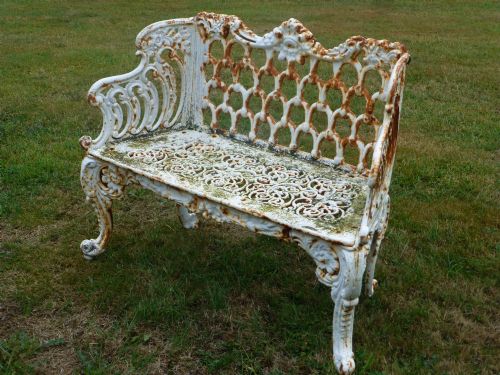
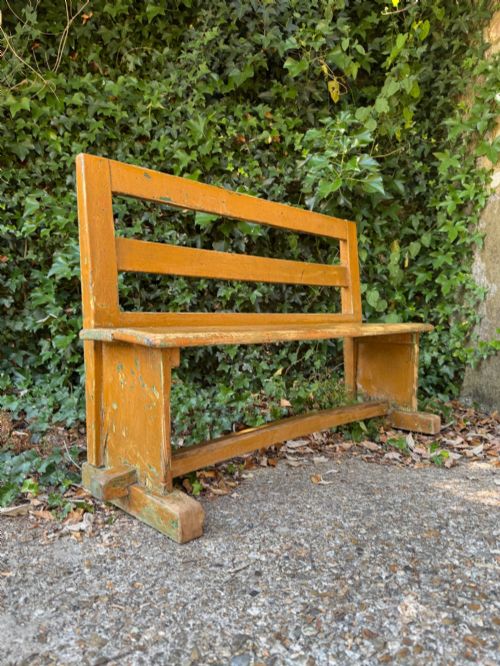
A 19th century garden seat spans robust metal benches, ceramic barrel forms, and rustic wooden resting places designed for outdoor use. When exploring this selection, buyers encounter everything from heavy cast iron framework to intricate Chinese porcelain and earthenware drums.
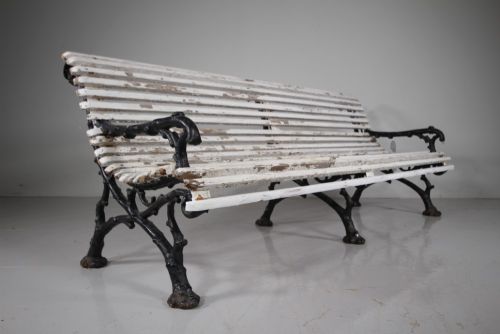
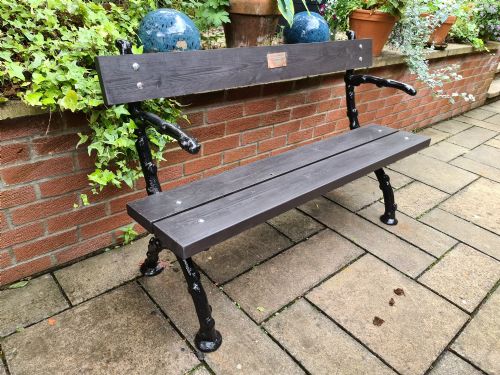
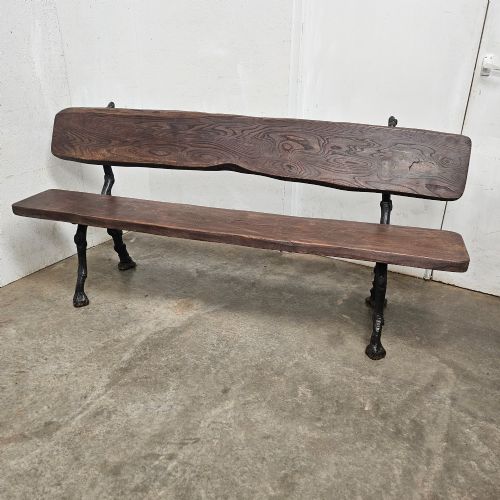
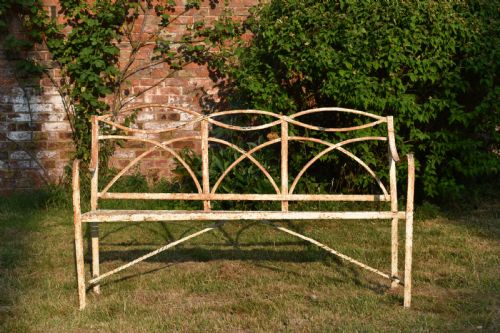
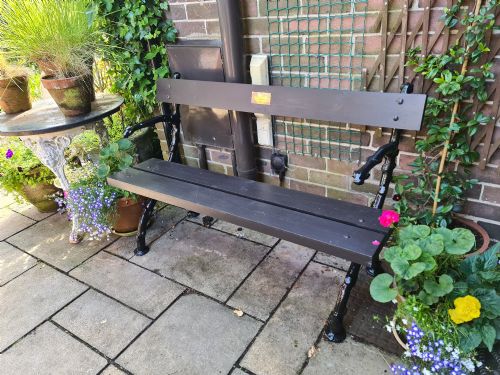
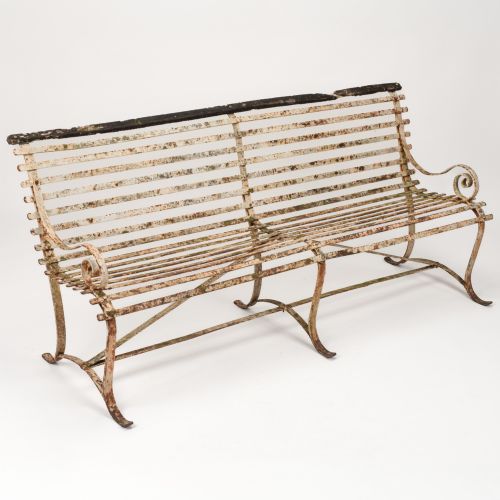
The objects take several distinct shapes, including traditional two-seater benches, barrel-shaped ceramic garden seats, and timber or wirework iterations. Pieces range from British foundry productions to Regency strapwork designs and oriental barrel forms.
Origins stretch across Victorian England, France, and Qing Dynasty China, offering varied expressions of period landscaping tastes. Cast iron variations dominate the metallic offerings, often shaped into botanical patterns or Gothic arches.
Materials and construction methods
Foundries utilised cast iron and wrought iron poured or hammered into moulds and frames, creating durable outdoor furniture that withstood weather. Paint finishes and glazes were applied to protect surfaces, ranging from white house rose treatments to creamware and blue and white ceramics.
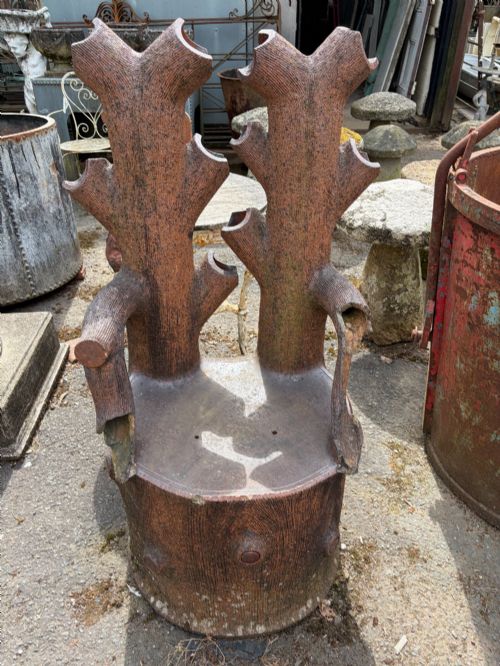
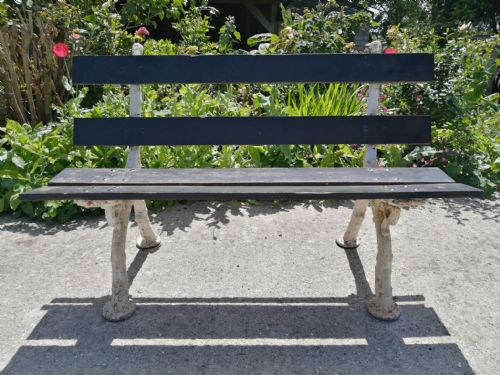
Timber elements incorporated pine, French elm, and oak, sometimes shaped into faux bois styles mimicking natural branches and rustic wood. Ceramic and porcelain examples involved detailed hand painting, famille rose palettes, and mother-of-pearl inlay on hardwood frameworks.
19th Century Garden Seat Retail Price Guide 2026
Typical asking prices for 19th century garden seat among the pieces listed under this phrase on Sellingantiques today, from the lower quarter to the upper quarter. They describe what is for sale here now, not the wider market.
A lifesize terracotta dog stands guard among the metal benches and ceramic barrels.
Markers of distinction
Differentiation lies in the crispness of the foundry casting or the hand-painted detail on porcelain drum seats. Makers like Coalbrookdale or Carron Foundry achieved sharper relief in botanical patterns such as blackberry and leaf motifs.
The preservation of original surface paint, structural integrity of iron frames, and the complexity of ceramic glazes distinguish standard utility pieces from exceptional examples. Faux bois execution also varies, with superior versions capturing realistic timber textures in concrete or metal.
Falkirk Carron Foundry·Carron Foundry·Coalbrookdale
The 19th Century Garden Seat Glossary
- Faux bois
- Imitation of wood executed in iron, stone, or concrete. This technique was popular in Victorian garden furniture to create rustic branch effects.
- Strapwork
- Ornamentation composed of flat, interlaced bands resembling leather straps. It defines linear Regency ironwork patterns.
- Famille rose
- A palette of Chinese porcelain enamels dominated by pink or rose colours. It appears on Canton porcelain garden seats from the period.
- Hongmu
- A dense, dark Chinese hardwood used for furniture and barrel-shaped stands. It accommodates intricate carving and mother-of-pearl inlay.
- Creamware
- A refined earthenware developed in England during the eighteenth century with a pale yellow glaze. It provides a smooth base for painted garden ceramics.
19th Century Garden Seat: Frequently Asked Questions
How do I care for cast iron?
Keep metal surfaces clean and monitor for surface weathering. Regular inspection helps preserve underlying paint layers.
Apply protective coatings where appropriate to shield the iron from prolonged dampness.
Can ceramic seats stay outside?
Ceramic and porcelain barrel seats withstand mild outdoor conditions during warmer months. Porous earthenware and porcelain should be stored indoors during freezing weather to prevent cracking.
Protecting glazed items from severe frost preserves the integrity of the finish.
What is faux bois?
Faux bois translates from French as false wood, describing items sculpted to resemble natural branches. Makers used iron or concrete to mimic rustic timber.
This style gained popularity during the Victorian era for garden benches and seats.