
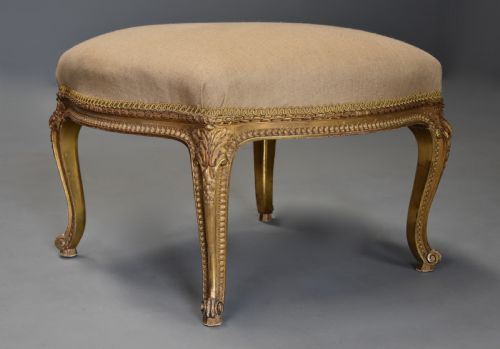


19th Century French Stool
A 19th century French stool brings understated elegance and practical seating to an interior through classical proportions and traditional craftsmanship.
19th Century French Stool
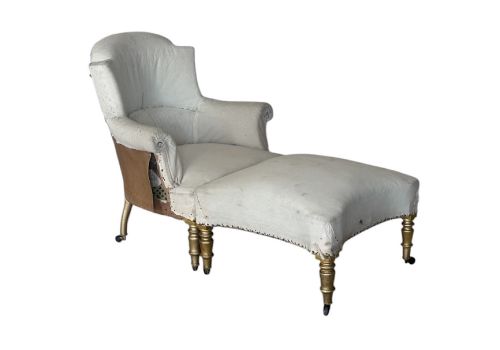
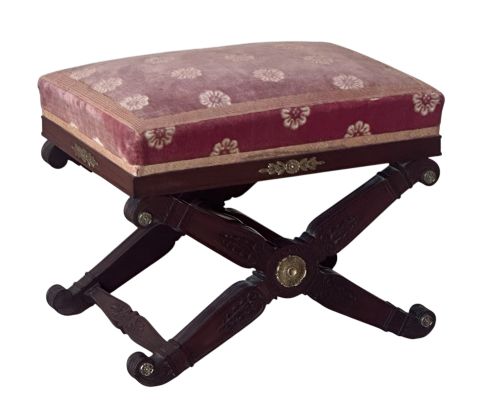
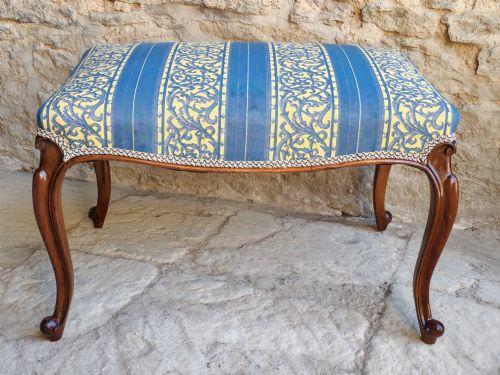
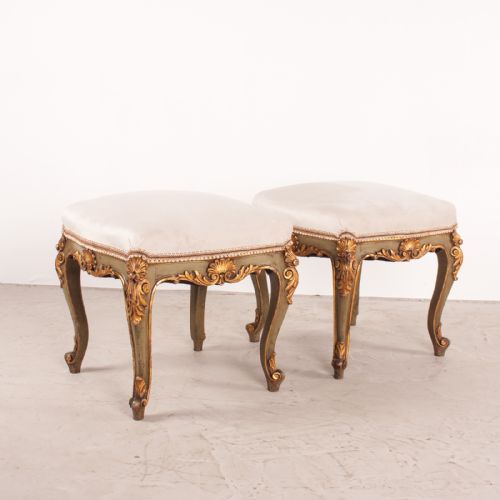
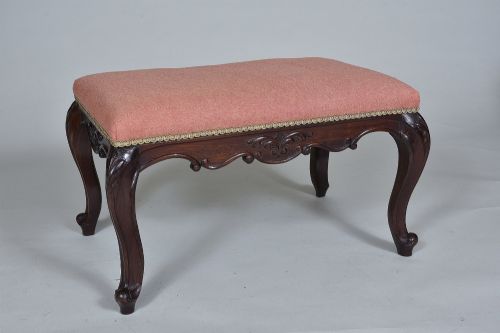
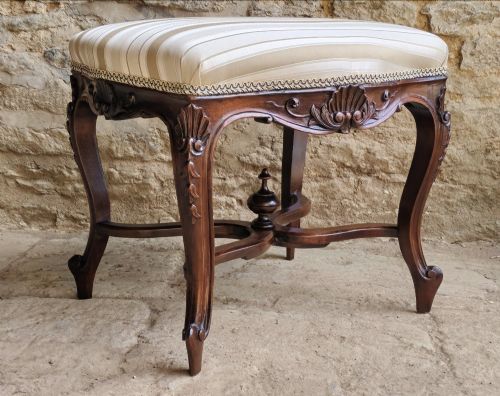
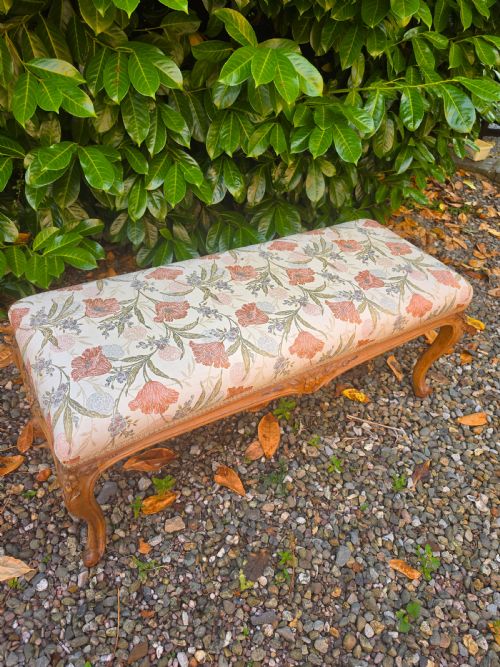
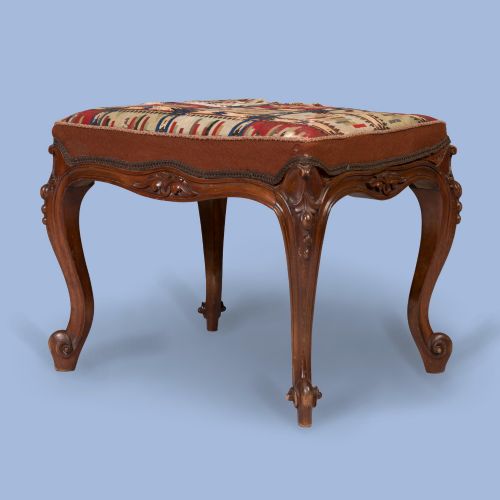
A 19th century French stool encompasses a diverse array of domestic seating, ranging from low footstools and ottomans to piano stools and window seats. Buyers frequently encounter pieces displaying stylistic influences from the Empire, Rococo Revival, and Louis XV periods, reflecting the historicism popular during the era.
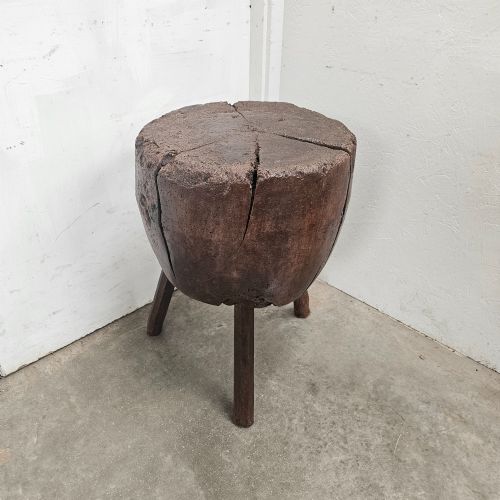
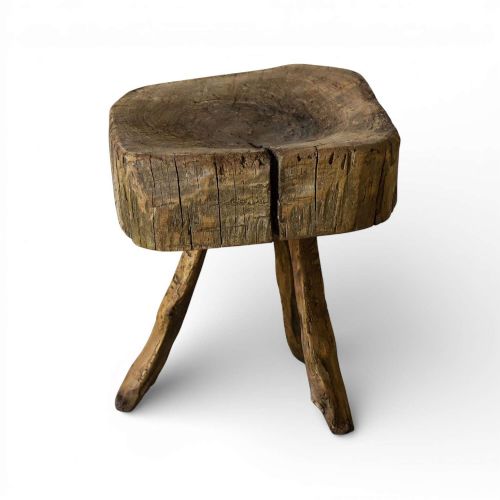
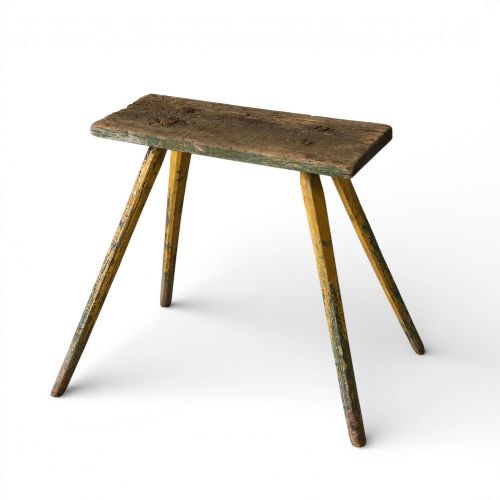
The selection bridges formal salon seating and robust provincial work furniture. Alongside gilded and carved walnut framework meant for drawing rooms, the evidence includes rustic milking stools, elm chopping blocks, and beech game blocks originating from French country workshops.
Materials and Construction
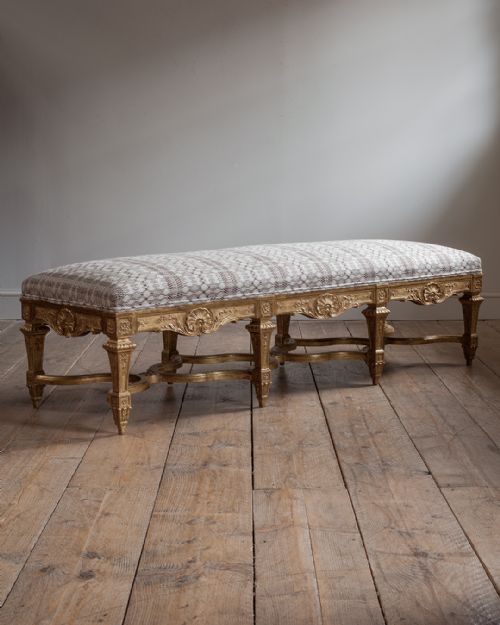
Cabinetmakers and rural joiners utilised native hardwoods such as walnut, mahogany, oak, beech, and fruitwood to construct the structural frames. Giltwood, painted finishes, and parcel-gilt details frequently appear on formal urban seating, while vernacular pieces retain exposed timber or original paint layers.
Upholstery forms an integral part of the construction, utilising textiles like velvet, fabric, tapestry, needlework, and hessian. Frames often feature traditional joinery alongside hand-carved ornamentation, brass mounts, and X-frame supports.
Listings feature walnut, mahogany, and elm timbers alongside giltwood finishes and diverse textile upholstery.
Markers of Distinction
Quality in these pieces is dictated by the crispness of hand-carved detail on wooden frames and the integrity of the underlying structure. Giltwood and parcel-gilt examples rely on the depth of the carving and the preservation of the original surface gilding.
Provincial pieces are judged by the honesty of their construction and wear, where original paint surfaces and the patination of timber add significant character. The survival of period upholstery, original needlework, or maker stamps elevates specific examples within the range.
LOIDRAULT FRERES PARIS·a.m.e Fournier
The 19th Century French Stool Glossary
- Giltwood
- Wood that has been coated with a thin layer of gold leaf. This technique was widely utilised on formal salon furniture during the nineteenth century.
- X-frame
- A structural support formed by intersecting diagonal members resembling the letter X. This design provides both stability and classical aesthetic balance.
- Cabriole leg
- A furniture leg that curves outward at the knee and tapers inward toward the ankle, ending in a pad or foot. The shape imitates the natural leap of an animal.
- Parcel-gilt
- A decorative treatment where only specific portions of a wooden object are highlighted with gold leaf. It creates a subtle contrast against a painted or stained background.
- Needlework
- Hand-stitched textile work utilised for seat covers and upholstery. Period pieces often feature decorative botanical or geometric patterns created with wool or silk threads.
19th Century French Stool: Frequently Asked Questions
How do I identify the period of a French stool?
Dating relies upon stylistic cues, such as the heavy classical geometry associated with Empire design or the flowing asymmetry typical of Rococo Revival pieces. Examining the timber species, joinery methods, and wear patterns helps narrow down the decade of production.
Makers' stamps or labels, when present on the wooden frame, provide definitive historical markers. Comparing the upholstery webbing and secondary woods against known period examples further clarifies the manufacturing era.
Were these stools used in formal or rustic settings?
The inventory reveals a clear division between urban salon pieces and provincial utility items. Giltwood and carved walnut models belonged in formal drawing rooms, serving as window seats or footrests.
Meanwhile, elm chopping blocks and milking stools originated from rural farmhouses and workshops. Each category reflects the specific domestic or labour requirements of nineteenth-century France.
How should I integrate a antique stool into a modern room?
A compact footstool or piano stool functions effectively as flexible seating or a decorative surface in a living space. Their modest proportions allow them to sit beneath tables or beside armchairs without cluttering the floor plan.
Textiles like velvet or tapestry introduce tactile warmth and historic texture to contemporary interiors. Mixing provincial wooden blocks with refined furniture creates a balanced, layered aesthetic.