


19th Century French Lamps
When searching for 19th century french lamps, collectors encounter decorative lighting pieces that bring period character and refined illumination to interior spaces.
19th Century French Lamps
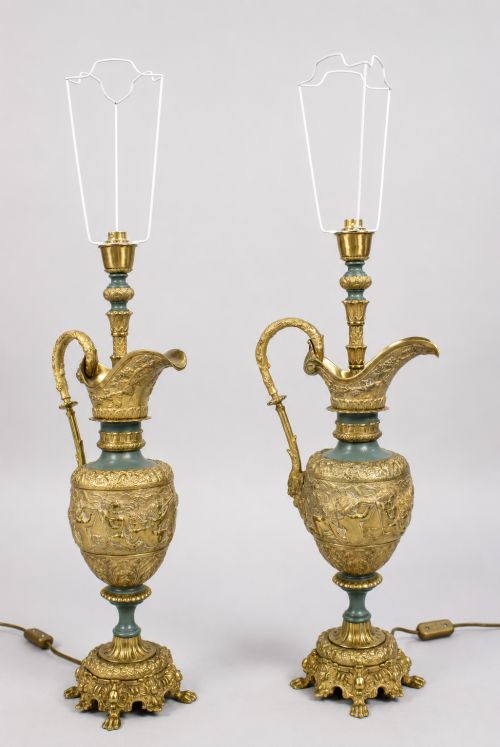
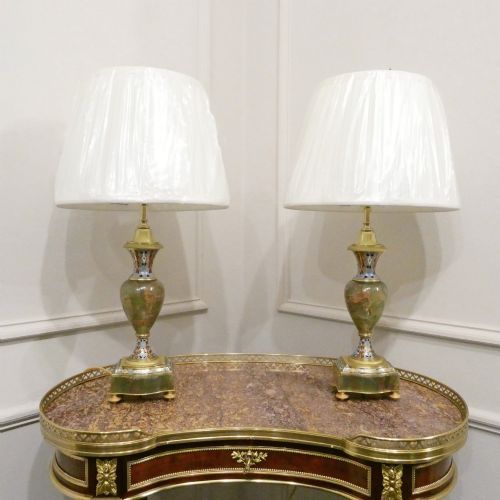
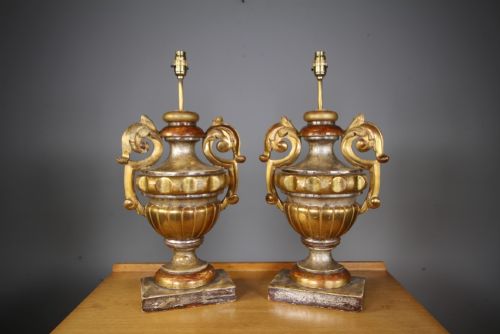
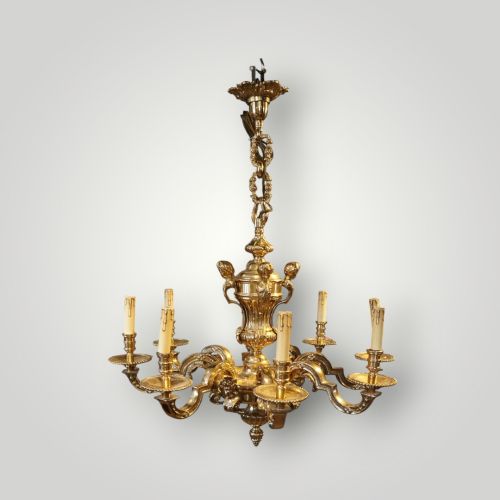
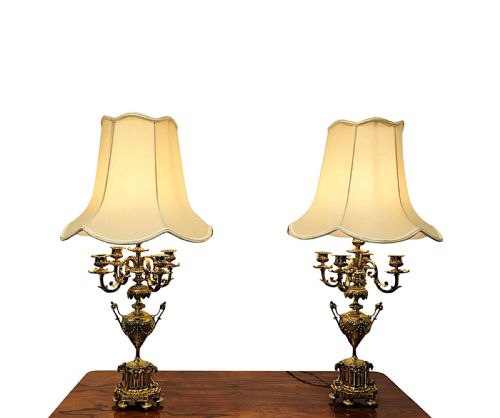
When exploring 19th century french lamps, buyers find a diverse selection of lighting fixtures originating from France during the eighteen hundreds. The objects listed include table lamps, urn lamps, and chandeliers, often presenting forms influenced by classical antiquity and revival styles.
Many examples originate from later decades like 1880, 1890, and 1900, alongside earlier Regency periods and mid-century items. Alongside standard table lighting, the selection encompasses converted candelabra and oil lamps adapted for modern electrical use.
How They Were Made
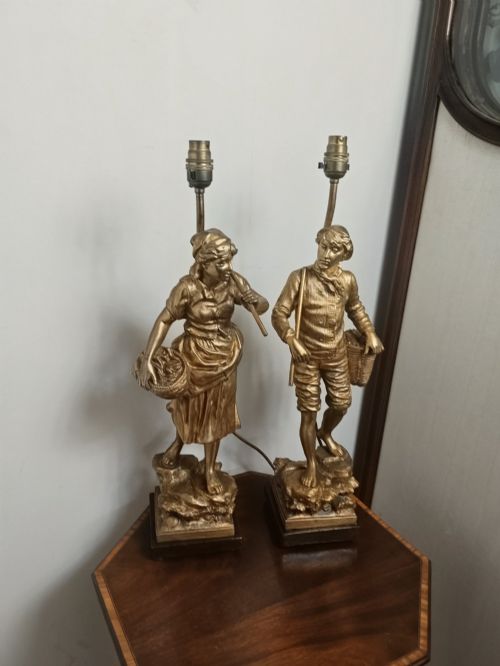
The construction of these pieces relies heavily on cast metals such as bronze, brass, and gilt ormolu, frequently paired with natural materials like marble, onyx, and various hardwoods including mahogany and walnut. Artisans utilised sophisticated metal casting and chasing techniques to achieve detailed figural and architectural motifs.
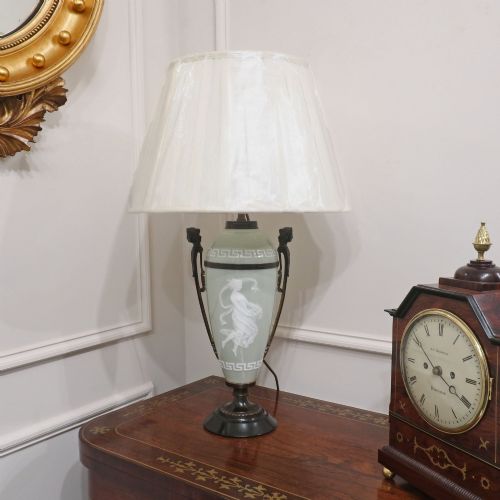
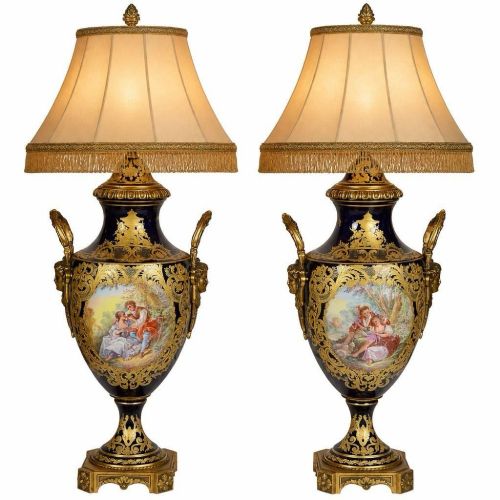
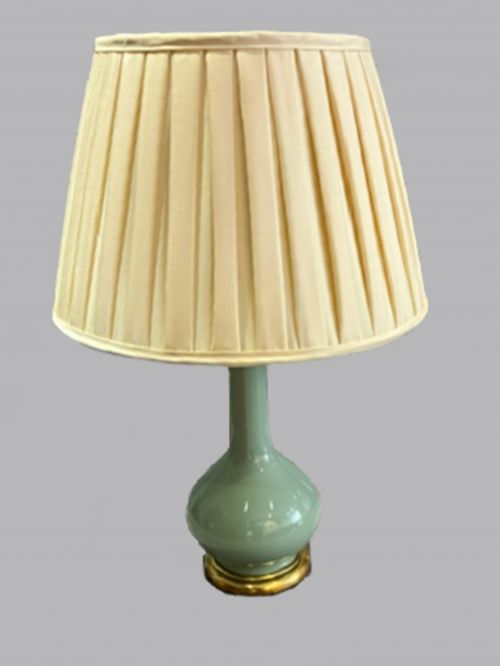
Ceramic elements like Sevres style porcelain, celadon, and pate sur pate feature prominently in the bodies, combined with metal mounts. Many lighting fixtures incorporate glass components, crackle ware, or fabric shades to complete the design.
The inventory spans the nineteenth century through the early twentieth century, incorporating French Empire and Rococo Revival aesthetics.
What Varies in Quality
Quality differences emerge in the crispness of the bronze or ormolu casting and the depth of the hand-chased surface details. Superior examples exhibit finely articulated figures, well-fitted mounts, and carefully selected natural stones without heavy structural compromises.
The integration of decorative elements, such as porcelain bodies with hand-painted details or matched pairs of marble urns, distinguishes finer workshop productions from standard commercial output.
François Linke·E Rousseau
The 19th Century French Lamps Glossary
- Ormolu
- Gilt bronze ornamentation applied to furniture and lighting. This technique involves coating a metal object with a finely ground gold-mercury amalgam and heating it to leave a rich golden layer.
- Pate Sur Pate
- A ceramic decoration method where successive layers of liquid clay are applied to a contrasting body to create a low relief cameo effect. The process requires great skill from the ceramicist.
- Gueridon
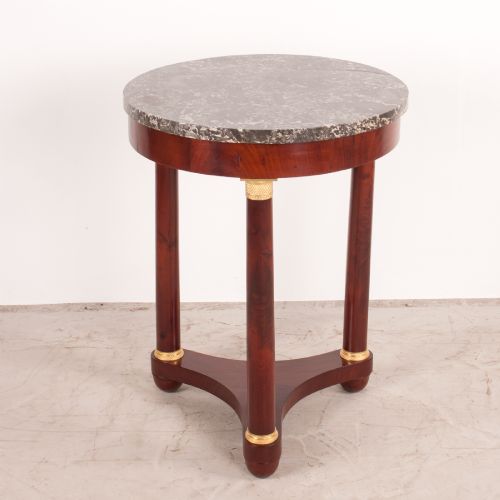
- A small round table supported by one or more columns, often utilised for displaying lighting or decorative objects. These tables frequently feature marble tops and brass details.
- Champleve
- An enamelling technique where troughs are dug into a metal surface and filled with vitreous enamel before firing. The resulting patterns display vibrant colours beside polished metal lines.
19th Century French Lamps: Frequently Asked Questions
Were these lamps originally electric?
Most of these lighting fixtures began as oil lamps, candelabra, or candlesticks before later conversion to electricity. This adaptation process often involves running internal wiring through the original structural core.
Buyers frequently encounter pieces that have been rewired and tested to meet modern electrical safety standards while preserving the antique exterior components.
How are these lamps styled?
The aesthetic draws heavily from historical movements including French Empire, Neoclassical, and Rococo Revival. These styles incorporate symmetrical urns, classical figures, and ornate foliate motifs.
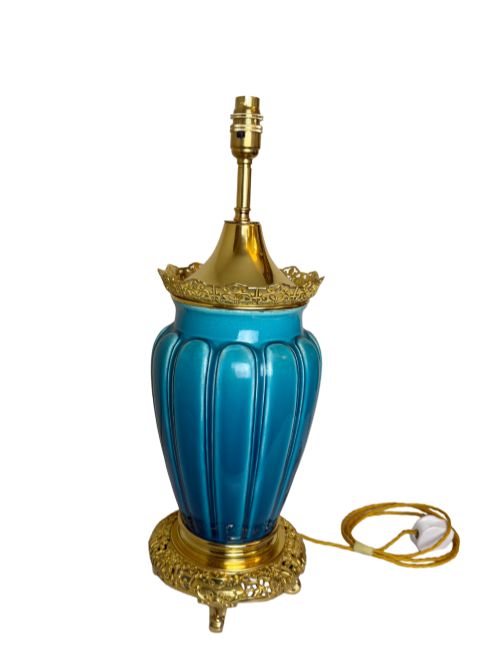
Makers also produced pieces influenced by the Chinese taste, utilising imported porcelain vases and pairing them with European metal mounts.
Where should I place a lamp?
These decorative objects function effectively on occasional tables, side tables, and bedside chests within a room. Their sculptural presence allows them to serve as focal points even when unlit.
Placement often depends on the scale of the base and whether the piece is designed as a standalone table lamp or part of a matching pair.
How do I identify the period?
Dating relies on stylistic cues, material combinations, and manufacturing techniques characteristic of specific decades within the eighteen hundreds. Pieces from the later nineteenth century often display eclectic revival designs.
Documentation, signatures, or specific ceramic marks can provide further confirmation of the approximate production era.