





19th Century French Engraving
19th century french engraving encompasses works spanning architectural plans, botanical studies, and classical prints from the Victorian era and earlier.
19th Century French Engraving
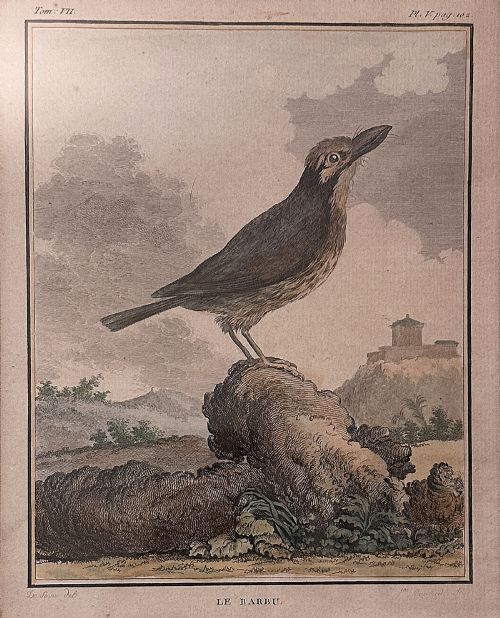
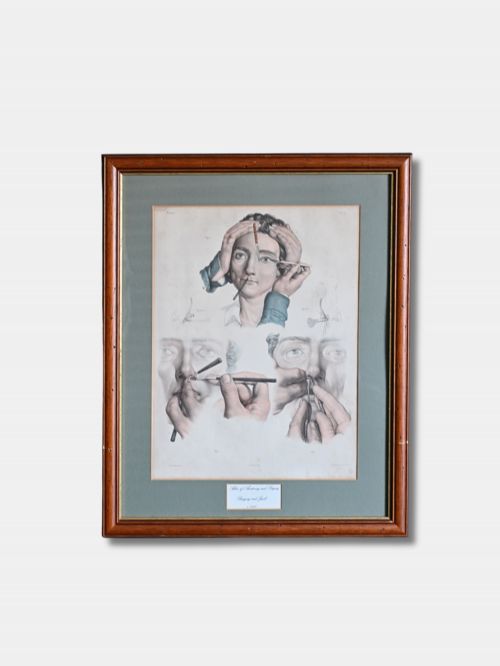
A 19th century french engraving comprises printed works, framed prints, and illustrated book plates originating from the eighteen hundreds. The selection includes botanical studies, classical scenes after artists like Pierre Buillon and Henri Chatillon, and Napoleonic military prints.
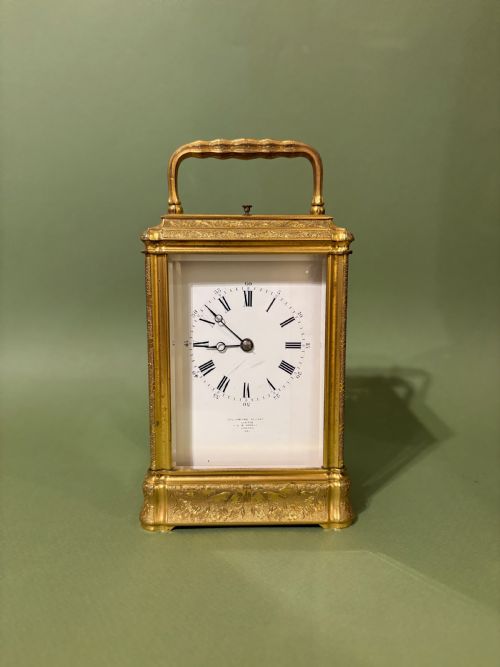
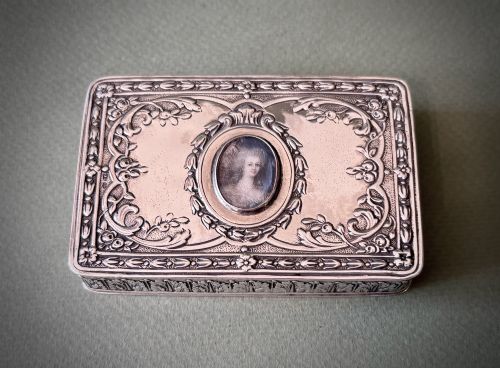
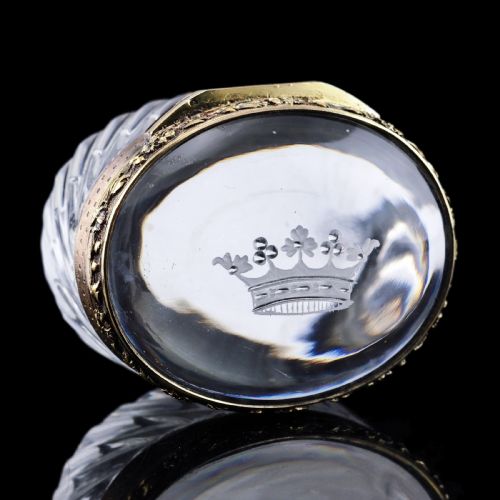
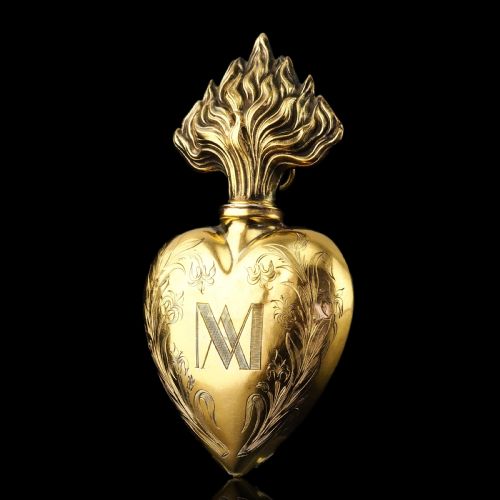
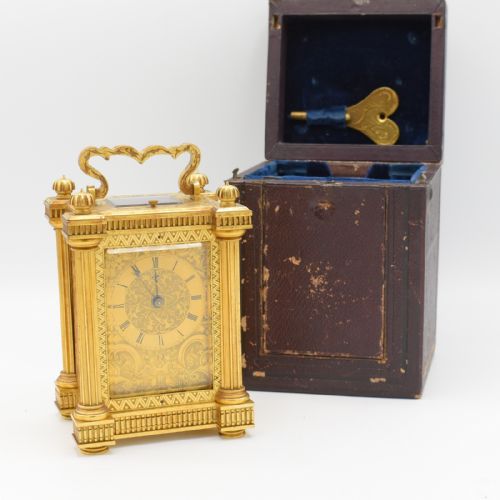
Buyers also encounter decorative objects where engraving serves as surface ornamentation, such as gilt brass carriage clock cases, solid silver snuff boxes, and scent bottles. These metalwork items share the period aesthetic of French nineteenth-century craftsmanship.
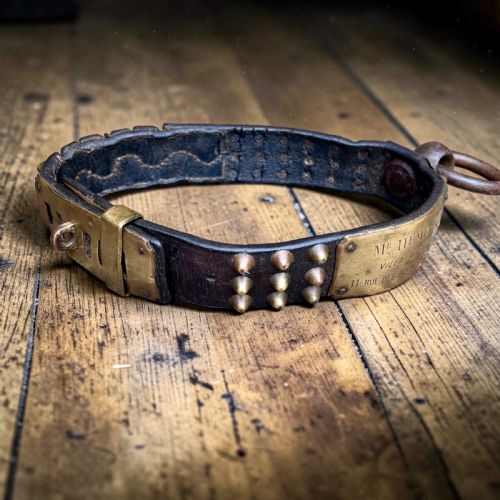
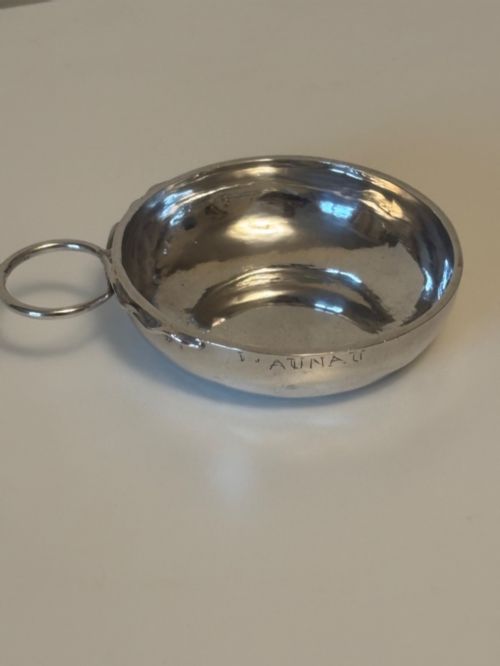
The material record includes paper prints alongside glass, enamel, brass, silver, and leather items decorated with fine lines. These pieces represent both wall art and functional domestic objects bearing period engraved decoration.
What varies in quality
The crispness of the lines in the print or metalwork dictates the visual strength of the piece. Crisp impressions on paper preserve the fine details of the original draughtsmanship, while deep, sharp incisions on silver and brass retain their definition over time.
The distinction between standard decorative items and exceptional works lies in the attribution to known artists, engravers, or makers. Signed plates, complete series, and carriage clocks by notable makers carry distinct historical documentation.
19th Century French Engraving Retail Price Guide 2026
Typical asking prices for 19th century french engraving among the pieces listed under this phrase on Sellingantiques today, from the lower quarter to the upper quarter. They describe what is for sale here now, not the wider market.
Listings feature works from the nineteenth century across paper, silver, gilt brass, glass, and enamel.
Henri Jacot·Howell And James·Pierre Fournerot·Margaine·Delépine Barrois·Charles Frodsham·Paul Garnier·Bourdin·Tiffany·Drocourt
The 19th Century French Engraving Glossary
- Engraving
- A printmaking technique where an artist cuts lines into a metal plate using a burin. The resulting incisions hold ink to produce a sharp printed image on paper.
- Lithograph
- A planographic printmaking method based on the chemical repulsion of oil and water. Artists drew on limestone slabs to produce runs of multi-coloured or tinted plates.
- Carriage clock
- A portable spring-driven timepiece developed for travel in the nineteenth century. Many examples feature fully engraved gilt brass cases and enamel dials.
- Niello
- A black metallic alloy used as a contrast inlay on engraved silver. Craftsmen fused the mixture into incised metal channels to create dark geometric or pictorial designs.
- Repeater
- A clock mechanism that chimes the hours and quarters on demand when a lever or pendant is pressed. These complex movements often sit within heavily engraved brass cases.
19th Century French Engraving: Frequently Asked Questions
What subjects appear in these nineteenth-century prints?
The works depict botanical studies, architectural plans, and classical scenes from the Grand Tour. Military subjects and historical portraits also form part of the recorded selection.
Buyers frequently encounter hand-coloured lithographs alongside monochrome plate series removed from nineteenth-century publications.
How do I care for framed paper prints?
Paper works require protection from direct sunlight to prevent the fading of hand-coloured pigments. Acid-free mounting materials help preserve the sheet over time.
Displaying prints away from sources of damp and heat maintains the stability of both the paper and the original frame.
What defines a carriage clock case?
Carriage clock housings consist of glazed brass or gilt brass frameworks designed to protect the movement during travel. Many feature elaborate hand-engraved scrollwork across the pillars and top plates.
Some examples incorporate enamel side panels depicting pastoral scenes or figures alongside the standard white enamel dials.
How are silver items distinguished by period?
French silver pieces from this era often bear standard control marks indicating purity, such as the head of Minerva for ninety-five hundredths silver. Maker marks stamped into the metal link specific items to Parisian workshops.
Engraved crests, monograms, and decorative niello borders provide further evidence of the manufacturing date and regional origin.