





Gilt Framed Historical Print
A gilt framed historical print brings centuries of narrative art and cartography directly onto the wall inside a polished gold border.
Gilt Framed Historical Print
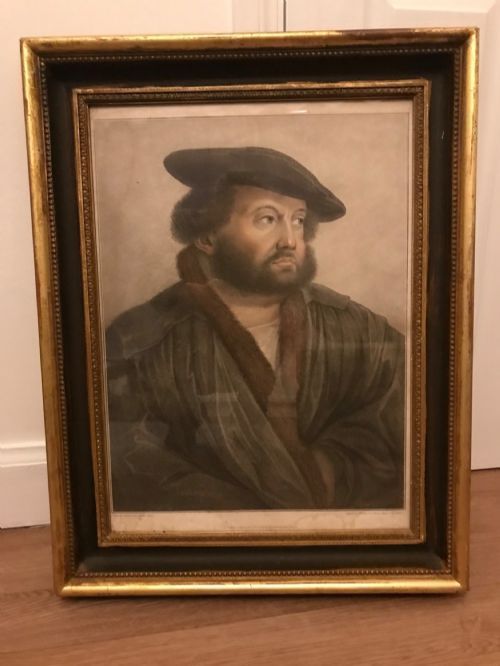
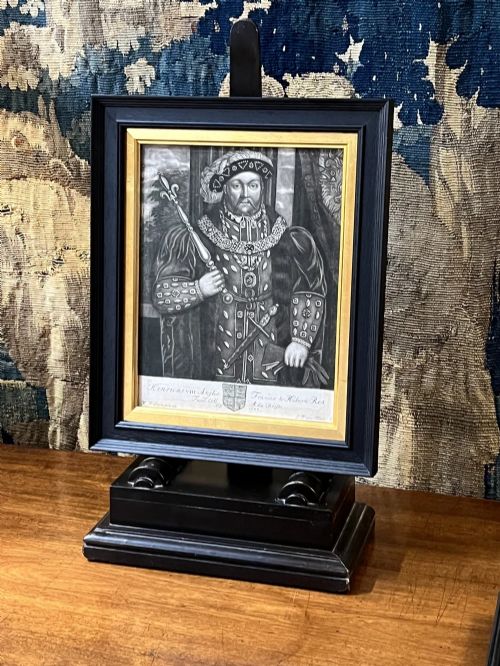
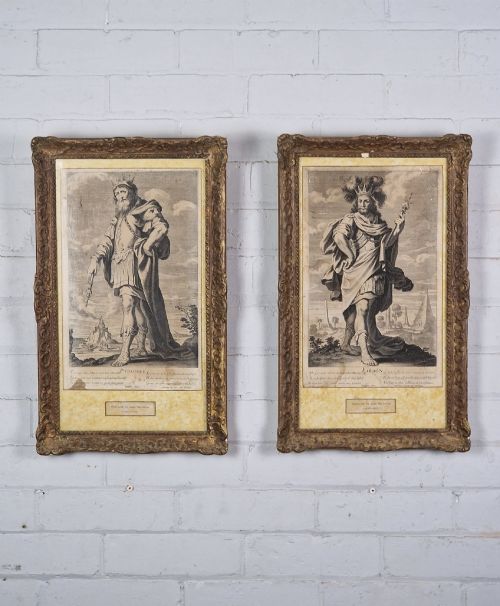
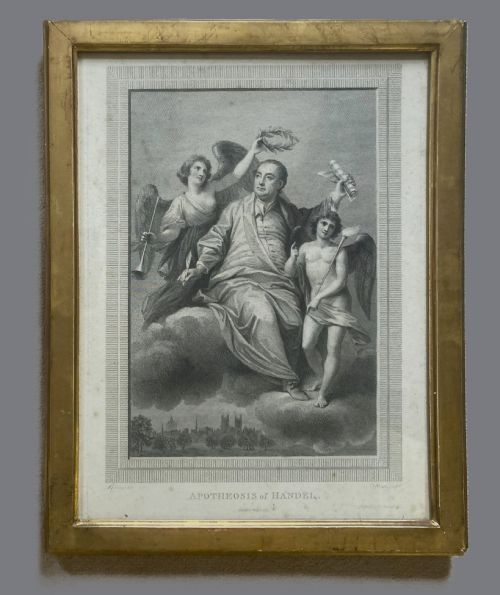
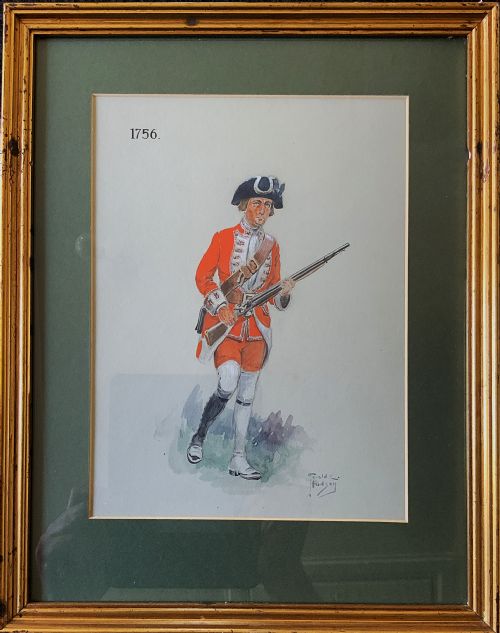
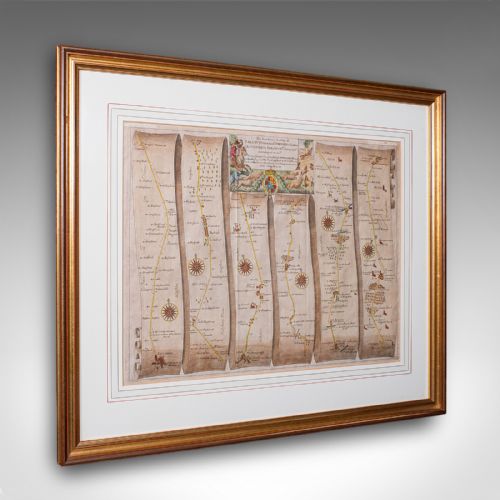
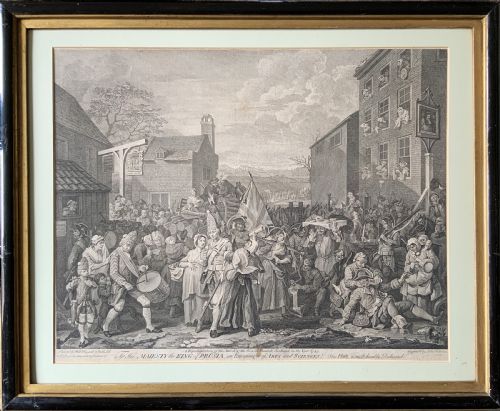
When you search for a gilt framed historical print, you encounter a diverse collection of wall art, framed prints, and framed maps spanning from the seventeenth century through the twentieth century. These pieces record portraits of historical figures, military scenes, political allegories, and county cartography.
The selections on this page are most commonly found in Georgian, Victorian, and Edwardian iterations, encompassing stipple engravings, mezzotints, etching, and hand-coloured lithography. Makers and publishers range from seventeenth-century cartographers to nineteenth-century royal portraits.
Subjects stretch from classic British soldiers and monarchs to Dutch world maps and French town views, unified by their protective wooden and giltwood housings.
How They Were Made
The visual works rely on traditional printmaking techniques such as engraving, etching, and lithography applied to paper using ink and watercolour. Many of these historical images were produced by transferring inked lines from metal plates or stones, occasionally finished with hand-applied colour.
The surrounds are constructed from wood finished with gold leaf or giltwood, framing the paper underneath protective glass. These ornate frames provide both structural support and the characteristic metallic lustre expected of the genre.
Gilt Framed Historical Print Retail Price Guide 2026
Typical asking prices for gilt framed historical print among the pieces listed under this phrase on Sellingantiques today, from the lower quarter to the upper quarter. They describe what is for sale here now, not the wider market.
Listings span from the 17th Century to the 1930s, featuring materials such as paper, glass, wood, gold leaf, giltwood, ink, and watercolour.
What Varies in Quality
Distinction across the range lies in the clarity of the plate impression and the depth of the gilding on the surrounding wood. Early impressions pulled directly from master plates retain sharper lines and finer tonal gradations than later copies.
The craftsmanship of the frame also dictates the overall standing of the piece. Deeply carved giltwood moulding paired with original glass elevates a work far above a simple wooden moulding finished with modern paint.
Francesco Bartolozzi·Jean Mariette·John Faber Snr·James Heath·William Hogarth·Luke Sullivan·Robert Morden·Johannes Janssonius·W Roffe·Emanuel Bowen·David Wilkie·Frank Wood
The Gilt Framed Historical Print Glossary
- Stipple engraving
- A printmaking method using dots to create tonal gradations and soft shadows. This technique allows for delicate rendering of flesh and fabric in portraiture.
- Mezzotint
- A tonal printmaking process where the copper plate is roughened to hold ink, producing rich dark areas and subtle highlights. It was frequently used for reproducing oil paintings.
- Giltwood
- Wood that has been coated with a thin layer of gold leaf or powder. It forms the lustrous border seen on traditional picture frames.
- Cartography
- The science and practice of drawing maps. Antique examples often feature decorative cartouches and hand-coloured county boundaries.
- Lithography
- A planographic printing process based on the repulsion of oil and water. Artists draw directly onto a limestone slab or metal plate to produce the image.
Gilt Framed Historical Print: Frequently Asked Questions
How do I date a gilt framed historical print?
Dating relies heavily on the printing technique, the paper stock, and the style of the accompanying cartography or portraiture. Typography, engraver signatures, and biographical details of the depicted subject also help narrow the timeframe.
The surrounding frame can provide further clues, though frames are frequently replaced over the centuries to match prevailing interior decoration tastes.
What is the difference between an engraving and a lithography print?
An engraving involves cutting lines directly into a metal plate with a sharp tool, resulting in crisp, indented lines on the paper. Lithography relies on a chemical process using a flat stone or metal plate.
Lithographs generally display softer lines and tonal washes rather than the distinct plate marks left by engraved metal sheets.
Are these historical maps original period pieces?
The maps listed originate from specific historical eras, ranging from seventeenth-century county atlases to eighteenth-century world plans. They were produced as working geographical references or decorative atlas plates at the time.
Cartographers such as Robert Morden and Emanuel Bowen created these works using copperplate engraving during their respective periods.
How should I care for a framed paper print?
Protect the paper and ink by keeping the piece away from direct sunlight, which can fade watercolours and discolour antique paper stocks. Maintain a stable indoor environment to prevent humidity fluctuations from damaging the frame and backing.
Dust the giltwood frame gently with a dry cloth and avoid using liquid cleaners directly on the gold leaf or the glass.