
19th Century French Enamel
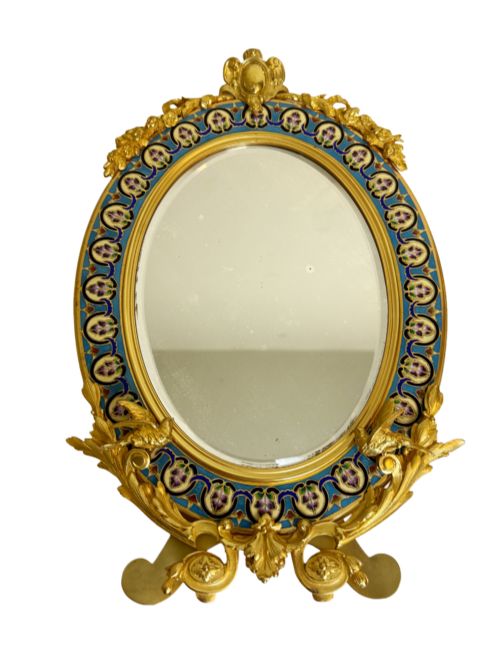
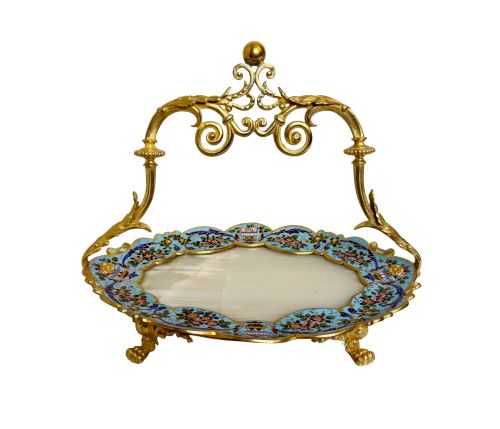
These pieces of 19th century french enamel combine heavy metalwork with vibrant fused glass details for desk, mantel and dressing table.
19th Century French Enamel
Buyers seeking 19th century french enamel encounter a diverse selection of decorative and functional objects produced during the Victorian, Napoleon III, and Second Empire periods. The range spans practical timepieces and vanity items to grand decorative centrepieces for the home.
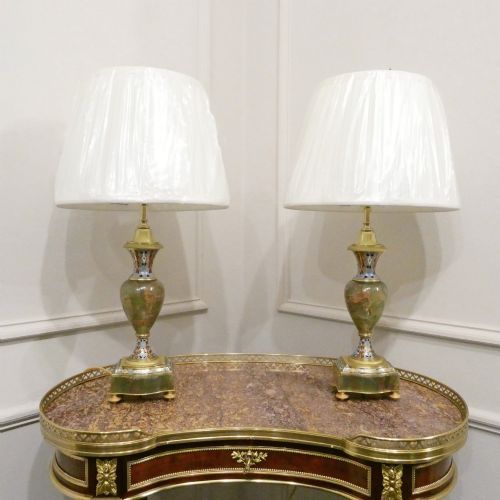
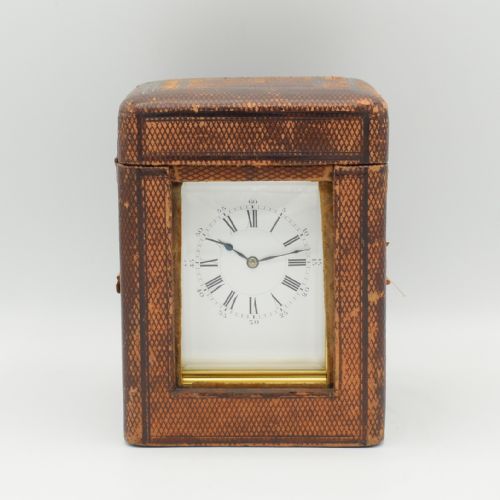
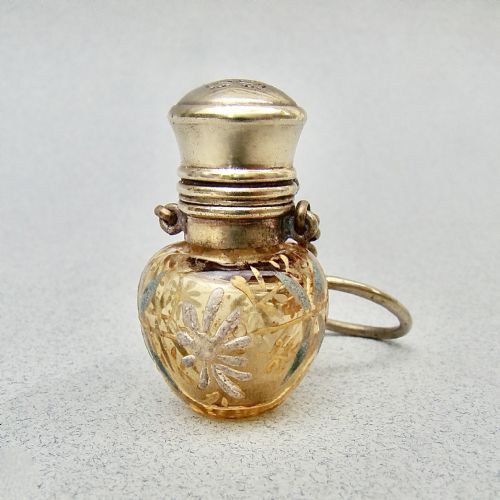
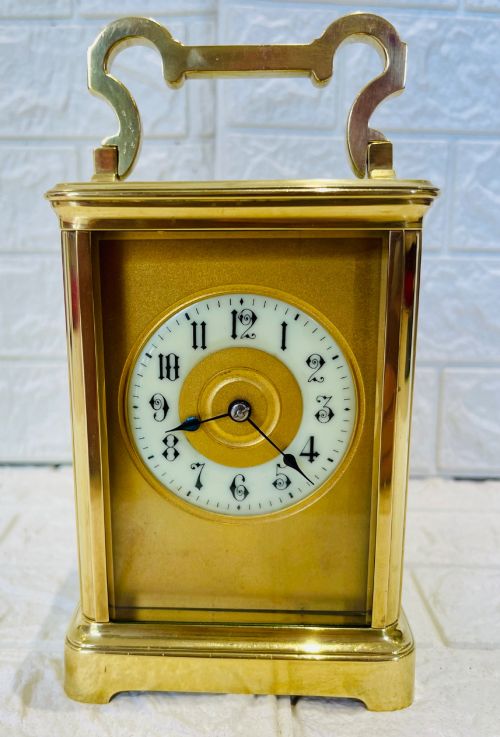
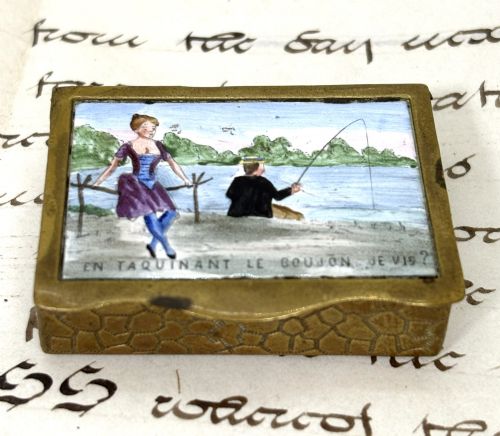
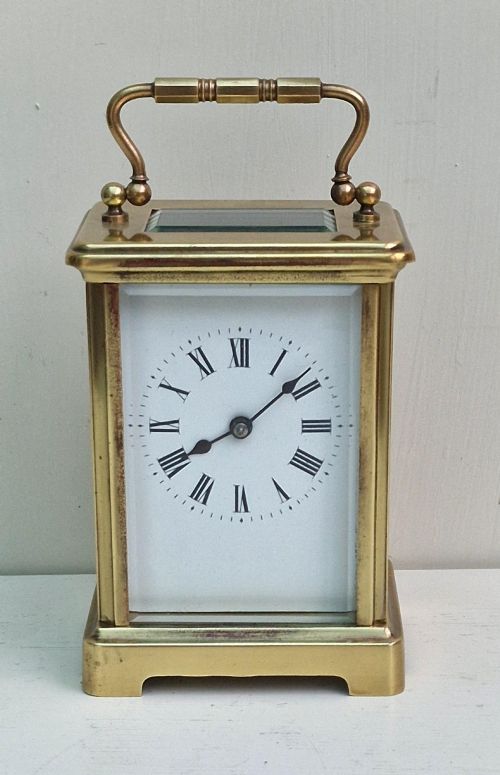
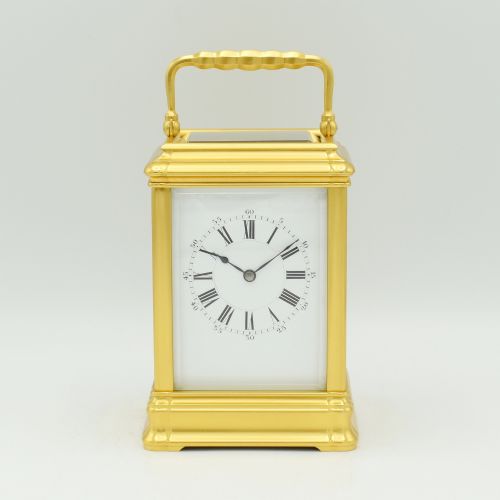
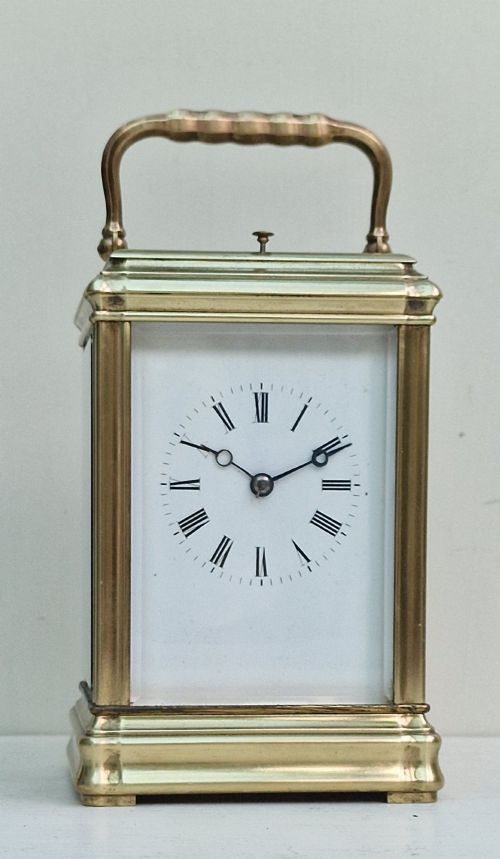
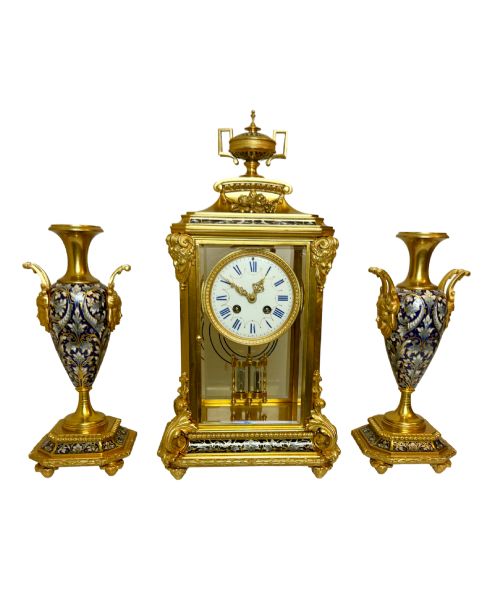
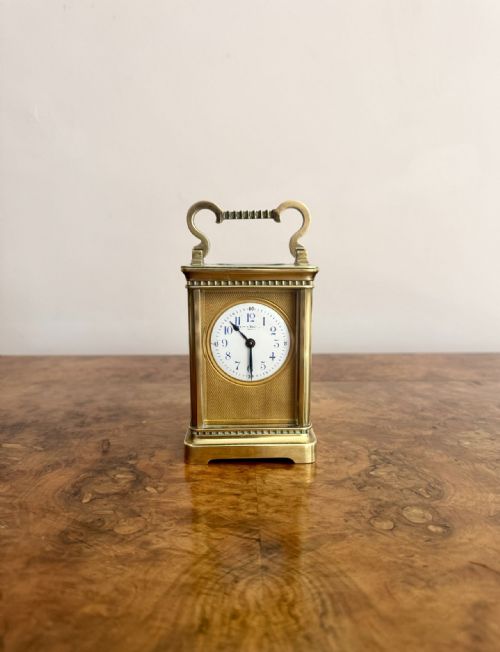
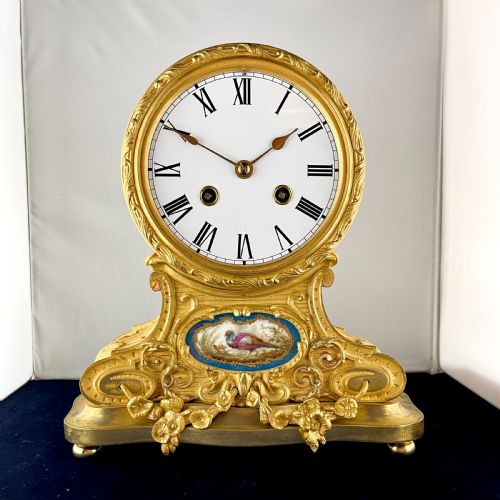
Carriage clocks and mantel clocks dominate the selection, frequently framed by polished brass, ormolu, and champleve enamel detailing. Alongside horology, trinket boxes, scent bottles, and tazzas appear in coloured glass and porcelain.
Makers and retailers such as Henri Jacot and Drocourt supplied precision timepieces housed in ornate metal and glass cases. Surviving examples reflect the lavish interior tastes of late nineteenth-century France, utilising rich materials for display.
How They Were Made
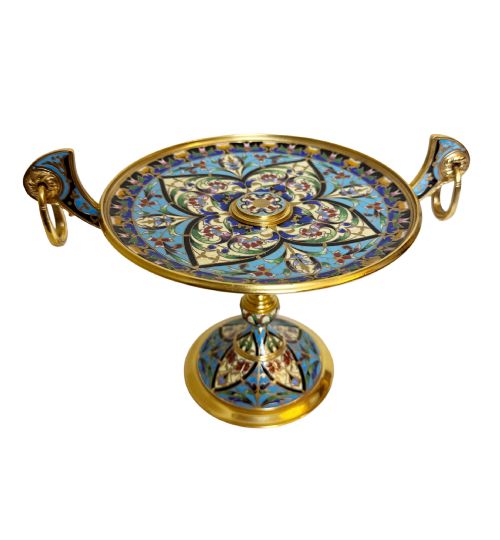
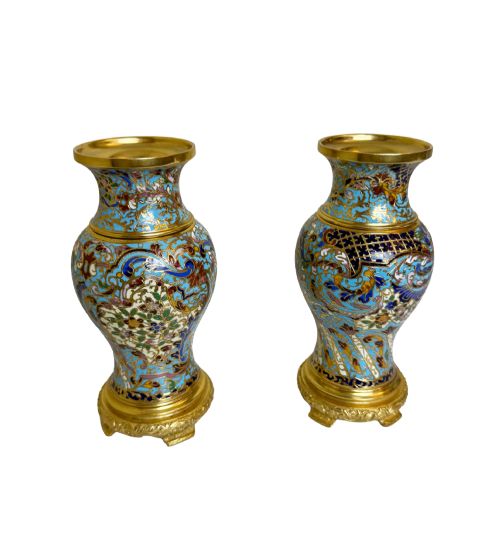
Makers constructed these objects using robust metal foundations of brass, bronze, and ormolu combined with cast mounts. Champleve techniques involved recessing troughs into the metal surface to receive coloured glass pastes before firing and polishing.
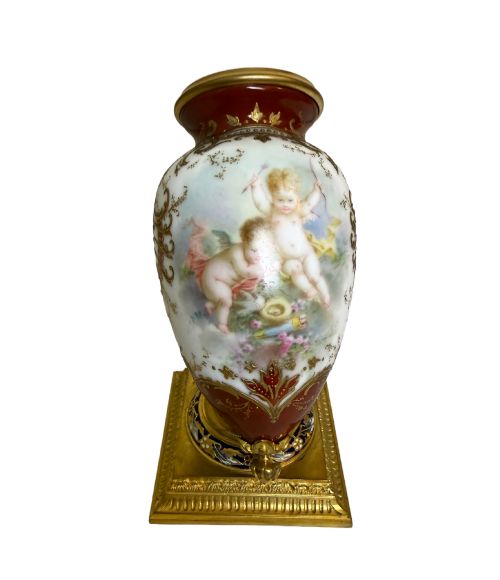
Glass vessels and trinket boxes utilised rich coloured bodies in blue, green, and amethyst tones, finished with hand-painted enamel and gilt detailing. Porcelain elements from Sevres provided smooth white surfaces for intricate painted scenes and floral motifs.
What Varies in Quality
Quality depends upon the crispness of the bronze casting and the depth of the enamel work within the metal cells. Precision in clock movements and the retention of original glass panels or mercury gilding separate standard production items from superior workshop output.
Signed clock makers and documented retailers command attention through superior mechanical refinement and heavier metal gauge housings. Painted porcelain and glass decorations show variation in artistic hand, with finer pieces displaying superior brushwork and colour saturation.
Henri Jacot·Drocourt Paris·T. Martin and Co·Pickford of London·Rodier
The 19th Century French Enamel Glossary
- Champleve Enamel
- A technique where troughs or cells are dug into a metal surface and filled with vitreous enamel powder before firing. This method produced the vibrant geometric and floral borders seen on many clock cases and trays.
- Ormolu
- Gilded bronze produced by applying a mercury and gold amalgam to a bronze base and heating until the mercury vaporised. The resulting finish provides a warm, durable golden lustre.
- Clock Garniture
- A matching set consisting of a central mantel clock flanked by matching decorative objects such as urns, candelabras, or vases. These suites created symmetrical arrangements on nineteenth-century mantelpieces.
- Tazza
- A shallow ornamental cup or bowl raised on a stem and foot. They appear in gilt bronze and enamel combinations for display use.
19th Century French Enamel: Frequently Asked Questions
What is champleve enamel?
Champleve is a technique where depressions are carved into a metal base like bronze or brass and filled with coloured glass powder. The piece is then fired in a kiln until the enamel melts and fuses to the metal.
After cooling, the surface is ground down and polished level with the metal borders to create crisp patterns and contrasting colours.
How do I wind a carriage clock?
Most antique carriage clocks utilise a double-ended key that fits square arbors on the underside or backplate of the movement. Turn the key gently in the correct direction until resistance indicates full tension.
Avoid overwinding, as this can strain the mainspring and cause timing irregularities or mechanical damage to the gear train.
Are carriage clocks mechanical?
Nineteenth-century carriage clocks rely entirely on mechanical gear trains driven by mainsprings and regulated by a platform escapement. They require no electricity and operate through weighted or tensioned components.
Regular servicing by a horologist ensures the brass pivots and steel gears remain clean and functional over decades of use.
How do I clean antique enamel?
Enamel surfaces require gentle dusting with a soft, dry cloth to remove airborne particles without scratching the glass paste. Moisture should be avoided, particularly near clock movements, paper dials, and exposed metal mounts.
Harsh chemical solvents and abrasive polishes strip original gilding from brass frames and can permanently dull the fired enamel colours.