
19th Century French Box
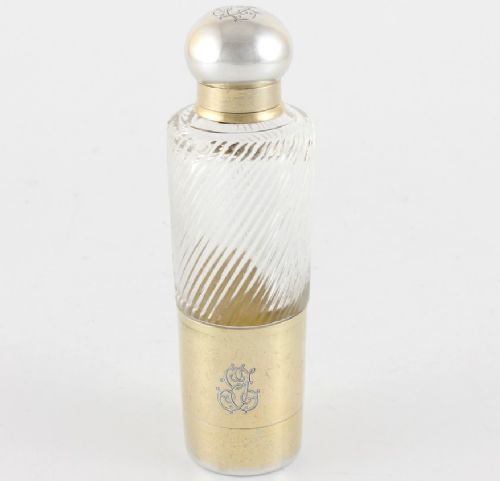
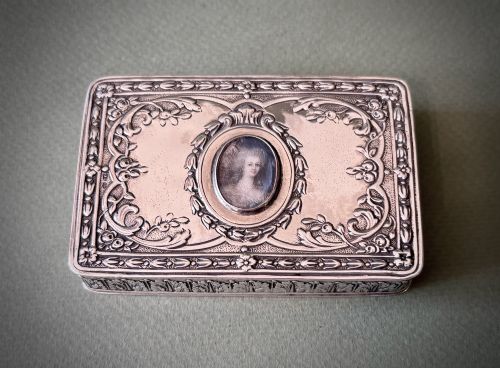
These pieces are a 19th century french box, crafted to hold trinkets, snuff, or precious bottles and sought after for their intricate metalwork and continental elegance.
19th Century French Box
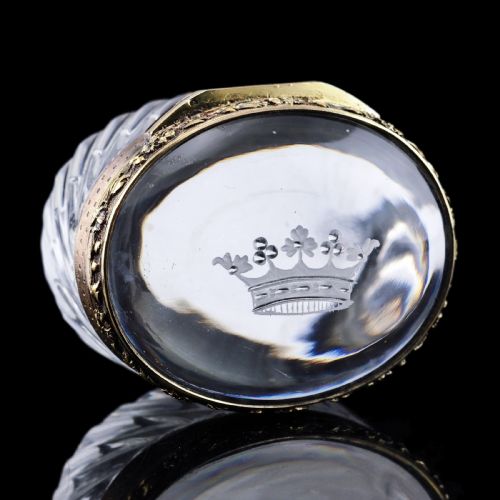
When searching for a 19th century french box, collectors encounter a diverse array of forms including trinket boxes, snuff boxes, and larger display caskets. These items span various periods of the nineteenth century, reflecting shifting domestic tastes across France.
The objects take many shapes, from small porcelain pill boxes to large crystal drinks cellars and sewing companions. Surviving examples demonstrate the utilitarian yet decorative nature of nineteenth-century French container craftsmanship.
How They Were Made
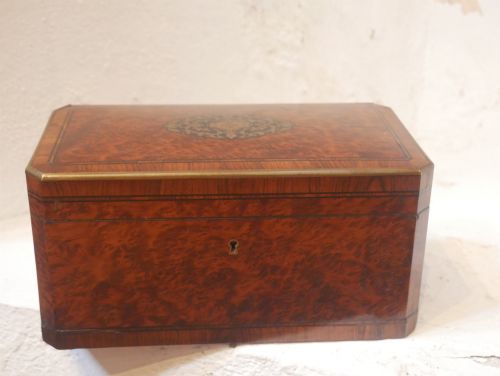
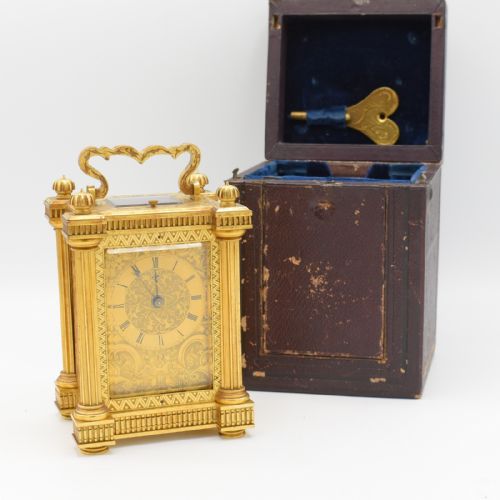
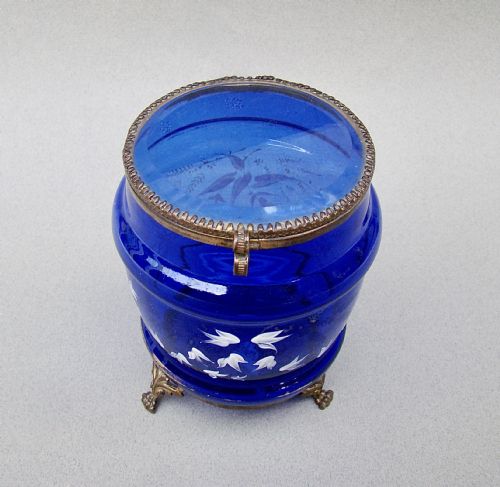
Maker workshops utilised a combination of brass, ormolu, and glass alongside woods such as kingwood, amboyna, and mahogany. Metal mounts were frequently cast and gilded to frame panels of porcelain or coloured glass.
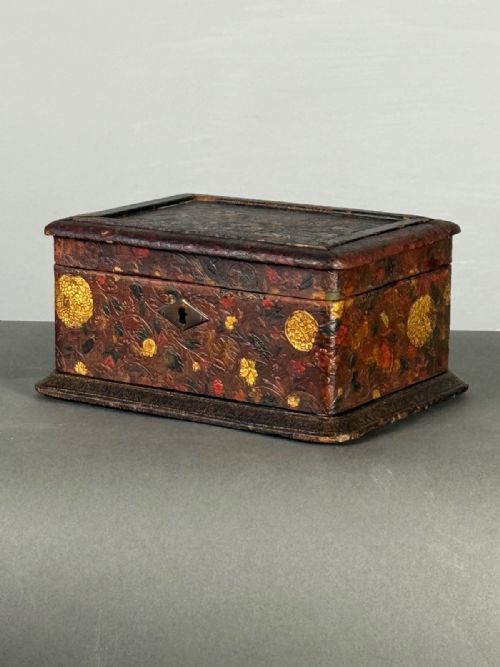
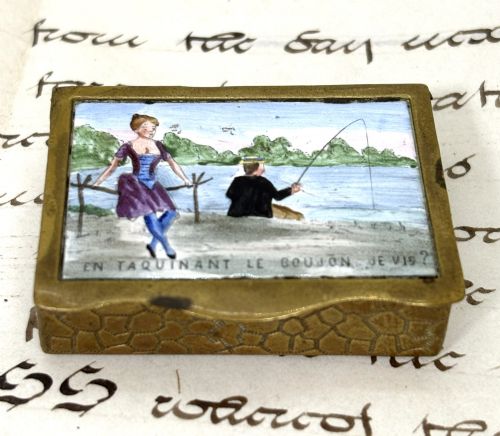
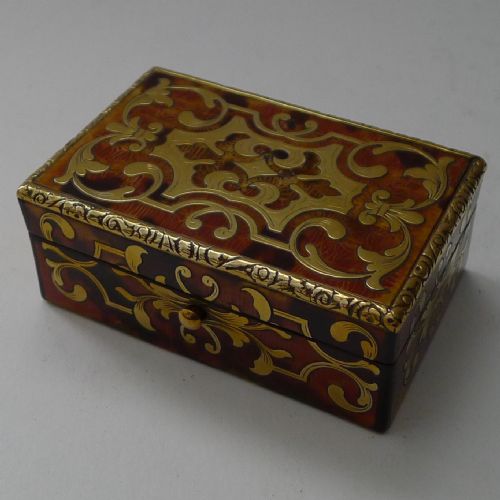
Surface decoration involved hand-painting, enamel work, and intricate brass inlay techniques like Boullework. Leather, tortoiseshell, and papier-mâché also served as primary substrates for smaller personal items.
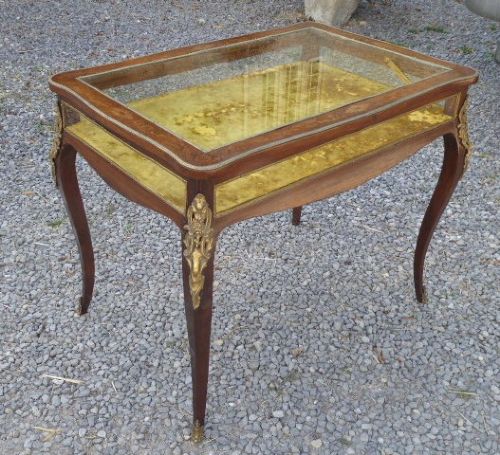
Available forms include trinket boxes, snuff boxes, display tables, jardinieres, clocks, and jewellery caskets originating from French workshops.
What Varies in Quality
The standard of execution separates standard containers from exceptional pieces, particularly in the crispness of ormolu casting and the precision of wood marquetry. Hand-painted porcelain panels and detailed enamel work indicate a higher grade of workshop production.
Material selection significantly influences overall merit, with solid precious metals, fine crystal, and exotic hardwoods commanding greater attention. The integration of maker signatures or specialised mechanisms further distinguishes superior examples.
Tahan Paris·Susse Freres Paris·Louis Francois Tronquoy
The 19th Century French Box Glossary
- Ormolu
- Gilded bronze used extensively for mounts, feet, and decorative framing on boxes and caskets. This technique provided a bright golden finish that emulated solid gold.
- Boulle
- Marquetry style employing brass and tortoiseshell inlaid into wood or papier-mâché grounds. It gained immense popularity during the Napoleon III period.
- Dragee Box
- Small container traditionally used for holding sugar-coated almonds given as gifts during celebrations. These delicate vessels often featured porcelain or painted enamel lids.
- Cave a Liqueur
- Fitted drinks box containing crystal decanters and glasses. These portable cellars were designed for secure transport and elegant indoor serving.
- Bijouterie
- Glass-topped display table or casket intended for showcasing small precious items and jewellery. They typically feature hinged lids and velvet-lined interiors.
19th Century French Box: Frequently Asked Questions
What were these small boxes used for originally?
These containers served various daily functions in the nineteenth-century household, from holding loose tobacco or snuff to securing personal letters and sewing implements. Many were designed specifically for vanity tables to store rings, pins, and cosmetics.
Larger variations functioned as portable drinks cellars or specialised desk accessories. Their dual purpose as decorative objects and practical storage made them staple accessories across bourgeois interiors.
How do I distinguish between different nineteenth-century French periods?
Distinguishing periods relies heavily on observing stylistic shifts in the decorative motifs and materials employed. Earlier pieces often reflect clean neoclassical influences, while mid-century examples lean towards ornate revival styles.
Later decades introduced distinctive glass colours and enamelling techniques, particularly around the eighteen-eighties and nineties. Comparing the specific ormolu mounts and wood types against known production dates helps narrow down the era of manufacture.
Are these boxes suitable for daily modern use?
Many of these pieces remain robust enough to hold small modern items such as jewellery, cufflinks, or keys on a dresser. Their historical linings and delicate hinges, however, require gentle handling during everyday opening and closing.
Placing them away from direct sunlight and excessive humidity preserves the vulnerable materials like enamel, tortoiseshell, and leather. Proper care ensures these antique containers continue functioning as functional desktop or vanity storage.
What materials are most common in French antique boxes?
Wood forms the primary body for many surviving containers, utilising exotic veneers such as kingwood, mahogany, and burr walnut. Ormolu mounts and glass panels frequently accent these wooden structures to enhance their visual appeal.
Porcelain, papier-mâché, and brass also appear regularly across different object types and functions. Enamel and crystal represent the finer end of material choices found in decorative table wares.