



Neoclassical Trinket Box
These neoclassical trinket box examples range from delicate jasperware patches to grand marble caskets, offering small-scale elegance for your dressing table.
Neoclassical Trinket Box
A neoclassical trinket box brings classical restraint and symmetry to small personal containers, drawing on motifs from antiquity. When you search for a neoclassical trinket box, you encounter pieces designed to hold rings, pins, snuff, or patches.
The selections span the eighteenth century, the nineteenth century, and the Edwardian era, taking forms such as circular patch boxes, rectangular ring boxes, and sarcophagus caskets. French neoclassical pieces sit alongside English iterations and German silverwork.
Domestic items include Wedgwood jasperware and inlaid wooden boxes, while grander versions utilise Siena marble and precious metals. Each object serves as a functional container shaped by classical architectural vocabulary.
How they were made
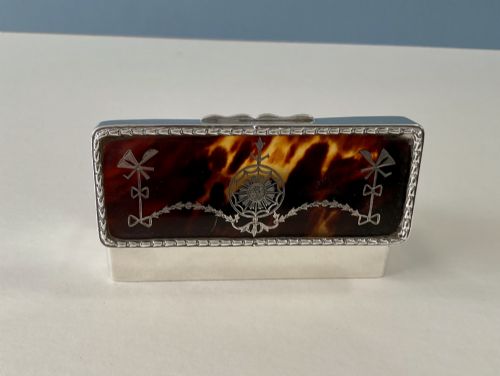
Maker workshops employed high-purity silver, vermeil, and vari-coloured gold, often combining precious metals with organic materials like tortoiseshell. Hinged lids required precise metalworking to ensure a flush fit against the body of the box.
Ceramic examples relied on stoneware and jasperware techniques, producing contrasting white classical reliefs against blue grounds. Stoneware bodies were pressed into moulds and applied by hand to the surface of the vessel.
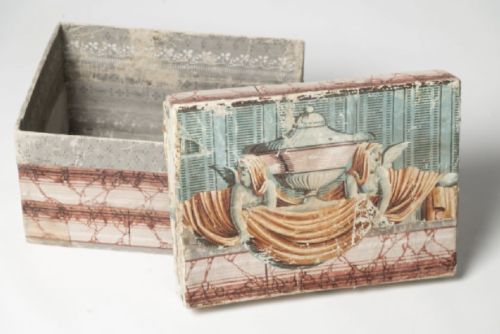
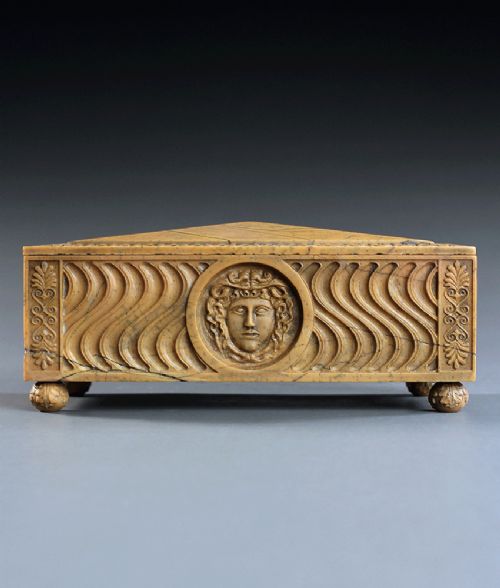
Lapidary skills shaped hardstones such as Siena marble into architectural forms, while paper and cardboard provided the substrate for lighter decorative containers. Inlaid woodwork utilised contrasting veneers to achieve geometric and classical border patterns.
Neoclassical Trinket Box Retail Price Guide 2026
Typical asking prices for neoclassical trinket box among the pieces listed under this phrase on Sellingantiques today, from the lower quarter to the upper quarter. They describe what is for sale here now, not the wider market.
Object forms range from circular patch boxes and ring boxes to grand Grand Tour sarcophagus caskets.
What varies in quality
Quality rests in the crispness of the classical details, from the sharpness of jasperware reliefs to the precision of silver hinges and bezels. Superior examples demonstrate deliberate selection of materials, such as richly figured tortoiseshell or finely polished marble.
The execution of closures and interior linings marks the distinction between workshop levels. A well-constructed box maintains structural alignment over centuries, whereas lesser pieces suffer from loose mountings or degraded interior fabrics.
Posen of Frankfurt and Berlin·Wedgwood
The Neoclassical Trinket Box Glossary
- Jasperware
- A type of fine-grained, unglazed stoneware developed by Wedgwood, typically featuring white classical reliefs against a coloured ground. It remains one of the most recognisable ceramic surfaces from the period.
- Vermeil
- Sterling silver that has been heavily plated with gold. This technique provides the rich warmth of solid gold while utilising a silver core.
- Siena marble
- A yellow-gold ornamental marble featuring dark grey or purple veins, quarried in Italy. It was frequently utilised during the Grand Tour for architectural caskets and desk ornaments.
- Snuff box
- A small, pocket-sized container designed to hold dry powdered tobacco. These pieces often feature tight-fitting lids to preserve the contents.
- Patch box
- A small container originally used to hold cosmetic silk patches worn on the face. They frequently incorporated interior mirrors in the lid.
Neoclassical Trinket Box: Frequently Asked Questions
What were neoclassical trinket boxes used for?
These small containers stored precious personal items including rings, pins, and cosmetics. Wealthier owners used specific boxes for scented snuff or small silk face patches.
Over time, their roles shifted from daily utility to cabinet display pieces. Their compact size made them suitable for dressing tables and writing desks.
How do I identify a nineteenth-century box?
Nineteenth-century examples often display Victorian or Edwardian stylistic interpretations alongside period hallmarks on metal mounts. The weight of the materials and the construction of the hinges offer strong chronological clues.
Examining the underside and interior lining reveals manufacturing methods specific to the 1800s. Maker marks, where present, help pinpoint the exact decade of production.
Are these boxes made of solid silver?
The metal components vary between sterling silver, silver-gilt vermeil, and gold alloys. Some pieces combine precious metals with organic elements like tortoiseshell or glass.
Checking for hallmarks on the bezels or rims clarifies the metal standard. Many boxes utilise silver primarily for structural mounts rather than the entire body.
How do I care for antique marble and jasperware?
Marble and stoneware require gentle dusting with a dry, soft cloth to protect their surfaces. Moisture can damage unglazed ceramics and older paper linings.
Keep these pieces away from direct sunlight and sudden temperature changes. Proper placement prevents the warping of wooden elements and safeguards delicate stone mounts.