
19th Century Form
Navigating a search for 19th century form reveals an eclectic mix of furniture, snuff boxes, and novelty items shaped by historical design.
19th Century Form
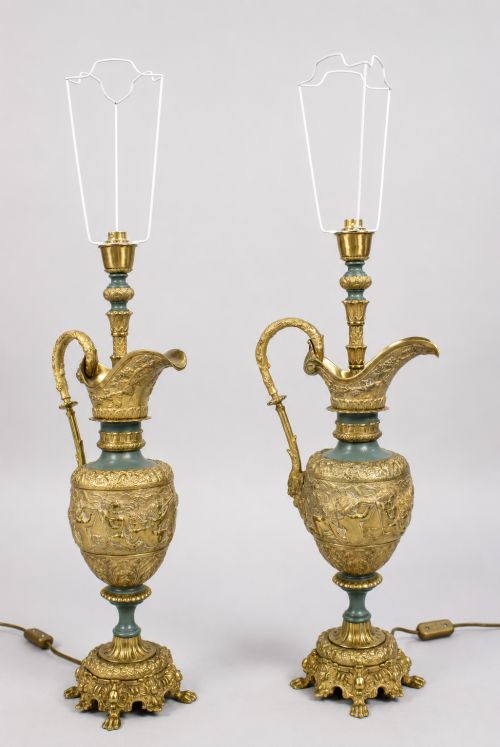
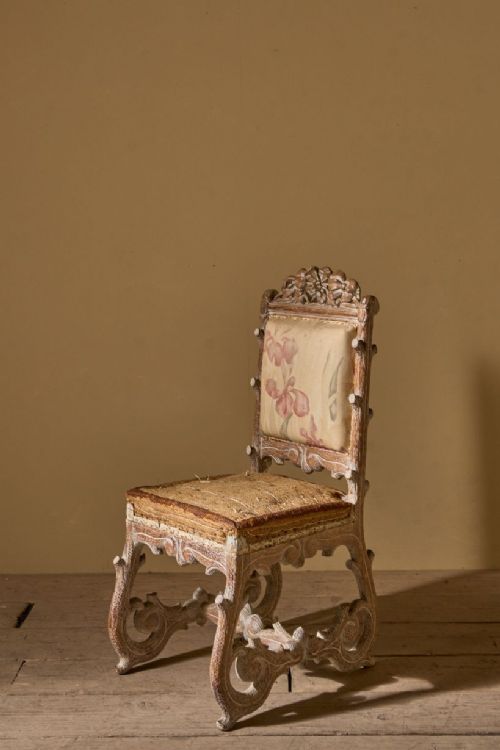
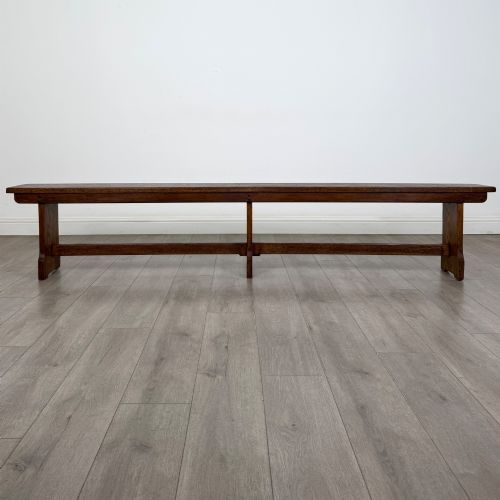
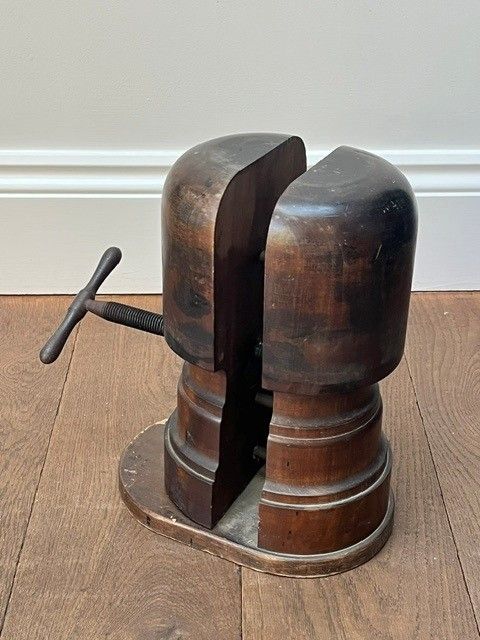
When buyers search for 19th century form, they encounter objects spanning seating, tables, snuff boxes, and decorative vessels produced across the Victorian, Georgian, and Regency periods. The inventory includes utilitarian benches, dining tables, and occasional tables alongside small-scale novelty items shaped like animals, hats, and books.
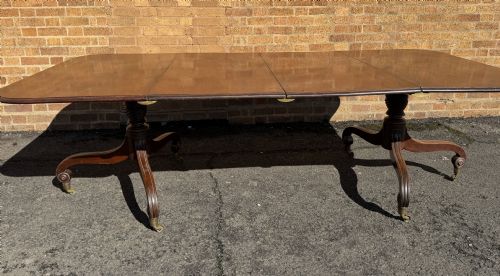
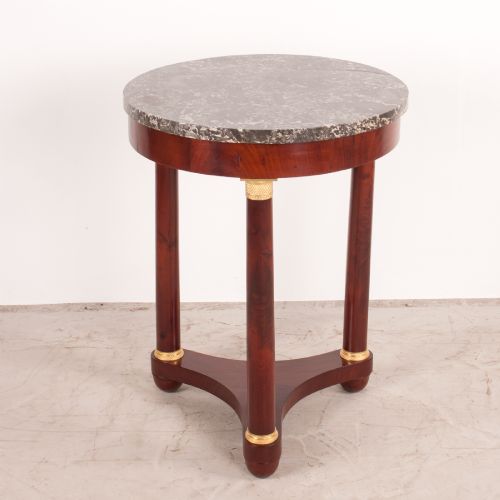
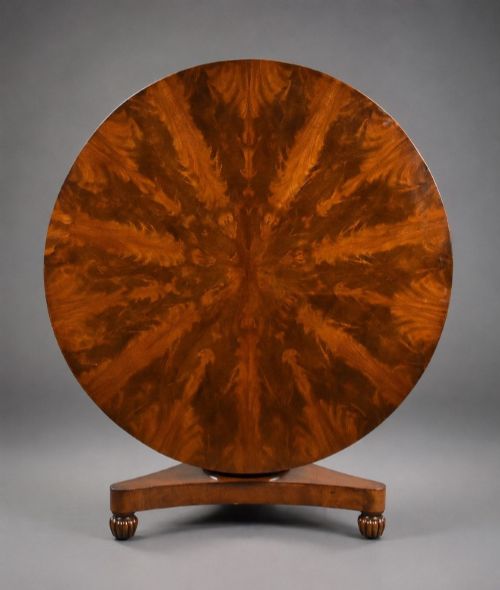
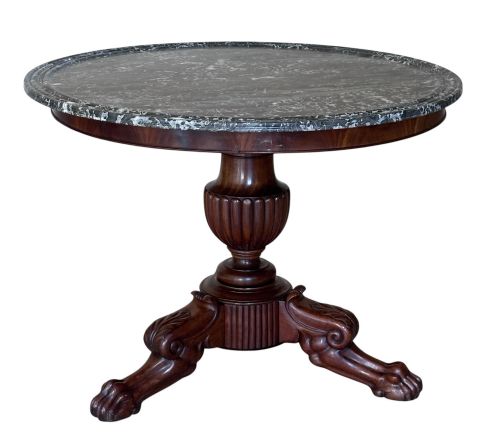
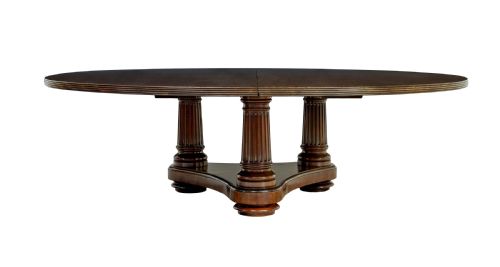
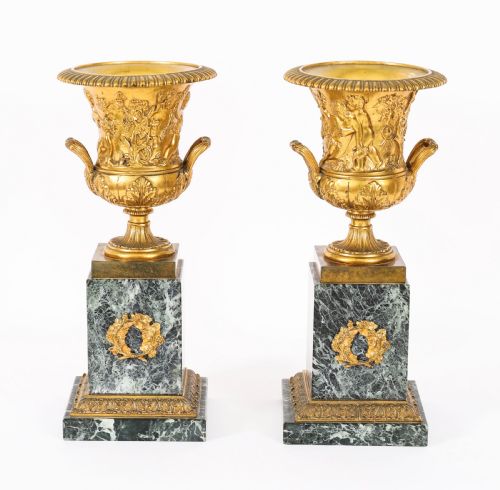
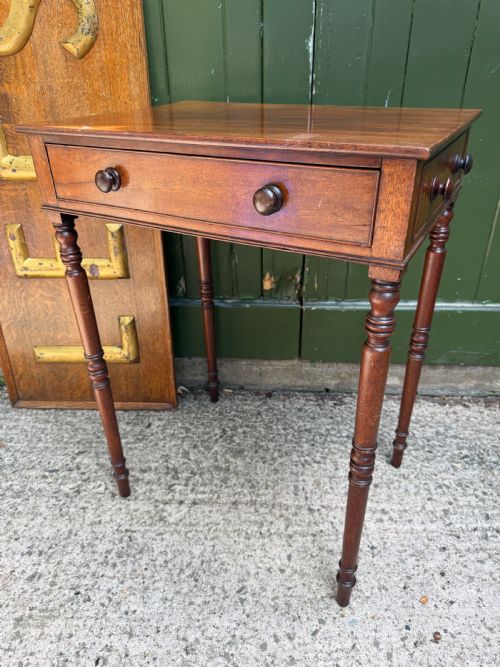
These pieces originate from British, French, and Asian workshops, shifting from architectural oak furniture to delicate inlaid tea caddies and gilt bronze urns. Tables range from twin-pillar dining models to pedestal gueridon designs with tri-form or quatre-form bases.
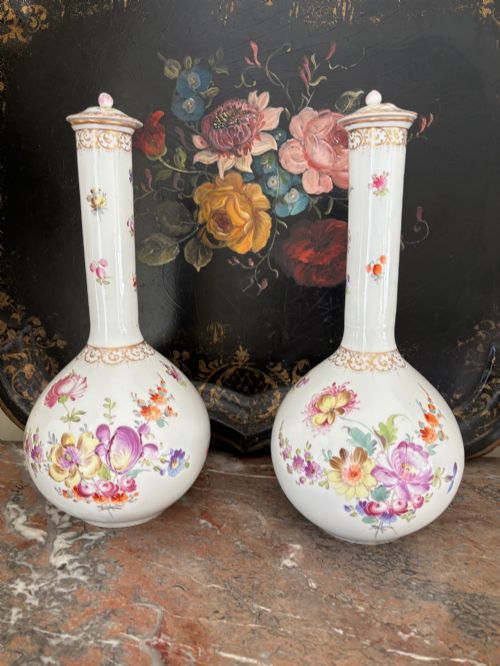
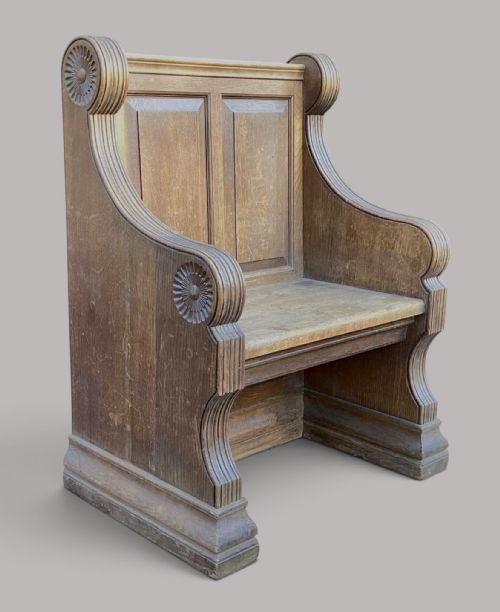
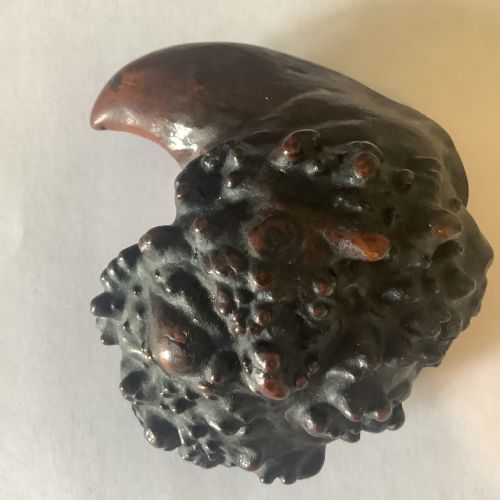
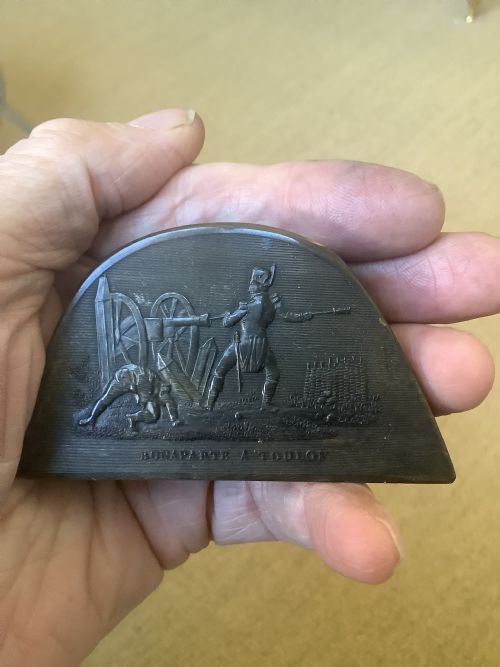
Novelty items form a distinct subset of the inventory, encompassing horn snuff boxes shaped as bicorn hats, treen fruitwood planes, and carved Black Forest bears. Decorative pieces like Sitzendorf vases and Coalport campagna urns sit alongside functional seating such as hall benches and refectory dining pairs.
How They Were Made
Makers utilised dense timbers such as mahogany, oak, walnut, rosewood, and fruitwood, often enhancing surfaces with burr veneers, marquetry, and parquetry satinwood inlay. Smaller novelty objects and boxes rely on precise hand-carving in linden wood, horn, and treen fruitwood.
Metalwork incorporates cast iron, brass, gilt bronze, and gilt metal, appearing on door knockers, door stops, and lamp bases through casting and gilding techniques. Ceramic items like porcelain vessels and Majolica centrepieces involve hand-painted floral decorations and moulded contours.
Structural joinery in larger pieces employs solid oak and mahogany for architectural hall seats and dining tables, while decorative accents utilise gesso and carved giltwood on mirrors and caskets.
A swordfish bill listed among the historical exhibits proves that nineteenth century collectors gathered marine oddities alongside fine mahogany furniture.
What Varies in Quality
Execution of detail separates standard utility pieces from exceptional works, visible in the depth of hand-carving on Black Forest animals or the precise geometry of parquetry inlay on tea caddies. Superior examples display crisp lines in gesso decorations, bronze castings, and chip-carved wooden boxes.
Material selection dictates the grade of an item, distinguishing dense burr walnut and flame mahogany from plain pine or secondary softwoods. Hand-painted ceramic pieces show variance in the fineness of floral brushwork and the clarity of glaze application.
Structural integrity and proportion influence desirability, particularly in multi-pillar dining tables, gueridon bases, and architectural seating where balance and scale dictate the success of the design.
Sitzendorf·Coalport·Guilmet
The 19th Century Form Glossary
- Gueridon
- A small French occasional table supported by one or more central columns, frequently featuring a round top.
- Sarcophagus form
- A box or tea caddy design shaped like an ancient stone coffin with a domed lid and sloping sides.
- Cartouche form
- An ornamental frame design resembling a rolled-up piece of paper with scrolling edges, commonly seen on mirrors.
- Treen
- Small handmade wooden household objects created by turners and woodworkers, including boxes, bowls, and planes.
- Campagna urn
- A bell-shaped decorative vessel on a pedestal foot, modelled after classical vases found at archaeological sites.
19th Century Form: Frequently Asked Questions
What defines a gueridon table?
A gueridon is a small French table supported by a central pillar, often constructed in mahogany or walnut during the nineteenth century. These pieces served as occasional tables or centre tables in salons.
They frequently feature circular tops and distinct support structures, including tri-form or quatre-form bases.
How were nineteenth century novelty boxes used?
Novelty boxes, including snuff boxes, humidors, and tea caddies, served practical storage functions for tobacco, tea, and personal items. Artisans carved them into imaginative shapes such as animals, books, and hats to display craftsmanship.
Materials ranged from carved linden wood and pressed horn to burr walnut and treen fruitwood.
What characterises Regency furniture?
Regency pieces utilise exotic timbers like rosewood and flame mahogany, often enhanced by brass inlay or parquetry. The aesthetic draws heavily on classical Greco-Roman motifs.
Tables and tea caddies from this era emphasise clean architectural lines and rich wood grains.
Where were porcelain urns displayed?
Large decorative urns and vases from factories like Sitzendorf and Coalport functioned as interior ornament on mantelpieces and side tables. Hand-painted floral motifs and classical shapes suited formal nineteenth century rooms.
They often included matching covers and bulbous proportions.