





Antique Refectory Bench
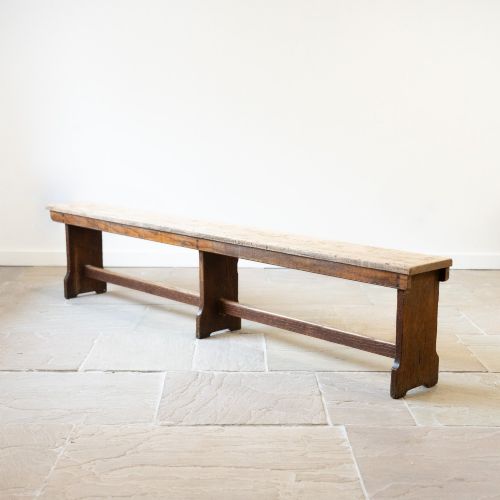
These heavy timber seats are built for long gatherings, bringing robust character and practical length to any dining space.
Antique Refectory Bench
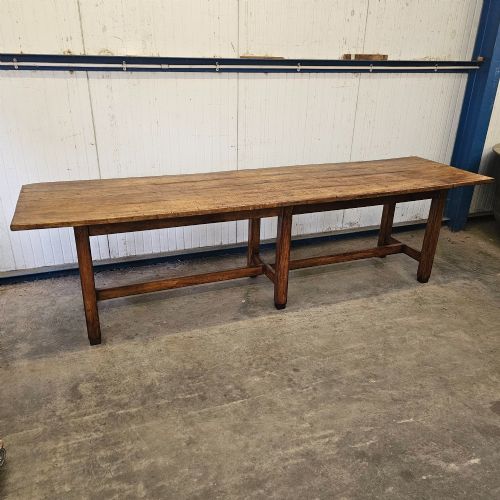
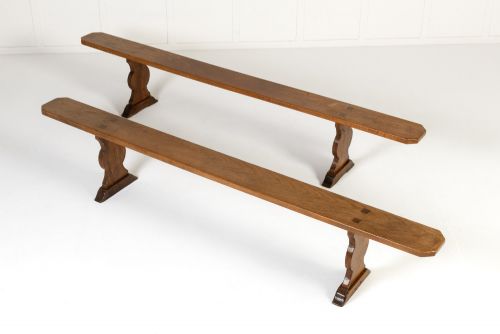
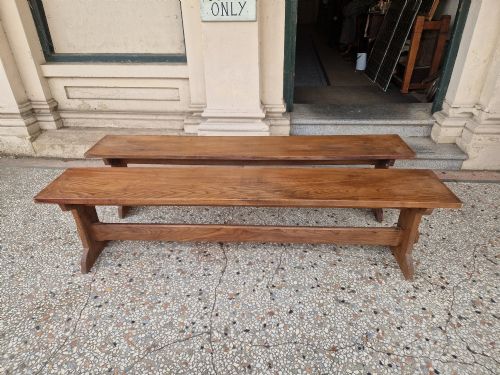
An antique refectory bench is a long, sturdy seat designed originally for communal dining halls and large households. When you search for this phrase, you encounter substantial wooden forms intended to accompany large tables.
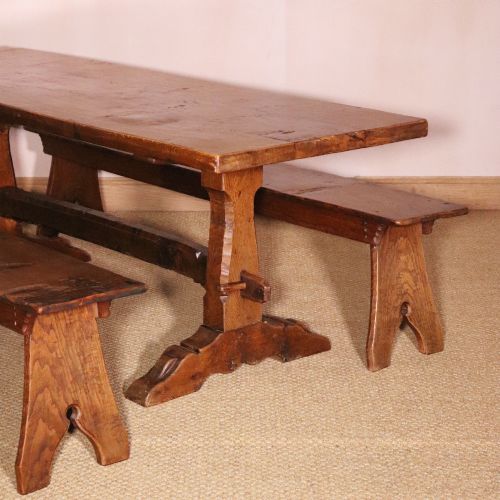
The pieces on this page span several periods including Georgian, Victorian, Edwardian, and the early twentieth century. You are most likely to meet oak and fruitwood examples featuring trestle ends and rustic farmhouse or provincial styles.
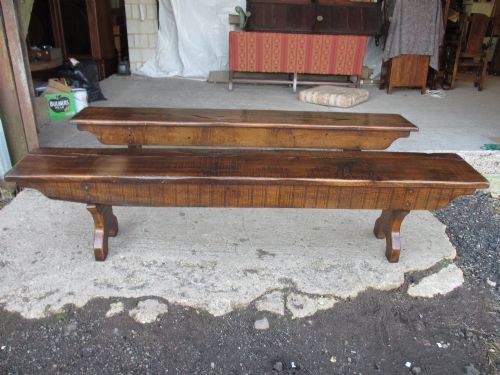
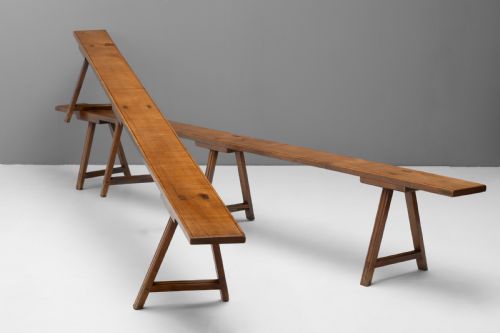
Many listings show pairs of benches or matching dining sets designed for extended dining arrangements. Their origins range from English workshops to French provincial makers.
Materials and construction
Makers built these pieces predominantly from solid oak, supplemented by fruitwood, cherry, elm, and general hardwood. These dense timbers provided the structural integrity required to support heavy daily use over generations.
Construction techniques relied on heavy framing and shaped trestle ends to ensure stability across long spans. Selected items also display carved detailing, particularly within Flemish Renaissance revival pieces.
Antique Refectory Bench Retail Price Guide 2026
Typical asking prices for refectory bench among the pieces listed under this phrase on Sellingantiques today, from the lower quarter to the upper quarter. They describe what is for sale here now, not the wider market.
Listings feature oak, fruitwood, cherry, and elm across periods from the Georgian era through to the 1920s.
Judging quality in long seating
Quality rests primarily in the selection of the timber and the integrity of the joints. Denser timbers and substantial thickness in the top boards distinguish superior examples from lighter alternatives.
The richness of the natural surface patination also separates finer pieces from simpler utility items. Well-maintained surfaces that reveal the grain and age of the wood indicate careful historical handling.
The Antique Refectory Bench Glossary
- Trestle ends
- Support structures at each end of a bench or table, connected by a central stretcher. This design maximises legroom along the length of the seat.
- Patina
- The surface sheen and colour developed over decades of use and polishing. It serves as a visual indicator of age and handling.
- Fruitwood
- A generic term for timber sourced from fruit-bearing trees such as cherry or pear. These woods often display warm tones and fine grain patterns.
- Refectory
- A term originally describing the dining hall of a monastery. It now denotes long, narrow tables and benches built for communal dining.
Antique Refectory Bench: Frequently Asked Questions
Where should I put a long bench?
These pieces fit naturally alongside large dining tables, particularly in kitchens or open-plan dining rooms. Their length makes them ideal for accommodating multiple diners without crowding the floor space.
Beyond dining areas, they function well in hallways or large corridors as practical seating surfaces. Their narrow profile ensures they do not obstruct movement in transitional spaces.
How do I care for solid oak?
Protect the timber from direct heat sources and sudden humidity changes to prevent splitting. Regular dusting with a dry cloth maintains the surface without buildup.
Apply traditional beeswax occasionally to nourish the wood and preserve its natural sheen. Avoid harsh chemical cleaners that strip the historic surface.
Can I mix periods when pairing seats?
Combining different eras is common practice in interior styling, provided the timber tones complement each other. An Edwardian bench can sit comfortably near an earlier table if the wood species share similar warmth.
Focus on scale and proportion rather than matching dates precisely. The weight of the timber matters more than strict chronological alignment.
What defines a tavern style?
Tavern pieces generally exhibit straightforward, robust construction intended for heavy commercial or public use. They prioritize stability and utility over elaborate decorative carving.
These forms often feature thick timber tops and straightforward trestle supports. Their rustic appearance reflects their origins in busy social houses.