






Vintage Wooden Dining Form
These vintage wooden dining form examples combine solid pine, oak and mahogany to anchor a room with practical seating and table options.
Vintage Wooden Dining Form
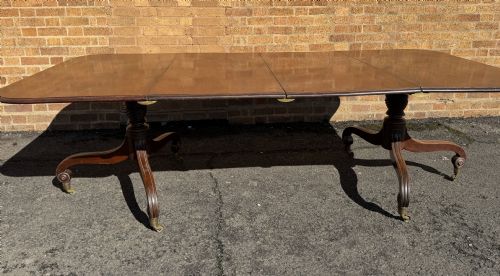
When you search for a vintage wooden dining form, you encounter a selection of solid timber seating and tables spanning the Georgian, Victorian, Edwardian and later periods. The selection includes refectory tables, twin-pillar dining tables, and long benches alongside sets of dining chairs and side chairs.
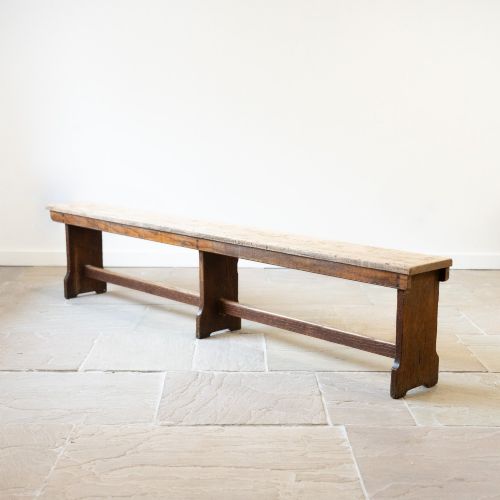
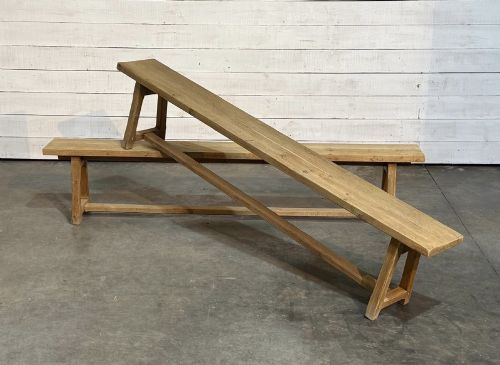
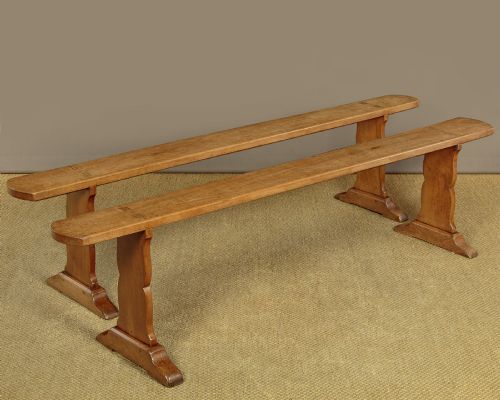
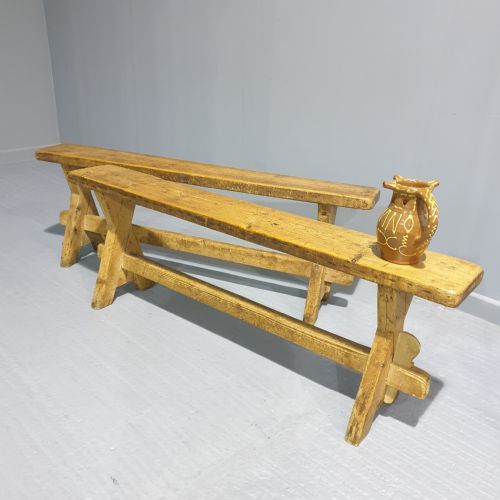
You are most likely to meet sturdy pine and oak benches, alongside fruitwood and cherrywood dining benches and heavy refectory tables with trestle ends. These pieces draw on rustic farmhouse, French provincial, Arts and Crafts Gothic revival and George III styles.
The objects serve everyday dining and hall seating needs, offering versatile forms and practical scales for domestic interiors. Their construction spans the nineteenth and early twentieth centuries, reflecting utilitarian and formal dining traditions.
How they were made
Maker construction relies heavily on solid hardwoods and softwoods including pine, oak, mahogany, cherrywood, fruitwood, elm and hardwood. Carpenters joined these timbers using traditional joinery methods suited to long refectory tables and heavy benches.
Surface treatments incorporate carved wood details, painted finishes, and faux bois techniques that imitate natural timber grain. Hardware details frequently feature brass fittings, while seating components occasionally integrate fabric upholstery.
Vintage Wooden Dining Form Retail Price Guide 2026
Typical asking prices for vintage wooden dining form among the pieces listed under this phrase on Sellingantiques today, from the lower quarter to the upper quarter. They describe what is for sale here now, not the wider market.
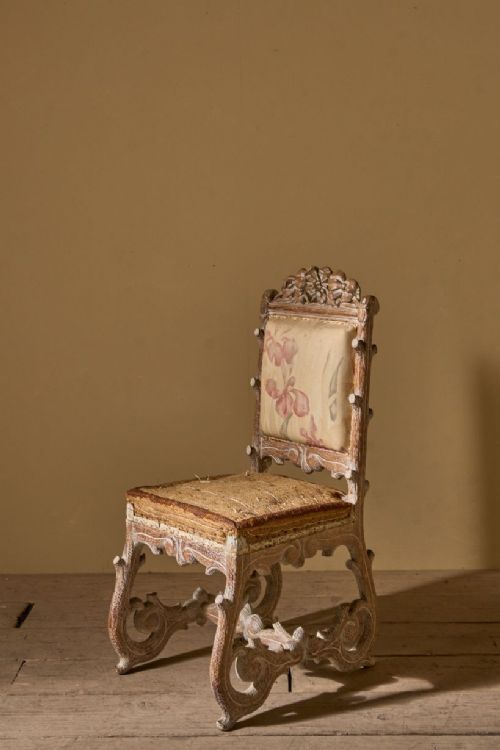
Seating forms range from eight-foot farmhouse benches to French cherrywood pairs and Gothic revival chairs.
What varies in quality
The distinction between ordinary and superior examples rests upon the selection of timber and the complexity of the woodworking. Dense hardwoods such as oak and mahogany with balanced proportions command attention.
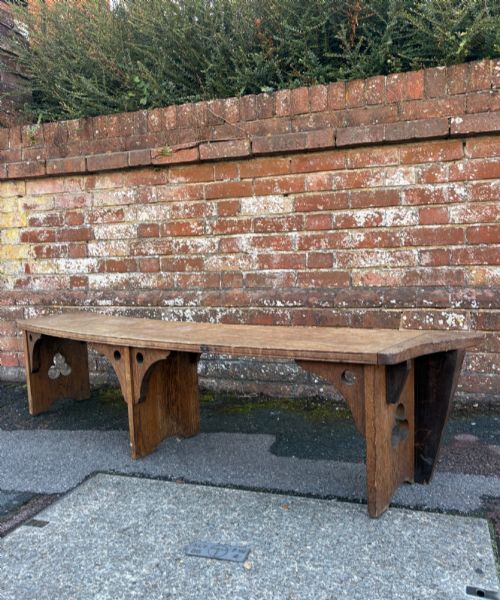
Detailing elevates certain items, such as trefoil carved supports on Gothic revival benches or well-turned twin pillars on mahogany dining tables. Practical scale and timber figure distinguish robust utilitarian seating from finer formal dining furniture.
The Vintage Wooden Dining Form Glossary
- Refectory table
- A long, narrow dining table traditionally used in monastic refectories and later adopted for domestic dining rooms. These sturdy tables typically feature trestle ends and substantial timber beams.
- Faux bois
- An artistic imitation of wood grain applied to surfaces, often seen on nineteenth-century garden or rustic interior seating. This technique requires skilled manipulation of paint or plaster to mimic natural timber.
- Twin-pillar
- A table base construction comprising two separate pedestal columns supporting a long top, common in Georgian dining tables. This arrangement allows greater legroom around the table perimeter.
- Trefoil
- A three-lobed decorative ornament resembling a clover leaf, frequently carved into Gothic revival woodwork. It appears on panel supports and chair backs.
- Cherrywood
- A dense, reddish-brown timber utilised for French provincial benches and regional seating. It darkens richly with age and light exposure.
Vintage Wooden Dining Form: Frequently Asked Questions
What is a refectory table?
A refectory table is a long dining table traditionally designed for communal dining in monastic institutions. These pieces feature sturdy trestle ends and substantial timber construction.
Over time, the form entered domestic use, providing robust surfaces for large gatherings and family meals.
How do I identify a Georgian dining table?
Georgian dining tables often employ mahogany timber and twin-pillar pedestal bases that offer versatile forms and practical scales. Their construction reflects formal proportion and cabinetmaking standards of the eighteenth and early nineteenth centuries.
Detailing remains refined, distinguishing them from heavier utilitarian farmhouse tables.
Where were pine benches used?
Pine benches served utilitarian roles in schools, halls, and farmhouses throughout the Victorian and Edwardian eras. Their long forms provided practical, space-efficient seating for multiple occupants.
Today, these benches suit rustic dining settings and hallways.
What is faux bois furniture?
Faux bois translates from French as false wood, describing objects decorated to resemble natural timber grain. Nineteenth-century artisans applied this technique to create decorative seating and architectural elements.
The style brings a rustic, organic texture to interior spaces.
How do I care for antique wooden tables?
Maintain antique wooden dining tables by keeping them away from direct heat sources and extreme humidity fluctuations. Regular dusting with a soft cloth preserves the timber surface without chemical buildup.
Wax finishes may be applied sparingly to nourish dry hardwood and softwood surfaces.