




Late 19th Century Bench
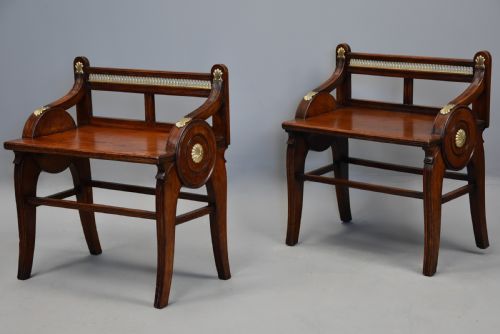
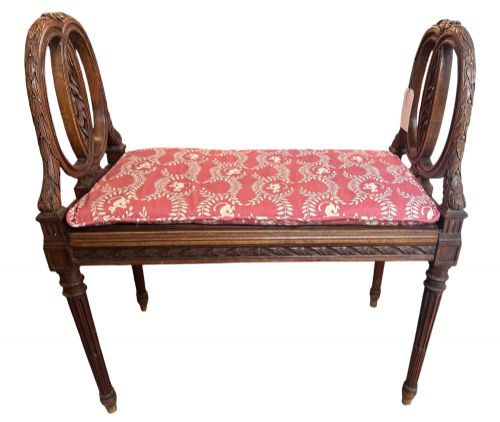
A late 19th century bench brings substantial timber construction and varied period revival styles into domestic spaces.
Late 19th Century Bench
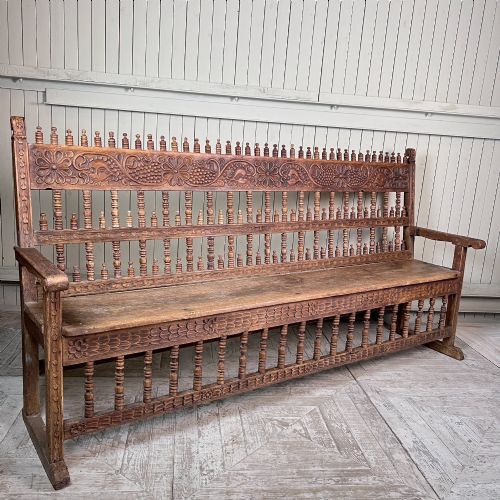
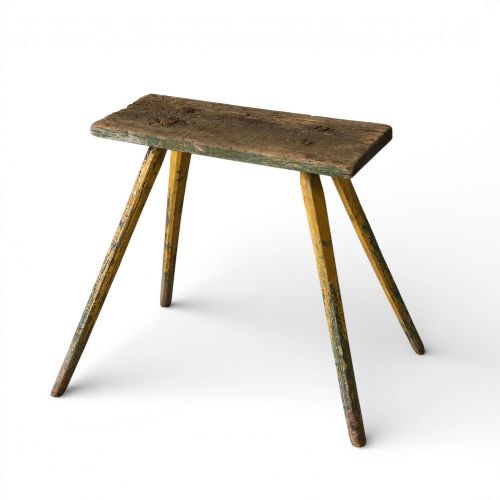
When you examine a late 19th century bench, you encounter diverse forms ranging from rustic elm milking stools and kitchen boards to formal walnut hall seats and carved oak settles. These pieces served practical utility in domestic, ecclesiastical, and public settings before finding favour in contemporary interiors.
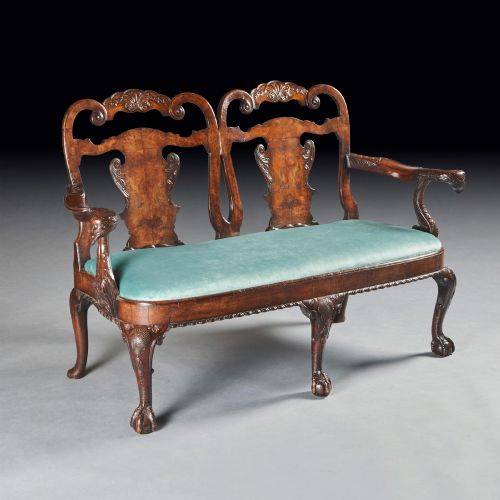
The varieties on this page encompass French provincial seating, Gothic revival oak hall benches, and regional vernacular items like West Country pig benches. Makers of this period frequently drew inspiration from earlier Georgian and Sheraton designs, producing revival pieces alongside everyday utilitarian furniture.
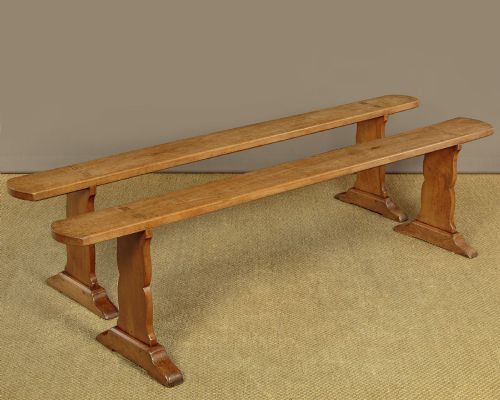
Buyers seeking a late 19th century bench will find both upholstered salon sofas with walnut or mahogany frames and unadorned pine or cherrywood church and refectory pieces. Each form reflects the specific regional timber resources and domestic requirements of the era.
Materials and construction methods
Cabinetmakers and rural joiners utilised native hardwoods such as oak, elm, cherrywood, walnut, and mahogany, frequently combining solid timber boards with turned supports or carved panels. Constructed joints relied on traditional pegged mortise and tenon techniques, ensuring structural longevity in heavy-use environments like halls and refectories.
Surface treatments varied from waxed natural grains and simulated oak paint finishes to original decorative pigments and ebonised coatings. Upholstered variants incorporated horsehair stuffing beneath fabric, velvet, or woven rattan seats, supported by brass fixtures or iron framework.
Elm pig benches originally served rural butchers for handling livestock before entering modern country house interiors.
Distinguishing quality in period seating
The standard of a late 19th century bench rests upon the integrity of its timber selection, the depth and crispness of hand-carved ornamentation, and the preservation of original surfaces. Pieces retaining genuine patination and undisturbed structural framing command greater regard than those with extensive timber replacement.
Execution of revival styles distinguishes standard commercial production from workshop pieces of exceptional merit, particularly where proportions mirror 18th-century precedents accurately. Furthermore, integrated functional elements such as lift-up seats or detailed joinery elevate the overall calibre of the item.
James Shoolbred and Co·John Tesch·Coalbrookdale
The Late 19th Century Bench Glossary
- Hall bench
- A sturdy wooden seat designed for an entrance hallway, frequently incorporating storage beneath a lift-up lid or elaborate carved back panels inspired by earlier historical periods.
- Settle
- An enclosed wooden bench featuring high backs and solid arms intended to block draughts in domestic hallways and communal rooms.
- Monks bench
- A multifunctional piece of furniture featuring a hinged back that folds down over the seat arms to transform the item into a small table.
- Club fender
- A low, U-shaped hearth seat constructed from brass or iron tubing with upholstered top cushions designed for fireside sitting.
- Patina
- The surface sheen and colour depth developed through decades of handling, polishing, and natural oxidation on exposed wooden furniture.
Late 19th Century Bench: Frequently Asked Questions
Where were these benches originally used?
These benches served multiple roles across domestic and public environments, including grand estate hallways, farmhouse kitchens, and institutional spaces.
Simpler vernacular forms populated rural dairies and cottages, while formal upholstered settees and carved oak settles furnished Victorian reception rooms.
How do I care for wooden bench surfaces?
Maintenance requires gentle dusting with a dry cloth and occasional application of appropriate beeswax to nourish dry hardwood timbers.
Avoid placing antique seating near direct heat sources or in fluctuating humidity to prevent timber splitting and joint movement.
Are these benches suitable for daily seating?
Most surviving examples retain robust structural integrity, making them practical for regular use in hallways, dining spaces, and living rooms.
Buyers should inspect joint firmness and seat stability to ensure the furniture safely accommodates everyday domestic sitting requirements.
How can I identify a revival style?
Revival pieces incorporate decorative motifs, proportions, and construction characteristics borrowed from earlier historical eras like the Georgian or Gothic periods.
Examine the timber ageing, tool marks, and hardware to distinguish genuine 19th-century interpretations from original 18th-century prototypes.