
19th Century Flower Painting
19th century flower painting captures botanical specimens and lush still lifes across canvas, paper, and porcelain.
19th Century Flower Painting
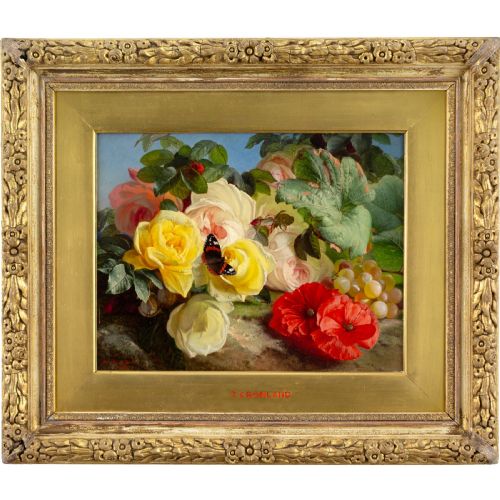
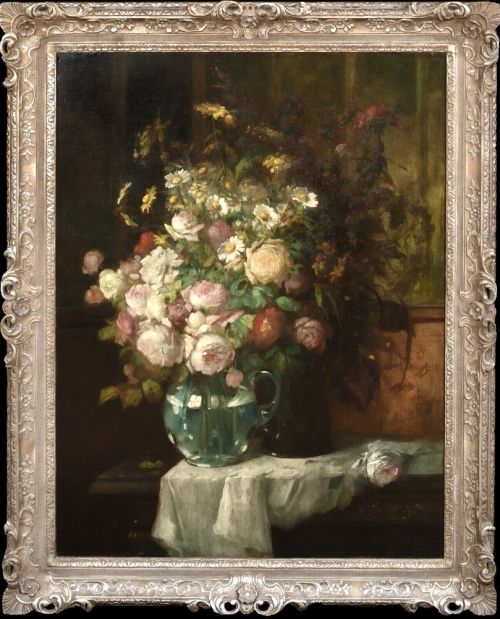
A 19th century flower painting brings together meticulous botanical studies and rich floral still lifes created during the Victorian, Regency, and wider nineteenth-century periods. These works appear on canvas, delicate paper sheets, silk, and ceramic surfaces, reflecting both scientific observation and domestic decorative tastes.
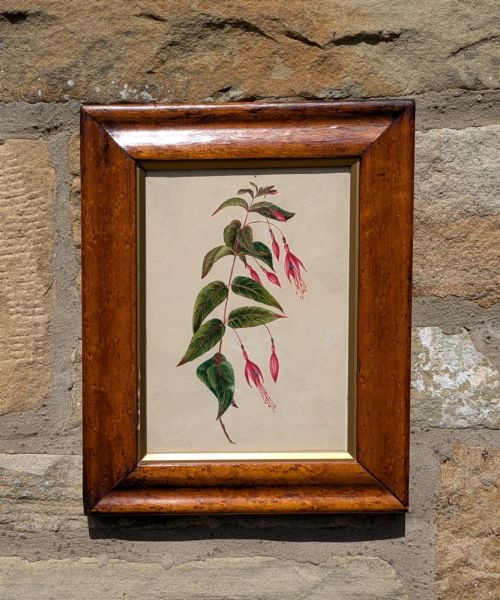
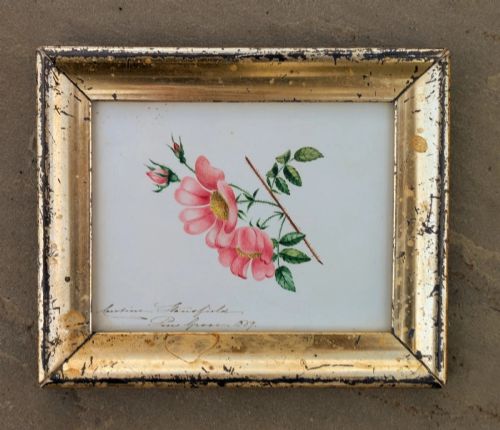
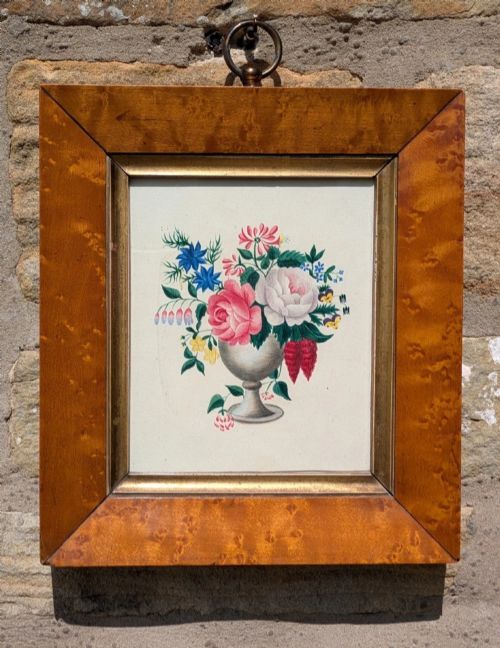
Buyers encounter detailed watercolour studies of single stems alongside grand oil paintings of mixed blossoms arranged in urns or vases. Many pieces emerge from British and European traditions, though examples extend to Chinese export works and specialised regional porcelain factories.
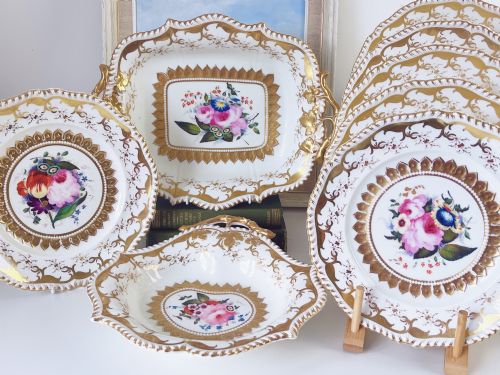
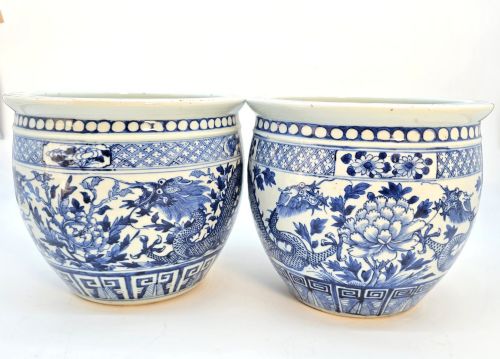
The category spans small, intimate botanical sheets meant for portfolios as well as large, framed oil works intended for prominent display in reception rooms. Alongside flat art, the tradition spills over onto decorated porcelain vessels, jardinieres, and dessert services bearing hand-painted floral motifs.
Materials and Methods
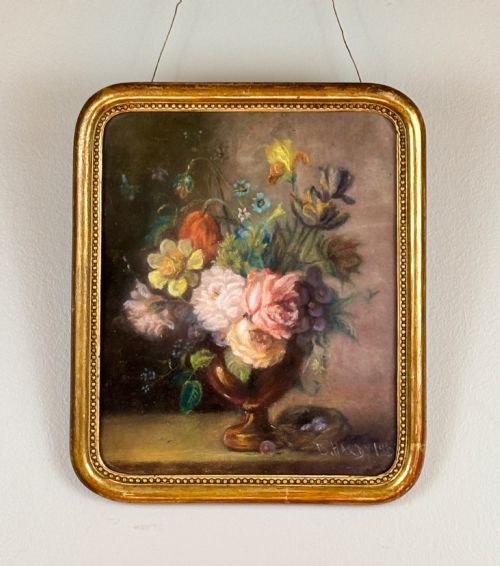
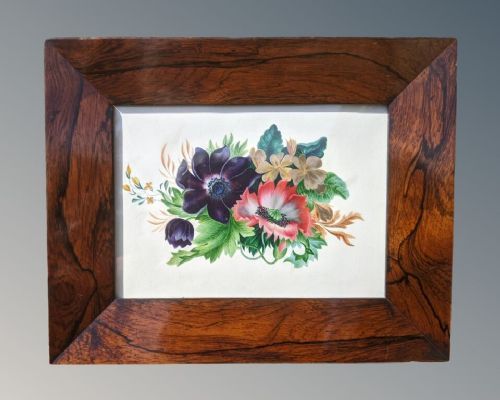
Artists relied on oil paints applied to stretched canvas or wooden panels to build rich, layered still lifes with deep shadows and vibrant petals. Watercolour and gouache on paper offered a lighter medium for precise botanical illustrations, capturing the delicate translucency of leaves and stems.
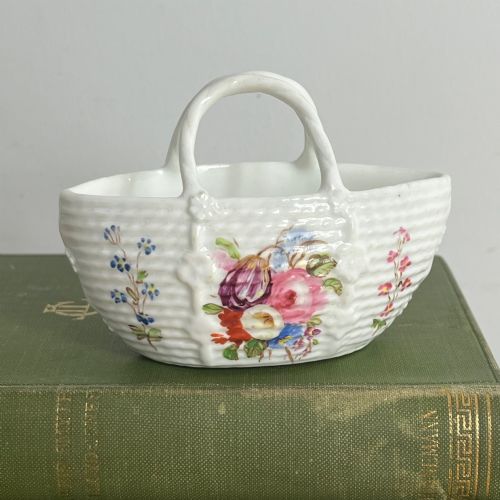
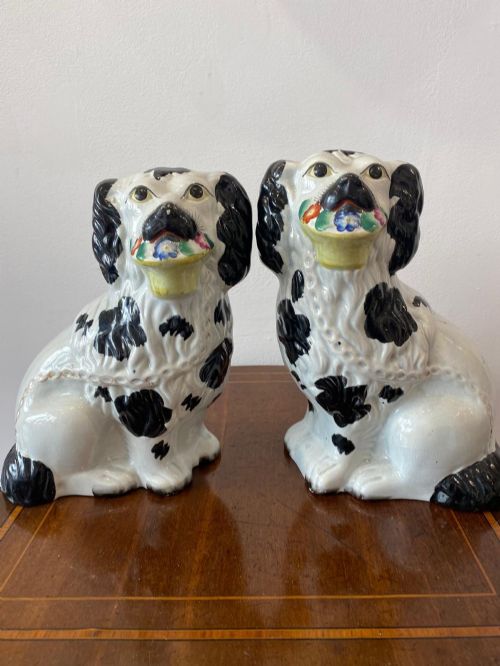
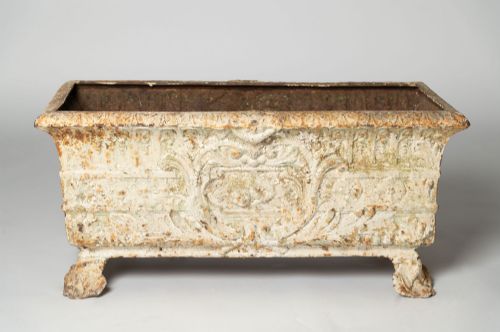
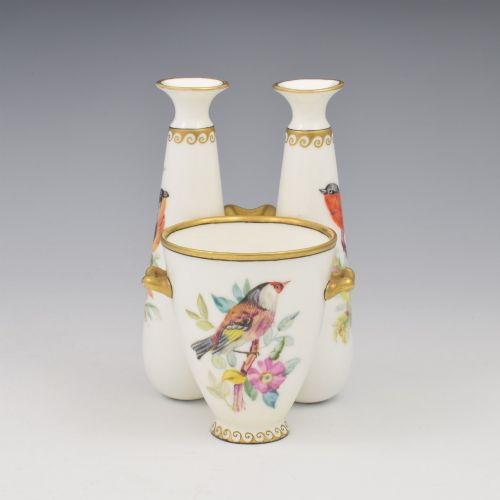
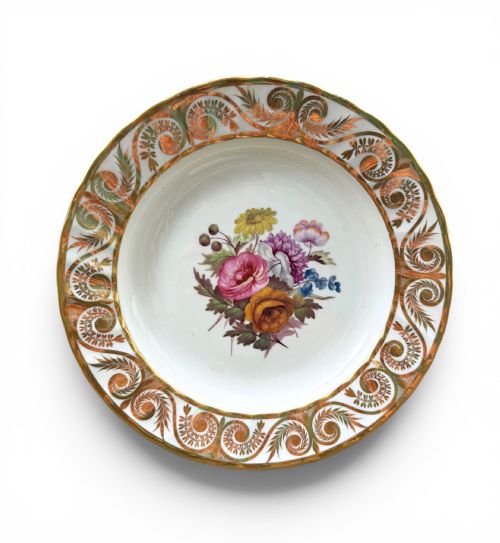
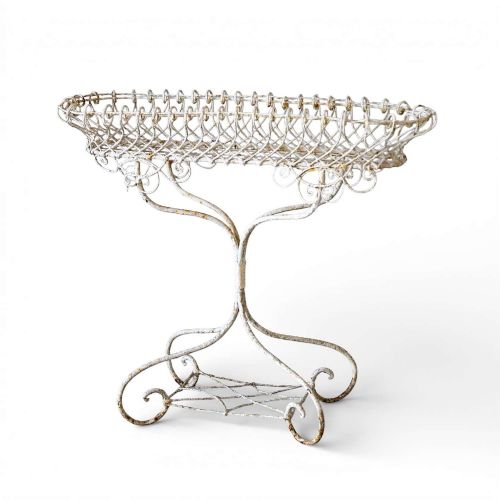
Ceramic painters utilised porcelain blanks from factories such as Worcester, Derby, and Rockingham, applying hand-painted mineral colours and gold leaf before firing. Glassmakers added enamel details directly onto blown vessels, while makers of decorative metalwork incorporated cast iron and wrought iron into plant stands and planters.
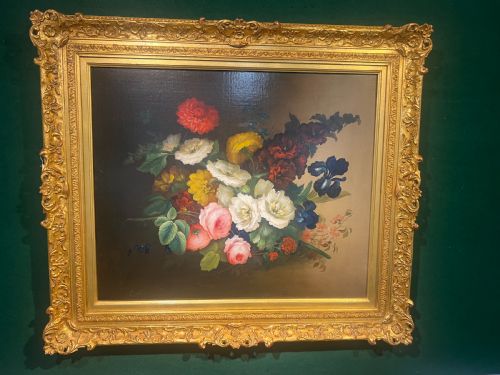
Makers of framed works employed carved wood and gesso frames finished with gilt layers to complement the oil paintings and watercolours within. Silk and pith paper served as alternative supports for delicate Far Eastern floral compositions.
Listings feature works across oil, watercolour, porcelain, glass, and wrought iron.
Distinctions in Quality
The standard of a 19th century flower painting rests heavily on the precision of the brushwork and the naturalism of the botanical forms. Superior works display careful attention to light falling across petals, accurate leaf structures, and balanced composition, whereas lesser examples rely on formulaic repetition and stiff, generalized petals.
On porcelain and ceramics, quality shows in the fineness of the paste, the delicacy of the hand-painted enamel work, and the skillful integration of gilding. Factory provenance and signed canvases by recognised artists elevate the standing of a piece above anonymous workshop production.
The physical presentation, including period gesso frames and original mounts, contributes significantly to the integrity of flat works. Pieces that retain their original harmonious pairing of art and framing demonstrate greater historical completeness.
Theude Grönland·Konstantin Stoitzner·Edwin Steele·Moses Webster·John Bevington·Edward Ladell
The 19th Century Flower Painting Glossary
- Botanical watercolour
- A precise painting on paper intended to record the exact scientific structure of a plant. These works often include detailed annotations of root systems or leaf nodes.
- Gouache
- An opaque water-based medium that provides solid blocks of colour and stark highlights. Artists frequently combined it with watercolour on paper to achieve greater depth in floral studies.
- Famille rose
- A Chinese porcelain palette dominated by opaque pink enamel colours. This technique appeared on export wares featuring detailed floral and bird motifs.
- Encrusted porcelain
- Ceramic pieces decorated with applied, three-dimensional porcelain flowers and leaves formed by hand. This technique was popular in English porcelain manufacture during the nineteenth century.
- Gesso
- A plaster-like mixture applied to wooden frames and moulded into decorative relief patterns. Guilders then coated the gesso layer with gold leaf.
19th Century Flower Painting: Frequently Asked Questions
How do I identify a genuine 19th century painting?
Examine the support materials, pigments, and framing techniques for signs of nineteenth-century manufacture. Hand-stretched canvases, period paper types, and traditional gesso frames often accompany authentic works.
Signatures, dates, and artist attribution labels on the reverse provide further context. Comparing the handling of paint and botanical accuracy with documented works from the period helps confirm authenticity.
Were these paintings meant for framing?
Many oil paintings and finished watercolours were framed from the outset to hang in domestic interiors as decorative art. Larger canvas works in ornate gesso frames filled prominent spaces in Victorian homes.
In contrast, smaller botanical watercolours were often kept unbound in collector portfolios or albums rather than hung on walls. These delicate paper pieces required framing later to protect them from light and handling.
What is the difference between botanical art and floral still life?
Botanical art focuses on scientific accuracy, depicting specific plant species with structural clarity often intended for study. These works emphasise individual stems, leaves, and root formations against plain backgrounds.
Floral still lifes treat flowers as aesthetic subjects arranged in vases or baskets alongside fruit and other objects. These compositions prioritize dramatic lighting, colour harmony, and decorative appeal over strict taxonomy.
How should I care for antique watercolours?
Keep antique paper works away from direct sunlight to prevent the watercolour pigments and gouache from fading over time. Acid-free mounting materials and UV-protective glass help preserve the paper during display.
Maintain stable humidity levels in the room to protect both the paper support and the antique wooden or gesso frames. Avoid hanging watercolours in damp spaces such as kitchens or unheated areas.