


Green Vase Floral Painting
A green vase floral painting brings together botanical subjects and ceramic forms across periods from the seventeenth century to the twentieth.
Green Vase Floral Painting
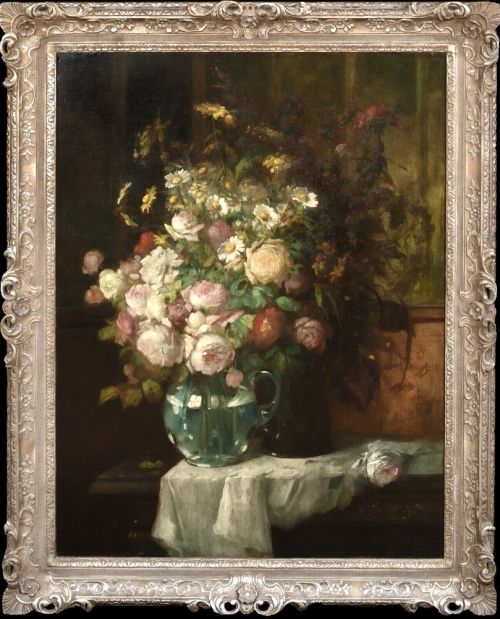
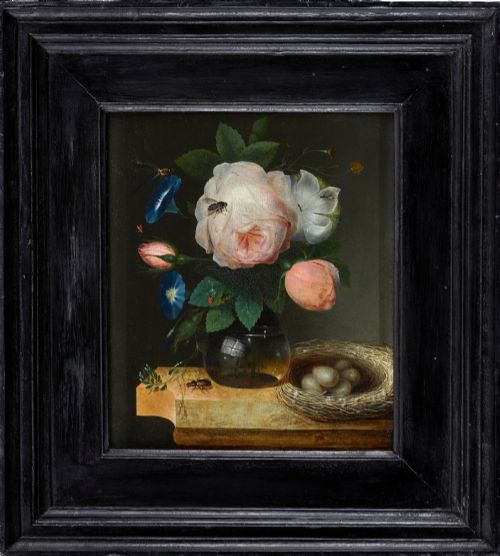
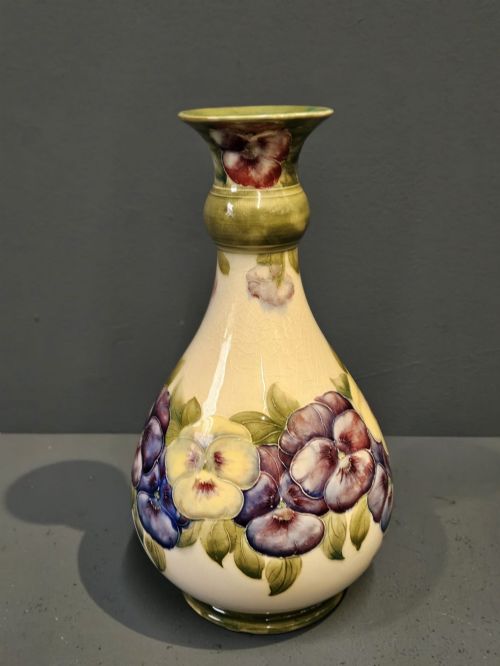
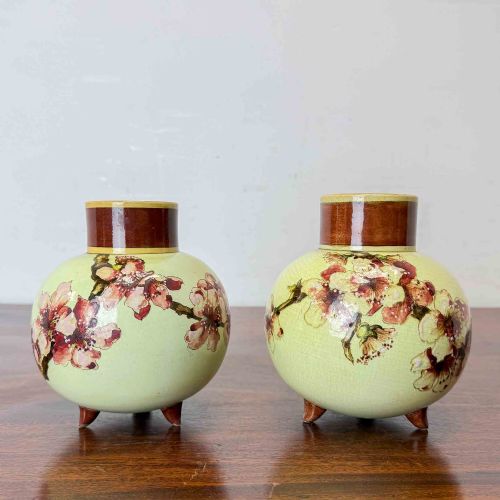
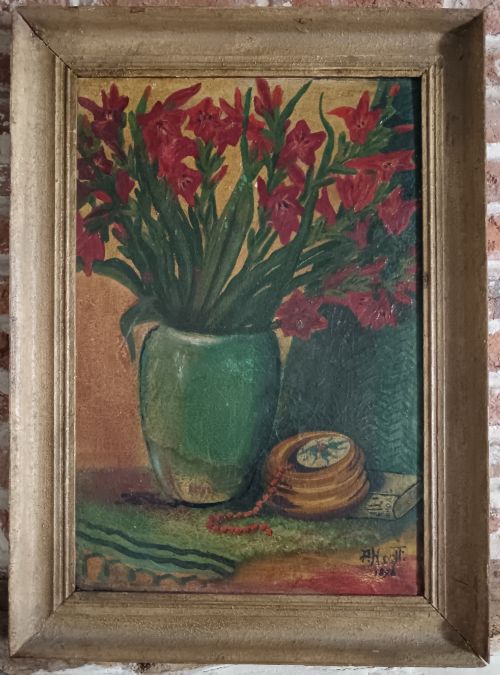
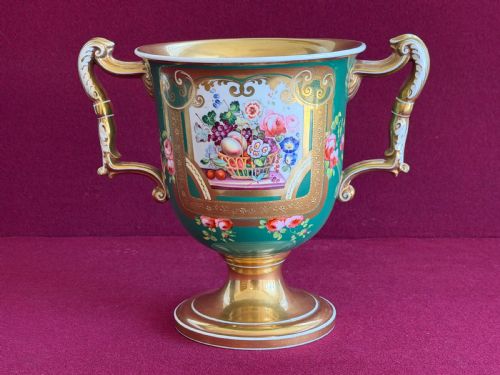
A green vase floral painting unites two distinct traditions, presenting either a ceramic vessel itself adorned with botanical motifs or a canvas depicting flowers arranged in a receptacle. The listings demonstrate that buyers encounter both three-dimensional earthenware and porcelain objects alongside two-dimensional oil and watercolour works.
The material record spans centuries, capturing Victorian interpretations, Art Nouveau designs, and seventeenth-century compositions. These works originate from diverse European and British makers, encompassing both painted ceramics and framed pictorial representations of floral subjects.
Vessels take various forms including loving cups, pot pourri jars, and shaped decorative vases, while paintings record roses, pansies, and chrysanthemums. This dual presence of actual ceramic containers and pictorial records of them defines the selection available.
How they were made
Makers utilised ceramic bodies such as porcelain, earthenware, and majolica, applying glaze and enamel to create coloured surfaces. Pigments were hand painted directly onto pottery or laid on canvas using oil paint and watercolour.
Firing techniques allowed ceramic bodies to receive detailed botanical decoration, whilst canvas works employed brushwork to render petals and glassware with precision. Glass pieces also appear, shaped into lustres and vases during the nineteenth century.
Lily of the valley blooms appear as lucky charms in twentieth-century canvas work.
What varies in quality
Execution of the painted surface determines the standard of pictorial works, separating fluent brushwork from rigid rendering. In ceramic pieces, the crispness of the glaze application and the precision of hand-painted floral details indicate the level of workmanship.
The harmony between the form of the vessel and its botanical ornamentation distinguishes superior examples from standard production. Artisanal control over porcelain bodies and pigment retention across firings establishes the standing of individual makers.
Moorcroft McIntyre·Doulton Lambeth·Ulisse Cantagalli·Royal Winton·Royal Worcester
The Green Vase Floral Painting Glossary
- Faience
- Tin-glazed earthenware, often decorated with colourful botanical motifs. This technique provides an opaque white or tinted background suitable for hand-painted scenes.
- Majolica
- A type of earthenware coated with an enamel glaze containing tin oxide, fired and painted with bright colours. It gained popularity during the nineteenth century for decorative vases.
- Pot pourri jar
- A perforated vessel designed to hold dried aromatic plant material, allowing scent to diffuse. These often feature elaborate covers and painted floral decoration.
- Famille Verte
- A palette of green enamels used in Chinese porcelain decoration, later influencing European styles. It relies primarily on green tones alongside iron red and other colours.
- Lustre
- A type of ceramic or glass finish that produces an iridescent metallic sheen when fired. It reflects light across the surface of nineteenth-century decorative pieces.
Green Vase Floral Painting: Frequently Asked Questions
How are these paintings and vases dated?
Datings rely on stylistic markers, artist signatures, and ceramic factory registration marks recorded on the base of vessels or within canvas compositions.
Changes in glaze chemistry, framing styles, and pigment types further assist in placing pieces within nineteenth or twentieth-century periods.
Were these ceramic vases intended for daily use?
Most ceramic pieces served decorative functions within period interiors, acting as mantelpiece ornaments or centrepieces for floral arrangements.
Some items, such as pot pourri jars, fulfilled specific domestic tasks relating to household fragrance.
What subjects appear most frequently in the paintings?
Floral still life compositions dominate, featuring cut stems of roses, chrysanthemums, and pansies arranged in glass or ceramic holders.
Artists frequently positioned these blooms against draped cloth or simple backgrounds to study light and colour.
How do glass items differ from porcelain pieces?
Glass pieces rely on translucent or coloured material bodies, sometimes formed as lustres with hanging drops or shaped vases.
Porcelain and earthenware provide opaque surfaces designed to receive painted enamel decoration and coloured glazes.