


Green Glass Vase Painting
Green glass vase painting brings together rich mineral hues and painted details, offering collectors a striking decorative accent for any interior scheme.
Green Glass Vase Painting
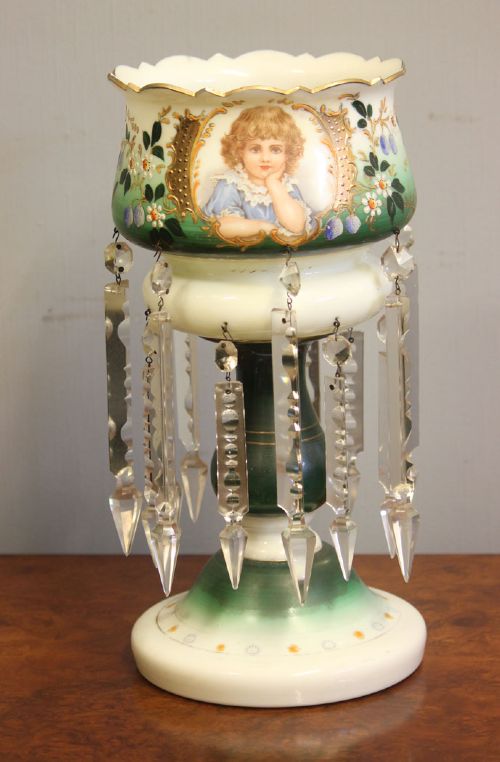
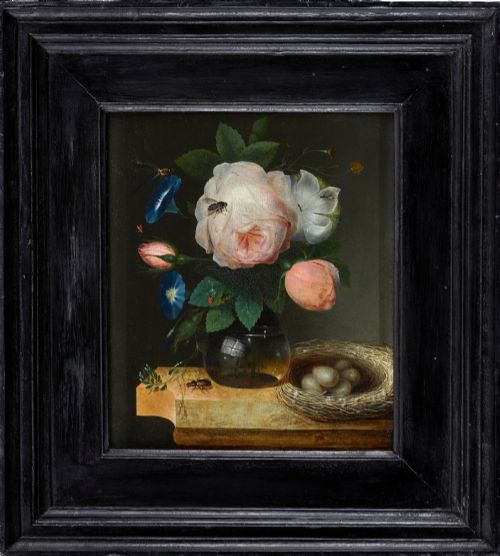
Green glass vase painting encompasses decorative vessels and related artworks from the seventeenth century through to the mid-twentieth century. When searching for green glass vase painting, a buyer encounters a diverse selection including Victorian table lustres, Bohemian vessels with hand-painted enamelled scenes, and oil paintings depicting floral arrangements in glass containers.
The objects span multiple distinct aesthetic movements, taking in Flemish Baroque oils, Victorian Mary Gregory glassware, and Art Nouveau pieces. Many items take the form of pairs or garniture sets designed for mantelpieces, combining saturated green glass bodies with intricate surface decoration.
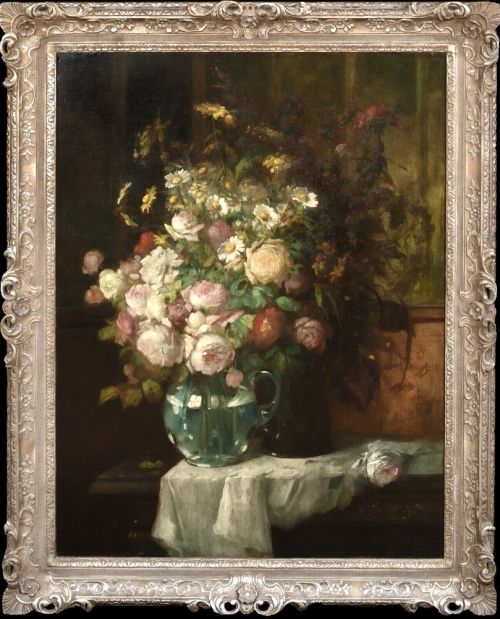
The selection ranges from nineteenth-century Bohemian glass with overlaid portraits to twentieth-century hand-blown items decorated with hunting scenes. Buyers also find canvas oil paintings that capture the specific play of light on glass surfaces, uniting the mediums of decorative arts and fine painting.
How they were made
Makers utilised glass-blowing techniques to shape the vessels, often applying heavy layers of colour and gold leaf or gilt highlights. Surface ornamentation frequently involved hand-painted enamels, requiring skilled application to adhere permanently to the curved glass walls.
Painted works on canvas employed oil paint to render the translucent qualities of glass and the texture of floral petals. Artisans also worked with gilded wood and crystal components, assembling complex mantel lustres that integrated hanging glass prisms.
Object forms span table lustres, garniture sets, still life canvas paintings, and hand-blown Bohemian vessels.
What varies in quality
The distinction between standard examples and the finest pieces lies in the precision of the hand-painted enamel and the clarity of the glass. Superior items display crisp brushwork in figurative or floral scenes, whereas lesser pieces show softer outlines and less defined detail.
The depth of the green glass colour and the preservation of original gilding and gold leaf substantially influence the overall character of a piece. Lustres with complete sets of original hanging prisms command greater attention than those missing components.
Konstantin Stoitzner·Gaspar Peeter Verbruggen·Daum
The Green Glass Vase Painting Glossary
- Mantle Lustre
- A decorative tabletop or mantelpiece ornament made from glass, featuring a central vase body hung with cut glass prisms. These pieces reflect candlelight and daylight through their faceted drops.
- Enamel
- Opaque or translucent glass paste applied to a glass surface and fired in a kiln to fuse the decoration permanently. This technique allows for colourful and durable painted scenes.
- Gold Leaf
- Extremely thin sheets of gold beaten out and applied to surfaces for ornamentation. It frequently highlights the rims and moulded details of nineteenth-century glassware.
- Mary Gregory
- A style of glassware decorated with white enamel silhouettes of children, typically set against a green glass background. The attribution often refers to the decorative style popularised in the Victorian era.
- Bohemian Glass
- Glassware produced in the regions of Bohemia, renowned for vibrant colours, heavy cutting, and rich enamel or gilt decoration. It represents a major centre of nineteenth-century European decorative arts.
Green Glass Vase Painting: Frequently Asked Questions
What is a mantel lustre?
A mantel lustre is a decorative vase fitted with a ring of hanging crystal prisms that catch and refract light. Victorians placed them on fireplace mantels to brighten rooms during darker months.
They often came as pairs and served as centrepieces for formal mantel displays. The prisms are typically attached via small drilled holes around the rim.
How can I date bohemian glass?
Dating Bohemian glass involves examining the weight, the depth of the green hue, and the style of surface painting. Pieces from the nineteenth century often feature hand-applied enamel work, polished pontil marks on the base, and heavy gilding.
Comparing the decorative motifs, such as floral sprays or portrait overlays, against known period patterns helps narrow down the decade of production.
Where should I display glass lustres?
Display glass lustres in spaces with ample natural light to activate the hanging prisms and highlight the saturated green glass tones. Mantelpieces, sideboards, and well-lit entryways provide stable surfaces away from high foot traffic.
Ensure the location protects the pieces from direct, intense sunlight that might fade painted enamel over many years.