
19th Century Floral China
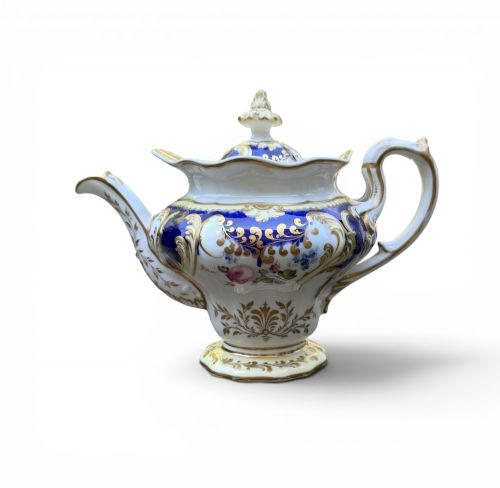
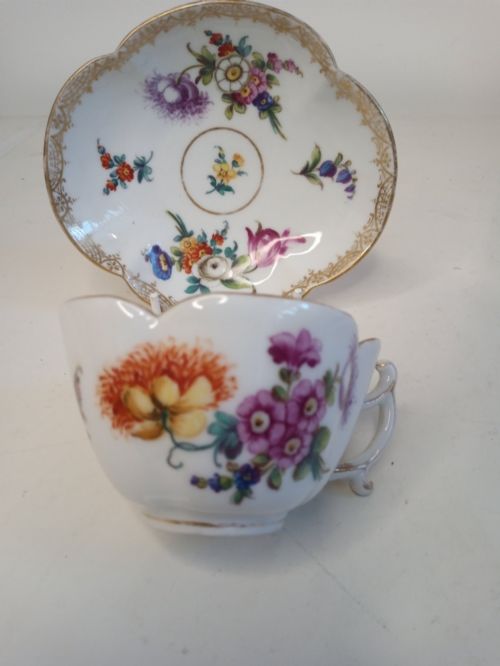
These pieces of 19th century floral china bring handpainted botanical artistry and rich gilding straight to the table.
19th Century Floral China
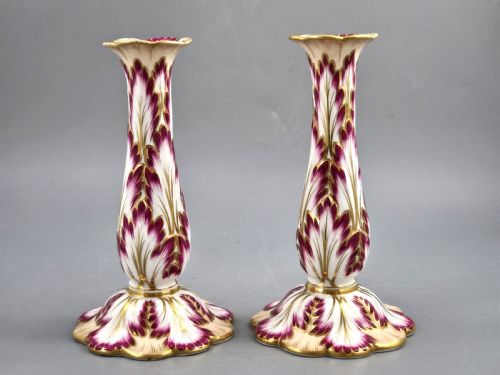
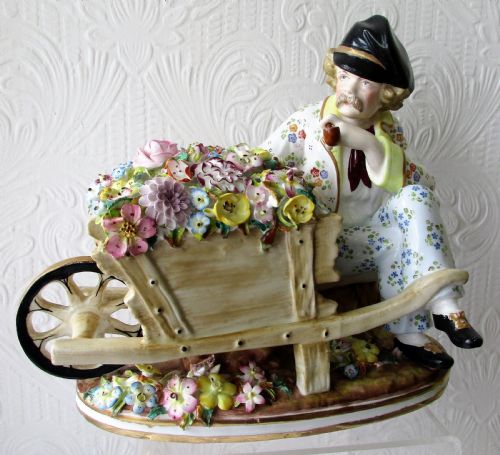
When searching for 19th century floral china, collectors encounter a diverse range of items spanning tea services, dessert plates, and decorative vases. These domestic and display items represent the shifting tastes of the Georgian, Regency, and Victorian eras across English and continental workshops.
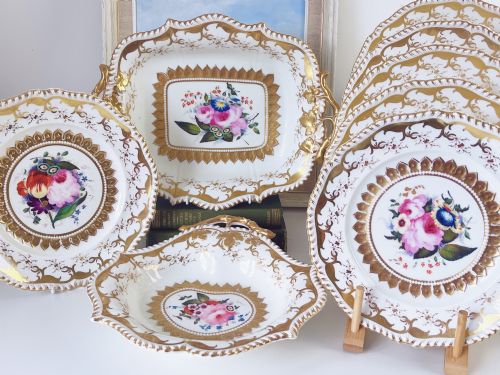
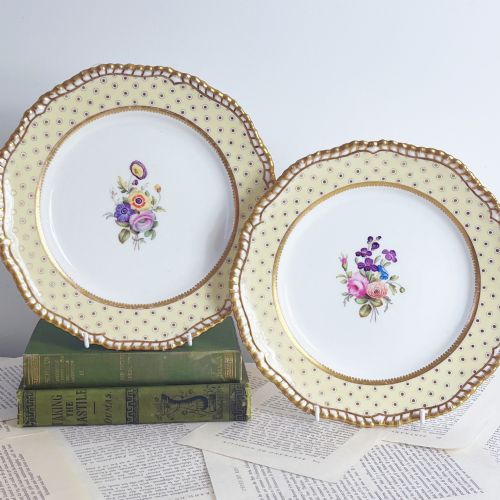
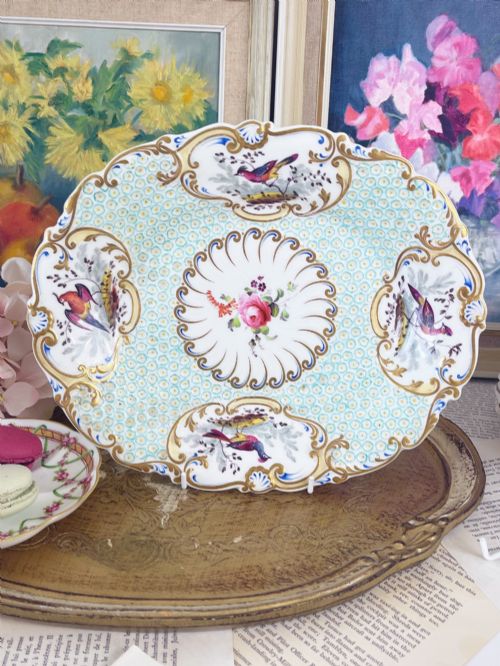
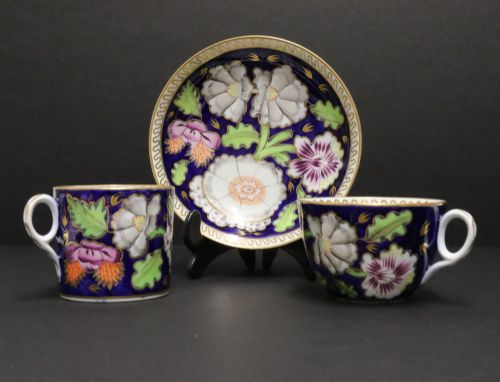
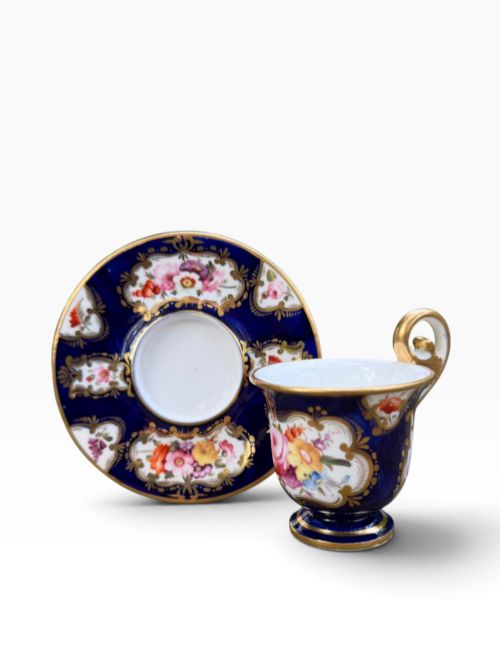
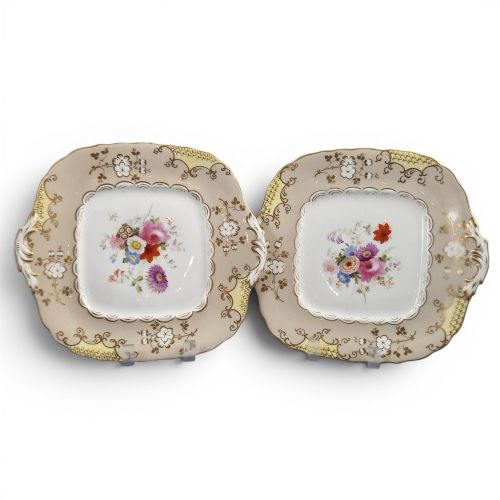
The version most commonly met on this page is the porcelain dessert service or cabinet trio, frequently decorated with handpainted botanical motifs. Pieces from factories such as Spode, Coalport, and H & R Daniel dominate the selection, often pairing crisp white ceramic bodies with elaborate gilt highlights.
Materials and technique
Potters and porcelain manufacturers utilised fine ceramic bodies, ranging from hard-paste porcelain and bone china to earthenware and ironstone. Artisans shaped these materials into teacups, plates, and expansive dinner services before applying vibrant coloured glazes.
Decoration relied heavily on meticulous handpainting, frequently enhanced with gold leaf and gilding to accentuate floral patterns and pictorial scenes. Enamel colours were fired onto the ceramic surface to secure the botanical details recorded across the periods.
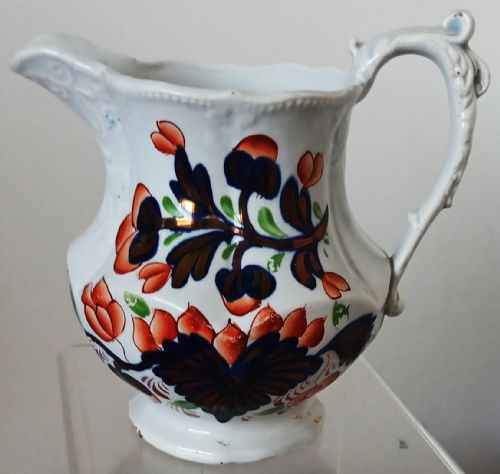
A tiny miniature jug waits quietly among the giant dinner services, proving big floral charm comes in small ceramic packages.
Quality variations in the range
The distinction between standard domestic wares and top-tier cabinet pieces lies in the precision of the handpainting and the ambition of the ceramic form. Superior items exhibit finely executed botanical detail and complex moulding, whereas simpler pieces rely on standard transfer prints or repetitive patterns.
The application of gold leaf and enamel also dictates the standing of a piece, with heavy, burnished gilding marking out the finest dessert plates and vases. The reputation of the manufacturing firm, from established names to lesser-known potteries, further influences the overall standard.
Grainger Lee And Co·Spode·Flight Barr And Barr·H And R Daniel·Newhall·Coalport·Ridgway·John Bevington·Doe And Rogers·Masons·Minton·Meissen·Rockingham Pottery
The 19th Century Floral China Glossary
- Trio
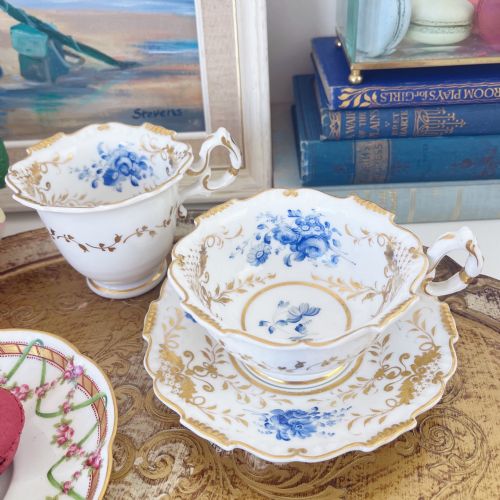
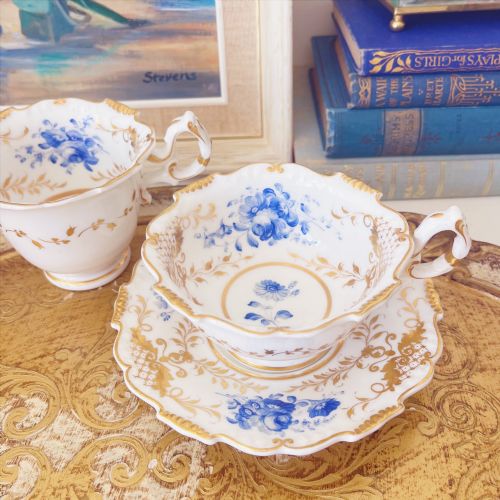
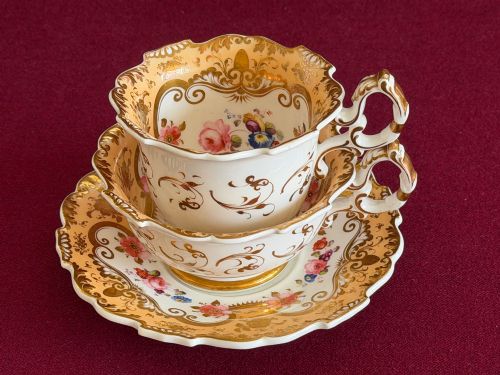
- A matched set comprising a teacup, coffee cup, and saucer used during the Regency and Victorian periods. These threesomes often feature handpainted floral decorations and gilt borders.
- Imari palette
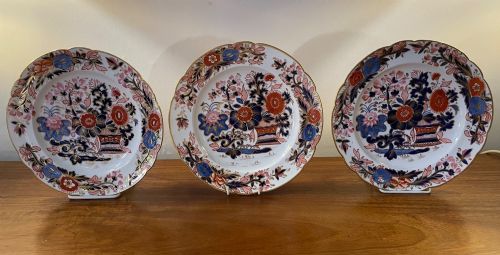
- A decorative style employing a distinctive scheme of underglaze blue, iron red, and gold leaf. It appeared frequently on early ceramics inspired by Japanese imports.
- Gilding
- The application of gold leaf or powdered gold onto the ceramic surface to highlight rims, handles, and painted motifs. Burnished gilding reflects higher workshop standards.
- Streublumen
- A scattered flower motif painted across white porcelain surfaces. This German decorating style translates literally as scattered flowers.
- Ironstone
- A heavy, durable type of earthenware patented in the early 19th century. It provided a robust alternative to porcelain for large services and soup bowls.
19th Century Floral China: Frequently Asked Questions
How do I identify different periods?
Periods are identified through a combination of ceramic body composition, form shapes, and painting styles. Regency pieces often display classical influences with crisp gilding, whereas Victorian items tend towards heavier moulding and diverse revival styles.
Maker marks stamped or painted on the underside provide precise chronological markers. Comparing the style of the floral painting with documented factory patterns confirms the era of production.
Were these items used daily?
Many of these ceramics served practical functions in upper and middle-class households for tea, coffee, and dessert courses. Matching services accommodated guests during formal dining occasions.
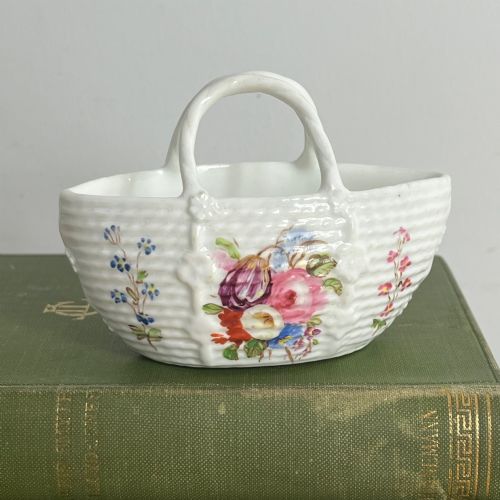
Cabinet pieces and miniature baskets, however, served primarily decorative purposes in drawing rooms. Their survival in delicate condition suggests occasional rather than heavy daily use.
How should I care for them?
Hand washing in warm water with mild soap preserves the delicate enamel paints and gold leaf highlights. Dishwashers and harsh scrubbing sponges will damage the historic glaze.
Display cabinets protect fragile porcelain shapes and earthenware from accidental chips. Stable indoor environments prevent thermal shock to the ceramic body.
What defines a dessert service?
A dessert service consists of multiple plates, serving dishes, and often a central compote or tazza designed for serving fruit and sweets at the end of a meal. These matching sets were showpieces for the host.
They frequently feature elaborate botanical handpainting across every plate to impress dining guests. Individual pieces from these broken-up sets now appear independently on the market.