



19th Century English Painting
Exploring 19th century english painting reveals rich canvases of coastal views, rural landscapes and striking portraits that bring period character to any wall.
19th Century English Painting
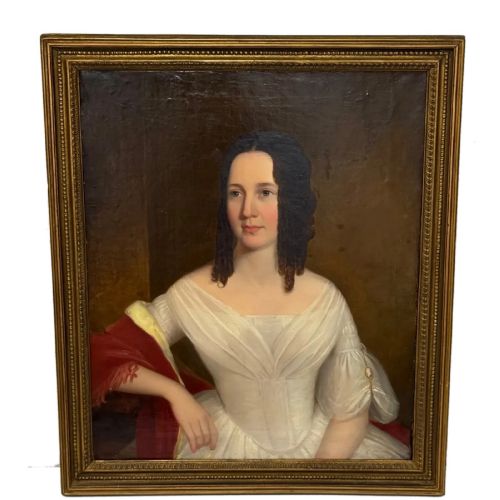
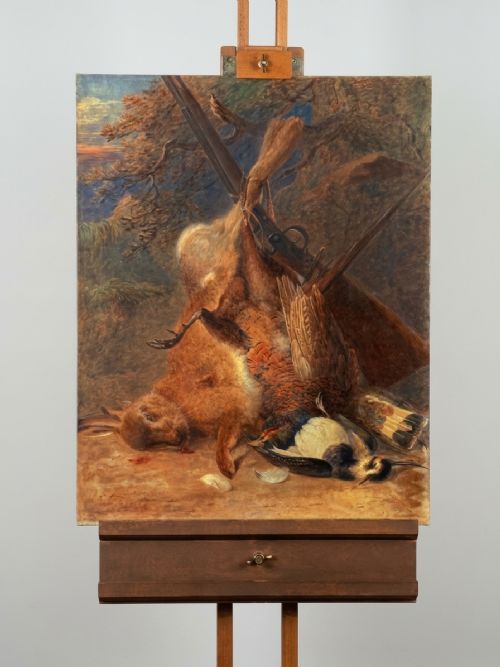
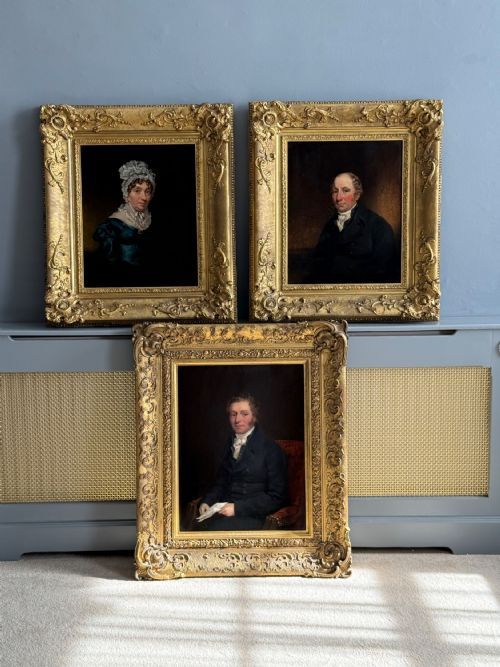
A 19th century english painting captures the landscapes, maritime scenes and portraiture produced across the Victorian and Regency eras. Buyers searching this phrase encounter framed oils on canvas, wood panels and detailed watercolours executed by named artists and regional schools.
The selection ranges from expansive pastoral views and coastal fishing vessels to intimate character studies. Works span the entire century, moving from early romantic landscapes to later naturalistic depictions of the British countryside.
How They Were Made
Artists worked primarily with oil on canvas, wood panel or mahogany, alongside detailed watercolours on paper. Brushes applied rich pigments to primed surfaces, building deep tonalities in landscapes and precise linear detail in portraits.
19th Century English Painting Retail Price Guide 2026
Typical asking prices for 19th century english painting among the pieces listed under this phrase on Sellingantiques today, from the lower quarter to the upper quarter. They describe what is for sale here now, not the wider market.
Listings feature watercolours on paper alongside oil paintings on canvas and mahogany wood panels from various British schools.
What Varies In Quality
Execution and brushwork separate standard studio pieces from masterworks. Strong spatial depth, confident handling of light and detailed anatomical or architectural rendering elevate individual canvases.
The preservation of the original surface and the crispness of the framing contribute significantly to a piece's standing. Intact signatures, historical provenance and well-maintained pigment layers remain key indicators of superior production.
George Sydney Shepherd·Joseph Clover RA·James Orrock·Alfred Young Nutt·Frederick Marriott·John Horace Hooper·John McDougal·William Banks Fortescue·Robert A Nottingham·David Bates·Benjamin Barker Of Bath·Henry Silkstone Hopwood·Sir Thomas Lawrence PRA·Vincent Clare·Walter Emsley·Florence F Wilmot·John Sowden·John Syer·David Cox Senior·H P Ditmas·F Dimes·Yeend King·Claude Hayes·Robert Thorne Waite·James Webb RA
The 19th Century English Painting Glossary
- Watercolour
- A painting method where fine pigment is suspended in a water-soluble binder on paper. It allows for translucent washes and delicate atmospheric effects in nineteenth-century landscapes.
- Oil on Canvas
- A technique utilising pigments bound in drying oil applied to a woven fabric support. This medium permits rich blending, deep shadows and long-lasting colour retention.
- Provenance
- The documented history of ownership attached to an artwork. Tracing this lineage confirms authenticity and past exhibitions.
- Giltwood
- Timber carved and coated with a thin layer of gold leaf. It provides a decorative and protective border for period frames.
19th Century English Painting: Frequently Asked Questions
How do I date a nineteenth-century painting?
Dating relies on stylistic shifts, artist signatures, framing methods and sometimes inscriptions left on the reverse of the canvas or panel. Examining the preparation of the canvas and the stretcher construction also helps narrow down the decade.
Comparison with documented works by the same school or artist provides a reliable benchmark. Historical clothing and architectural details depicted within the scene offer further clues to the precise era.
What is the difference between oil and watercolour?
Oils utilise pigment mixed with drying oil applied to canvas or wood, creating heavy texture and deep, saturated colour. Watercolours use water-soluble pigments on paper, producing a luminous and transparent finish.
Oils generally hang framed without glass for direct viewing, whereas watercolours require protective glazing to prevent moisture and light damage. Each medium suited different working methods for nineteenth-century artists.
Are these paintings usually signed?
Many works bear artist signatures, initials or monograms, often placed discreetly in a lower corner. Unsigned pieces frequently emerge from regional British schools or studio workshops of the period.
Attribution for unsigned works rests on stylistic analysis, subject matter, technique and historical documentation. Expert comparison with verified pieces helps identify the hand behind the canvas.
How should I care for an antique painting?
Protect the surface by avoiding direct sunlight, high humidity and sudden temperature fluctuations. Keep canvases away from heat sources to prevent the drying and cracking of oil pigments and wooden stretchers.
Dust watercolours and framed edges gently with a soft, dry brush without touching the painted surface. Professional conservation should be consulted for any cleaning or structural repair.