


19th Century English Art
Selecting 19th century english art brings enduring painted landscapes, detailed watercolours, and traditional oak furniture into domestic interiors.
19th Century English Art
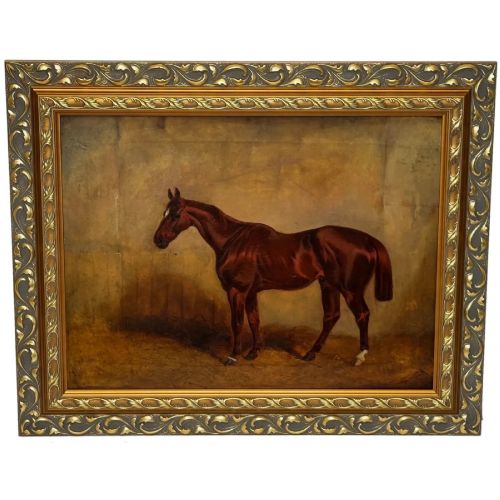
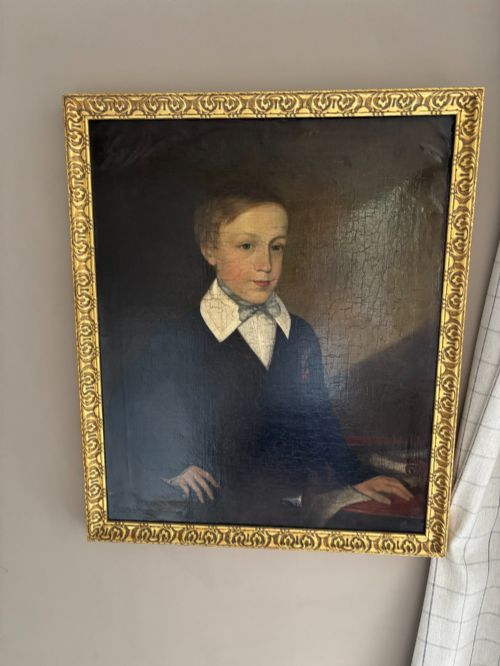
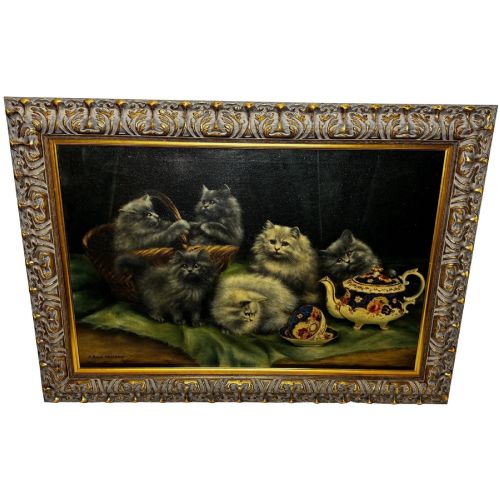
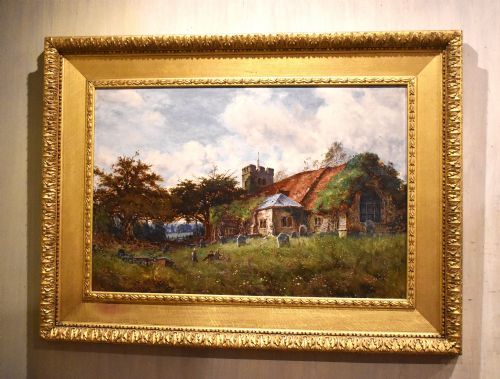
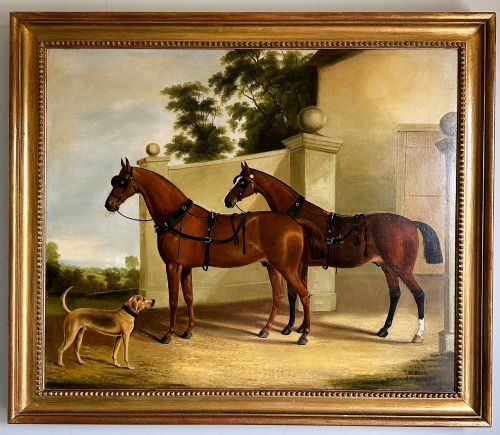
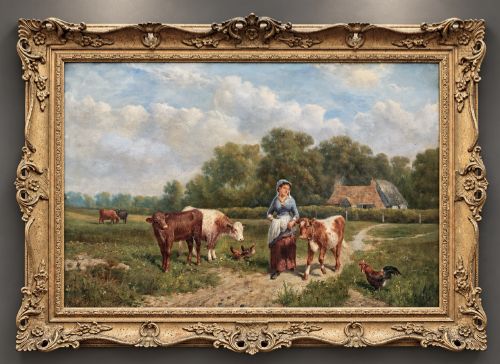
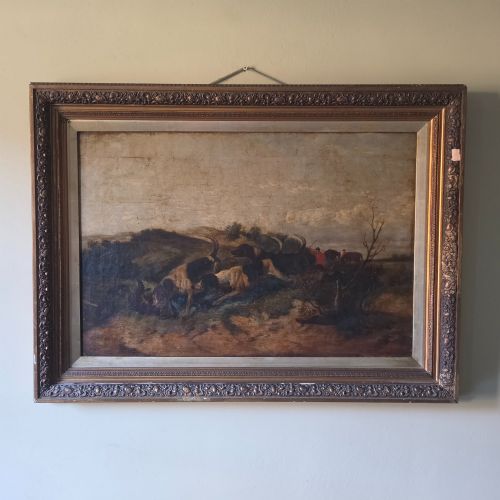
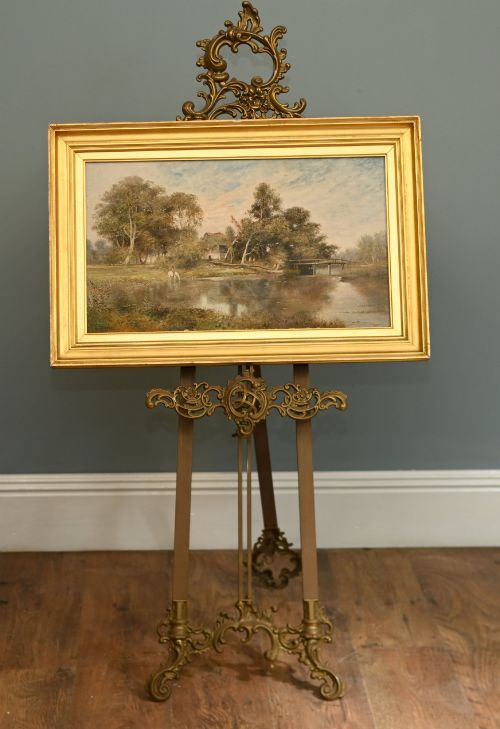
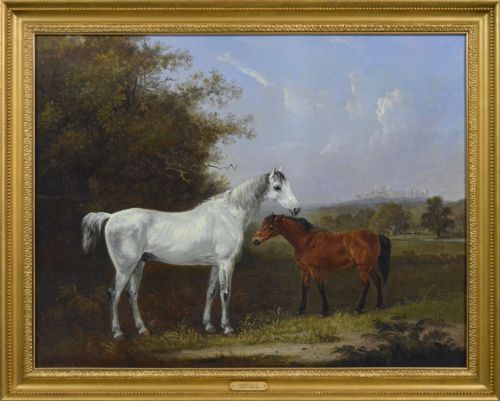
Buyers exploring 19th century english art encounter a diverse selection of oil paintings, watercolours, and drawings alongside functional country furniture and decorative objects. The pictorial works capture rural landscapes, coastal scenes, domestic genre scenes, and formal portraiture spanning the Georgian, Regency, and Victorian periods.
Oil paintings on canvas and wooden panels sit alongside delicate watercolours and bodycolour studies created by both named artists and the broader English School. Practical pieces such as oak dressers, armchairs, and partners desks reflect the robust craftsmanship and utilitarian design of the era.
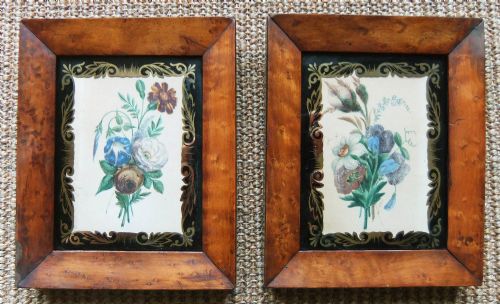
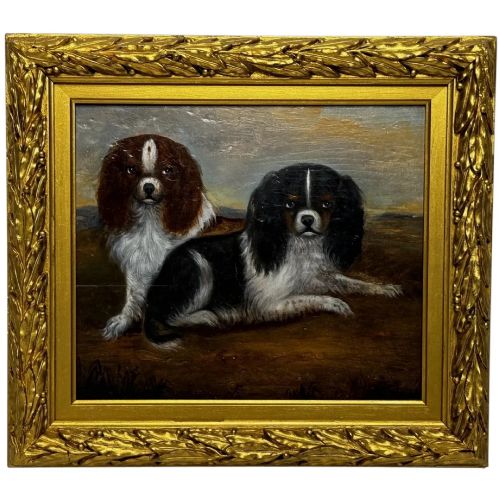
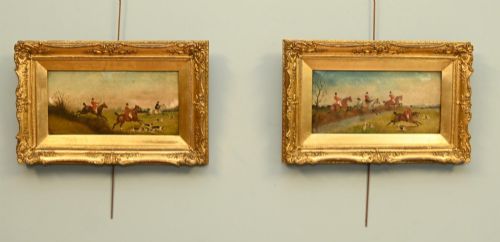
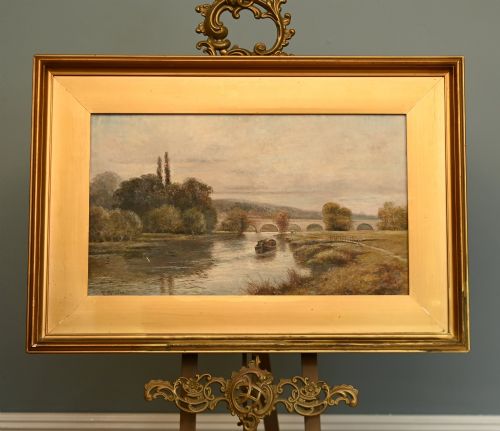
The selection ranges from exhibition-scale watercolours depicting game and landscapes to intimate portrait sketches and detailed botanical or animal studies. Regional British views from Devon, Cornwall, and the Thames Valley dominate the topographical paintings available.
Materials and Construction
Painters of the period utilised oil on canvas, wooden boards, and panel, alongside finely ground watercolours and bodycolour on paper. Frames were frequently executed in giltwood or carved wood to complement the pictorial works.
Carpentry and furniture production relied upon solid English oak, fruitwood, elm, and laburnum, often incorporating traditional joinery methods. Treen items and utility wares show evidence of hand-carving, punchwork, and incised line decoration.
Works on paper required careful application of washes and pencil underdrawing, while oil paintings on canvas demanded structured preparation of the ground before the application of pigments by brush.
The listings combine British topographical watercolours, rural genre scenes, and sturdy oak furniture from the Victorian and Regency eras.
Distinctions in Quality
The standard of execution in paintings is determined by the precision of the draughtsmanship, the handling of light and atmospheric perspective, and the preservation of the original pigment. Works by established Royal Academicians or exhibited artists display superior anatomical accuracy and compositional balance compared to simpler amateur studies.
In furniture and treen, quality is evident in the selection of figured timbers, the tightness of structural joints, and the subtlety of carved or incised ornamentation. Pieces retaining their untouched surface patination command greater regard than those with extensive modern alterations.
Framing and mounting also influence the overall integrity of works on paper, where conservation of the original paper sheet and avoidance of excessive bleaching dictate the surviving condition.
William James Hubard·George Sydney Shepherd·Joseph Clover·James Orrock·Alfred Young Nutt·Frederick Marriott·John Horace Hooper·John McDougal·William Etty·William Banks Fortescue·Robert A Nottingham·Philip Clissett·David Bates·Benjamin Barker of Bath·Henry Silkstone Hopwood·Sir Thomas Lawrence·Vincent Clare·Walter Heath Williams·Albert Clark·Robert Thorne Waite·Edward Ladell·George Augustus Holmes·Thomas Sidney Cooper·Joseph H Barnes·William Blake Richmond
The 19th Century English Art Glossary
- Bodycolour
- Watercolour paint mixed with a white pigment to render it opaque, allowing for highlights and denser areas of colour. This technique was frequently utilised in Victorian landscapes and game studies.
- Treen
- Small handmade wooden household objects produced from the 19th century and earlier, including items like knitting sheaths and small containers. These utilitarian pieces often exhibit decorative incised line work and punchwork.
- Genre painting
- A pictorial representation depicting scenes from everyday life, ordinary people, and domestic activities. Such works were immensely popular throughout the Victorian period.
- Partners desk
- A large double-sided pedestal desk designed for two people to work opposite one another, commonly constructed from solid oak during the 19th century.
- Provenance
- The documented history of ownership of an antique object, which helps establish its authenticity and origin. Detailed provenance often links a painting to specific exhibitions or collections.
19th Century English Art: Frequently Asked Questions
How should I hang antique watercolours?
Watercolours are sensitive to light and require placement away from direct sunlight to prevent the fading of delicate pigments. Acid-free mounting and framing behind UV-protective glass help preserve the paper sheet over time.
Position paintings at eye level in rooms with stable humidity and temperature conditions. Avoiding exterior walls prone to dampness protects both the paper and the original frame.
Were 19th century oak desks used in homes?
Partners desks and library tables were primarily commissioned for large country houses, institutional offices, and studies. They provided ample workspace and storage drawers accessible from both sides.
In modern interiors, these substantial pieces function well as central architectural anchors in home offices or libraries. Their durable oak construction withstands daily use while offering generous surface area.
What defines a Victorian genre painting?
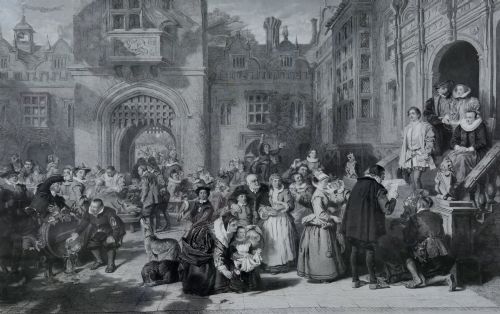
Genre paintings record everyday domestic scenes, agricultural labour, and social narratives rather than grand historical or mythological subjects. Artists focused on relatable human stories, such as children playing, farm workers, or market vendors.
These canvases offer a window into 19th-century social history through contemporary dress, domestic interiors, and rural landscapes. They were widely exhibited and collected by the Victorian middle class.
How do I identify a Victorian artist's easel?
Artists' easels from the period are constructed from heavy oak with adjustable winding mechanisms, brass fittings, and heavy bases designed to support large canvases. Makers' stamps or brass plates from firms often appear on the woodwork.
Practical studio use meant these easels were built for durability and mechanical adjustment. Today, they serve as functional display stands for artwork or retain their presence as decorative studio furniture.