



Historical Interior Artwork
Historical interior artwork brings domestic spaces of past centuries into modern rooms through detailed oil and watercolour scenes.
Historical Interior Artwork
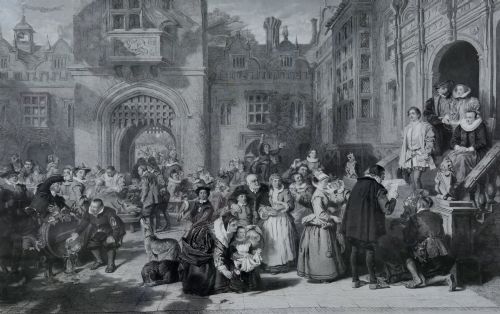
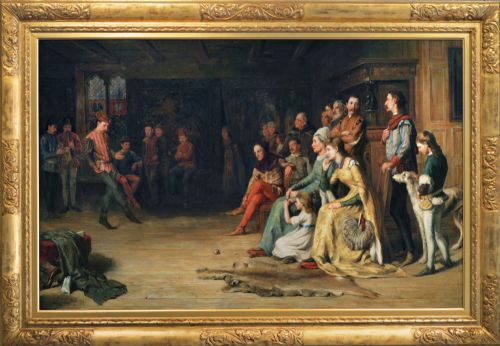
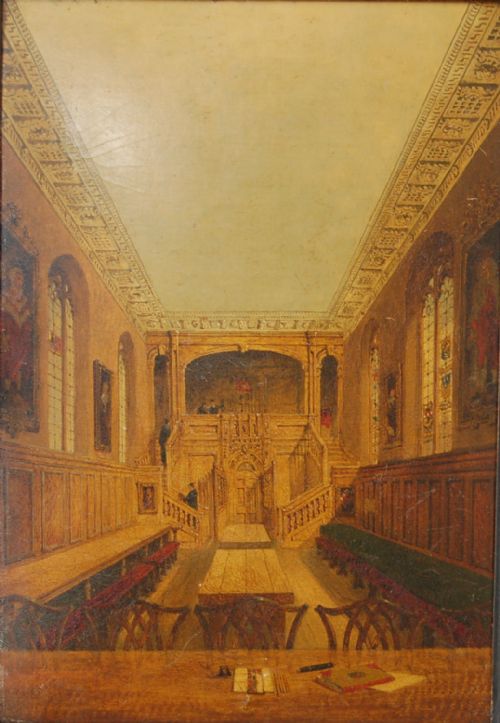
Historical interior artwork depicts domestic scenes, social gatherings, and formal rooms painted during the nineteenth and early twentieth centuries. These pieces capture everyday household rituals, card games, and musical interludes within period settings.
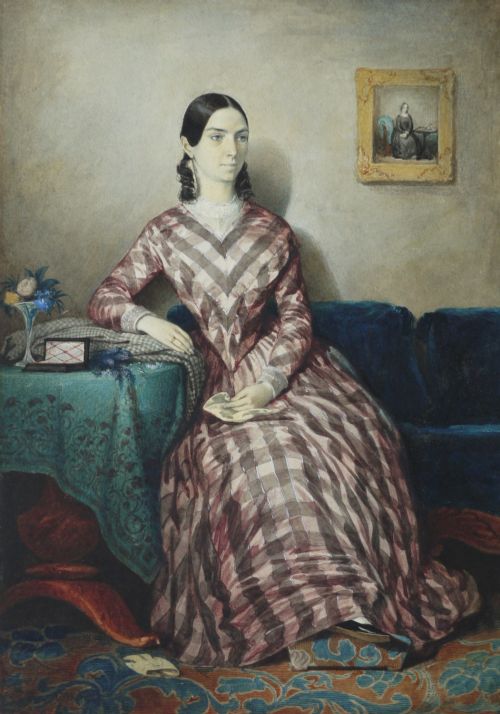
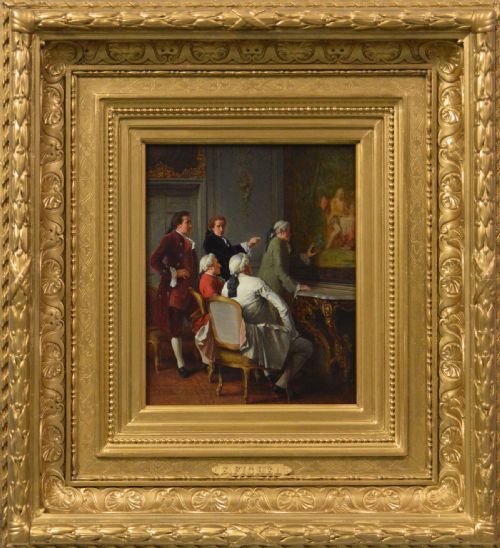
Buyers meet works executed in oil on canvas and watercolour on paper, frequently housed in giltwood frames. The subjects range from grand academic compositions to intimate drawing-room watercolours.
Materials and methods
The application of oil paint allows for rich colour depth in clothing and interior lighting, whereas watercolour offers a lighter touch for domestic vignettes.
One domestic interior captures a gentleman's shaving ritual abruptly interrupted by his wife.
Quality and execution
Quality rests on the precision of brushwork and the artist's ability to render complex interior perspectives, human expressions, and period costumes. Works associated with academic painters or exhibited at institutions demonstrate superior draughtsmanship.
The condition of the canvas, paper, and original framing elements influences the overall integrity of the piece.
James Hamilton ARSA·Johann Hamza·Benjamin Eugene Fichel·John Watkins Chapman·Robert Alexander Hillingford·Edwin Hughes·Henry Spernon Tozer·Rolinda Sharples·Marcel Brunery·George Goodwin Kilburne·George Cattermole·Joseph Murray Ince
The Historical Interior Artwork Glossary
- Genre painting
- Artwork depicting scenes from ordinary life, domestic situations, or social gatherings. These pieces often tell a narrative story about the figures portrayed.
- Giltwood
- Wood that has been coated with gold leaf or a gold-coloured finish. This material is standard for period frames enclosing fine art.
- Academic painting
- Art produced under the influence of European academies of art, following strict standards of composition and finish. Such works frequently feature historical themes.
- Watercolour
- A painting method in which the paints are made of pigments suspended in a water-based solution. Paper serves as the primary support for this medium.
- Cavalier
- A term used to describe adherents of King Charles I during the English Civil War, frequently appearing as a subject in nineteenth-century historical art.
Historical Interior Artwork: Frequently Asked Questions
What periods do these paintings cover?
The pieces span the nineteenth and early twentieth centuries, capturing Victorian, Edwardian, and Georgian aesthetics.
Subjects include domestic interiors, gentlemen's studies, and formal academic settings.
How should I frame these artworks?
Many works retain their original wood or giltwood frames, which complement the period context.
Matching a piece to a contemporaneous frame preserves its historical character.
Are these works painted on canvas or paper?
The collection includes both oil on canvas and watercolour on paper supports.
Larger academic compositions tend to use canvas, while smaller vignettes frequently utilise paper.
What subjects appear most often?
Common subjects feature figures engaged in domestic routines, musical performances, and social card games.
Artists meticulously documented period clothing, armour, and interior architecture.