

19th Century English Armchair
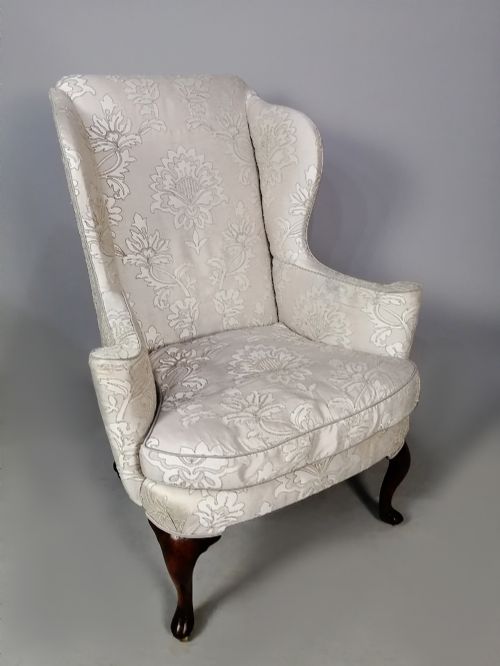
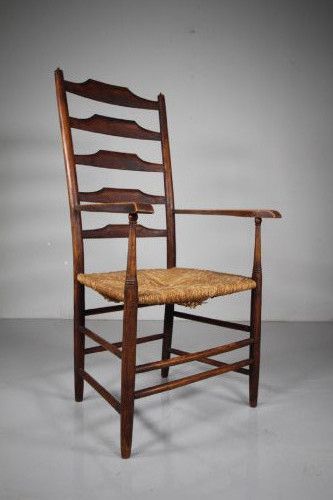
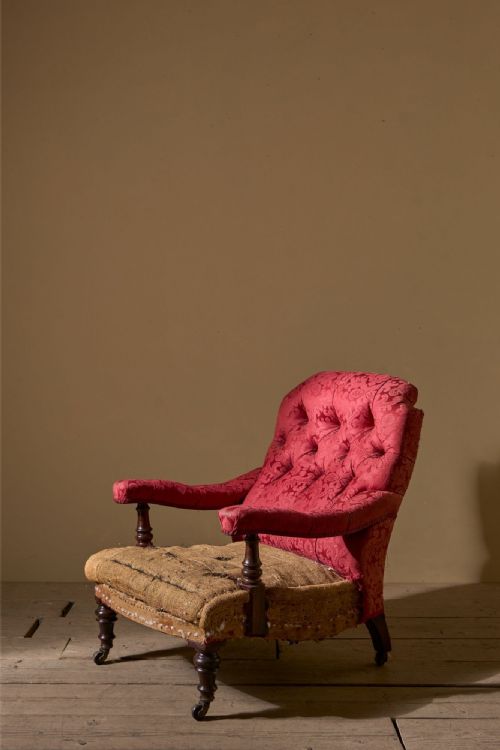
A 19th century english armchair brings structural honesty and historical weight to a room, offering enduring comfort through time-tested carpentry.
19th Century English Armchair
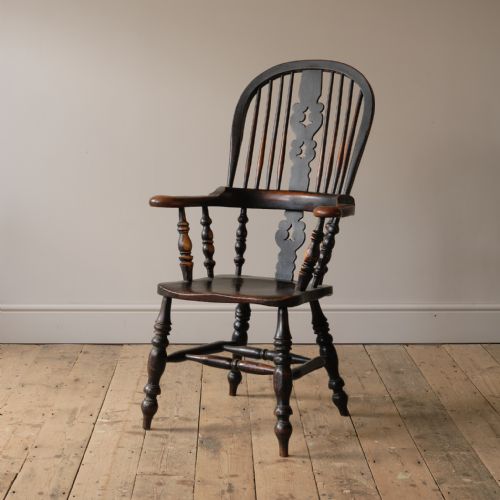
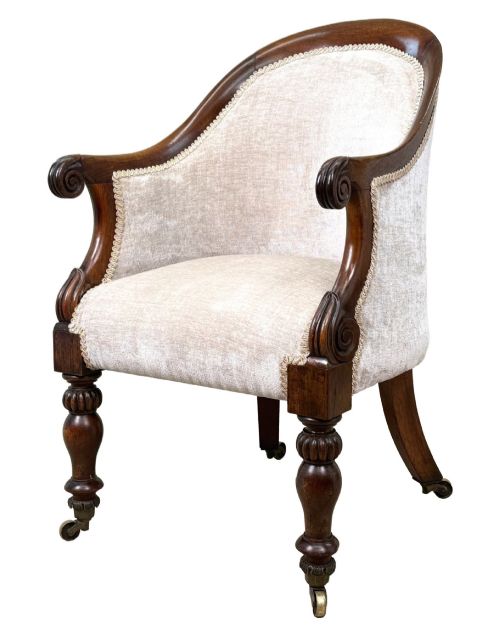
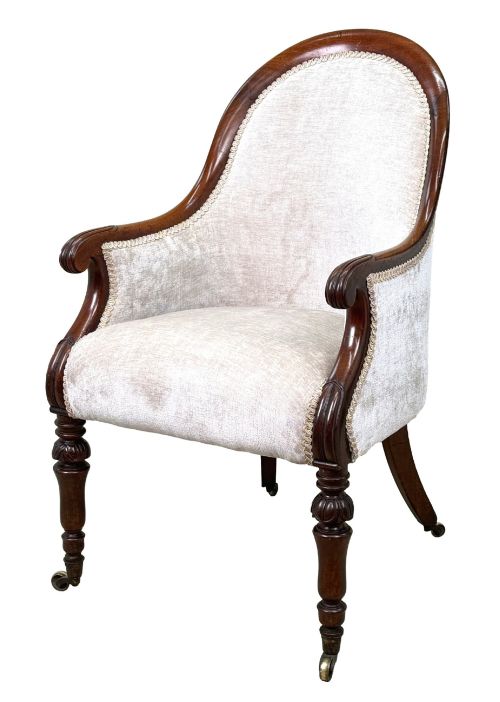
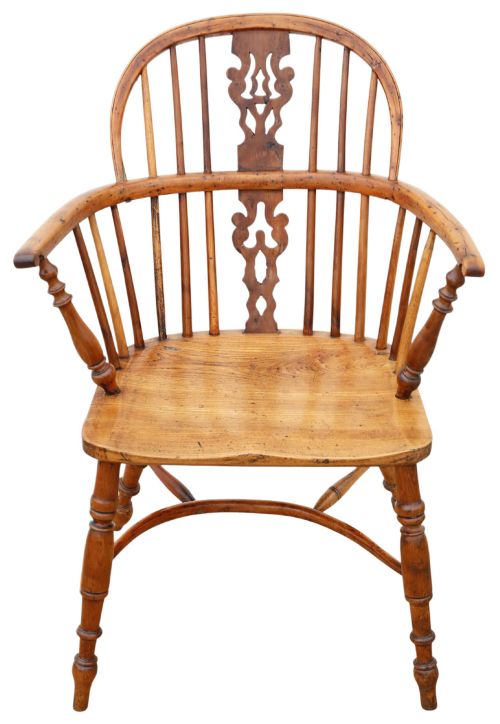
The 19th century english armchair spans robust country vernacular seating and formal upholstered library chairs. Buyers encounter solid wood windsor chairs alongside button-backed and leather-covered drawing room seats.
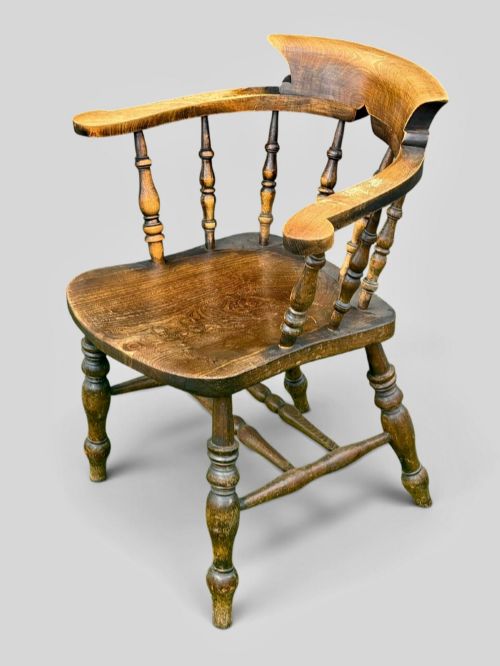
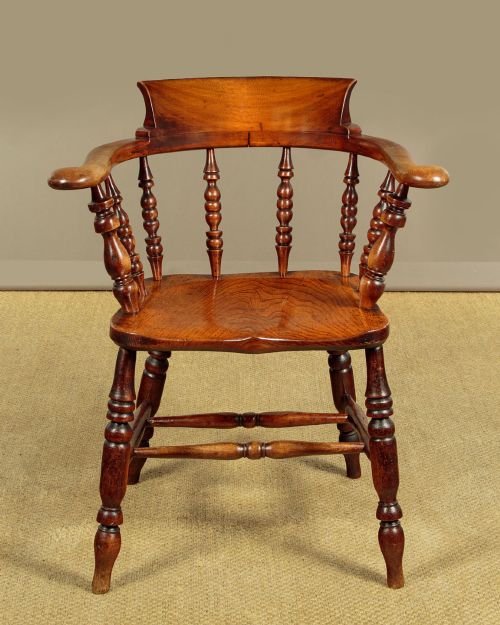
Regional variations appear frequently, from Lincolnshire wheel-back designs to low-slung smokers bows. These forms reflect the diverse domestic and social spaces of the Victorian and Regency eras.
Dining chairs, carvers, and rocking chairs populate the selections alongside deep-seated reading and library models. Each object serves a specific domestic function shaped by nineteenth-century life.
Materials and Technique
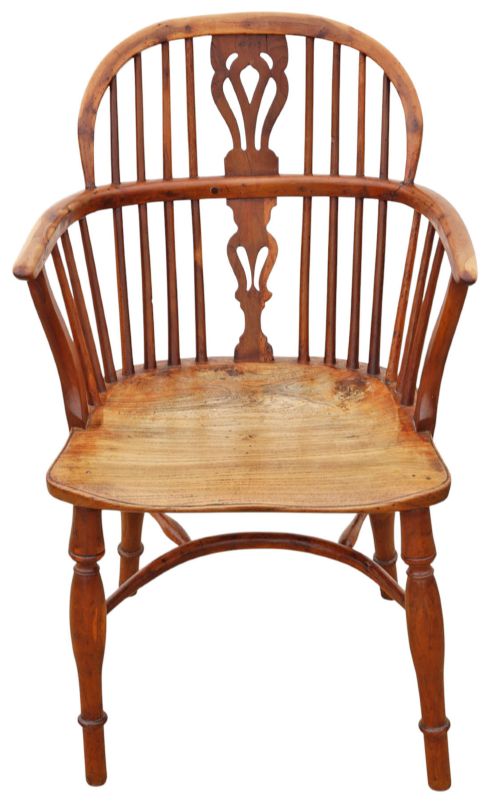
Windsor models utilise contrasting native timbers, pairing elm seats with ash, yew, or beech spindles and bowed backs. This combination exploits the tensile strength of bentwood alongside the stability of dense plank seats.
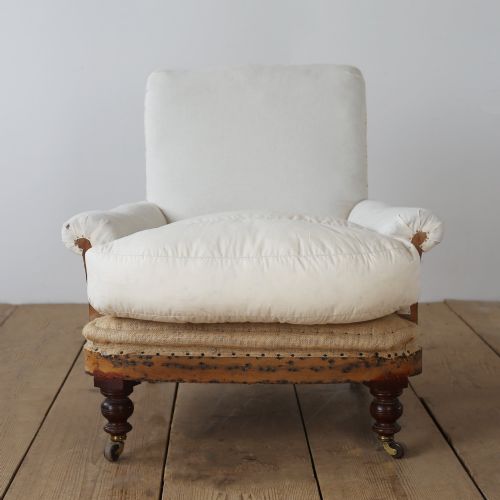
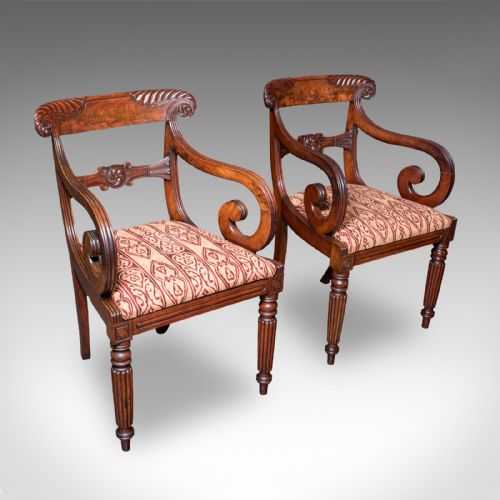
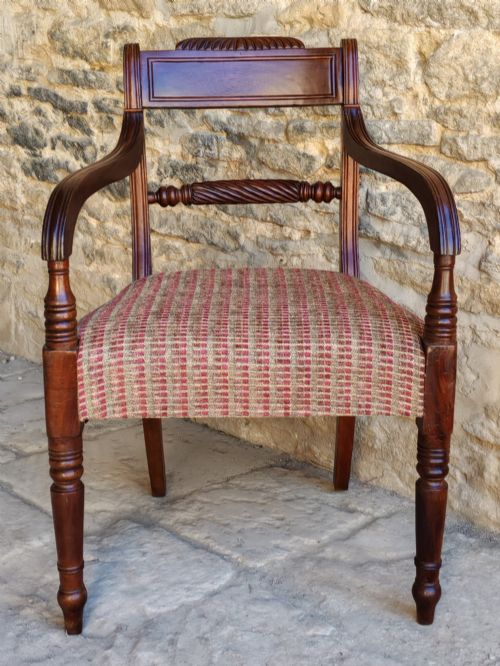
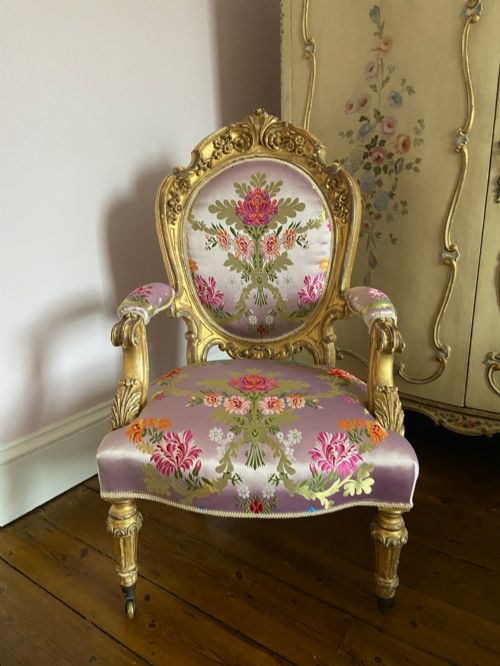
Formal seating relies on mahogany, walnut, and rosewood, often shaped into tub chairs or carved open armchairs. Upholstered variants conceal webbing, springs, and horsehair beneath leather, fabric, or velvet coverings.
Listings feature elm, mahogany, ash, and yew wood across Regency, Victorian, and William IV periods.
Determining Quality
The integrity of the timber framing dictates durability, with well-chosen grain matching and tight joinery separating superior work. Natural timber movement should integrate smoothly without compromising structural stability.
Upholstered forms depend on the depth of the springing and the execution of hand-stitched borders. Refined carving, stamped maker signatures, and retained original surfaces elevate specific examples.
Philip Clissett·Howard and Sons·Gillows·J Spencer·John Gee·Waring and Gillow
The 19th Century English Armchair Glossary
- Windsor chair
- A wooden armchair featuring a solid saddle-shaped seat into which the legs and back spindles are wedged directly. This vernacular form developed significant regional variations across England.
- Smokers bow
- A low-backed wooden armchair with a continuous curved rail serving as armrests and back support. These sturdy seats frequently appeared in domestic smoking rooms and Windsor taverns.
- Carver
- An armchair designed to match a set of dining chairs, typically positioned at the head of a table. They share stylistic motifs with the smaller side chairs in the dining suite.
- Tub armchair
- A fully upholstered seating form featuring a continuous curved back and arms that enclose the sitter. Regency and Victorian libraries frequently utilised these compact chairs.
- Spindle
- A slender turned wooden rod forming the backrest of stick-back and Windsor chairs. Turners shaped these components on lathes to distribute weight evenly across the frame.
19th Century English Armchair: Frequently Asked Questions
How do I identify a Windsor chair?
A Windsor chair utilises a solid wooden seat carved with a comfortable recess, where individual turned spindles form the back structure rather than a solid wooden board.
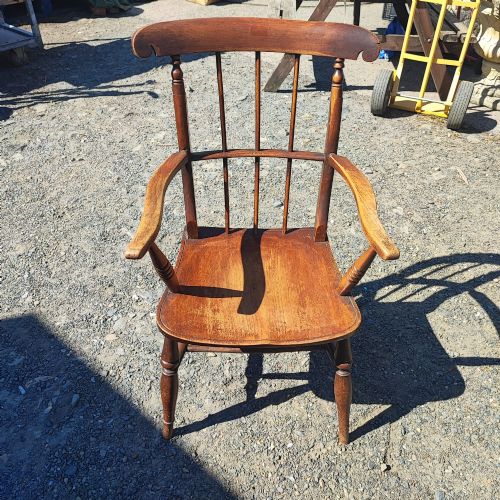
Different English regions produced distinct variations, such as wheel-backs or high-back kitchen models, utilising combinations of ash, elm, and yew.
Where should I place a library armchair?
Library armchairs suit studies, reading corners, or quiet reception spaces where deep seating and supportive arms provide comfortable long-term use.
Mahogany and rosewood tub styles pair well with traditional wooden bookcases and writing desks.
Are upholstered 19th-century armchairs comfortable?
Nineteenth-century upholstered chairs often feature deep coil springs and layered horsehair stuffing designed for extended periods of relaxation.
Many examples offer generous proportions that accommodate modern sitting preferences while retaining period profiles.
How do I date a wooden country armchair?
Dating relies on tool marks, timber selection, and the evolution of turning styles between the Regency and late Victorian periods.
Ash and elm combinations paired with stick-back construction frequently indicate nineteenth-century rural production.