





19th Century Ebony Table
A 19th century ebony table brings dense, dark timber and crisp craftsmanship into a room, offering a striking focal point for a study or drawing room.
19th Century Ebony Table
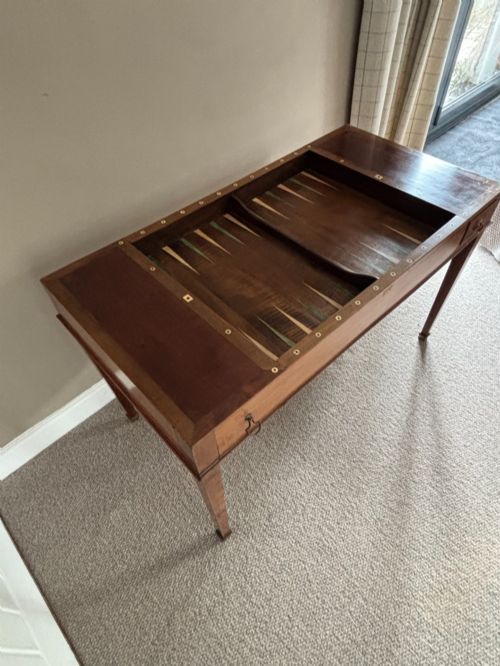
A 19th century ebony table encompasses diverse forms designed for varied domestic uses, ranging from centre tables and side tables to games tables, writing tables, and desks. Buyers seeking this phrase encounter pieces that demonstrate the heavy dark wood or ebonised surfaces characteristic of the period.
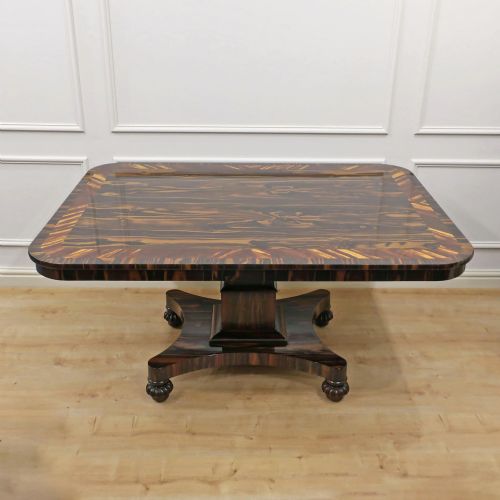
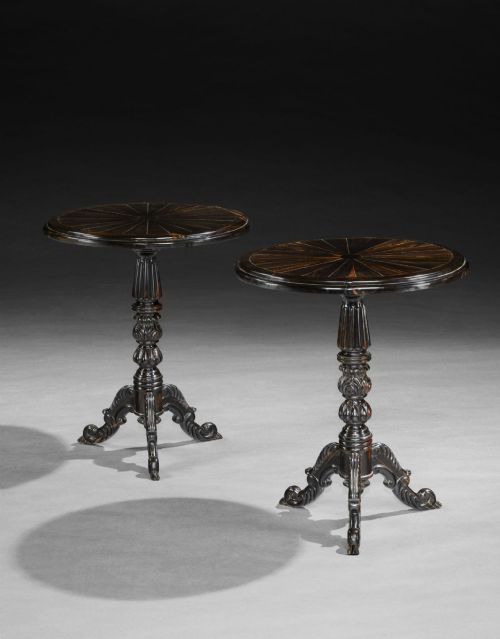
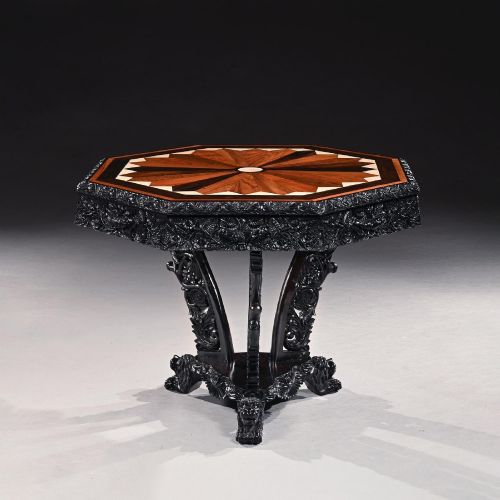
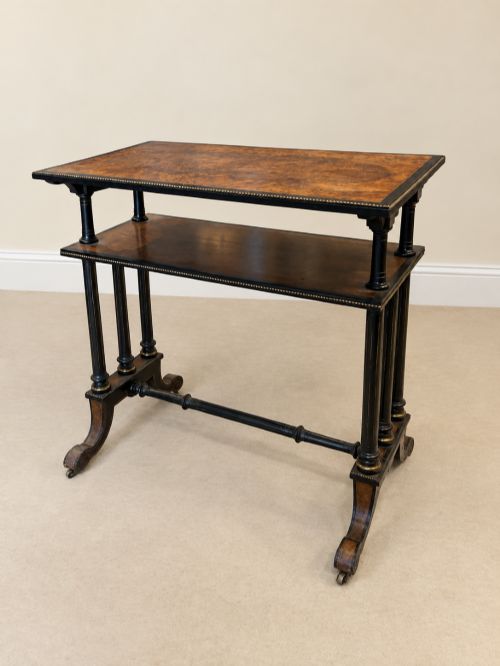
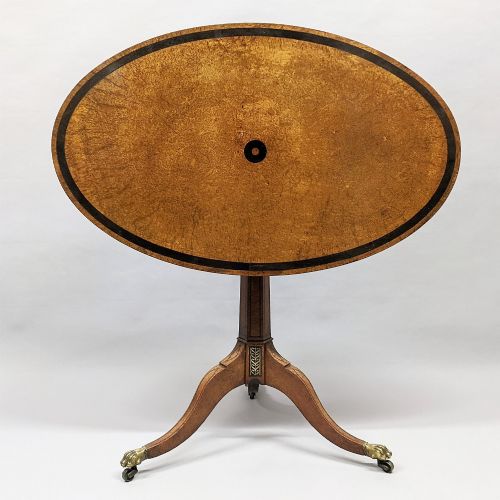
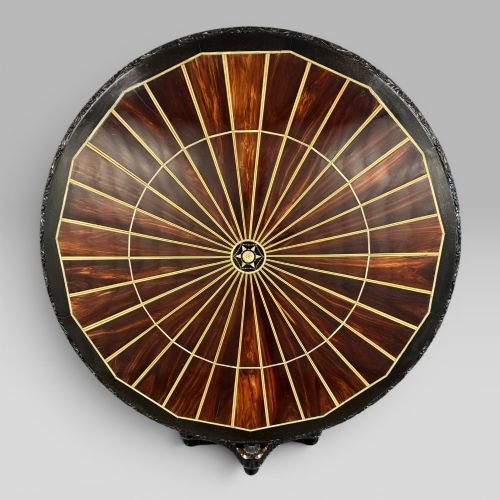
The selections on this page lean heavily towards regional and revival styles, including Regency, Victorian, Aesthetic Movement, French Empire, and Anglo-Indian or Ceylonese colonial work. Centre tables and side tables dominate the offerings, often featuring intricate specimen wood tops or carved pedestals.
Origins stretch from European capitals to colonial workshops in Ceylon and China, reflecting global trade in exotic timbers. Solid ebony constructions appear alongside mahogany, oak, and walnut carcasses enhanced with ebony stringing, banding, or parquetry.
Materials and construction
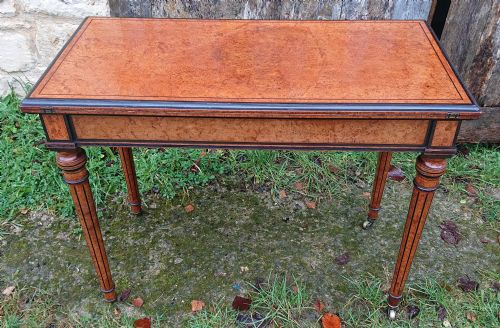
The makers utilised dense tropical hardwoods, predominantly solid ebony or calamander, alongside secondary timbers like mahogany, oak, and walnut that provided structural stability. Exotic veneers such as amboyna, burr yew, and satinwood added contrasting panels and geometric borders to tabletop surfaces.
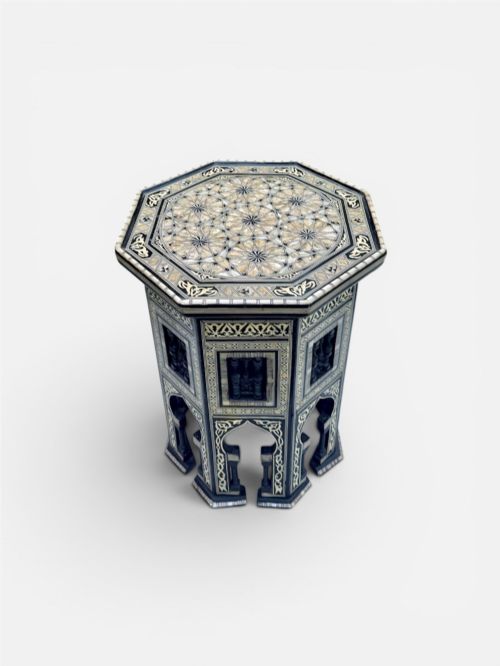
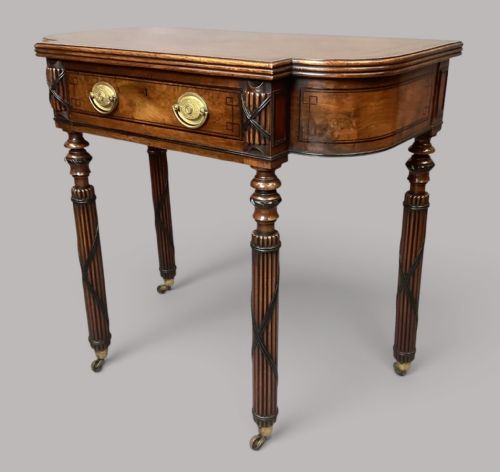
Decorative detailing relied on precision craftsmanship, incorporating bone inlay, mother-of-pearl, brass stringing, and parcel gilding to accent the dark timber. Turning, carving, and parquetry formed the primary structural and decorative techniques visible across tripod bases, pedestal columns, and folding leaves.
19th Century Ebony Table Retail Price Guide 2026
Typical asking prices for 19th century ebony table among the pieces listed under this phrase on Sellingantiques today, from the lower quarter to the upper quarter. They describe what is for sale here now, not the wider market.
Listings feature 19th century pieces incorporating solid ebony, ebonised wood, amboyna, mahogany, bone, and marble.
Judging quality
Quality rests in the selection and preparation of the timber, where dense, finely grained solid ebony commands greater appreciation than simple ebonised softwood. The precision of inlaid specimen woods, bone, and mother-of-pearl demonstrates the artisan's skill and patience.
Structural integrity and the retention of original mounts, turning, and joinery distinguish superior examples from altered pieces. The harmony between the primary dark timber and secondary veneers reveals the design ambition of the workshop.
Paul Sormani·Gregory and Co·Gillows·Marsh and Tatham
The 19th Century Ebony Table Glossary
- Ebonised
- Wood treated with a dark stain or finish to imitate the appearance of genuine ebony. This technique allowed cabinetmakers to achieve a rich, uniform black surface on more accessible timbers.
- Specimen wood
- A tabletop or decorative panel composed of many small geometric pieces of different natural timbers. These woods display their diverse native colours and grains without artificial staining.
- Stringing
- Thin inlay lines of contrasting wood or light-coloured material set into channels in the furniture surface. It creates delicate borders around table edges and drawer fronts.
- Parquetry
- Geometric mosaic woodwork arranged in patterns resembling brickwork or tiles. It provides a durable and decorative surface for table tops and cabinet doors.
- Calamander
- A heavy, durable tropical hardwood featuring distinctive dark brown and light brown wavy stripes. It was frequently imported from South Asia for high-end colonial furniture.
19th Century Ebony Table: Frequently Asked Questions
What is a 19th century ebony table used for?
These tables served specific domestic functions within period interiors, operating as writing desks, card tables, or central display surfaces in reception rooms.
Today, they function well as standalone accent pieces in a hallway, library, or living space where their dark timber creates visual weight.
How do I tell solid ebony from ebonised wood?
Solid ebony displays a natural weight, cold touch, and dense grain structure that penetrates entirely through the material. Scratches or hidden undersides will reveal the same dark timber beneath the polished surface.
Ebonised wood typically uses an oak, fruitwood, or mahogany base where wear on corners or edges eventually exposes the lighter wood underneath.
Where were colonial ebony tables made?
Colonial production centred heavily in regions like Ceylon, where local craftsmen utilised indigenous ebony and exotic specimen woods. These workshops combined European furniture forms with local carving traditions.
Export pieces often travelled to European markets via maritime trade routes, resulting in distinctive regional interpretations of Regency and Victorian styles.
How do I care for antique ebony furniture?
Maintain stable indoor humidity levels and keep the wood away from direct sunlight and heat sources to prevent timber movement or veneer cracking. Occasional dusting with a soft, dry cloth preserves the polished finish.
Avoid silicone-based polishes or harsh chemical cleaners, opting instead for traditional wax formulated for antique hardwood surfaces.