


19th Century Earthenware Pitcher
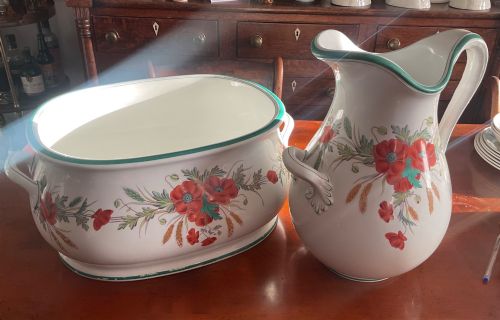
A 19th century earthenware pitcher brings tangible domestic history to a room through varied transfer prints and lustrous glazes.
19th Century Earthenware Pitcher
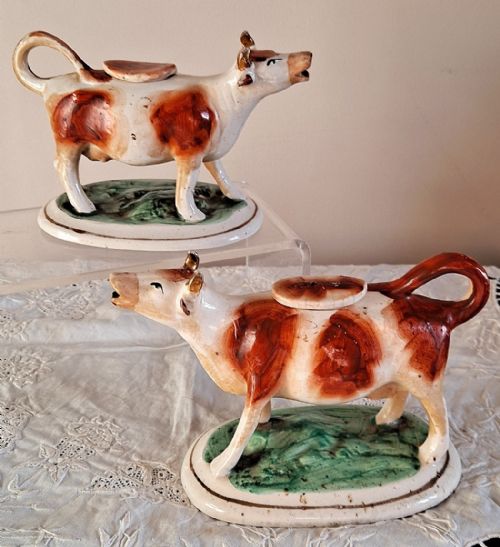
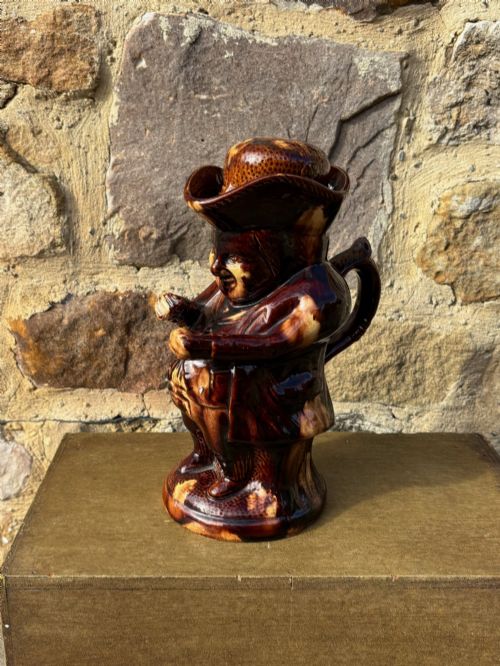
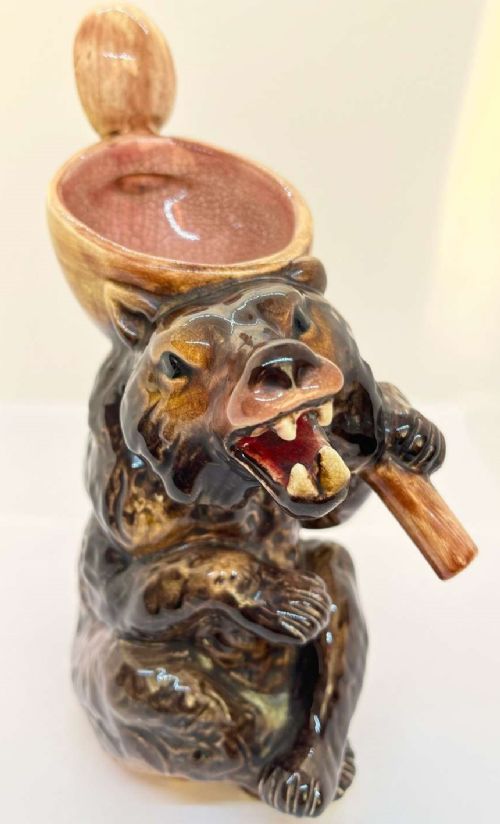
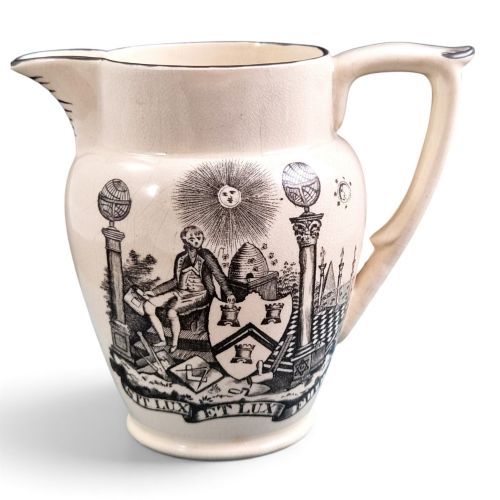
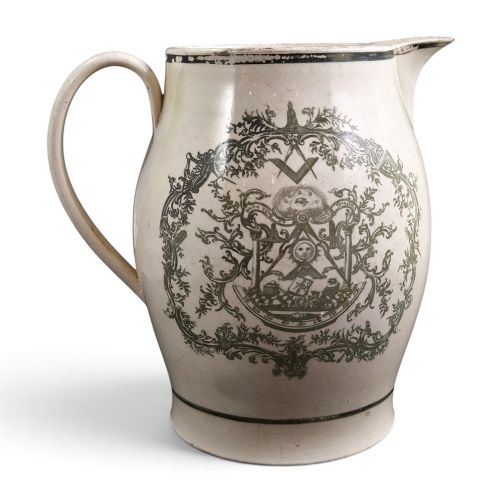
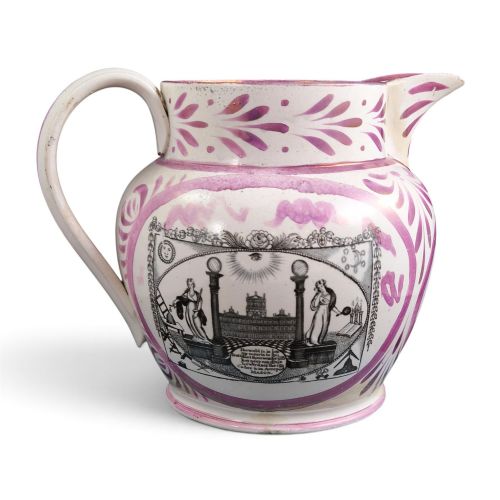
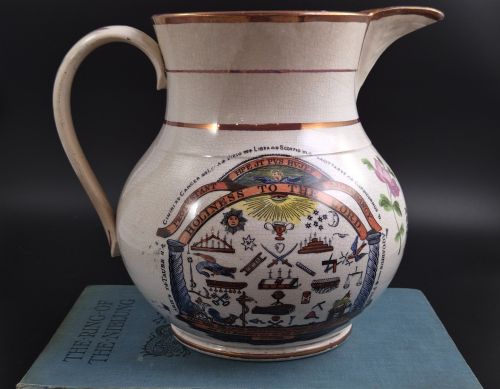
A 19th century earthenware pitcher encompasses a broad array of domestic vessels produced across Georgian, Regency, and Victorian periods. Collectors encounter everything from spirited Toby jugs and cow creamers to large transfer-printed Masonic vessels and Gaudy Welsh tablewares.
The inventory reflects significant regional output from English potteries, including Sunderland, Staffordshire, and Yorkshire works. Forms range from utilitarian tavern vessels to commemorative pieces bearing ships, political slogans, and historic bridges.
How They Were Made
Potters shaped porous earthenware bodies before applying specialised coatings such as copper lustre, creamware glazes, and treacle or tin glazes. Many examples integrate black transfer printing or polychrome enamel painting directly onto the ceramic surface.
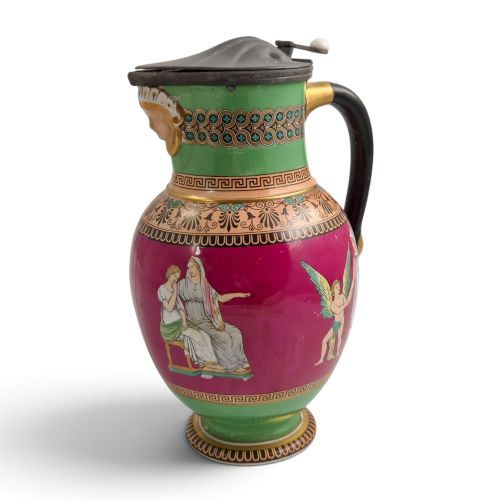
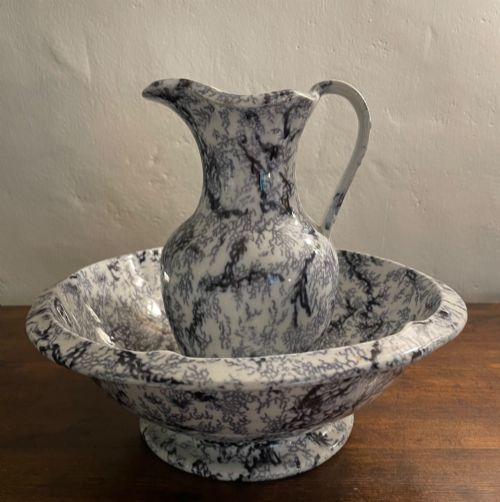
Specialist techniques defined specific houses and regions, yielding distinct outputs like flow blue decoration, pink splash lustre, and moulded majolica reliefs. Makers utilised hinged metal lids on select wine jugs alongside traditional ceramic handles and spouts.
19th Century Earthenware Pitcher Retail Price Guide 2026
Typical asking prices for 19th century earthenware pitcher among the pieces listed under this phrase on Sellingantiques today, from the lower quarter to the upper quarter. They describe what is for sale here now, not the wider market.
Listings span the Georgian, Regency, and Victorian eras, utilising earthenware, creamware, and tin-glazed ceramic bodies.
What Varies in Quality
Quality rests in the crispness of transfer printing, the evenness of the glaze application, and the complexity of the polychrome enamel palette. Finer pieces demonstrate precise hand-painting over printed outlines rather than rushed execution.
The weight of the earthenware body and the sharpness of moulded details, such as those on Toby jugs or animal creamers, separate standard production items from superior workshop output.
Samuel Alcock·Holdcroft·Minton·Ridgway and Sons·Yorkshire Potteries
The 19th Century Earthenware Pitcher Glossary
- Earthenware
- Porous ceramic fired at lower temperatures than stoneware or porcelain. It requires an impermeable glaze to hold liquids effectively.
- Transfer print
- A decorative technique where a design is pulled from an engraved copper plate onto tissue paper and transferred onto the ceramic body before firing.
- Lustre glaze
- A metallic film applied to pottery to create an iridescent sheen. Copper and pink Sunderland variations appear frequently on nineteenth-century jugs.
- Toby jug
- A pottery jug modeled as a stout, full-length figure usually seated and holding a mug or mug of beer. They often depict notable historical figures or stock characters.
- Creamware
- A refined, pale cream-coloured earthenware developed in Yorkshire and Staffordshire during the eighteenth century and continued into the nineteenth.
19th Century Earthenware Pitcher: Frequently Asked Questions
How were these pitchers used?
Nineteenth-century pitchers served practical daily functions at the table, pouring milk, water, beer, or wine during communal meals. Larger vessels often held celebratory roles, marking fraternal orders, military victories, or civic milestones.
Over time, many transitioned from pantry utensils to decorative mantelpiece items or specialised tavern jugs used for pouring drinks to patrons.
How do I date a pitcher?
Dating relies on stylistic clues, ceramic bodies, and manufacturing techniques recorded in the piece. Creamware bodies and black transfer prints point toward the earlier Georgian and Regency periods.
Victorian pieces often introduce brighter polychrome enamels, majolica glazes, or heavier moulded forms like animal creamers and figural Toby jugs.
What is Gaudy Welsh pottery?
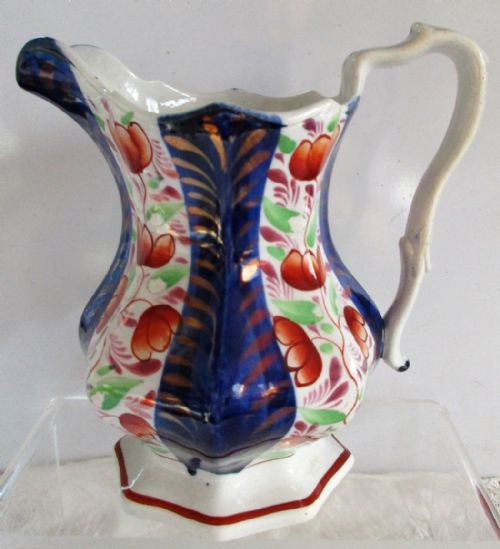
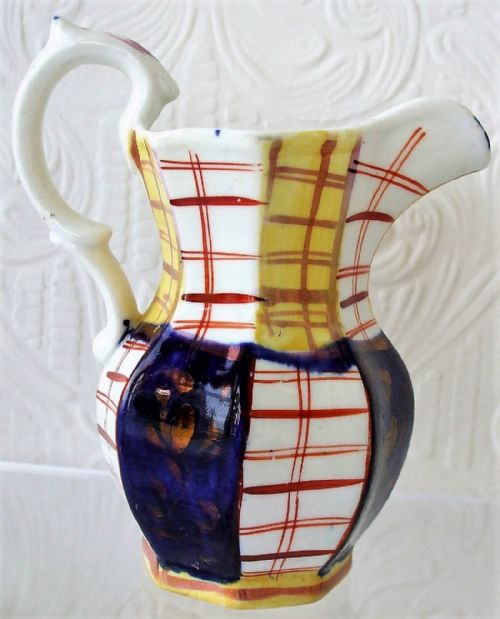
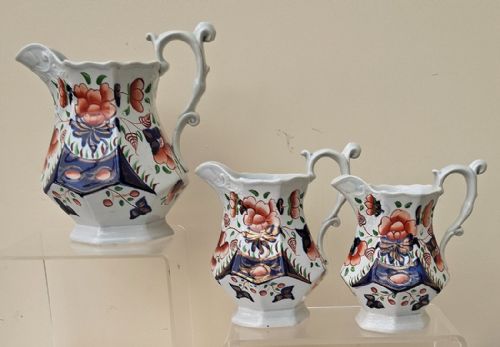
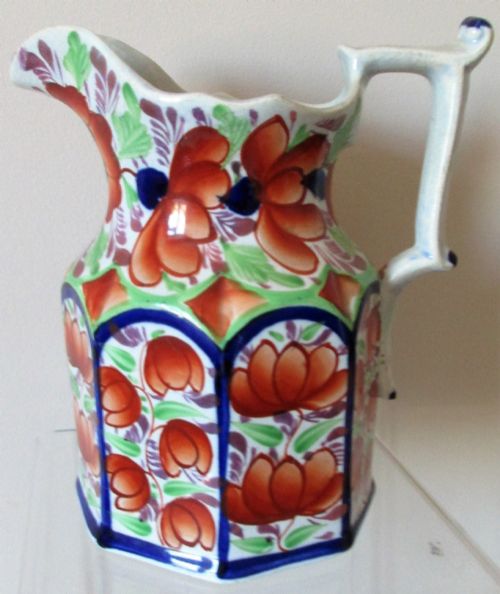
Gaudy Welsh refers to a distinctive type of colourful earthenware produced during the nineteenth century primarily for export to Wales. These pieces feature vibrant hand-painted enamels, frequently incorporating cobalt blue, copper lustre, and pink highlights.
Common patterns found on these jugs include named designs like Conwy, Tartan, and Cambrian Rose.
Where were these ceramics made?
The majority of these pieces originate from historic English pottery centres, particularly Staffordshire and the Yorkshire potteries. Sunderland also emerged as a prominent hub for pink lustre jugs.
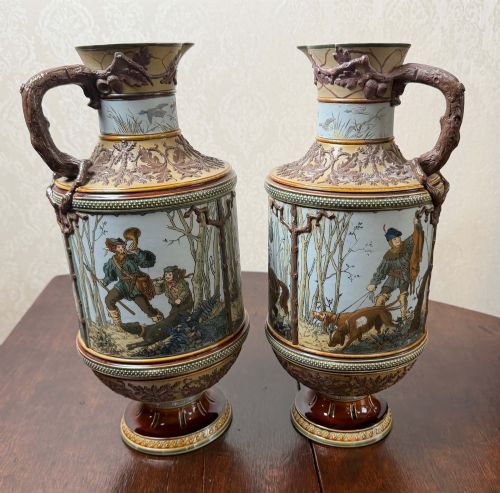
Occasional continental examples, such as Mettlach vessels or Italian majolica ewers, demonstrate broader European production styles found within the period.