




Vintage Gaudy Welsh Jug
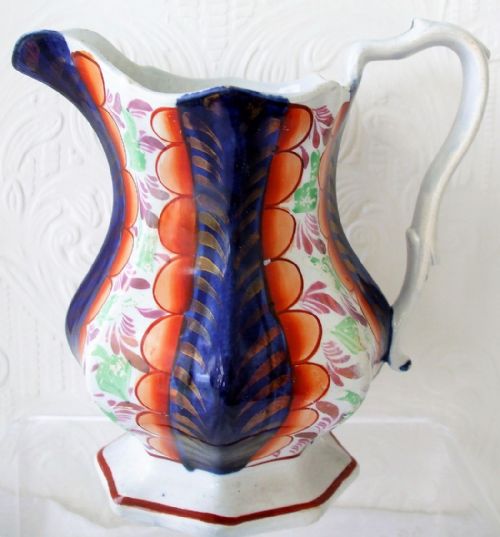
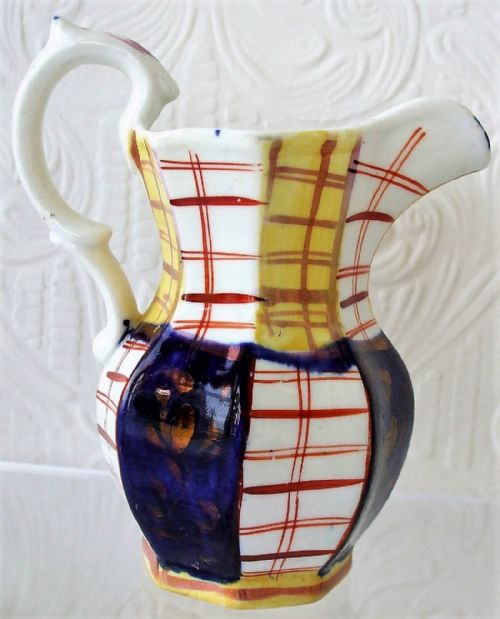
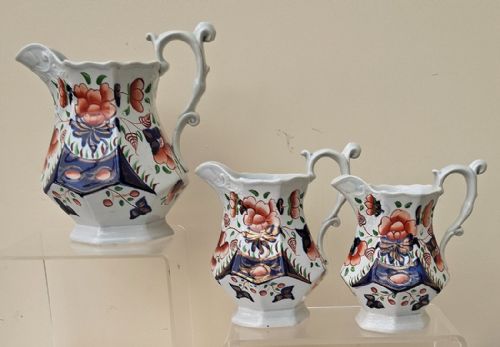
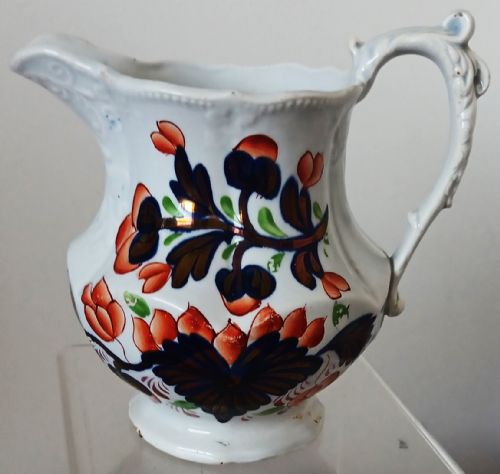
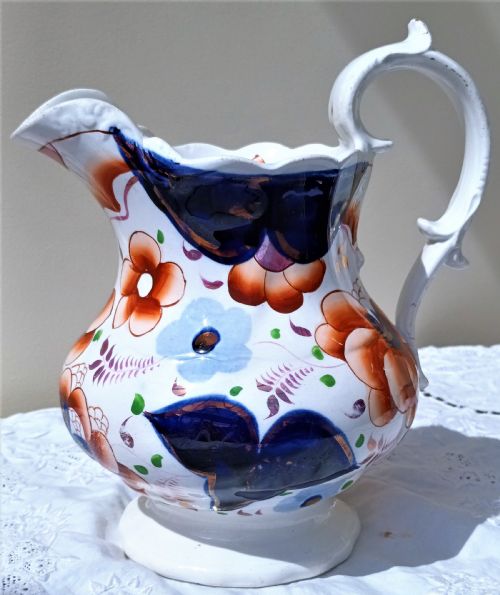
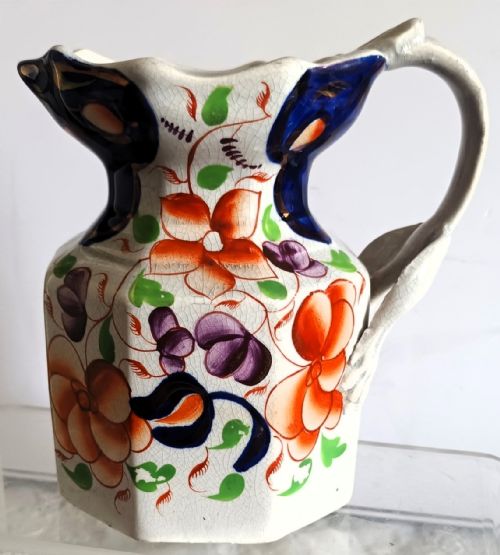
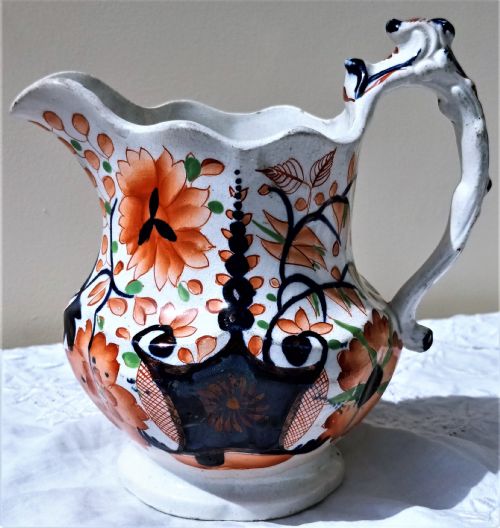
These vintage gaudy welsh jug pieces bring brilliant palette colours and metallic lustre to any table, offering robust earthenware forms that collectors prize.
Vintage Gaudy Welsh Jug
A vintage gaudy welsh jug represents a tradition of ceramic production spanning the nineteenth century and the early twentieth century. Most examples found on this page date from the Victorian period, whilst others carry Georgian or nineteen-twenty influences.
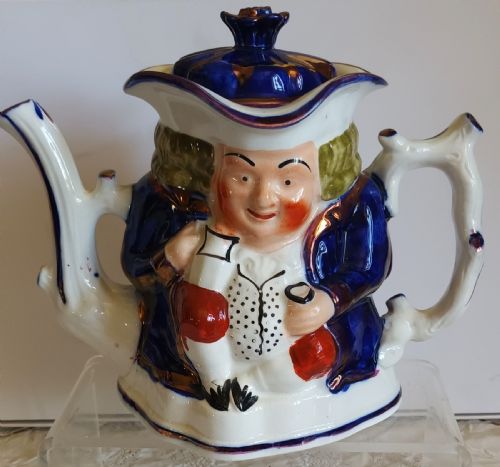
The assortment includes individual jugs, pitchers, jug sets, and even a Toby jug teapot. Specific pattern names recorded in the titles include Glamorgan, Tartan, Cambrian Rose, Bethesda, Grape, Drape, Pagoda, Gower, Harlech, and Gwent.
Makers utilised earthenware and ironstone to shape these vessels, which often measure among jugs and pitchers. Buyers frequently encounter nineteenth-century earthenware items that display distinct pattern titles linked to Welsh ceramic heritage.
How they were made
Potters shaped these vessels using earthenware and ironstone bodies before applying traditional glaze and enamel decoration. The creation process relied on durable ceramic techniques suited to everyday domestic use in the nineteenth century.
Makers integrated copper lustre and metallic lustre finishes to catch the light around the painted motifs. These glaze and enamel applications required careful firing to secure the vivid colours characteristic of the style.
Vintage Gaudy Welsh Jug Retail Price Guide 2026
Typical asking prices for vintage gaudy welsh jug among the pieces listed under this phrase on Sellingantiques today, from the lower quarter to the upper quarter. They describe what is for sale here now, not the wider market.
Listings span the nineteenth century and the year nineteen-twenty, featuring earthenware, ironstone, glaze, enamel, and copper lustre.
What varies in quality
The crispness of the enamel painting and the vibrancy of the glaze determine the visual impact of each piece. Finer examples display precise application of copper lustre and metallic lustre against the earthenware body.
Pattern execution varies between named designs such as Cambrian Rose and Pagoda, influencing how successfully the decorative scheme covers the jug form. The definition within moulded details on ironstone and earthenware shapes also separates standard production from superior work.
The Vintage Gaudy Welsh Jug Glossary
- Gaudy Welsh
- A style of colourful earthenware pottery featuring cobalt blue, iron red, and copper lustre. This decoration style appeared widely on nineteenth-century jugs and pitchers.
- Copper Lustre
- A metallic glaze finish producing a reflective coppery sheen. Potters applied this technique to highlight rims and handles on ceramic jugs.
- Ironstone
- A dense, durable type of ceramic developed in the nineteenth century. It provides a strong body for moulded jugs and tableware.
- Earthenware
- A porous pottery body fired at lower temperatures than porcelain. It forms the structural base for the majority of these nineteenth-century jugs.
- Toby Jug
- A pottery jug shaped as a full-bodied figure, usually seated. This category includes unusual forms like the Toby jug teapot.
Vintage Gaudy Welsh Jug: Frequently Asked Questions
What is a gaudy welsh jug?
A gaudy welsh jug is a nineteenth-century ceramic vessel decorated with bright enamel colours and metallic lustre. These pieces often feature specific named patterns like Glamorgan or Cambrian Rose.
Potters created them using earthenware or ironstone, resulting in durable tableware that survives today in various pitcher and jug formats.
How old are these jugs?
The pieces span the nineteenth century, with strong representation from the Victorian era. Some items bridge into Georgian styles, whilst others date to nineteen-twenty.
This broad timeline means individual jugs carry different decorative traits depending on their specific decade of production.
What materials were used?
Makers relied primarily on earthenware and ironstone to form the body of each jug. These ceramic materials provided the necessary strength for daily household tasks.
Surfaces were then finished with glaze, enamel paints, and metallic lustre to create the signature bright appearance.
How do pattern names work?
Pattern names recorded in historical titles identify specific decorative motifs applied to the pottery. Examples include topographical or regional titles such as Bethesda, Gower, Harlech, and Gwent.
Other designs take their names from visual motifs like Grape, Drape, Tartan, or Pagoda.