


19th Century Drinking Glass
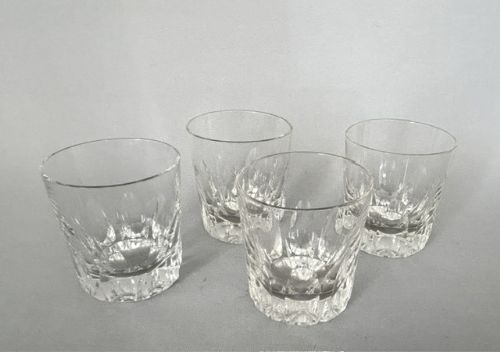
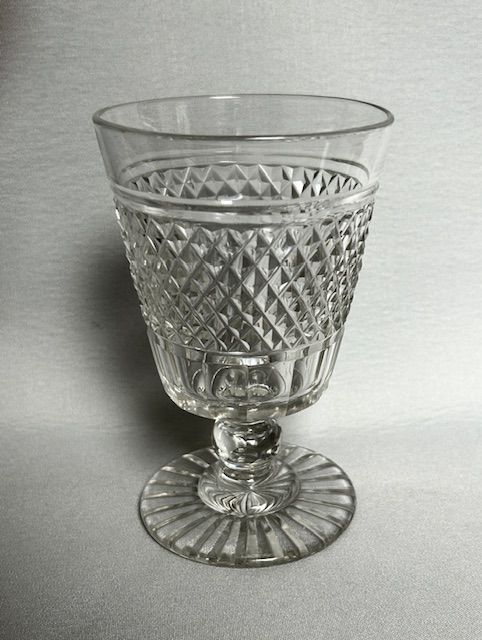
These pieces of 19th century drinking glass span tavern rummers, coloured wine stems, and heavy lead crystal tumblers designed for daily toasts and formal dining.
19th Century Drinking Glass
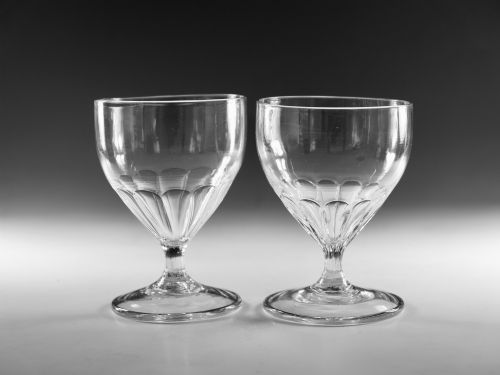
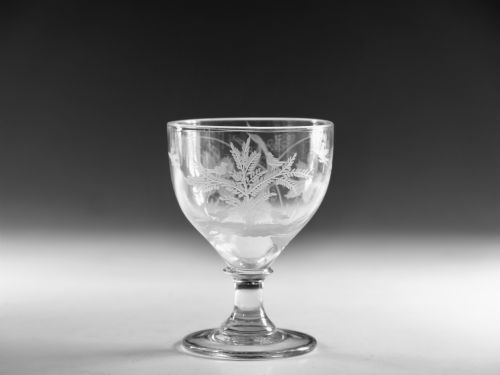
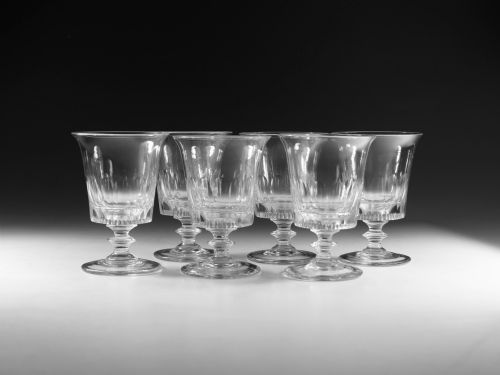
A 19th century drinking glass encompasses everything from sturdy Georgian rummers to colourful Victorian wine stems and cut crystal tumblers. The most common examples met on this page are rummers and wine glasses dating across the Georgian and Victorian eras, often formed from clear lead glass or rich green and cranberry hues.
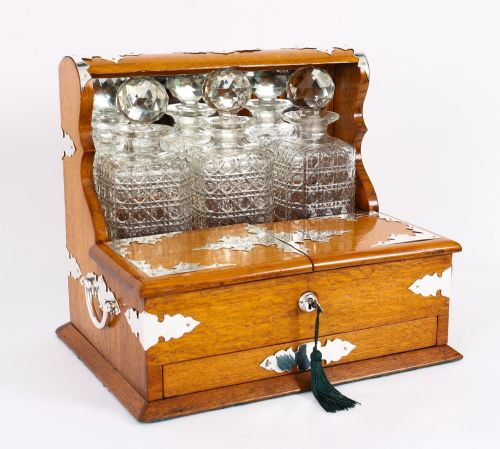
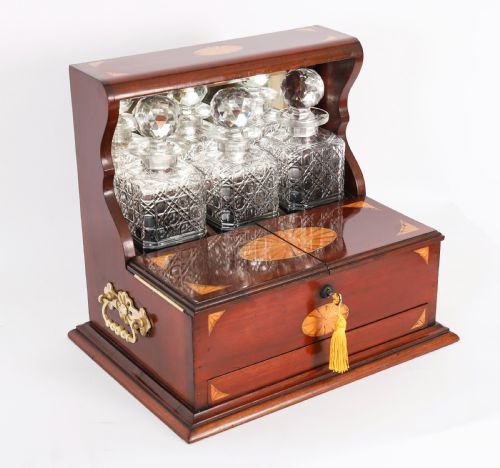
The objects serve varied functions at the table and sideboard, including heavy ale glasses, cordial vessels, and spirit tumblers. Alongside single items, matched sets appear alongside tantalus decanter sets housed in oak or satinwood frames.
How they were made
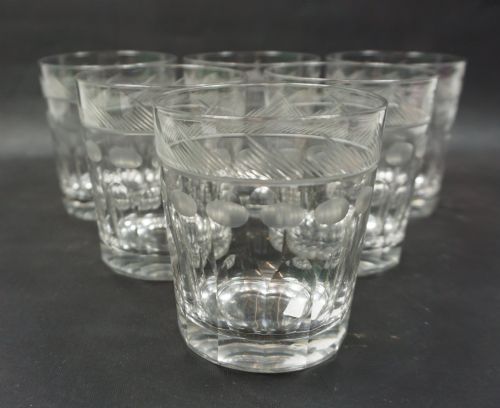
Makers utilised free-blowing, mould-blowing, and lead-rich glass batches to achieve heavy resonance and deep clarity. Lead glass provided the weight necessary for thick lemon-squeezer bases and deep wheel-cut facets.
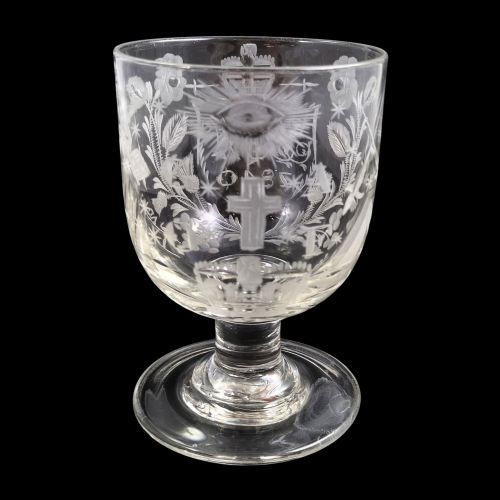
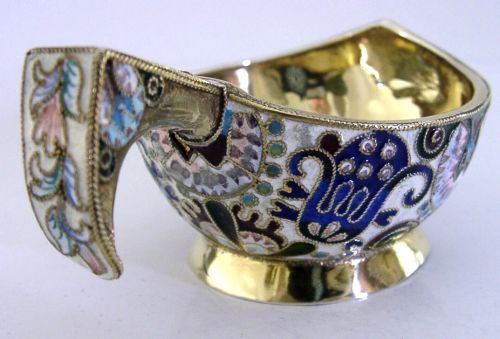
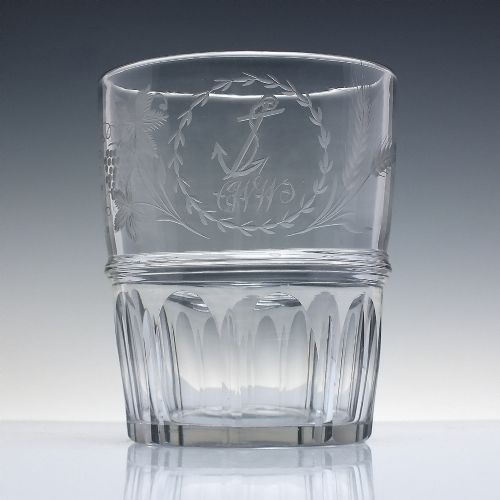
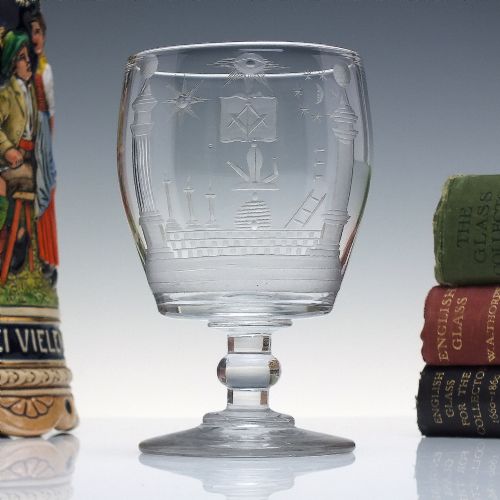
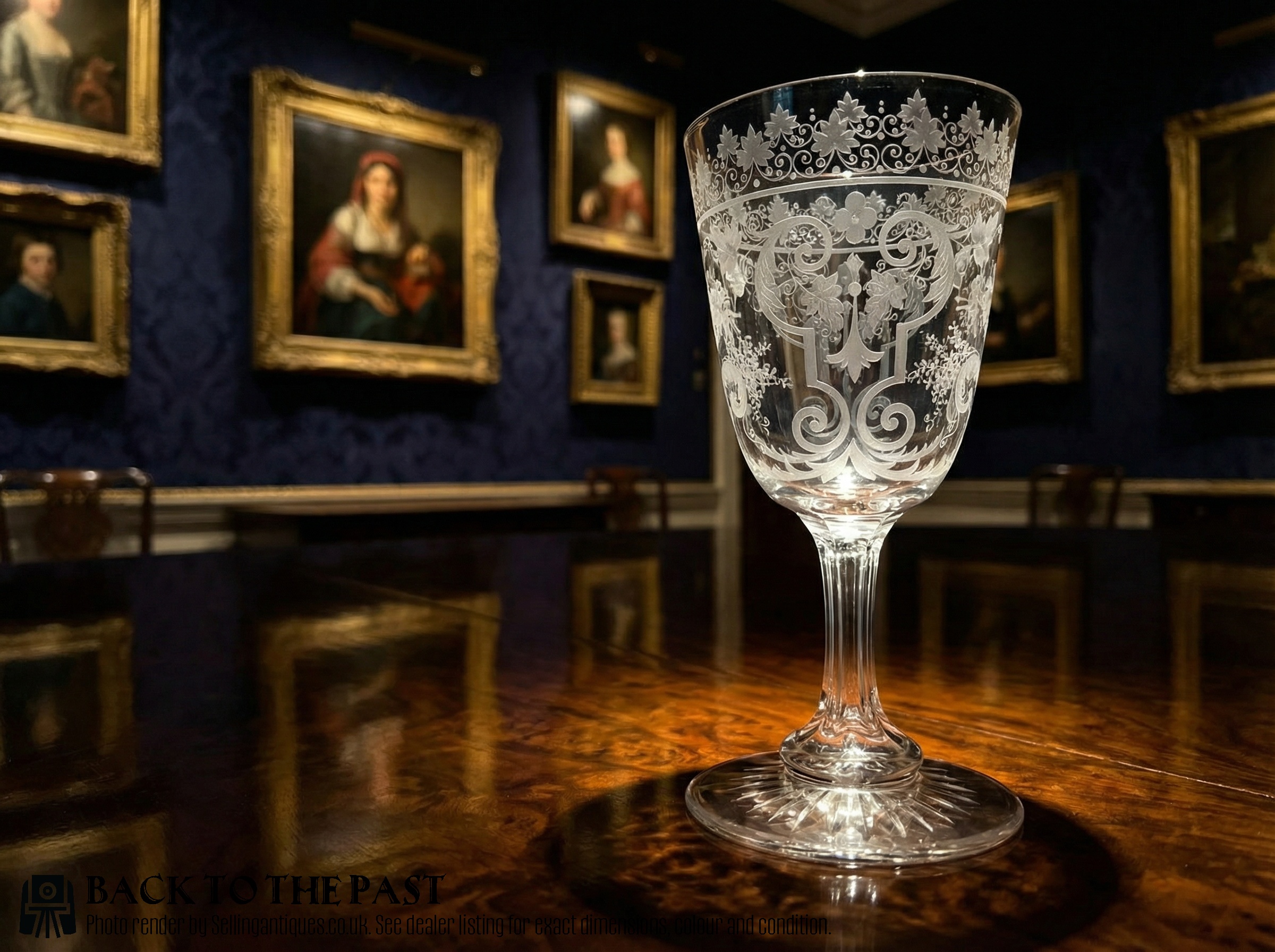
Surface decoration relied on wheel engraving, acid-cutting, enamel painting, and casing, where distinct layers of coloured glass were fused together before cutting through the outer layer.
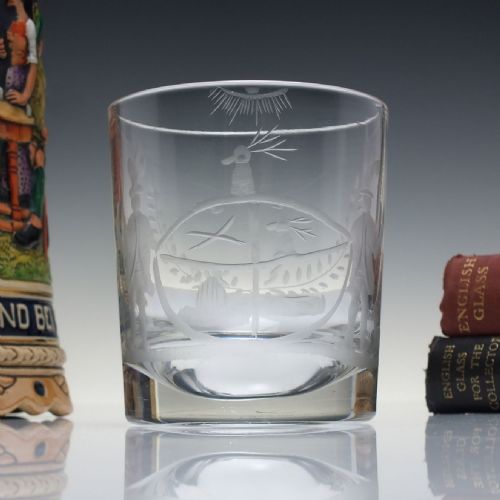
Fraternal orders like the Odd Fellows commissioned bespoke engraved glasses so members could toast with matching masonic symbolism.
What varies in quality
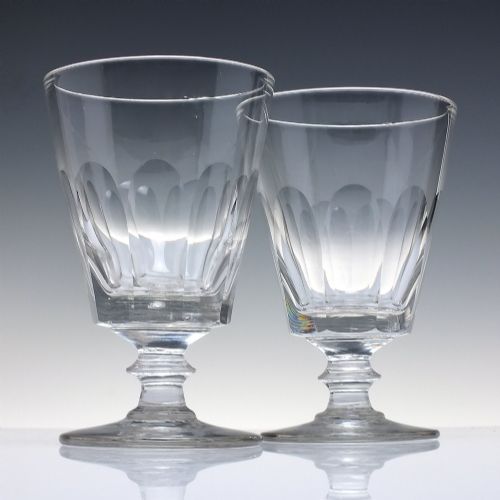
Quality rests upon the crispness of the wheel engraving, the depth of the hand-cut facets, and the purity of the metal itself. Sharp, deeply driven hobnails and finely detailed hop-and-barley motifs show superior craftsmanship compared to soft, rounded mould lines.
Colour saturation also dictates standard, particularly in multi-layered bohemian cased pieces or rich cranberry and vaseline stems where even distribution matters. The balance of the vessel, from stem thickness to foot rim finish, marks the difference between utilitarian wares and high-end display drinking vessels.
Stevens and Williams·Lobmeyer
The 19th Century Drinking Glass Glossary
- Rummer
- A capacious drinking glass with a short stem and deep bowl, typically utilised for ale, rum, or punch during the Georgian and Victorian periods.
- Roemer
- A traditional continental European drinking vessel featuring a ribbed cylindrical stem and a wide conical bowl, frequently rendered in green glass.
- Tantalus
- A locking wooden cabinet fitted with decanters that displays the bottles while keeping the contents secure from unauthorized access.
- Lead glass
- Heavy glass containing lead oxide, known for its high refractive index, resonant ring, and suitability for deep cutting.
- Lemon-squeezer base
- A square, moulded glass foot with sharp corners resembling a citrus squeezer, characteristic of early 19th century English drinkware.
19th Century Drinking Glass: Frequently Asked Questions
How do I clean antique glassware?
Wash pieces by hand in warm water with mild detergent, avoiding sudden temperature changes that can crack old metal.
Dry them immediately with a soft linen cloth to prevent water spots on lead crystal and cut facets.
Can I use these glasses daily?
Many sturdy rummers and heavy tumblers were built for robust tavern or dining use and handle gentle daily handling well.
Fine enameled or cased stemware requires more care and suits occasional celebratory use rather than rough routine wear.
How do I date a rummer?
Early examples often feature thick lemon-squeezer bases, polished pontil marks, and hand-engraved floral or fraternal motifs from the Georgian era.
Later Victorian versions frequently display machine moulding, thinner stems, and brighter coloured glass bodies.