


19th Century Drawer Box
A 19th century drawer box gathers miniature chests, tabletop cabinets and fitted compartments that keep small valuables secure.
19th Century Drawer Box
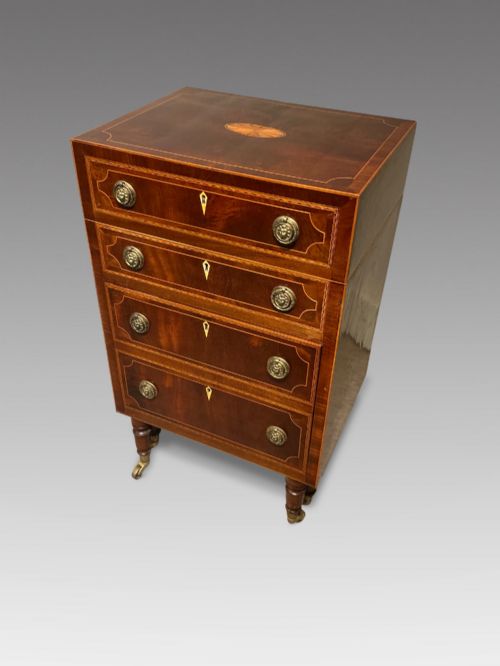
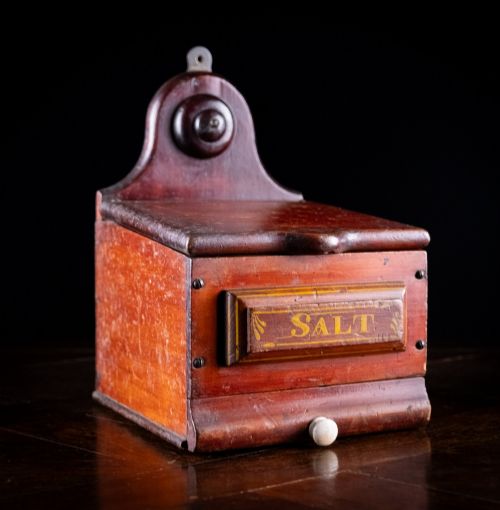
A 19th century drawer box encompasses miniature chests of drawers, writing slopes, jewellery boxes and spice drawers produced across the Victorian, Regency and Georgian periods. These compact pieces served practical storage roles in homes, workshops and travel carriages, designed to hold letters, trinkets, samples or medicines.
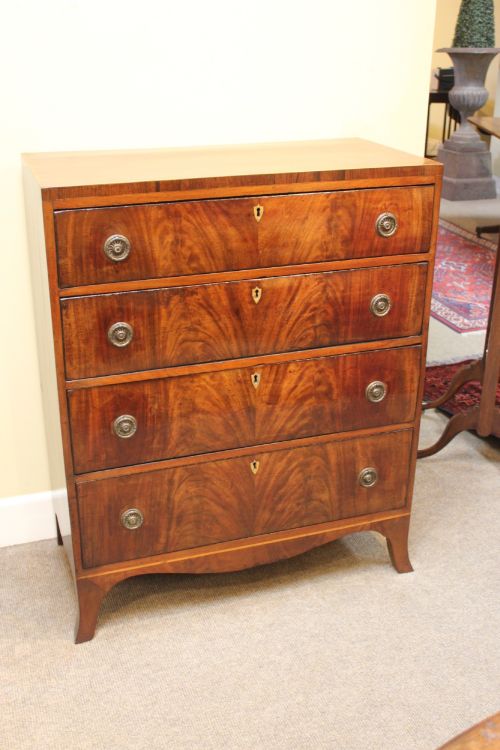
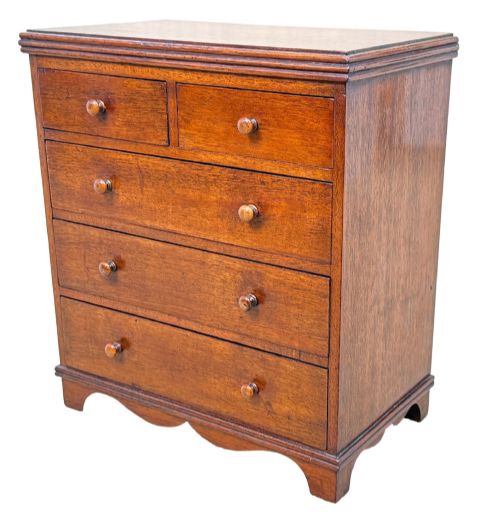
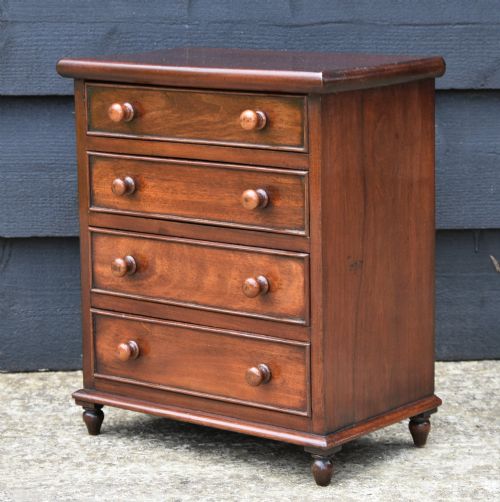
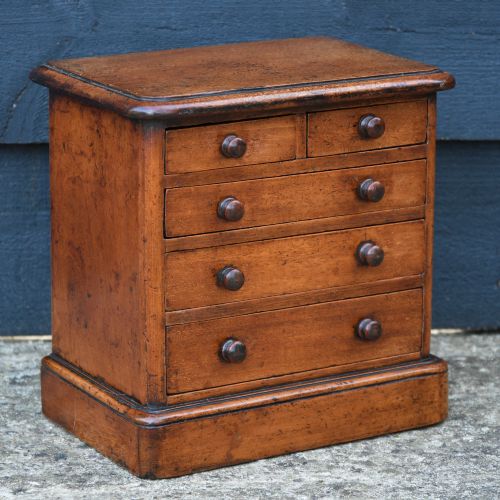
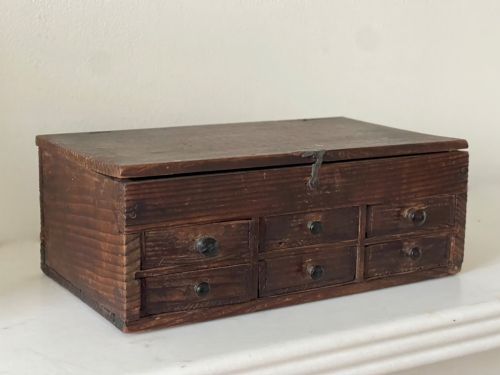
The version most commonly met on this page is the miniature mahogany or pine chest of drawers, often fashioned as an apprentice piece or a desktop cabinet. Alongside these sit specialised containers including apothecary cases, needlework boxes and collectors cabinets fitted with multiple small drawers.
Makers utilised diverse materials ranging from local pine and oak to exotic kingwood, walnut and rosewood, applying finishes of paint, lacquer or brass binding. The resulting objects span utilitarian workshop boxes and ornate decorative chests intended for display.
Materials and construction
Cabinet makers constructed these small boxes using dense hardwoods like mahogany, rosewood and walnut, alongside softer timbers such as pine, oak and fruitwood. Joints typically involved tight dovetailing on the drawer corners to withstand frequent opening and closing.
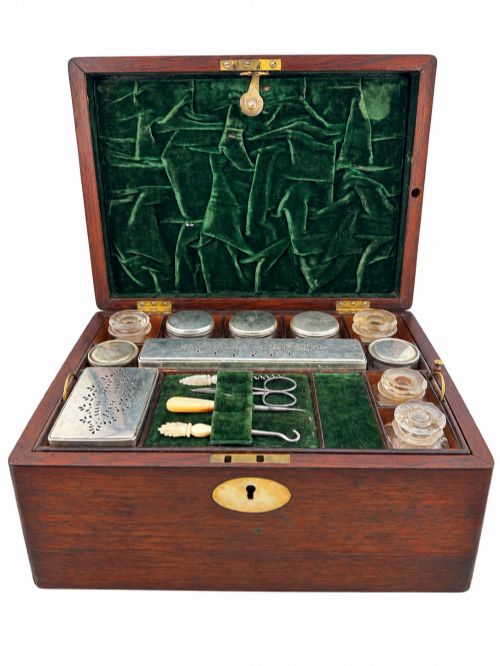
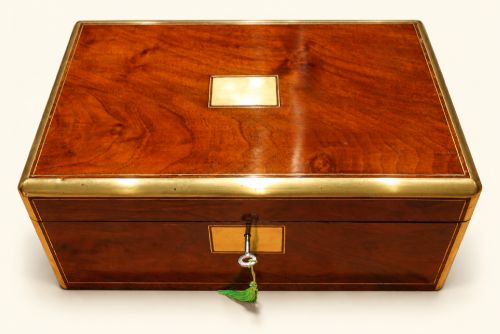
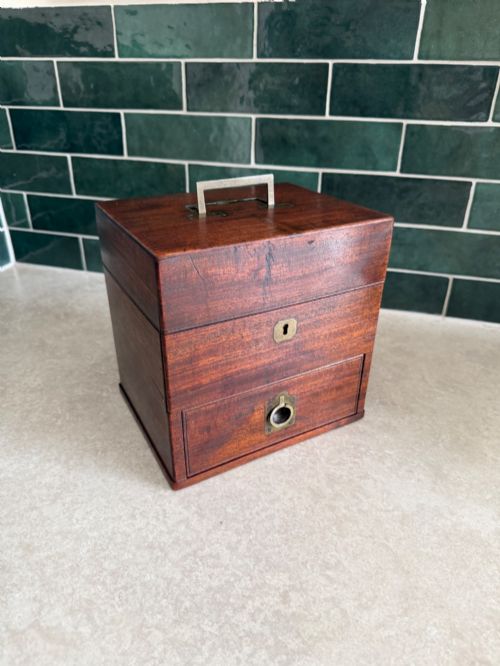
Many items incorporate brass fixtures, including corner brackets, carrying handles, escutcheons and bound edges designed to protect transportable campaign chests and writing slopes. Interior arrangements frequently feature velvet linings, secret compartments, glass bottles or precision dividers tailored to specific contents.
19th Century Drawer Box Retail Price Guide 2026
Typical asking prices for 19th century drawer box among the pieces listed under this phrase on Sellingantiques today, from the lower quarter to the upper quarter. They describe what is for sale here now, not the wider market.
Listings feature 19th century drawer boxes in mahogany, pine, oak, walnut and fruitwood, alongside painted and lacquered finishes.
Distinctions in quality
Quality rests in the precision of the joinery and the selection of timber veneers, such as burr walnut or figured mahogany, matched across the drawer fronts. Superior examples retain original working brass locks, fitted internal compartments and uncompromised structural integrity.
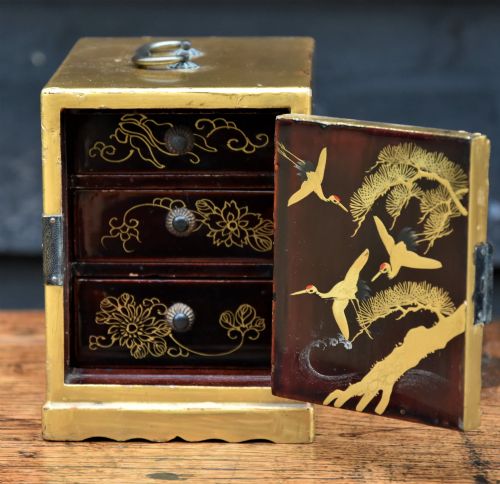
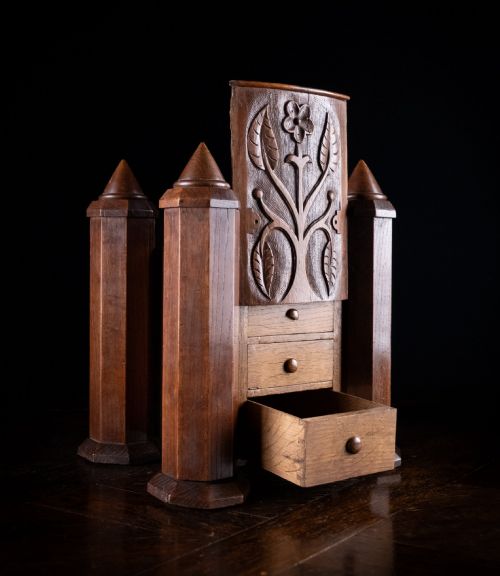
Hand-carved details, such as those found on Welsh slate models or Japanese gilt lacquer pieces, separate standard utilitarian containers from exceptional decorative works. The presence of original paint finishes or untouched interior fittings further elevates an example above altered or heavily restored pieces.
The 19th Century Drawer Box Glossary
- Apprentice piece
- A small-scale item demonstrating a craftsman's skill to gain trade guild membership. These miniature chests replicate full-size furniture forms with exact joinery.
- Writing slope
- A portable desk featuring a hinged sloping lid that opens to reveal a writing surface, inkwell compartments and small secret drawers.
- Mule chest
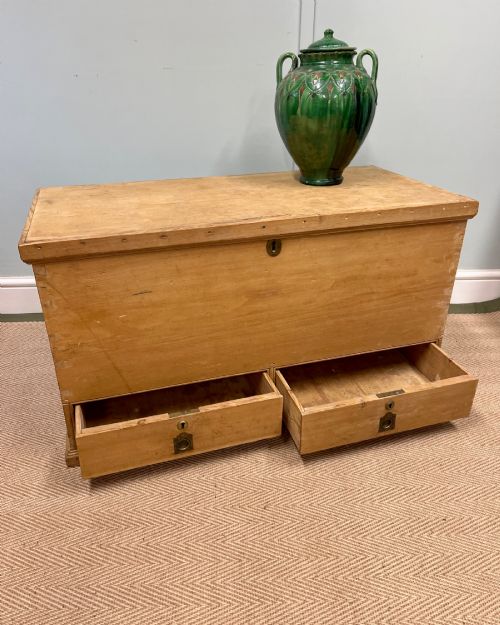
- A storage chest characterised by one or more drawers built into the base beneath the main lifting lid compartment. They combine trunk storage with drawer accessibility.
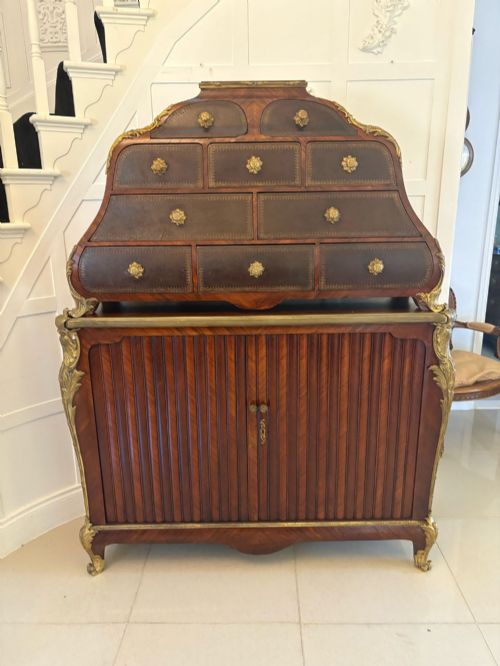
- Cartonnier
- A desktop cabinet containing a series of horizontal compartments or drawers designed for holding papers, documents and letters. These French pieces often incorporate ormolu mounts.
- Kodansu
- A traditional Japanese small cabinet or chest featuring multiple internal drawers and compartments, frequently decorated with lacquer and gilt work.
19th Century Drawer Box: Frequently Asked Questions
What were 19th century drawer boxes used for?
These boxes served varied storage functions depending on their fitted interiors, ranging from holding jewellery, letters and sewing equipment to organising medical samples and microscope slides.
Travellers utilised portable campaign versions with secure locks for personal items, while desktop variants kept stationery and small valuables organised in domestic settings.
How do I identify a Victorian miniature chest?
Victorian miniature chests typically employ mahogany, walnut or pine with hand-dovetailed drawer construction mirroring full-sized furniture of the era.
Many examples feature turned wooden knobs, small escutcheons, and occasionally secret drawers hidden behind removable panels or plinths.
What is an apprentice piece?
An apprentice piece is a scaled-down model created by a woodworker demonstrating mastery of joinery techniques to attain professional status.
These pieces replicate standard furniture forms like chests of drawers and dressing mirrors in miniature proportions.
How should I care for a wooden drawer box?
Maintain stable indoor humidity levels away from direct heat sources and strong sunlight to prevent the timber and veneers from warping or cracking.
Dust gently with a soft dry cloth and avoid applying modern aerosol polishes that can damage historic wax and french polish finishes.