




19th Century Dragon Table
A 19th century dragon table brings intricately carved mythical beasts into living spaces through dense hardwoods and export craftsmanship.
19th Century Dragon Table
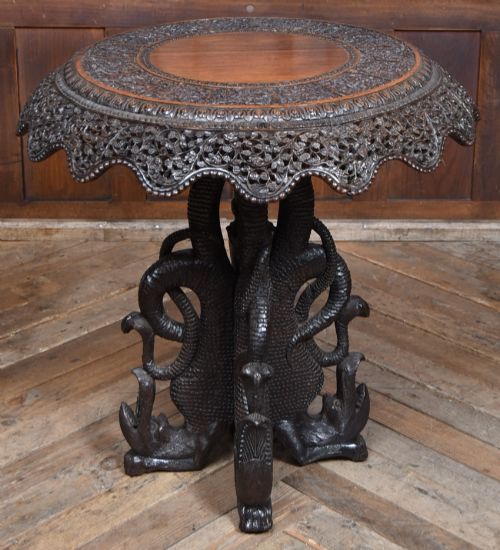
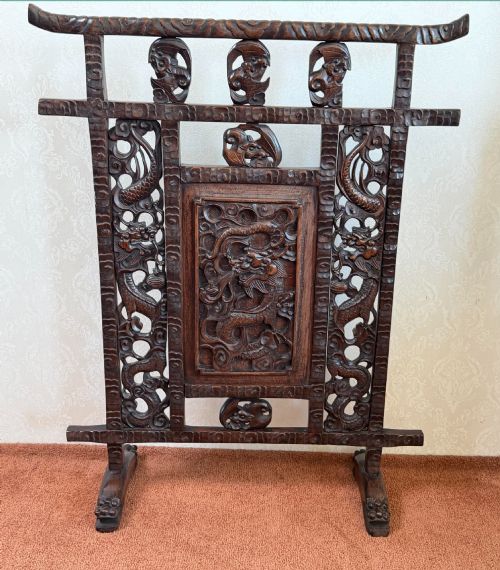
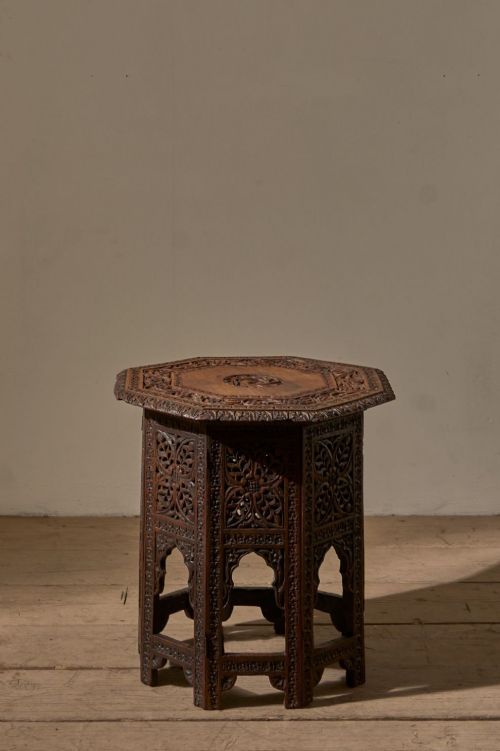
When you search for a 19th century dragon table, you are looking at items designed for the export market using heavy imported timbers. These pieces often incorporate carved dragons into side tables, occasional stands and desks.
You are most likely to meet hardwood side tables and rosewood or padauk tables featuring detailed dragon motifs. The designs draw on Qing Dynasty, Anglo-Burmese, and Anglo-Indian traditions, combining local carving skills with European furniture forms.
How they were made
Cabinetmakers utilised dense timbers such as rosewood, teak, hardwood and padauk, which supported deep, undercut relief carving. These dark woods provided a stable canvas for vigorous depictions of dragons and scrolling foliage.
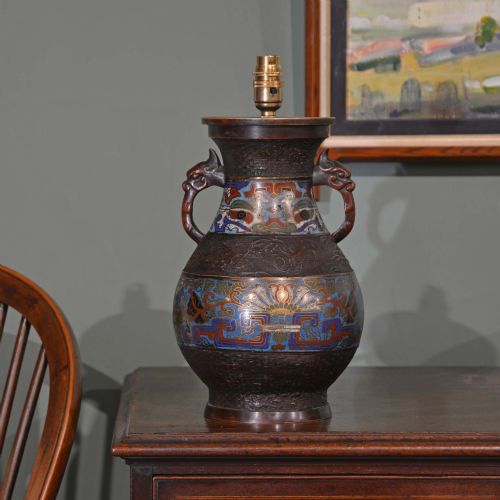
Joinery techniques combined traditional mortise and tenon construction with applied decorative elements, while lacquer and black finishes were sometimes applied to nests of tables and decorative stands.
Current listings feature hardwood, rosewood, teak and fabric across Qing Dynasty, Anglo-Burmese and Chinoiserie styles.
What varies in quality
The standard of a 19th century dragon table rests primarily on the depth and sharpness of the timber carving. Stronger examples display crisp scales, expressive claws and fully undercut dragon bodies rather than shallow, surface-level incisions.
Material selection also dictates overall grade, with heavy, figured padauk and dense rosewood sitting above softer or plainer woods. The integration of the dragon motif into the structural frame marks the difference between considered design and hurried production.
The 19th Century Dragon Table Glossary
- Padauk
- A heavy, durable tropical hardwood prized for its reddish-brown colour and dense grain. It provides an ideal surface for intricate, high-relief carving.
- Chinoiserie
- European interpretation and imitation of Chinese and East Asian artistic traditions. This style frequently appears on lacquer furniture and decorative objects from the period.
- Qing Dynasty
- The last imperial dynasty of China, ruling from sixteen-forty-four to nineteen-twelve. Its artistic output heavily influenced export furniture and porcelain.
- Anglo-Indian
- Furniture and decorative objects made in India for British residents or for export to Britain. These pieces often combine British furniture forms with local carving techniques.
19th Century Dragon Table: Frequently Asked Questions
What is a 19th century dragon table?
A 19th century dragon table is an export furniture piece, typically a side table or desk, carved with mythical dragon motifs.
These items were produced in regions influenced by trade and colonial contact, incorporating dense hardwoods and regional carving styles.
Where were these tables made?
These tables originated in various parts of East and South Asia, including China, Burma and India, specifically for export markets.
European markets drove demand for these items, resulting in a blend of local timber work with Western furniture shapes.
How do I care for rosewood furniture?
Rosewood furniture requires stable humidity and protection from direct sunlight to prevent the timber from drying out or splitting.
Regular dusting with a soft cloth maintains the finish without needing heavy polishes or synthetic oils.
Are dragon tables sturdy?
Most dragon tables are constructed from heavy hardwoods like teak, padauk or rosewood, making them structurally robust.
The dense nature of these timbers supports the heavy carving while maintaining everyday usability as side tables or desks.