
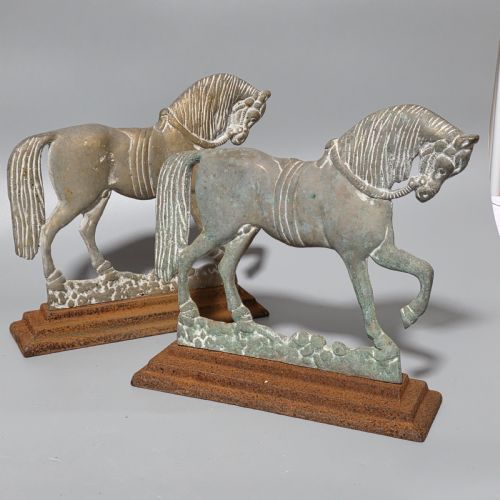


19th Century Door Porter
These heavy 19th century door porters hold heavy interior doors open while adding distinct sculptural weight to a hallway.
19th Century Door Porter
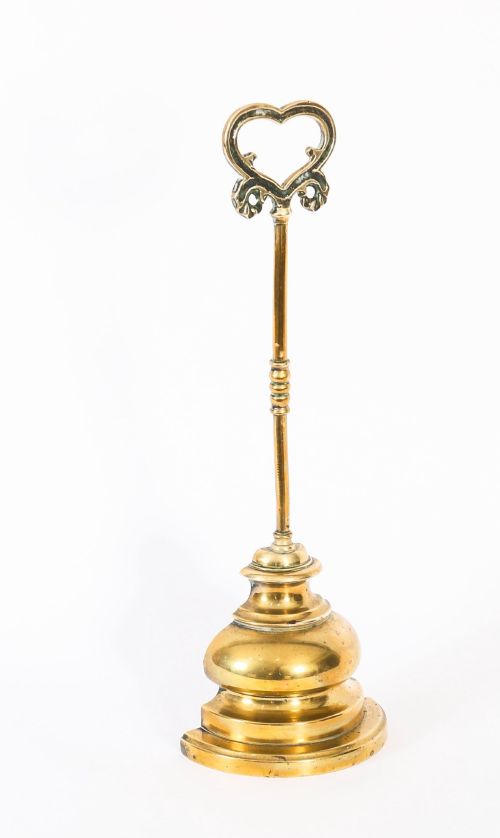
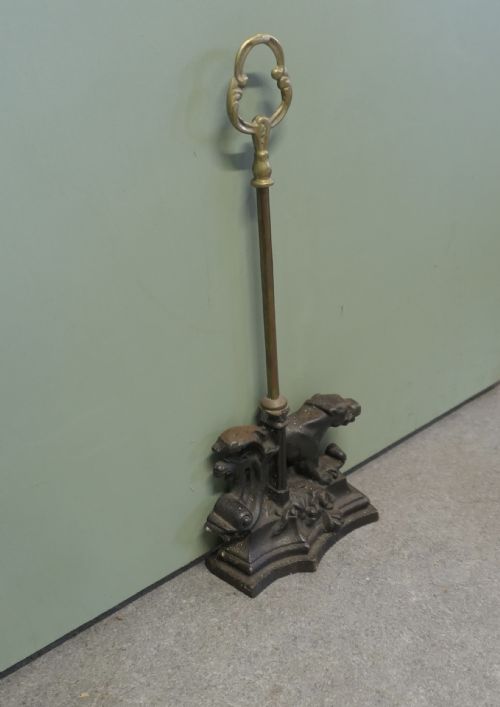
A 19th century door porter is a heavy freestanding object designed to keep interior doors from swinging shut in draughty hallways and rooms. These pieces come in several distinct forms, from heraldic beasts to figures and crests, serving a purely practical purpose with considerable visual presence.
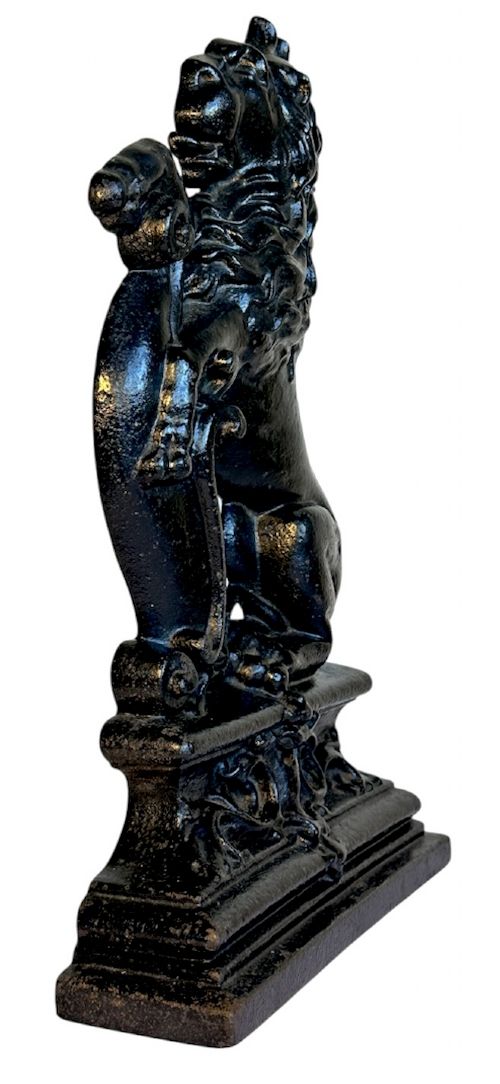
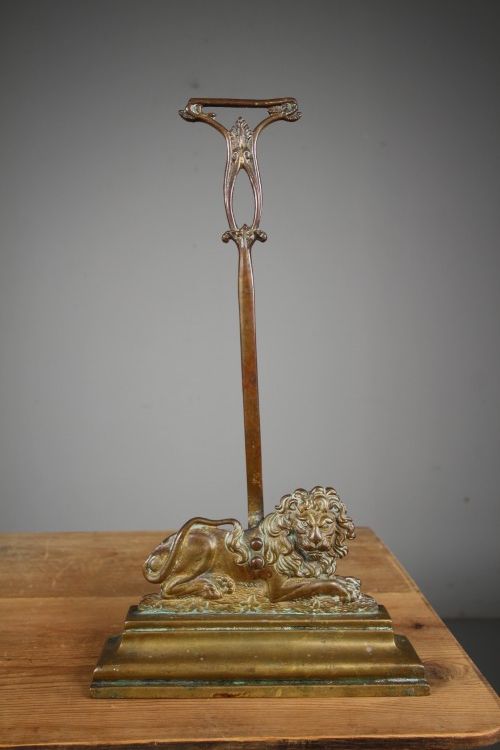
The version you are most likely to meet on this page is the cast iron or brass lion, frequently rendered as a rampant beast or a simpler figurative door keeper. These items originate from the Victorian period, alongside occasional Regency examples such as Egyptian Revival sphinxes.
Makers and foundries produced these heavy items in iron, brass, and bronze, sometimes incorporating wood or steel elements for added heft. Alongside lions, common subjects include horses, Mr Punch figures, foxes, and clan crests.
How they were made
Foundries manufactured these robust items primarily through metal casting, pouring molten iron, brass, or bronze into moulds to achieve solid figurative forms. Iron pieces provided the essential weight required for holding doors, while brass and bronze examples offered a polished or patinated surface finish.
Many items combine different metals, such as iron bodies with brass handles or mounts, or integrate painted decoration directly onto the cast surface. Skilled workers finished the castings by hand, filing rough seams and attaching sturdy handles to the top of the porter.
Listings feature cast iron, brass, bronze, iron, wood, and steel across Victorian and Regency periods.
What varies in quality
The choice of material and the survival of original painted or patinated surfaces also drive distinctions across the range. Heavy cast bronze or brass and well-preserved original paint lift certain pieces above standard utilitarian iron castings.
Kenrick & Sons
The 19th Century Door Porter Glossary
- Door porter
- A heavy portable weight used specifically to prop open interior doors. This term is frequently used interchangeably with doorstop.
- Rampant lion
- A heraldic design depicting a lion standing on one hind leg with its forelegs raised. This motif appears frequently on cast metal doorstops from the period.
- Egyptian Revival
- An artistic style drawing inspiration from ancient Egyptian motifs, such as sphinxes. This style surfaces in earlier Regency pieces.
- Cast iron
- An iron-carbon alloy poured into a mould to create solid objects. It provides the heavy mass needed for functional door furniture.
- Patina
- The surface sheen and colour developed through age and handling. Collectors value original unpolished surfaces on older metals.
19th Century Door Porter: Frequently Asked Questions
How heavy is a typical door porter?
These pieces are cast with substantial mass to ensure they can hold open heavy interior doors against draughts.
Most examples weigh several kilograms, relying on dense iron, brass, or bronze construction rather than external weighting.
Where should I place a door porter?
They belong on the floor directly in front of interior doors in hallways, sitting rooms, or libraries where doors tend to swing.
Because they possess strong sculptural forms, they function as decorative floor ornaments when not actively propping a door.
How do I identify a Victorian piece?
Victorian examples often feature characteristic motifs such as rampant lions, Mr Punch figures, or heraldic crests rendered in cast iron or brass.
Construction methods typically involve single-piece castings with integrated top handles, sometimes showing traces of early painted decoration.
What is the difference between iron and brass versions?
Iron versions rely on darker, industrial metal casting and were frequently painted or left with a plain dark finish.
Brass and bronze examples offer a brighter metallic appearance or a warm historic patina, often requiring less maintenance for surface rust.