
19th Century Display Dresser
A 19th century display dresser brings practical storage and generous display space to a room, uniting timber character with traditional craftsmanship.
19th Century Display Dresser
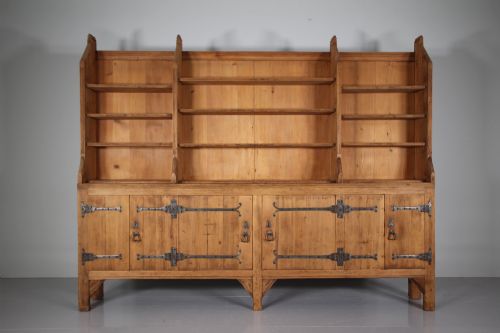
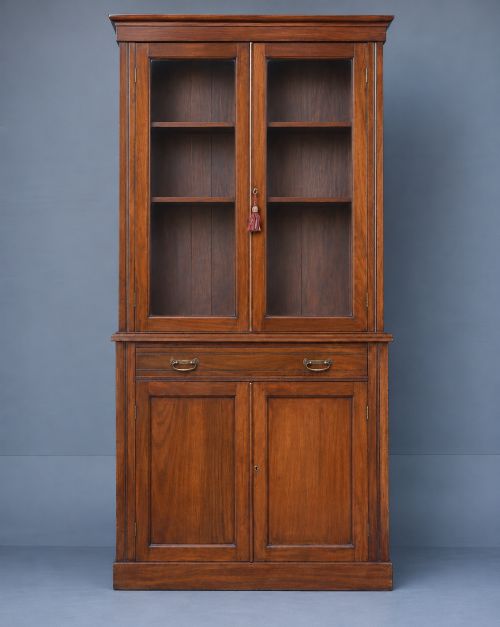
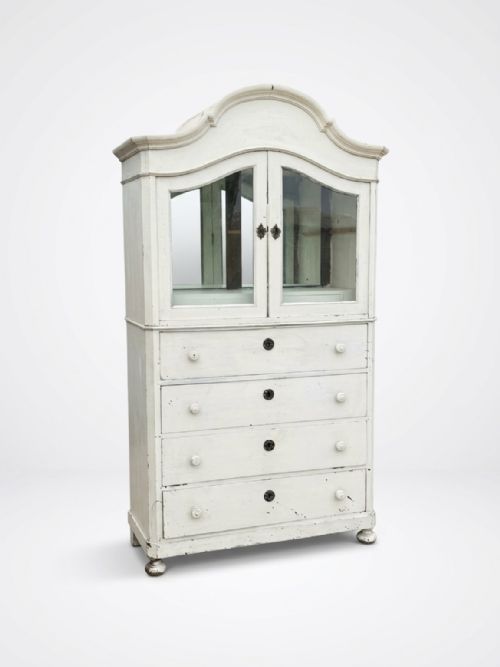
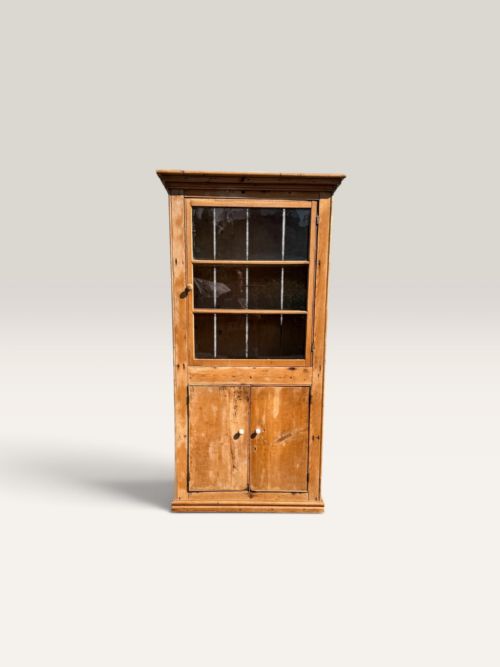
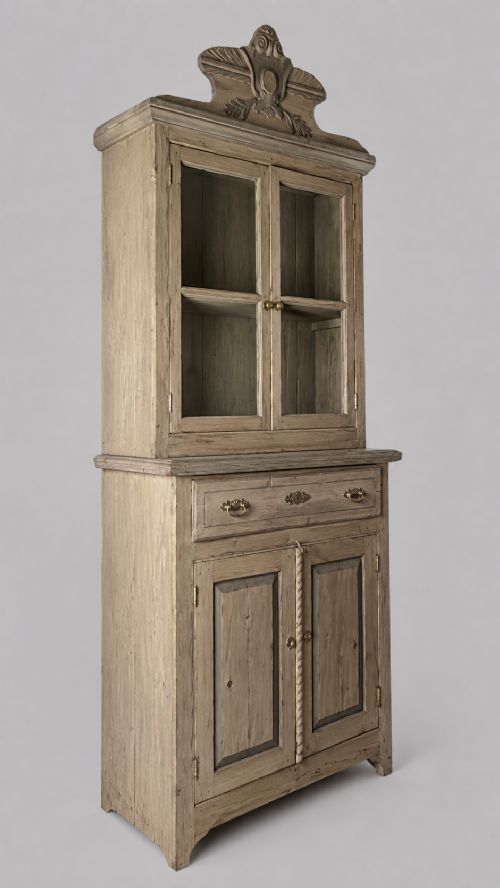
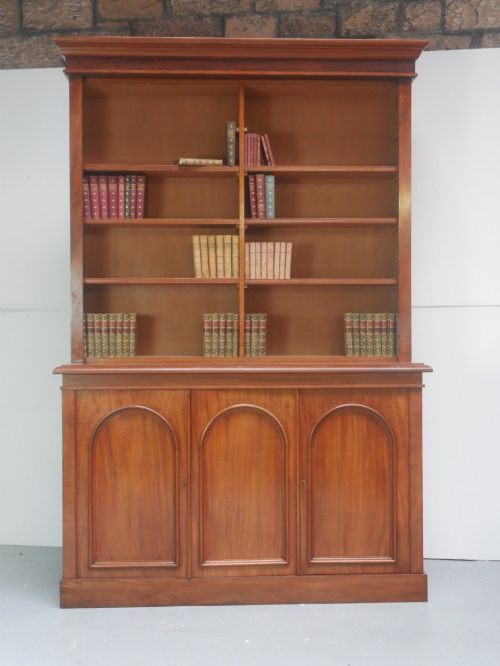
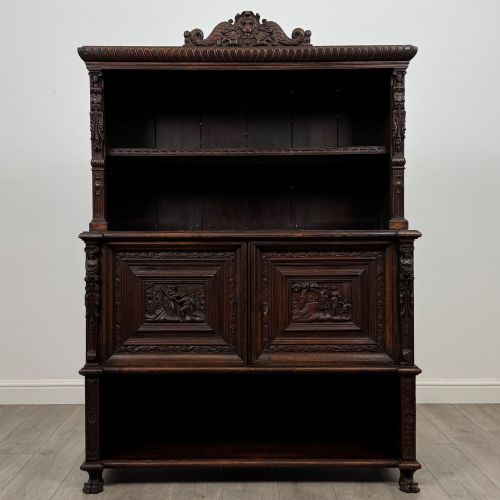
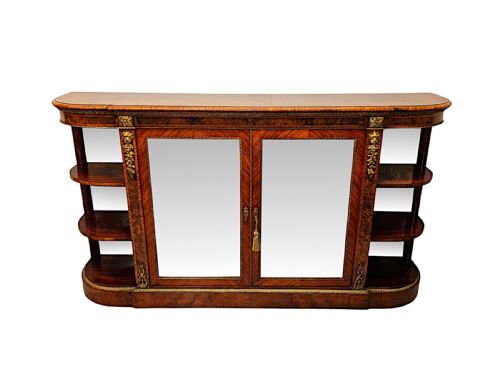
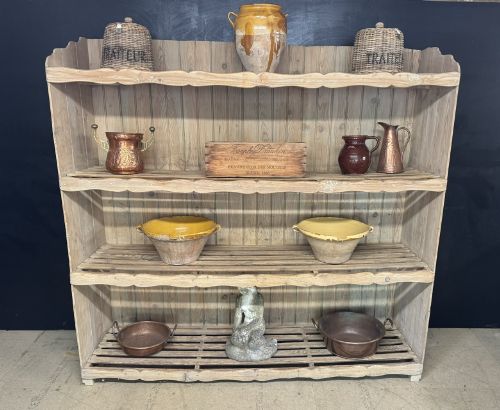
A 19th century display dresser encompasses a varied group of storage and display furniture originating from English, Welsh, French, Swedish, and Chinese workshops. These pieces frequently combine open shelving, glazed cupboards, or solid doors, designed to hold household goods or books.
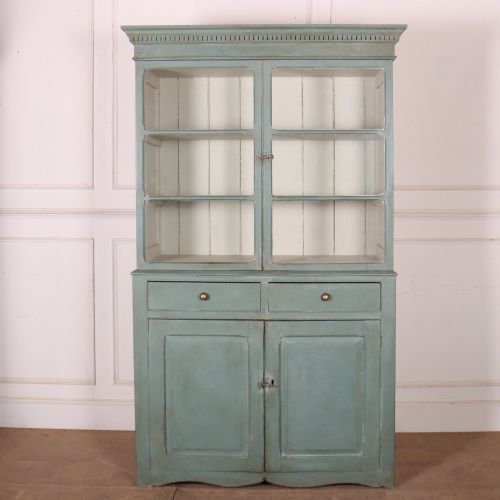
Buyers meet pieces spanning the Victorian era alongside regional styles like French Provincial, Welsh Vernacular, and Swedish Country. Common forms include multi-part dressers, glazed kitchen cabinets, and carved oak bookcases.
Woods such as oak, pine, walnut, and mahogany dominate the construction, appearing in both natural finishes and painted or grained surfaces.
Materials and Technique
Cabinetmakers utilised native and imported hardwoods alongside softwoods, constructing carcases in oak, mahogany, walnut, pine, and chestnut. Brass and ormolu mounts provide structural and decorative accents on select high-status pieces.
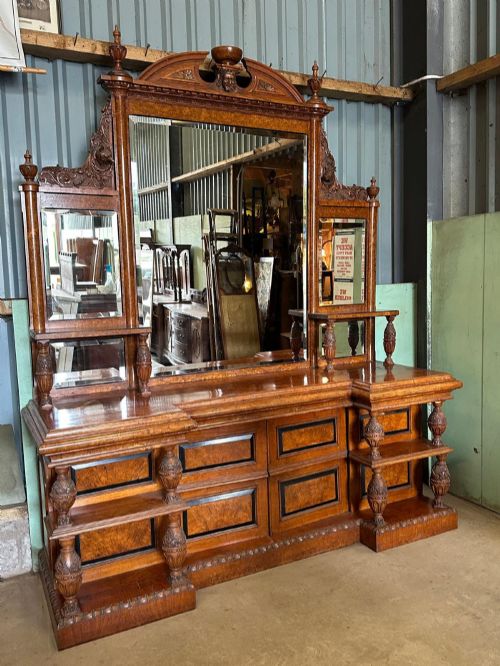
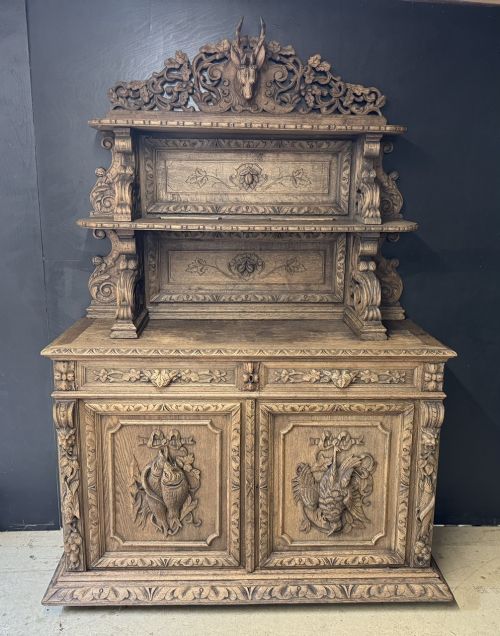
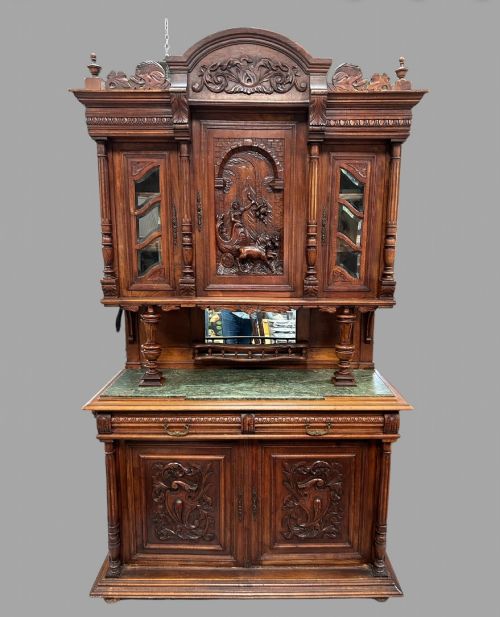
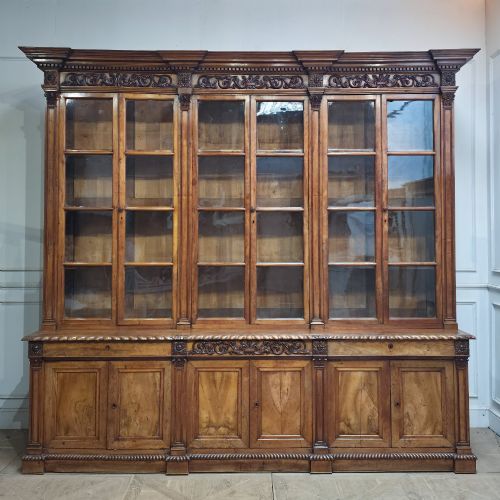
Glazing techniques range from simple fitted panes in kitchen cupboards to intricate leaded or multi-panel doors on larger library bookcases. Carving appears frequently, executed in deep relief on revival sideboards and cabinets.
Listings feature oak, pine, walnut, mahogany, and chestnut across regional English, Welsh, French, Scandinavian, and Chinese examples.
Qualities of Construction
The standard of a 19th century display dresser depends upon the selection of timber, the depth of carving, and the integrity of the original joints and finish. Superior examples display carefully matched grain patterns in walnut or flame mahogany and precise joinery that sustains the weight of heavy cornices.
Surface treatments also dictate worth, distinguishing untreated natural patina or period paintwork from later alterations. Original brass hardware, stamped maker signatures, and intact glass panes elevate the standing of a cabinet within its specific regional style.
Gillows
The 19th Century Display Dresser Glossary
- Patina
- The surface sheen and colour acquired by wood through age, use, and cleaning. It serves as an indicator of a piece retaining its original finish.
- Cornice
- The decorative moulded projection that crowns the top of a cabinet or dresser. This architectural element often defines the regional style of the piece.
- Cwpwrdd Gwydr
- A traditional Welsh term for a glazed cupboard. These regional pieces reflect local vernacular furniture traditions.
- Ormolu
- Gilded bronze mounts applied to furniture for decoration. This technique appears on fine walnut and revival cabinets.
19th Century Display Dresser: Frequently Asked Questions
How do I style a 19th century display dresser?
A 19th century display dresser provides open shelving and glazed cabinets suited for arranging ceramics, glassware, or books. Balancing functional storage with curated items allows the timber and regional style to anchor the room.
Positioning the piece against a neutral wall highlights carved details and original painted finishes. Ensuring adequate clearance around larger library bookcases and monumental sideboards maintains proper proportions within the interior.
What is the difference between a Welsh dresser and a bookcase?
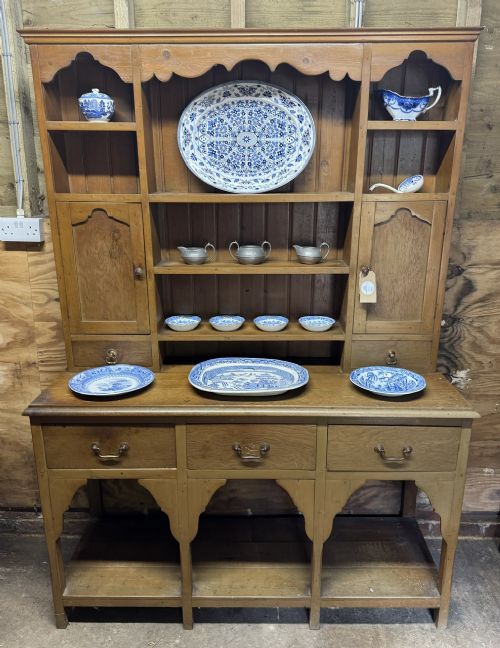
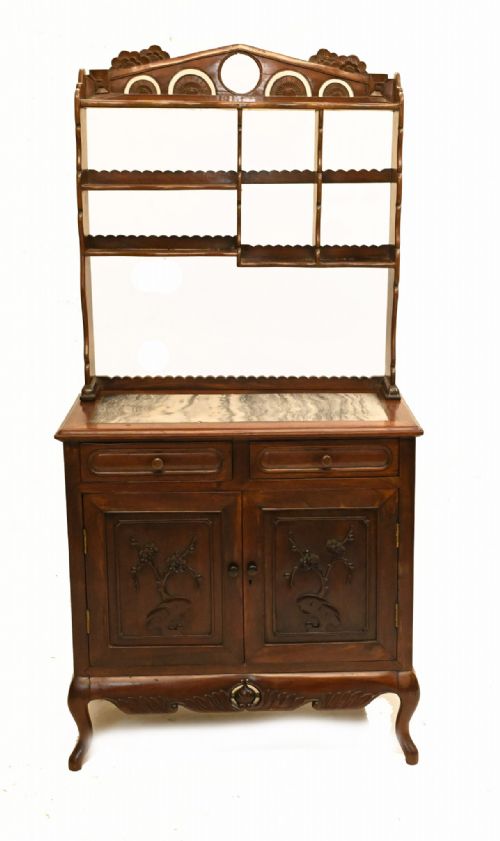
A Welsh dresser typically combines a lower section of drawers and cupboards with an upper plate rack or open shelves designed for displaying kitchenware. Regional variants like the Cwpwrdd Gwydr incorporate glazed doors into the upper section.
Bookcases focus primarily on enclosed shelving or glass-fronted doors intended for housing volumes rather than serving as kitchen furniture. Both forms share similar period construction methods utilising oak, pine, or mahogany.
Were these dressers made for kitchens or shops?
Surviving examples originate from domestic kitchens, dining rooms, and libraries, while others served commercial functions in shops. Shop display cupboards and grain-painted pine counters were built to exhibit merchandise to customers.
Domestic kitchen cabinets and walnut sideboards were constructed for household storage and dining preparation. Examining the interior configuration and timber wear helps clarify the original setting of the piece.
How can I identify the regional origin of a dresser?
Regional origins emerge through timber choices, construction techniques, and stylistic vocabulary. French Provincial and Swedish Country pieces utilise painted finishes and softwoods characteristic of continental workshops, while English and Welsh pieces rely heavily on native oak and pine.
Details such as bonnet tops, Gothic tracery, and carved hunting motifs point to specific design revivals popular during the Victorian period. Comparing the hardware and moulding profiles confirms the likely geographic source.