




19th Century Copper Urn
A 19th century copper urn brings warmth and historic weight to a room, offering practical containment or striking decorative presence.
19th Century Copper Urn
A 19th century copper urn encompasses a diverse group of vessels designed for service, display, or ritual, appearing in forms ranging from tea urns and samovars to decorative vases and water barrels. These pieces reflect varied origins, spanning English Victorian domestic metalwork, continental production, and Asian decorative traditions.
Buyers browsing this selection most frequently encounter Victorian samovars and tea urns alongside baluster vases and water barrels fashioned from copper and brass. The assortment bridges utilitarian kitchen equipment and ornamental display objects from the nineteenth century.
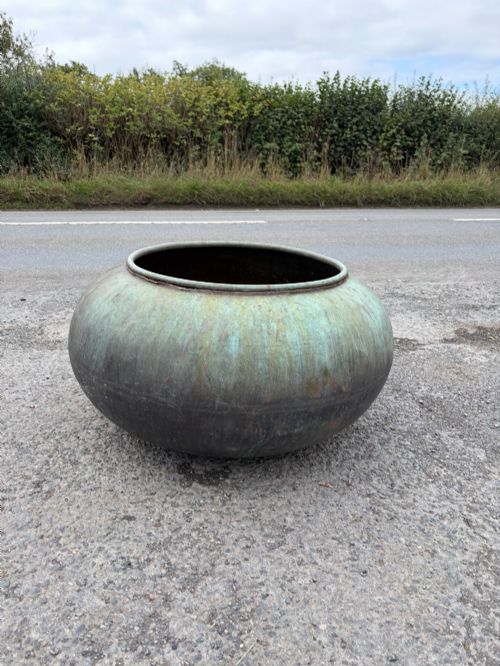
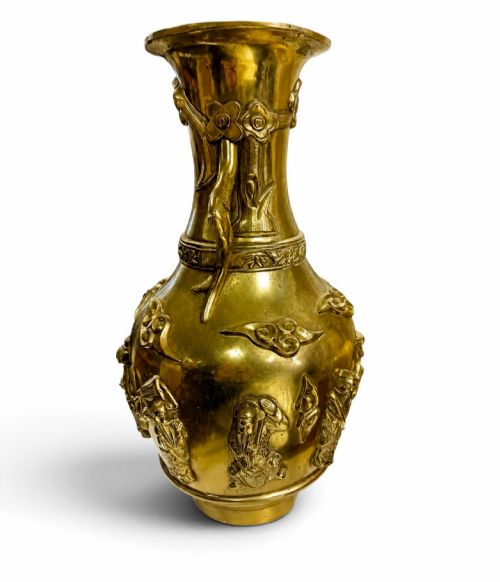
Geographic influences shape the inventory significantly, bringing together English domestic tea service pieces, Scandinavian water barrels, and objects bearing Eastern artistry such as Japanese cloisonne enamel and Chinese high-relief motifs. Each piece utilises the warmth of the metal to establish a distinct focal point in an interior.
How they were made
Construction relies heavily on copper, brass, and copper alloys, often combined with secondary elements like turned wood, bone, and enamel for handles, spigots, and decorative panels. Artisans shaped these metals through hammering, repoussé embossing, and casting to produce durable hollowware and decorative vessels.
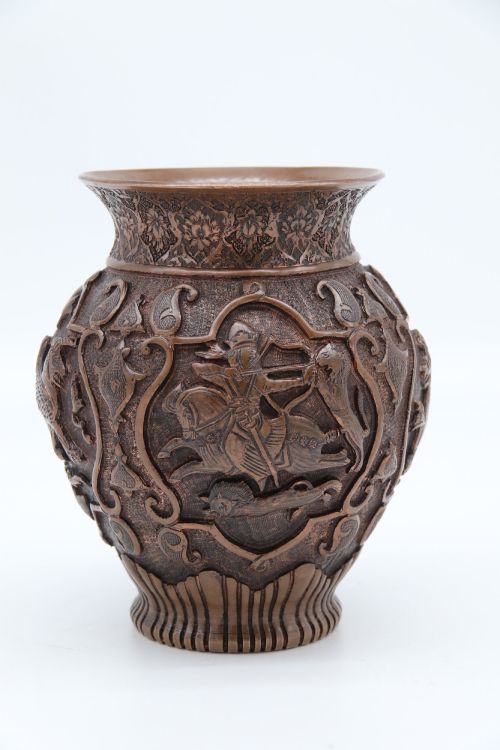
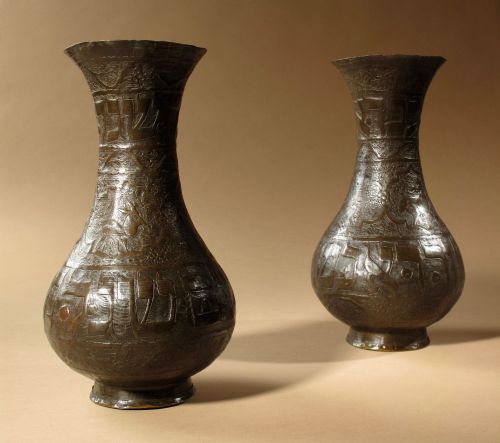
Surface decoration ranges from smooth bronzed copper finishes to intricate repoussé patterns and high-relief depictions of figures, animals, and script. Makers incorporated brass fittings, handles, and base marks to add structural contrast and stability to the copper bodies.
One nineteenth-century copper and brass vessel doubled as a hot water bedwarmer for cold nights.
What varies in quality
Quality differentiates through the crispness of chased or embossed detail and the integrity of construction, particularly in the joining of handles, spigots, and bases to the main body. Pieces demonstrating superior craftsmanship show careful weight distribution and intentional decorative restraint or precision.
The choice of secondary materials, such as finely turned wood handles or detailed enamel work, influences the overall sophistication of an item. Superior examples maintain clear surface articulation and harmonious proportions across both utilitarian samovars and decorative vases.
The 19th Century Copper Urn Glossary
- Samovar
- A heated metal container traditionally used to boil water for tea, typically featuring a central internal chimney and a spigot near the base. These devices formed the centrepiece of tea service in many nineteenth-century households.
- Repoussé
- A metalworking technique where an artisan hammers the metal from the reverse side to create a raised design on the front. This method allowed makers to produce elaborate pictorial and floral reliefs on vases and urns.
- Cloisonne
- An ancient technique for decorating metalwork objects with colourful material held in place by thin metal strips welded to the body. Enamel panels of this type appear on several large decorative palace vases and water dispensers.
- Baluster
- A architectural form resembling a shaped pillar, characterised by a rounded lower body tapering to a narrow neck. Many nineteenth-century vases adopt this silhouette for balance and visual weight.
- Copper Alloy
- A mixture predominantly composed of copper combined with other metals such as zinc or tin to alter strength and colour. This category includes brass and bronze variations seen across various vessels and mounts.
19th Century Copper Urn: Frequently Asked Questions
How were copper samovars used?
Copper samovars served to heat and boil water for tea preparation in domestic settings throughout the nineteenth century.
Water filled the main cavity while hot coals burned in an internal vertical tube to maintain the temperature.
Can these urns still hold water?
Many nineteenth-century urns and samovars were built for functional water containment and feature operational brass spigots.
However, prior use and age mean individual vessels require inspection for watertight integrity before active service.
How do I clean a copper urn?
Cleaning involves removing dust with a soft cloth and preserving the natural patina that develops over decades of ageing.
Aggressive metal polishes strip the historic surface character and reduce the visual depth of the copper.
What is the difference between an urn and a samovar?
An urn is a general term for a decorative or functional vessel on a pedestal, often used for display or storage.
A samovar is a specific type of heated urn equipped with a spigot and internal heating chimney designed expressly for water.