



19th Century Copper Kitchenware
These 19th century copper kitchenware pieces bring warmth, weight, and history straight from working kitchens into modern homes.
19th Century Copper Kitchenware
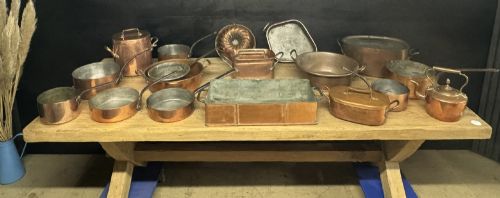
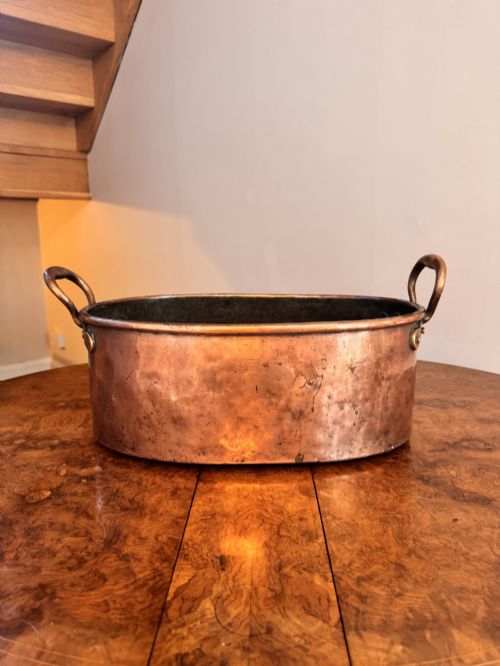
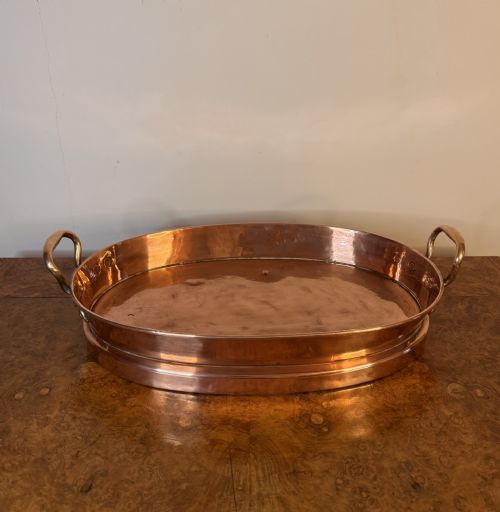
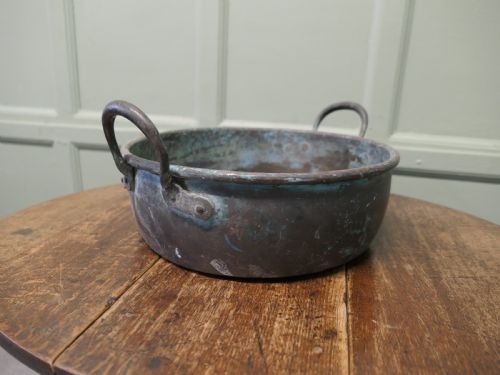
When you search for 19th century copper kitchenware, you encounter heavy utilitarian items built for serious culinary work rather than simple display. The selection here spans large preserving pans, kettles, and intricate jelly moulds originating from English, French, and Middle Eastern workshops.
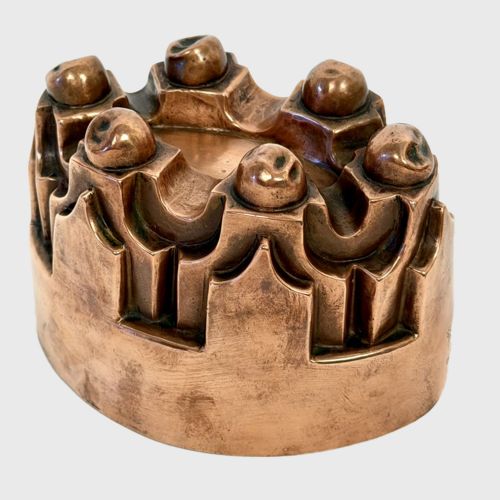
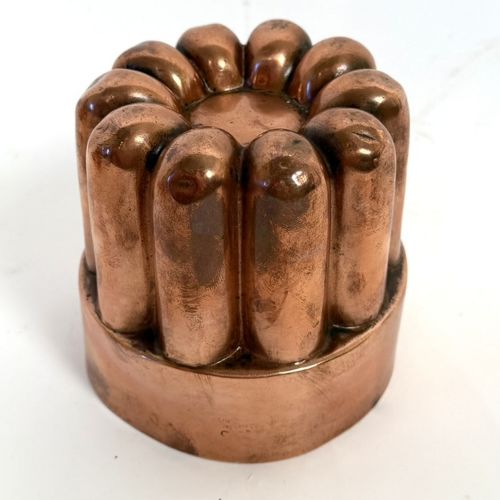
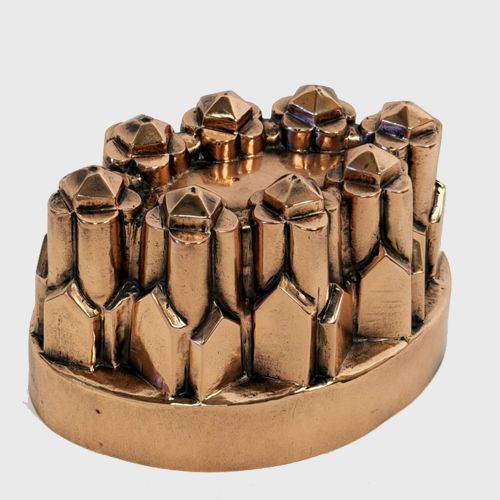
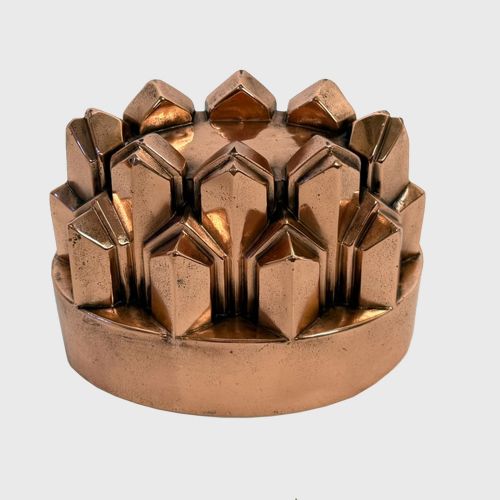
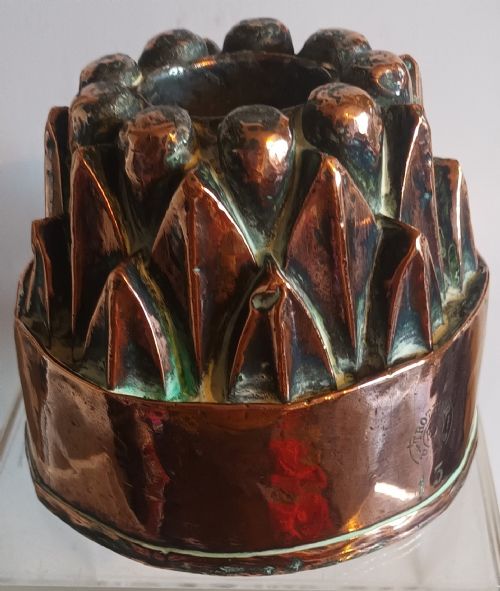
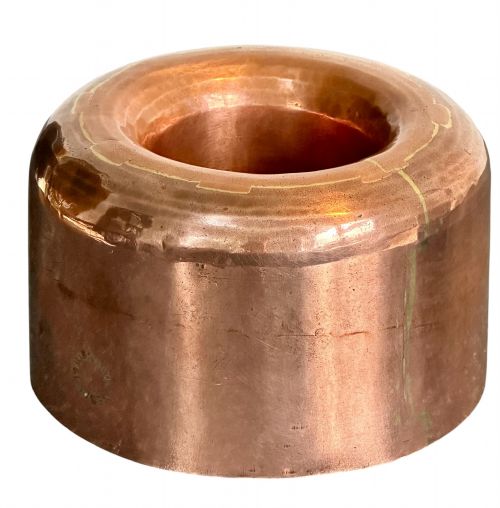
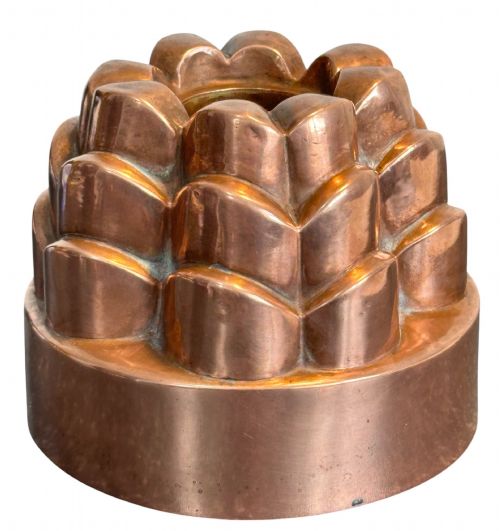
Victorian and nineteenth-century pieces dominate the inventory, often appearing as matched sets of pans or individual culinary moulds featuring architectural castle tops or animal shapes like cats. These vessels carry the marks of real kitchen use, from minor bruises to polished surfaces that reveal their underlying metal.
How they were made
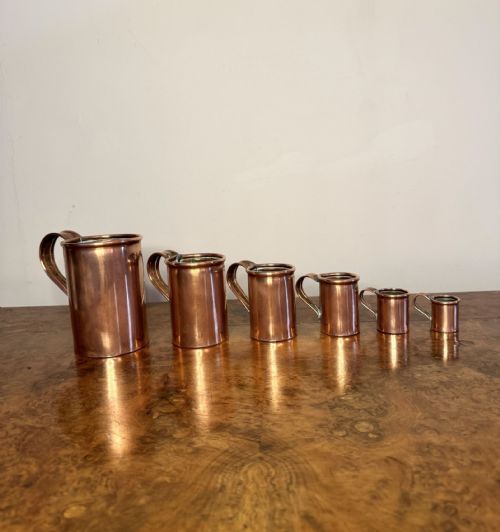
Makers fashioned these kitchen utensils primarily from heavy sheet copper, often joining seams with dovetail joints and securing handles with robust brass rivets or iron fixings. Cast iron and bronze also appear on heavier preserving pans and measures, providing structural rigidity where heat and weight placed the greatest demands.
Interiors received a protective coating of tin lining to prevent copper toxicity during food preparation, while exterior finishes ranged from plain beaten surfaces to smooth, highly polished finishes. Wooden handles on kettles and pans provided insulation for cooks working over open hearths or early range stoves.
19th Century Copper Kitchenware Retail Price Guide 2026
Typical asking prices for 19th century copper kitchenware among the pieces listed under this phrase on Sellingantiques today, from the lower quarter to the upper quarter. They describe what is for sale here now, not the wider market.
Listings feature items incorporating copper, brass, iron, tin, and wood across Victorian and Middle Eastern domestic traditions.
What varies in quality
The gauge of the metal dictates much of the durability and integrity in these items, with thicker sheets resisting warping under intense stove heat. Heavy preserving pans and large twin-handled vessels demonstrate superior baseline construction compared to lighter, purely decorative pieces.
The crispness of detail separates standard jelly moulds from exceptional ones, particularly on complex shapes like castle tops or cat designs where sharp stamping preserves the intended pattern. Completeness also matters greatly, as matching sets of pans or measures retain higher coherence than disparate assembled groups.
Trottier
The 19th Century Copper Kitchenware Glossary
- Tin lining
- A protective layer applied to the interior surface of copper cookware to stop food from reacting directly with the copper. This coating required periodic renewal during the active life of the vessel.
- Preserving pan
- A wide, deep vessel designed for boiling fruit and sugar down into jams and preserves. These heavy pans often feature strong handles to lift substantial quantities of hot mixture.
- Culinary mould
- A shaped metal vessel used to set jellies, blancmanges, or savouries into distinct forms before serving. Designs range from simple geometric ovals to elaborate architectural structures.
- Kitchenalia
- A term covering antique utensils and functional objects associated with food preparation and domestic kitchens. These items bridge decorative appeal and historical utility.
19th Century Copper Kitchenware: Frequently Asked Questions
Can I still cook with antique copper pans?
Many of these pieces remain physically robust enough for regular use on modern hobs, provided the heat is controlled carefully. However, you must check the condition of the interior tin lining before preparing food.
If the underlying copper is exposed inside the pan, the vessel requires professional retinning by a specialist before it comes into contact with ingredients again.
How do I clean tarnished copper kitchenware?
Routine maintenance involves washing with warm soapy water and drying thoroughly immediately afterwards to prevent water spotting. Avoid abrasive scourers that strip away the character built up over generations.
Specialist copper creams or traditional mixtures of salt and acid help restore the bright metallic shine if you prefer a polished finish rather than a darker, aged patina.
Why do jelly moulds have such complex shapes?
Victorian dining placed a high value on theatrical presentation at the table, transforming jellies and aspics into centrepieces. Intricate shapes like castles and animals demonstrated the skill of the household cook.
The complex indentations also increased the surface area, helping the contents chill and set more evenly in cold larders or ice chests before unravelling.
How do I display heavy preserving pans at home?
Large pans with sturdy iron or brass handles anchor open shelving units, pot racks, or wide hearth spaces very effectively. Their generous proportions make them natural focal points in rustic or traditional kitchen schemes.
Smaller items like kettles or individual moulds stack neatly on dressers or hang in groups, allowing you to appreciate their varied forms and patinas close up.