
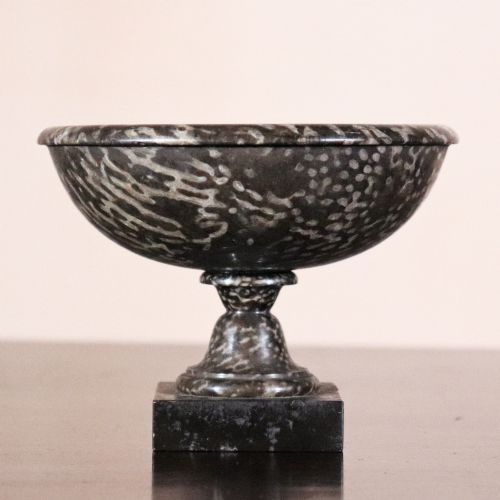
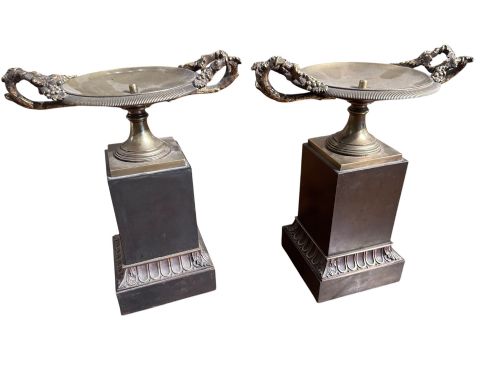


19th Century Compote
These raised presentation vessels bridge decorative centrepieces and serving dishes, bringing sculptural height to a table through classical proportions and tactile materials.
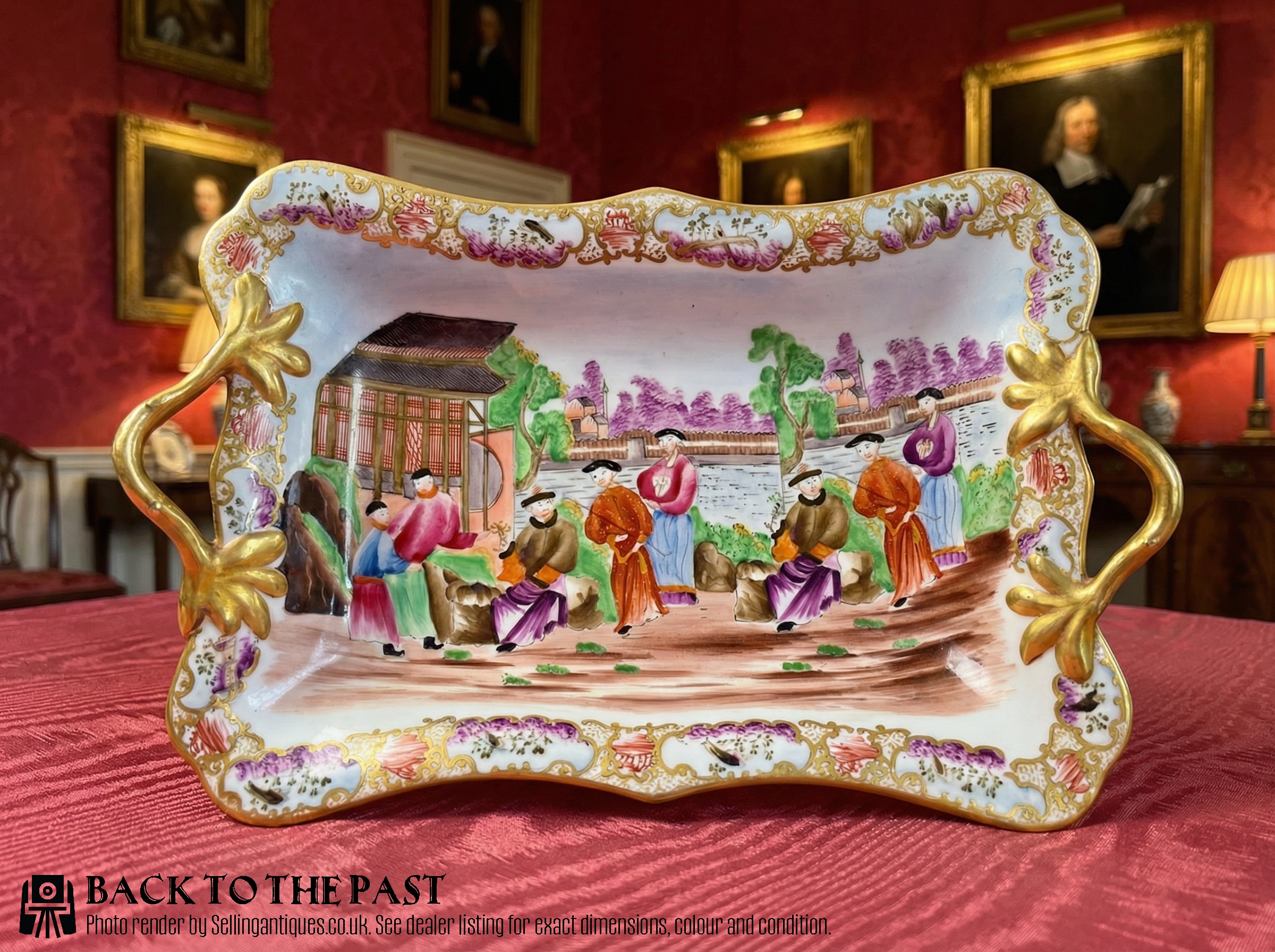
19th Century Compote
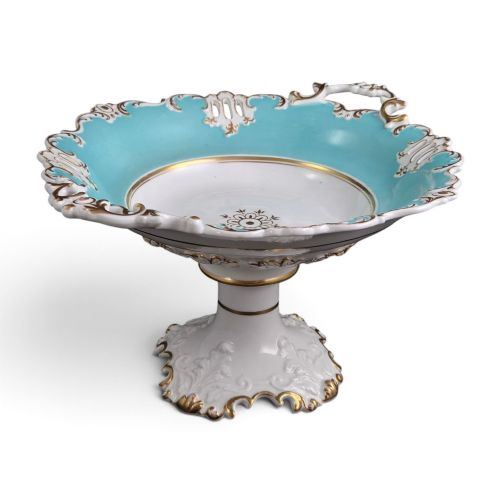
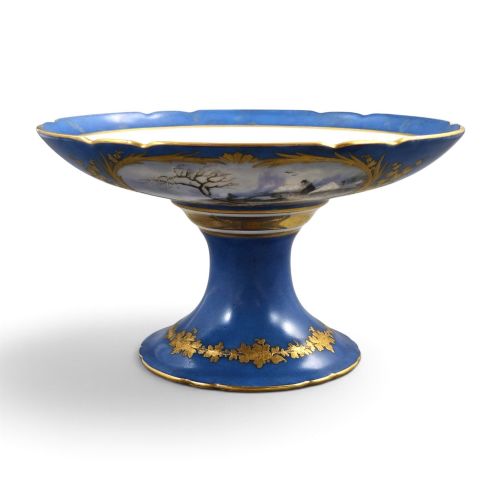
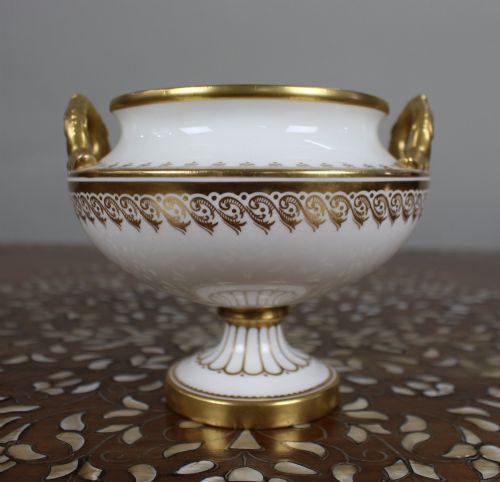
The varieties encountered here span from porcelain dessert service items to grand architectural mounts in marble and bronze, reflecting the shifting tastes of the Georgian, Regency and Victorian eras. Many pieces derive from French and English workshops, with forms influenced by Neoclassical restraint, Rococo exuberance, and Grand Tour antiquarianism.
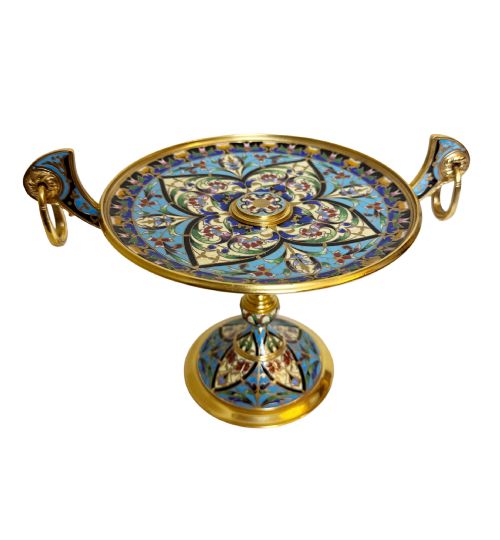
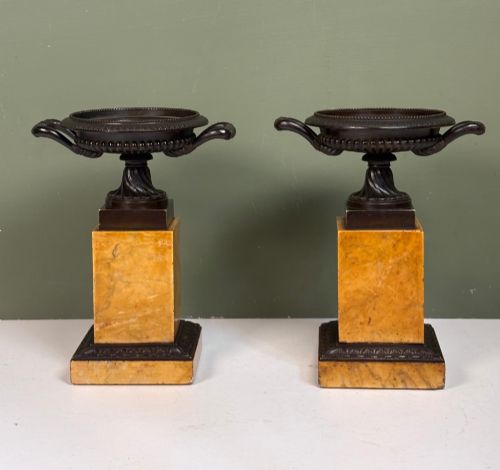
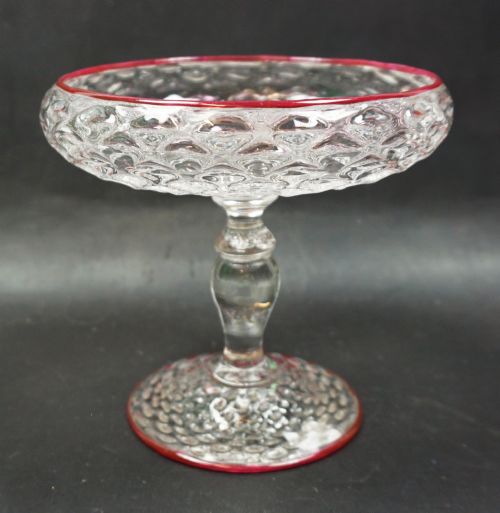
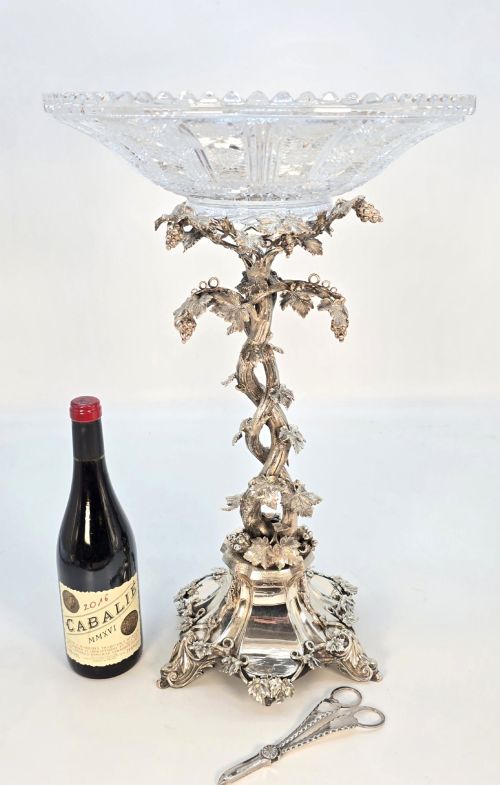
Makers utilised diverse materials to suit formal dining and parlour display, pairing hand-blown crystal with cut facets, or combining cast ormolu with polished hardstones like malachite and Siena marble. Whether styled as a simple majolica leaf bowl or an elaborate champlevé enamel centrepiece, each example serves to elevate the objects placed within it.
Materials and construction
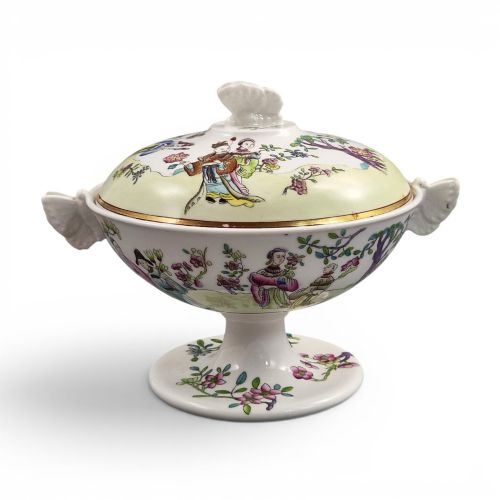
Ceramic bodies range from bone china and felspar porcelain to earthenware and majolica, shaped through moulding or throwing before undergoing high-temperature firing and hand-painted or transfer-printed decoration. Glass examples rely on free-blowing or mould-blowing techniques, subsequently finished with wheel-cutting, hobnail patterning, or gilded overlays.
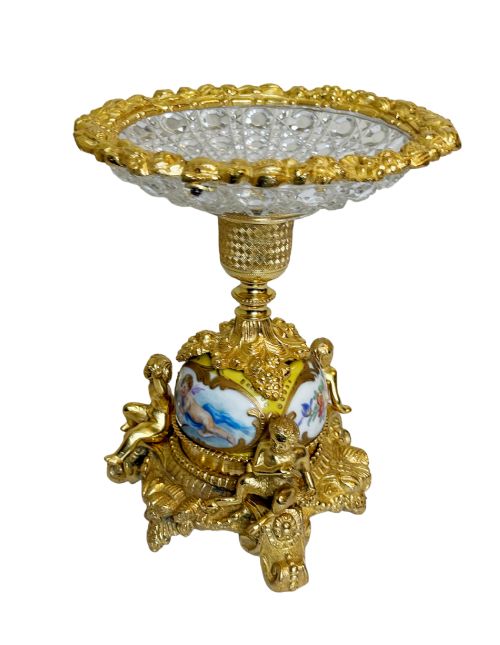
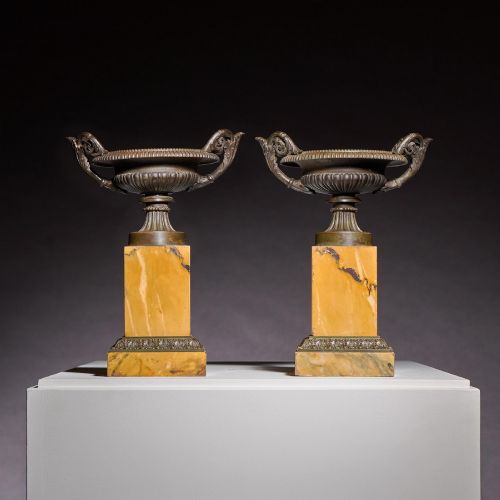
Metal and stone components involve sophisticated assembly, utilising cast bronze, ormolu, and silver wirework fitted to turned marble, onyx, or agate pedestals via internal threaded rods and screws. Enamel work such as champlevé and cloisonné requires skilled recessing and fusing of coloured glass pastes onto metal foundations before polishing.
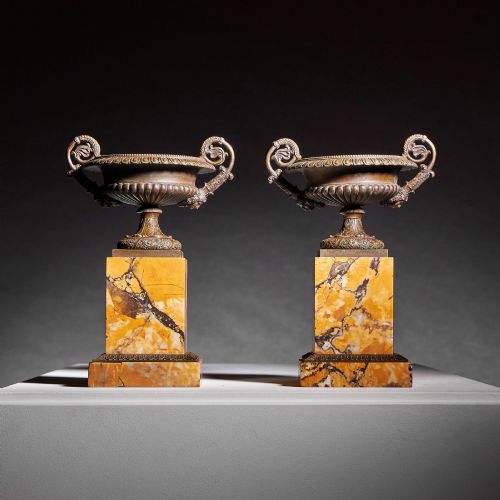
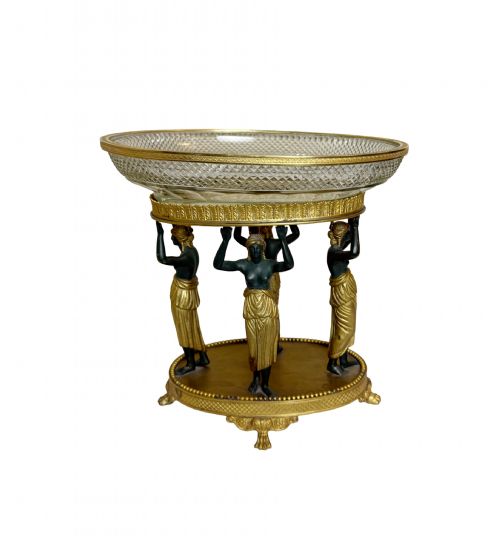
Listings feature 19th century compote variations spanning porcelain, bronze, and multiple varieties of marble.
Assessing craftsmanship and execution
The distinction between standard production and exceptional execution lies in the crispness of the chasing on bronze mounts, the depth of hand-cutting in crystal, and the registration of hand-painted enamels. Finer pieces demonstrate superior weight distribution, where heavy stone bases provide absolute stability to wide porcelain or glass dishes.
Design integration separates workshop outputs, with superior examples exhibiting unified decorative programmes - such as cast cherubs or mermen whose postures complement the curves of the vessel rather than appearing as generic additions. The purity of the underlying materials, from flawless translucent bone china to richly figured marble, dictates the upper tier of the range.
Coalport·Sèvres·Spode·Limoges·Ulisse Cantagalli·Swansea·Minton·Meissen
The 19th Century Compote Glossary
- Tazza
- A shallow bowl or plate mounted on a stem and foot, originating from Renaissance coin and plaque display vessels. This form serves as the primary structural equivalent to the footed compote.
- Ormolu
- Gilded brass or bronze produced by applying a mercury-gilding amalgam to a cast metal base. This technique yields a warm, durable metallic lustre typical of French decorative arts.
- Champlevé
- An enamelling technique where troughs are dug into a metal surface and filled with vitreous paste before firing. The resulting design shows vibrant colour framed by raised metallic walls.
- Comport
- A British term for a standing dish used for fruit or confectionary during the dessert course. It functions synonymously with pedestal bowls and certain tazza forms.
19th Century Compote: Frequently Asked Questions
How were these bowls used?
These vessels functioned primarily during the dessert course of formal Victorian and Georgian banquets, holding fresh fruit, sweetmeats, or candied delicacies. Their elevated stature allowed them to double as ornamental centrepieces that anchored the table's decorative scheme.
Beyond dining spaces, smaller examples served in drawing rooms to hold visiting cards or decorative potpourri. Their placement ensured they remained visible points of conversation for guests.
What is the difference between a tazza and a compote?
The terms describe functionally similar vessels, though tazza often implies a flatter, wider dish on a distinct foot, rooted in Italian Renaissance form. Compote typically suggests a slightly deeper bowl configuration intended for holding loose fruit.
Period makers and contemporary dealers frequently use both words interchangeably for footed presentation pieces. The specific silhouette matters more than the terminology used in historical listings.
How can I tell a French piece from an English one?
French production from the nineteenth century frequently relies on mixed media, combining cast ormolu, patinated bronze, and exotic marbles in Grand Tour styles. These objects often emphasise architectural symmetry and sculptural mounts.
English pieces tend to showcase domestic ceramic advancements, such as bone china, majolica, or finely cut lead crystal. Decoration frequently references local botanical themes or traditional Chinoiserie patterns.