
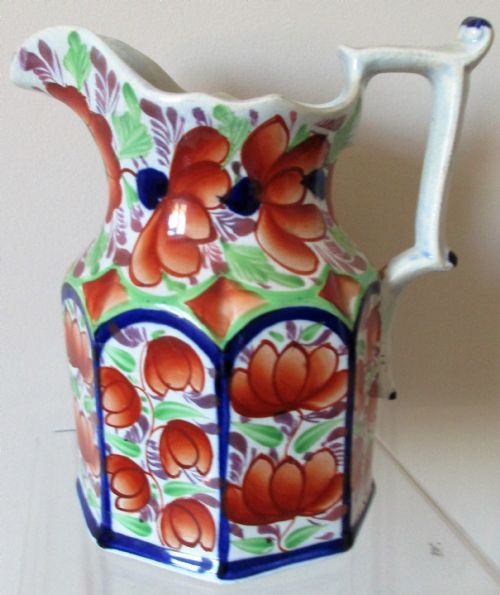


Antique Welsh Porcelain
Antique welsh porcelain brings brilliant palette and botanical study to the table, and collectors prize these vibrant early pieces for their distinct regional character.
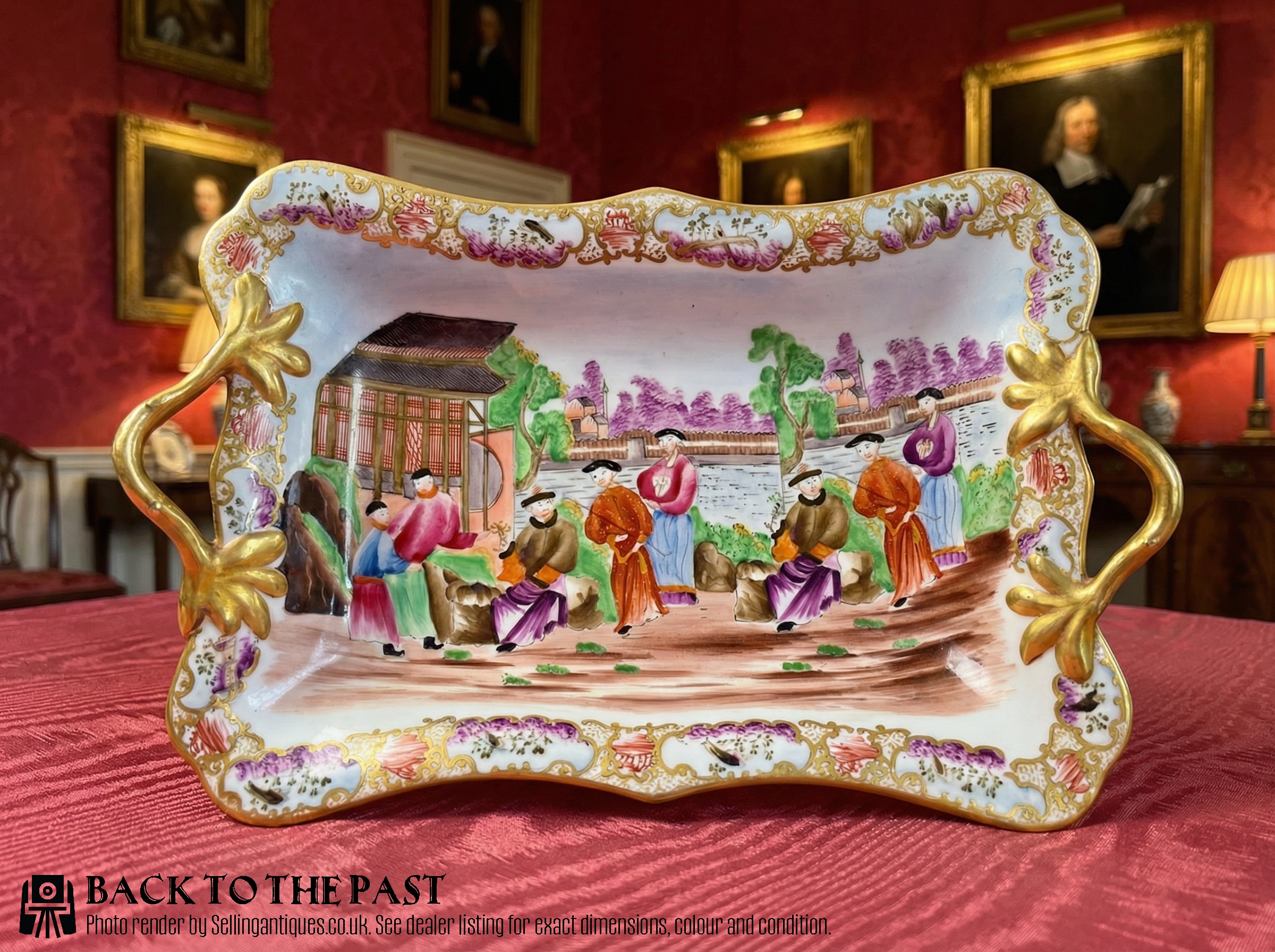
Antique Welsh Porcelain
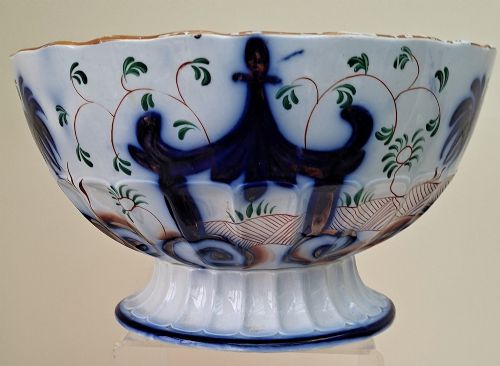
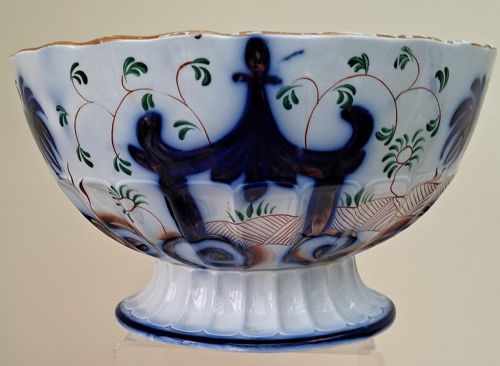
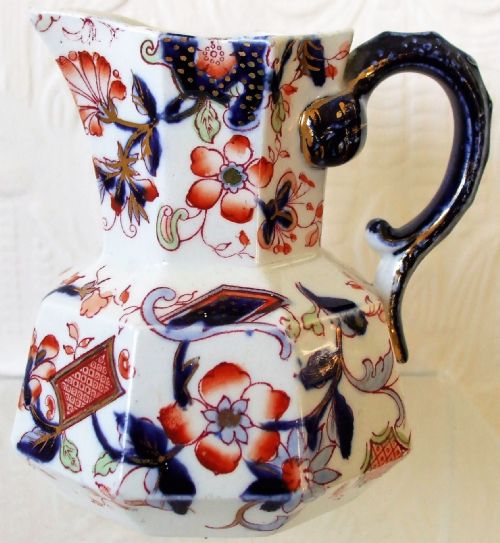
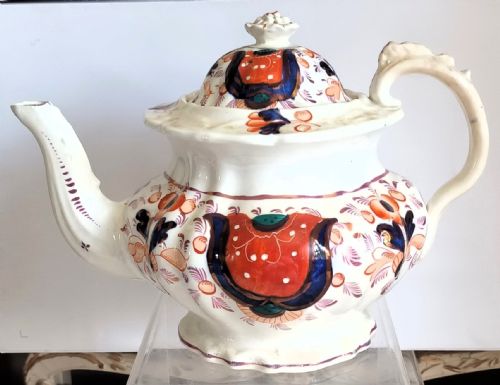
When you search for antique welsh porcelain, you encounter domestic vessels and display pieces created during the Georgian, Regency, and Victorian periods. The selection includes teapots, footed bowls, sauce tureens, comports, and cabinet plates that reflect distinct regional manufacture and London decoration.
You are most likely to meet pieces decorated with vibrant patterns such as Gaudy Welsh Chinoiserie, Pagoda, and Gwent motifs, alongside botanical studies and Mandarin scenes. These items span porcelain, pearlware, and pottery, originating from factories associated with Swansea and Nantgarw, as well as English factories producing Welsh-themed subjects.
The objects combine utilitarian forms with ambitious artistic ambition, showing how regional kilns competed with major English centres. Cabinet plates and comports sit alongside robust jugs and teapots intended for daily tea service or formal dining display.
How they were made
Potters shaped these wares using fine porcelain, pearlware, and earthenware bodies, often applying a translucent glaze that reveals the texture of the clay beneath. Kiln firing required precise temperature control, particularly for the soft-paste bodies developed at early Welsh works.
Painters applied cobalt glaze, enamel colours, and gold leaf by hand to achieve the rich palettes seen in botanical and Chinoiserie designs. Specialist decorators executed detailed landscape scenes and intricate border patterns before a final fixing fire.
The listings show pieces spanning the 1800s, Georgian, Regency, and Victorian periods, executed in porcelain, pearlware, and earthenware.
What varies in quality
The crispness of the painted transfer or the brushwork of hand-drawn enamels dictates visual success, with finer pieces showing sharp detail in patterns like Pagoda and Mandarin. The translucency of the porcelain body and the smoothness of the glaze also separate ambitious cabinet pieces from standard utility wares.
Survival of original gilding and the stability of the glaze without excessive crazing determine the preservation standard. Master decorators working on blanks from kilns like Nantgarw achieved a level of fineness that distinguishes exhibition pieces from everyday table pottery.
Swansea·Nantgarw·Keeling & Co.·William Yale·Derby
The Antique Welsh Porcelain Glossary
- Pearlware
- A refined earthenware with a slightly bluish glaze that mimics Chinese porcelain. It served as a popular canvas for bright painted patterns in the early nineteenth century.
- Gaudy Welsh
- A style of colourful pottery and porcelain featuring vibrant cobalt blue, iron red, copper lustre, and green enamels. The patterns often adapt Chinese export designs for British homes.
- Comport
- A raised serving dish or pedestal bowl used for fruit or sweetmeats at formal dinners. These pieces sat centrally on the table to create height in tableware arrangements.
- Cobalt glaze
- A deep blue metallic oxide applied under the glaze before firing to create rich outlines and backgrounds. It withstands high kiln temperatures without losing its colour intensity.
- Chinoiserie
- European artistic interpretations of Chinese and East Asian decorative motifs. The style appears frequently on tea wares and bowls with pagodas, figures, and exotic landscapes.
Antique Welsh Porcelain: Frequently Asked Questions
What is Gaudy Welsh pottery?
Gaudy Welsh pottery refers to earthenware and porcelain decorated with intense copper lustre, cobalt blue, and iron red enamels. These wares gained popularity in the nineteenth century for their cheerful, high-contrast palettes.
Workers applied these patterns by hand onto teapots, jugs, and footed bowls intended for everyday household use in mining and farming communities.
Were these pieces used daily?
Teapots, jugs, and footed bowls saw active service in nineteenth-century domestic life for tea parties and meal presentation. Their durable earthenware and porcelain construction allowed them to withstand regular handling.
Over time, many utility items transitioned from the dining table to display cabinets as their aesthetic and historical value became recognised.
How do I date an 1800s teapot?
Dating relies on stylistic clues such as the handle shape, spout form, and the specific enamel palette used in the decoration. Georgian and Regency pieces often feature neoclassical shapes, while Victorian examples embrace bolder, busier patterns.
Comparing the decorative motifs to documented factory patterns helps narrow down the production window to a specific decade.