


19th Century Collectors Chest
A 19th century collectors chest organises small treasures and specimens with neat compartmentalised drawers.
19th Century Collectors Chest
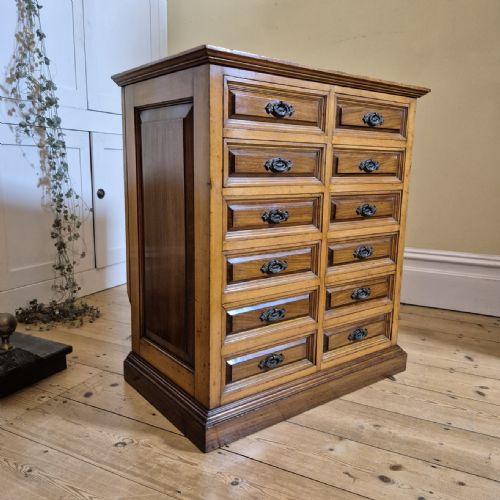
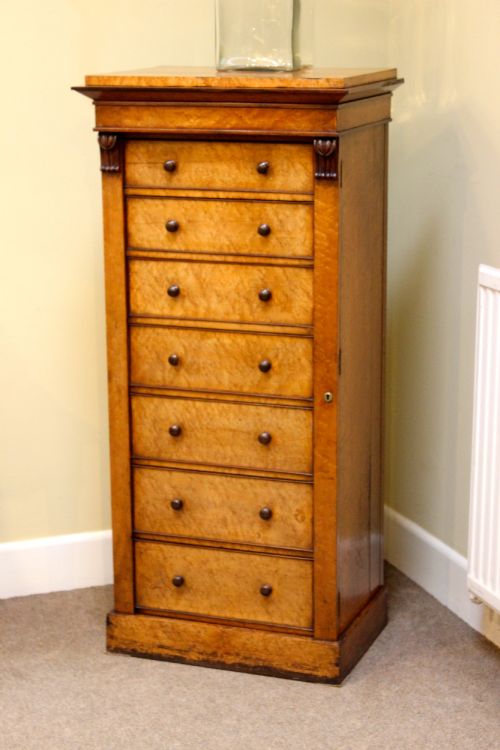
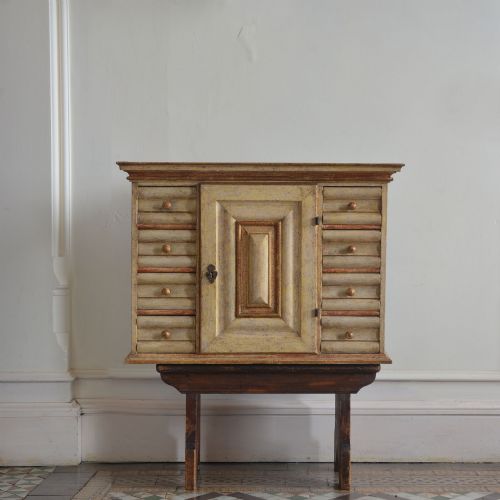
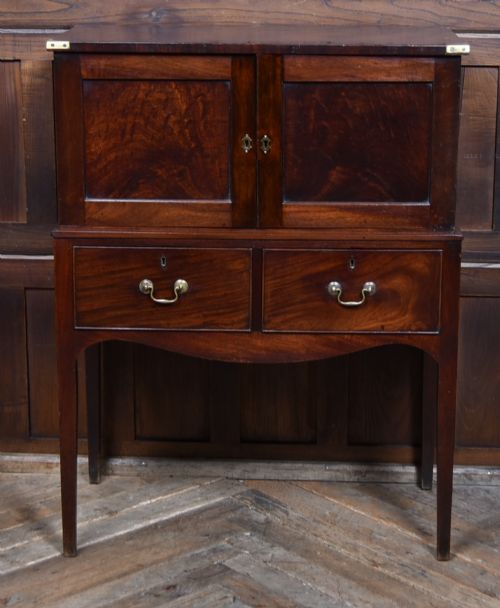
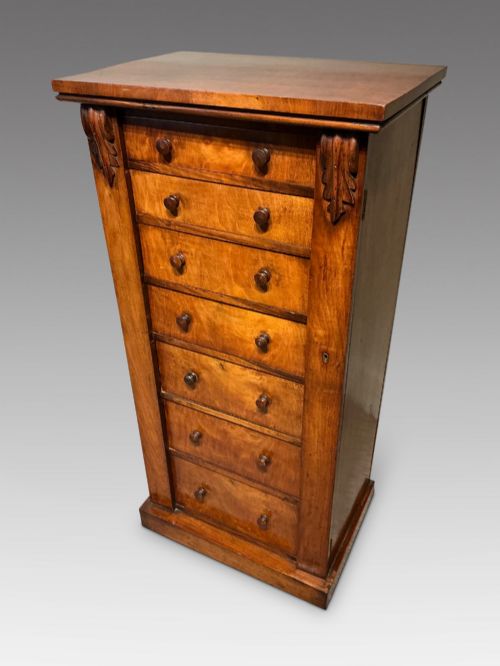
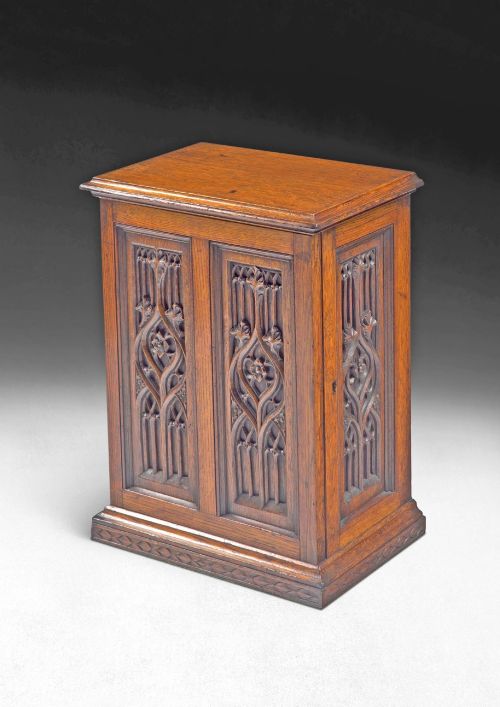
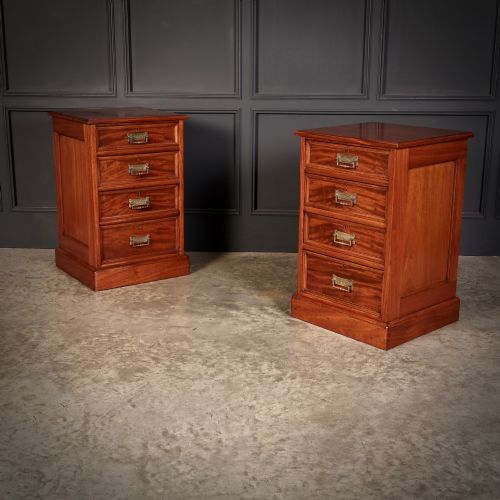
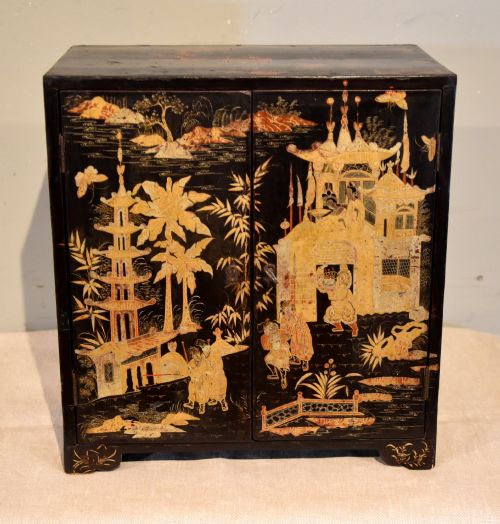
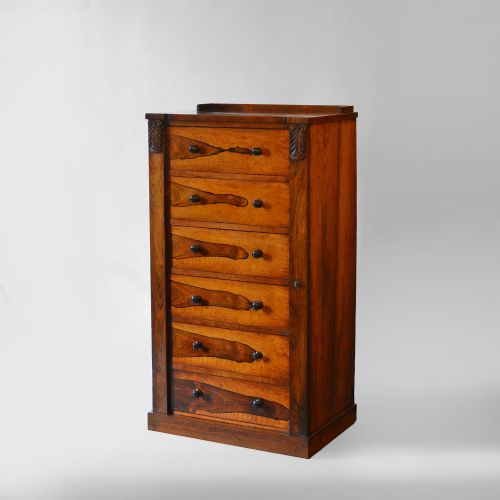
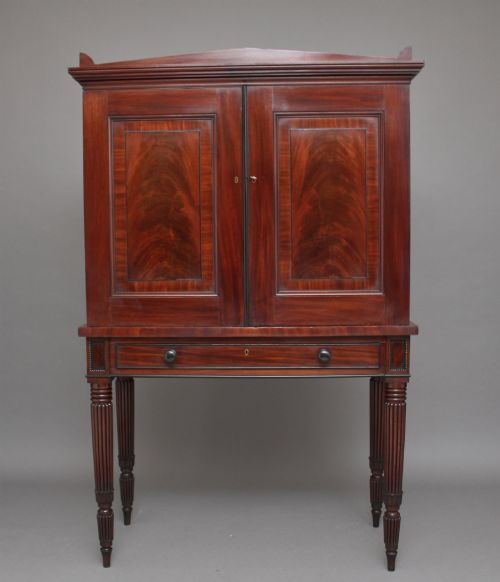
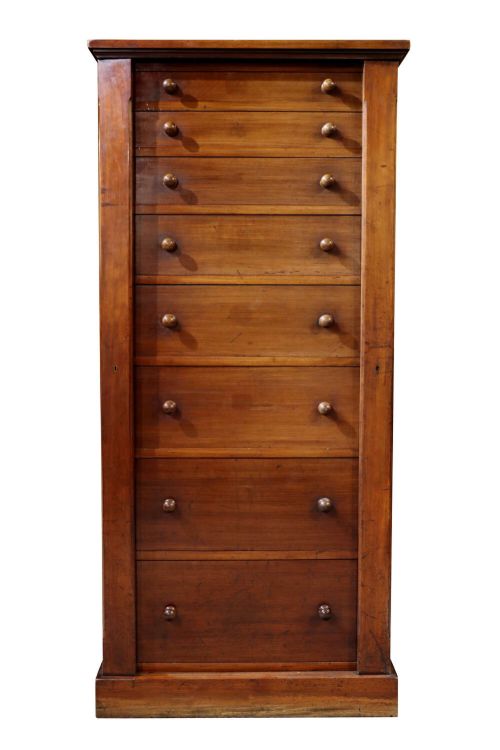
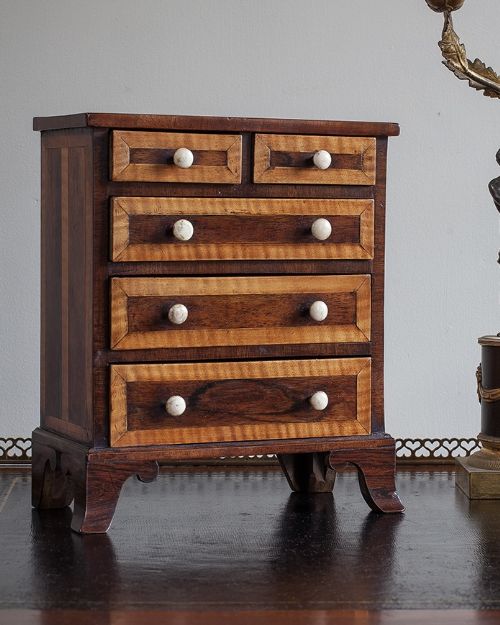
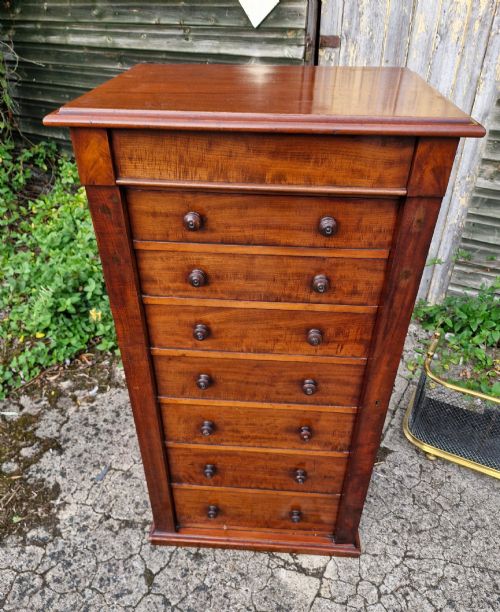
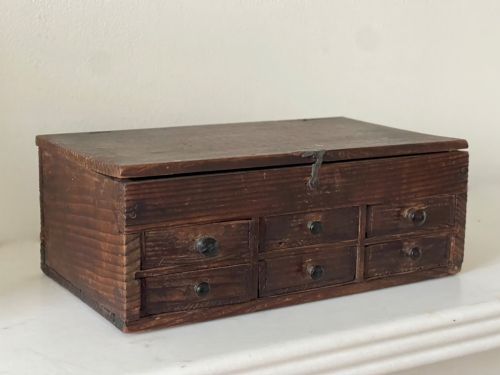
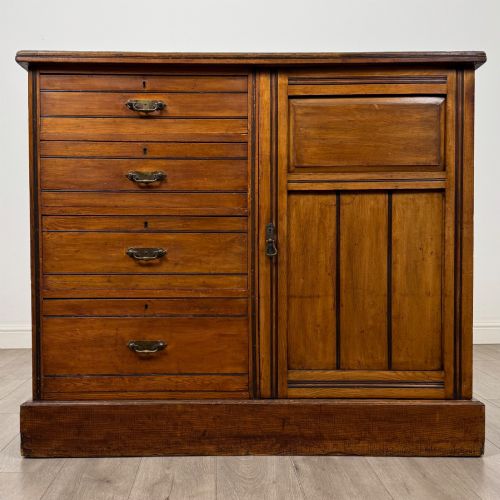
A 19th century collectors chest comprises multi-drawer cabinets, Wellington chests, miniature apprentice pieces, and table-top specimen cases designed to hold small items securely.
The pieces emerge from Victorian, Regency, and Charles X periods, appearing in formats ranging from table-top cabinets and spice drawers to apothecary chests and ticket dispensing boxes.
Buyers frequently encounter mahogany, walnut, rosewood, and pine configurations built for specialised storage like microscope slides, homeopathic remedies, letters, and jewellery.
How they were made
Cabinet makers utilised dense hardwoods including mahogany, rosewood, walnut, and oak alongside pine and deal for internal framework and secondary carcases.
Construction techniques involve tightly fitted small drawers, brass locking mechanisms, inlaid details, and specialised handles suited for frequent handling of miniature components.
19th Century Collectors Chest Retail Price Guide 2026
Typical asking prices for 19th century collectors chest among the pieces listed under this phrase on Sellingantiques today, from the lower quarter to the upper quarter. They describe what is for sale here now, not the wider market.
Listings feature woods including mahogany, rosewood, walnut, oak, teak, fruitwood, and pine across the nineteenth century.
What varies in quality
Quality rests in the selection of timber veneers, such as burr walnut or figured mahogany, and the precision of the drawer joints.
Original hardware, functional locking mechanisms with working keys, and intact internal partitions elevate the standard of a piece significantly.
Luxmore s of Ilfracombe
The 19th Century Collectors Chest Glossary
- Wellington chest
- A tall, narrow chest of drawers secured by a hinged locking side pilaster bar. This locking stile fastens the entire stack with a single key.
- Apprentice piece
- A miniature item made by a trainee craftsman to demonstrate mastery of joinery. These small chests duplicate full-scale furniture proportions.
- Cartonnier
- A desktop cabinet designed for filing papers or documents in horizontal compartments. French iterations often utilise mahogany surfaces.
- Specimen chest
- A cabinet constructed with shallow drawers for housing natural history collections. Entomologists and botanists utilised these for organised storage.
19th Century Collectors Chest: Frequently Asked Questions
What did people store in these chests?
These chests stored natural history specimens, microscope slides, homeopathic remedies, letters, and jewellery. The numerous shallow drawers suited items requiring careful separation and protection.
Craftsmen built specific internal layouts depending on the intended contents, such as pharmacy bottles or ticket rolls.
Are miniature chests apprentice pieces?
Many small chests served as apprentice pieces where trainees demonstrated advanced cabinet making skills. They duplicate the construction methods of full-sized furniture on a reduced scale.
Collectors prize these smaller items for their intricate joinery and faithful proportions.
What woods were used?
Cabinet makers relied heavily on dense timbers like mahogany, walnut, rosewood, and oak for visible surfaces. Pine and deal frequently formed the secondary woods inside the drawer carcases.
Finer models often displayed figured veneers or inlaid decorative banding.