






19th Century Cocktail Table
A 19th century cocktail table brings timeless timber character and low proportions into a modern room, offering sturdy utility with genuine period pedigree.
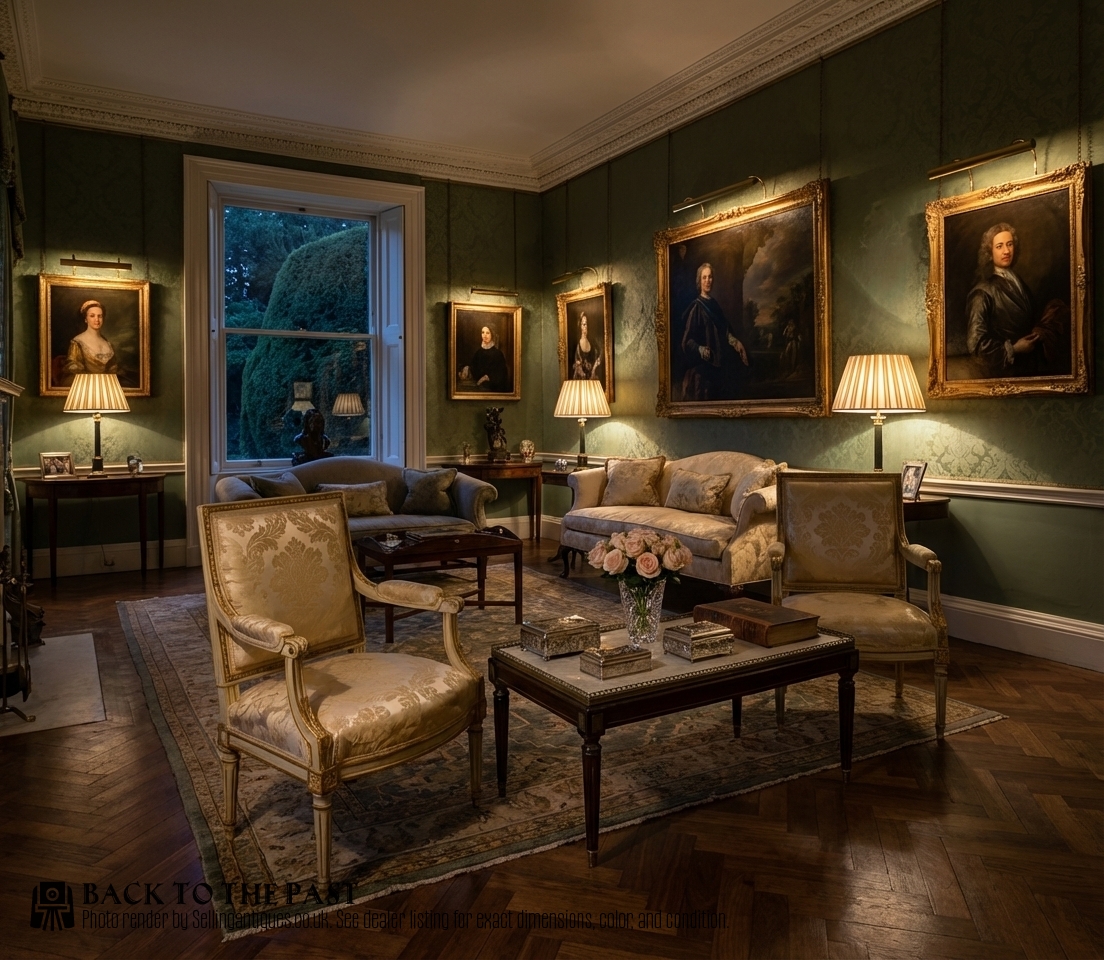
19th Century Cocktail Table
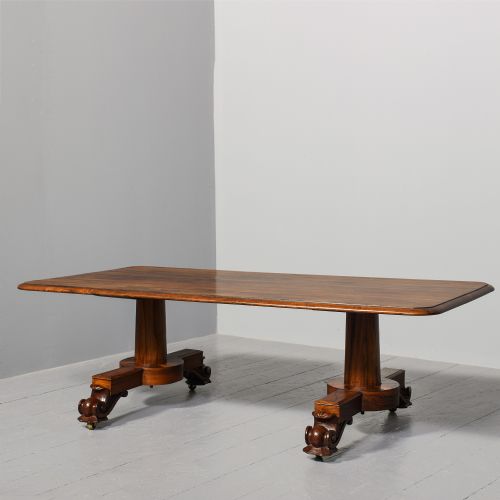
When you search for a 19th century cocktail table, you encounter low occasional furniture adapted from earlier forms, coffee tables, and side tables. The selection spans periods including Regency and 1850, reflecting diverse regional origins.
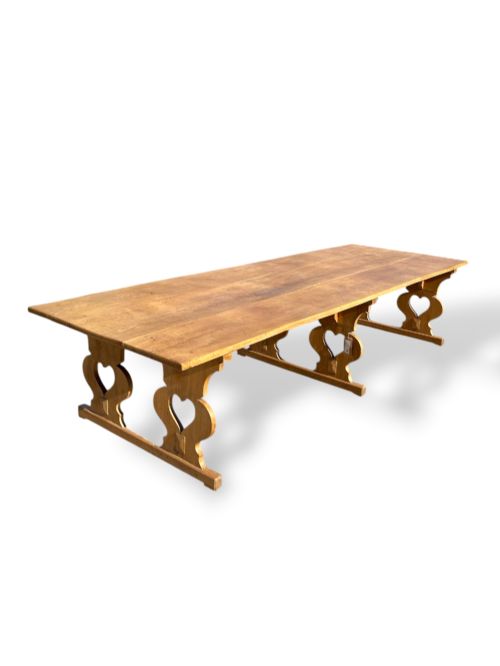
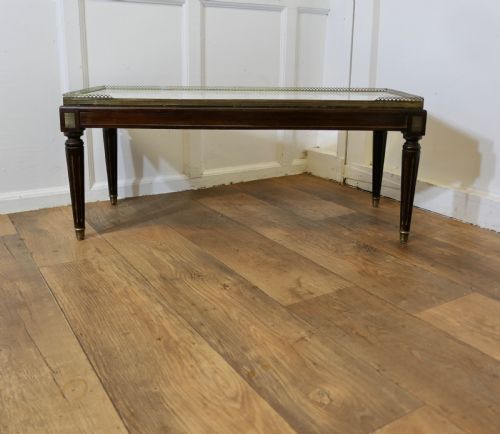
You are most likely to meet mahogany, oak, and walnut examples on this page, alongside rosewood and cherry wood pieces. Forms range from rustic farmhouse styles to refined French neoclassical and Qing dynasty designs.
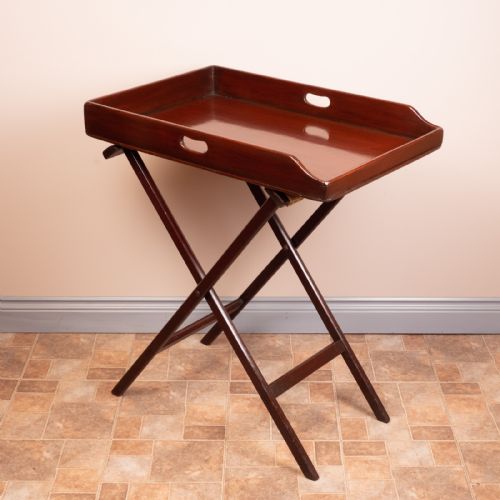
Many listings present large proportions or functional additions such as side drawers and folding butlers trays on stands. These pieces bridge historical utility and modern living spaces through their low stance.
Materials and construction methods
Cabinetmakers utilised dense hardwoods such as mahogany, walnut, rosewood, and oak to build durable frames capable of withstanding daily use. Surfaces often highlight the natural grain of cherry wood, elm, or hardwood.
Several tables retain their folding butlers tray mechanisms, ready to pack up after tea.
Distinguishing quality across pieces
Superior execution shows in the selection of richly figured timber veneers and solid hardwoods, where the grain displays deep natural movement. Finer pieces demonstrate precise joinery and balanced proportions, particularly on larger frames.
The integration of functional elements, such as smoothly operating side drawers or well-fitted folding trays on stands, separates standard utilitarian items from exceptional workshop production.
Gillows of Lancaster
The 19th Century Cocktail Table Glossary
- Butlers tray
- A portable wooden tray designed to sit upon a folding stand for serving or display. This form adapts easily to low table use.
- Regency
- An English design style spanning the early nineteenth century, characterised by classical restraint and elegant proportions. Pieces from this period often display fine mahogany and understated inlay.
- Inlay
- A decorative technique where contrasting woods or materials are fitted into the surface of a primary timber. This adds subtle pattern and visual depth to table tops.
- Hardwood
- Timber derived from broad-leaved trees, prized for durability and rich grain patterns. Mahogany, oak, walnut, and rosewood fall into this category.
19th Century Cocktail Table: Frequently Asked Questions
What is a 19th century cocktail table?
These items are low tables originating from the nineteenth century, often adapted from earlier occasional tables, side tables, or butlers trays.
They provide sturdy surfaces and historical character suited to contemporary living rooms.
How were butlers trays used?
Original butlers trays served portable dining or beverage functions within large houses, resting on collapsible wooden stands for easy storage.
Today, these trays on stands function as flexible low tables in domestic spaces.
What woods appear most frequently?
Makers relied heavily on sturdy timbers like mahogany, oak, and walnut for primary construction.
Rosewood, cherry wood, elm, and other hardwoods also feature across various regional styles.
How do I identify a Regency piece?
Regency items reflect early nineteenth-century design principles, often incorporating classical restraint and refined mahogany surfaces.
Specific examples may include fine inlaid details that distinguish them from later Victorian or rustic farmhouse productions.