
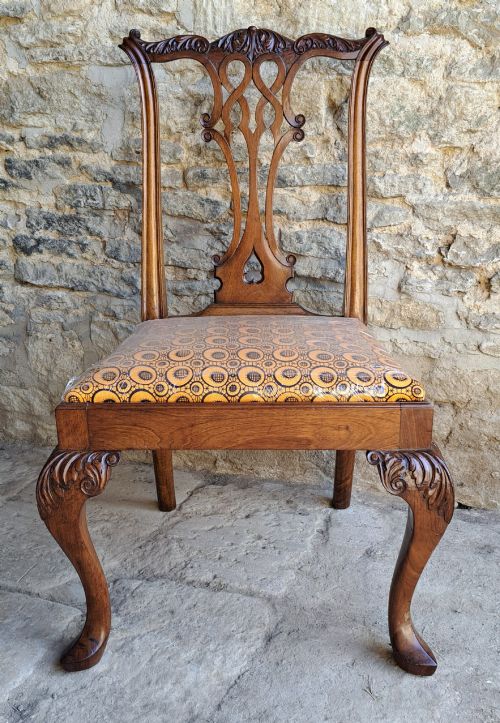
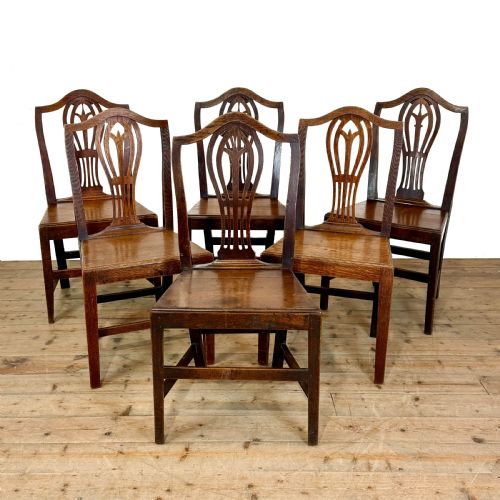


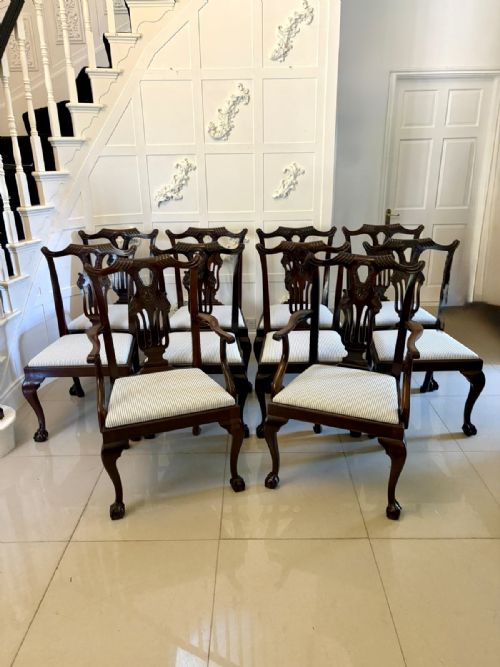


19th Century Chippendale Chair
When hunting for a 19th century chippendale chair, you find seating that reinterprets the master cabinetmaker's mid-eighteenth-century vocabulary through Victorian craftsmanship.
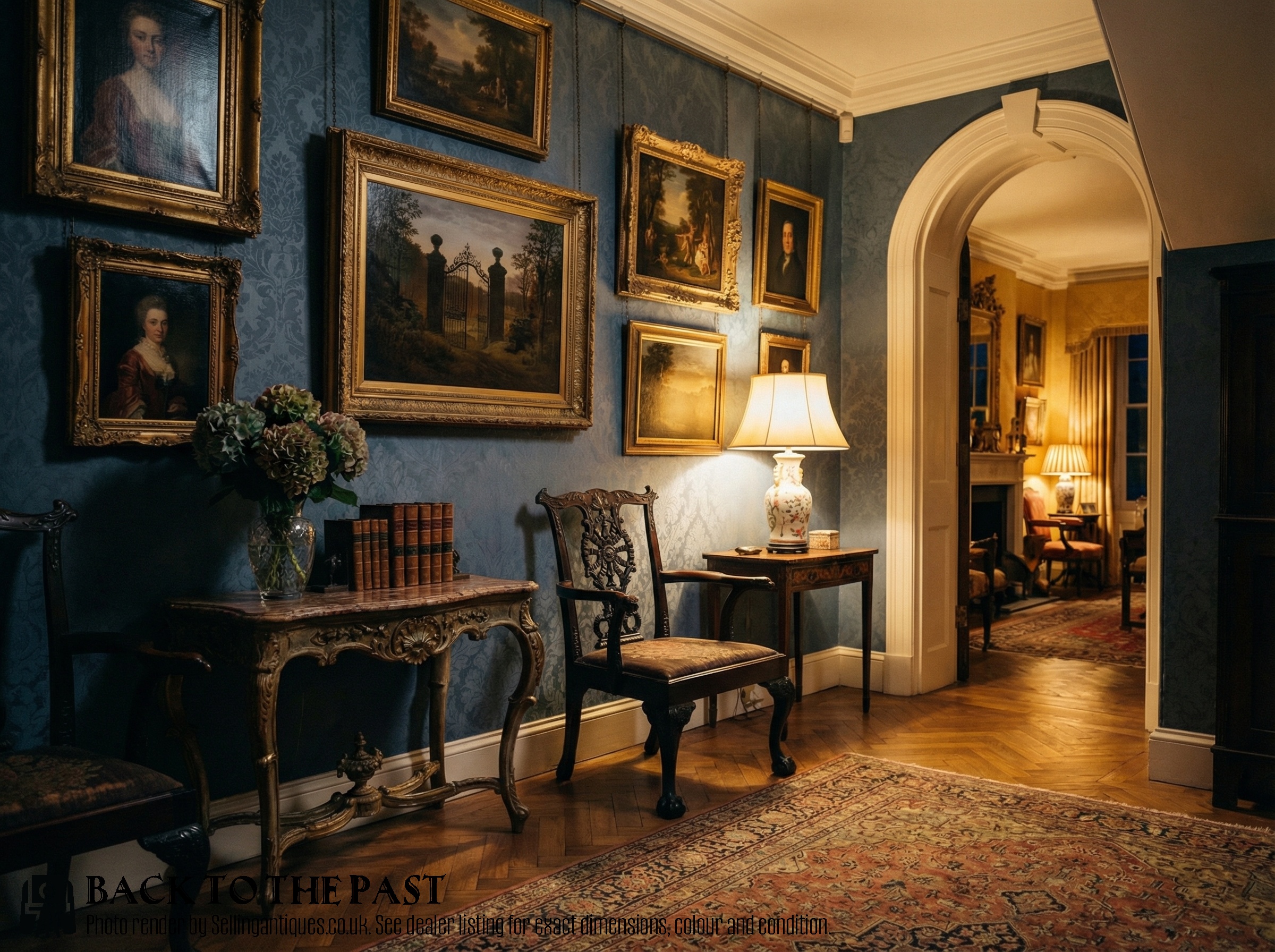
19th Century Chippendale Chair
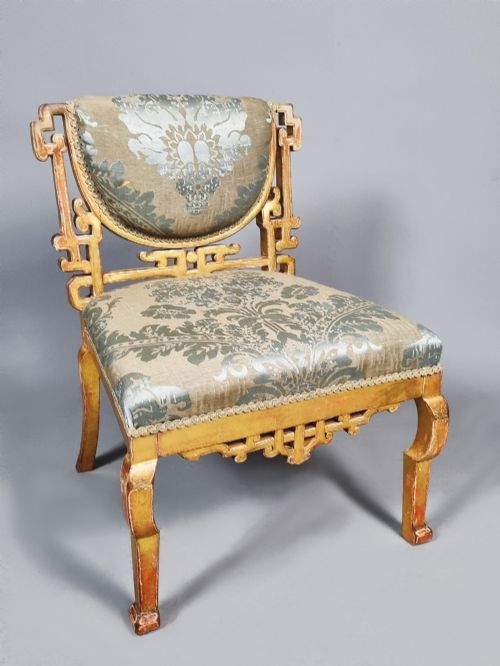
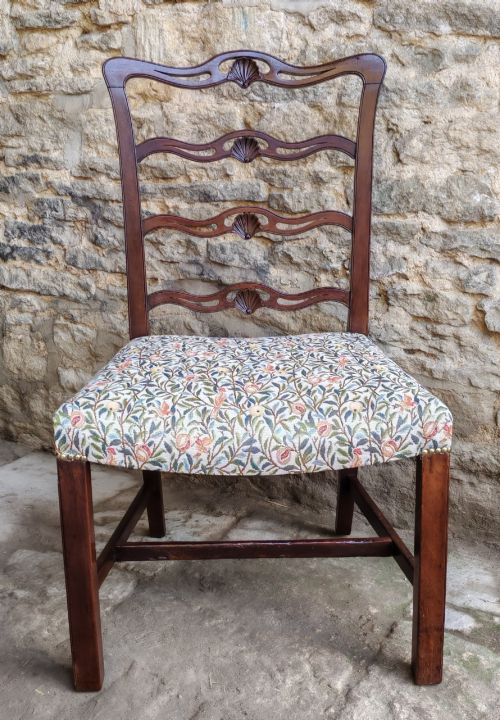
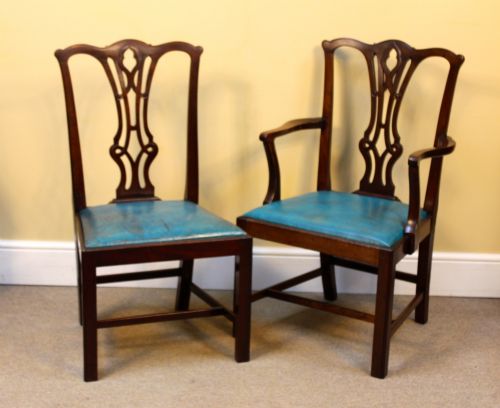
Beyond standard dining seats, the selection frequently includes library armchairs, desk chairs, wingbacks, and specialised forms such as Cockpen chairs and ladderbacks. Chinese Chippendale variations with fretwork and giltwood also appear among the revival pieces.
The materials rely predominantly on solid mahogany, occasionally featuring walnut, oak, or elm, paired with seats upholstered in leather, fabric, velvet, damask, or tapestry.
What varies in quality
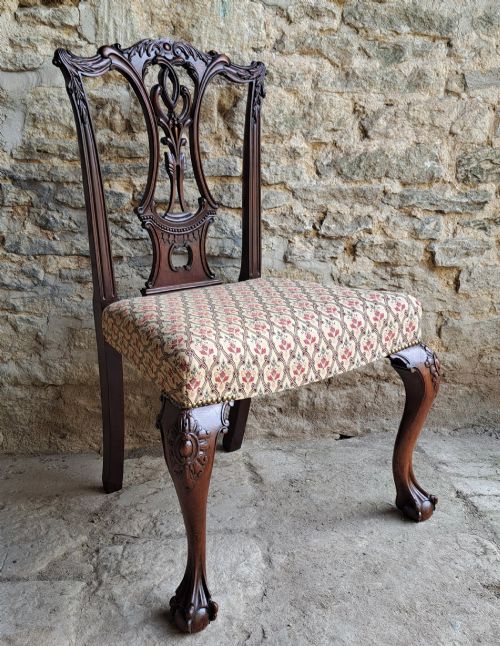
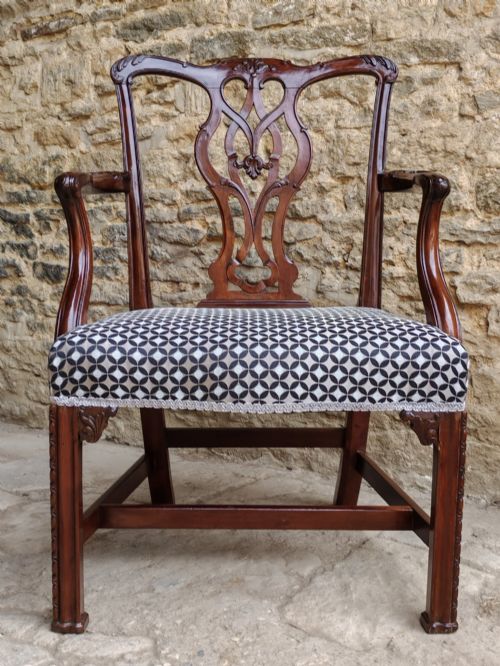
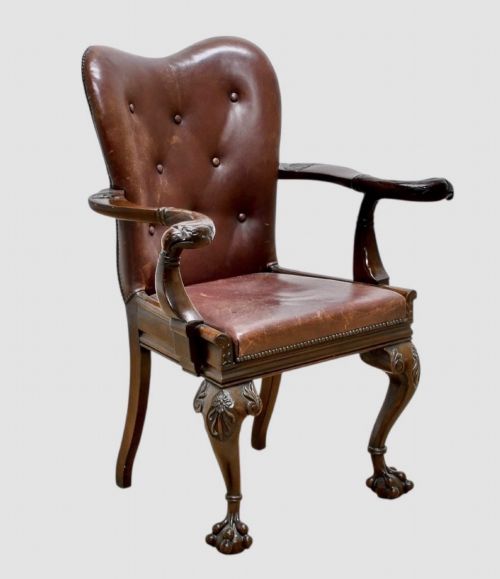
The depth and crispness of the hand carving dictate the standing of a piece, separating mechanical factory output from accomplished cabinet work. Crisp undercut details on acanthus leaves, scrollwork, and ball and claw feet demonstrate superior workshop skill.
Timber selection and structural integrity also divide the range, with dense Cuban mahogany and heavy gauge frames commanding greater respect than lighter, plainer substitutes. Complete sets of eight or twelve matching chairs maintain higher desirability than isolated singles.
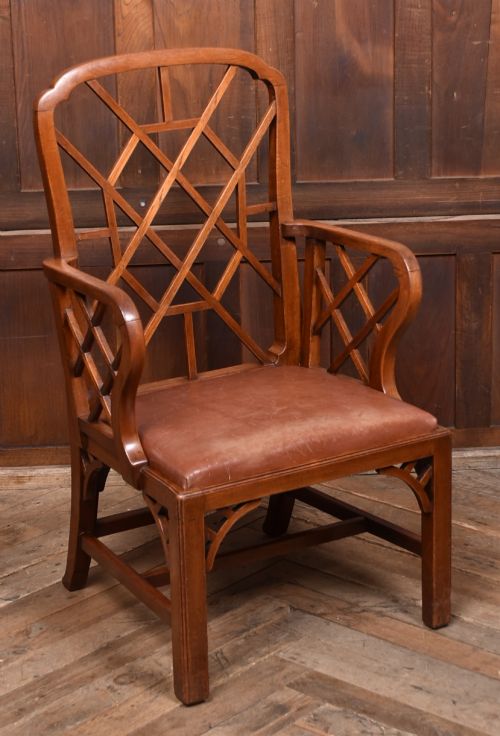
Some nineteenth-century makers evidently enjoyed a puzzle, producing Cockpen chairs with lattice backs that look ready to double as garden trellises.
Thomas Chippendale·Waugh & Son
The 19th Century Chippendale Chair Glossary
- Carver
- An armchair, typically designed for the head of a dining table, featuring supportive armrests that match the surrounding single dining chairs.
- Cockpen
- A lattice-work chair design inspired by Chinese Chippendale style, featuring an open geometric grid pattern in the back.
- Ribbon back
- A chair back carved to imitate fluttering ribbons woven through a central splat, seen on high-end Chippendale designs.
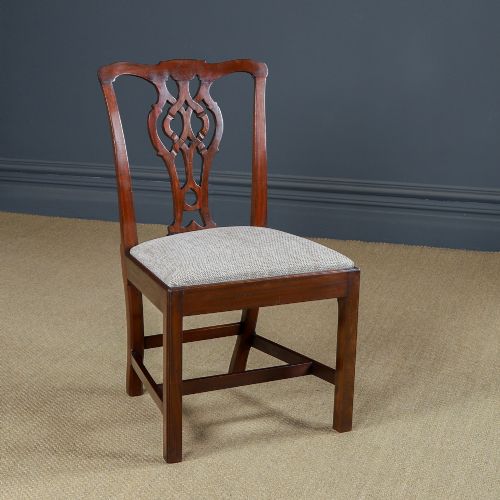
- Splats
- The vertical wooden strip down the centre of a chair back, frequently pierced and carved in Gothic or interlaced patterns.
- Giltwood
- Wood that has been coated with a thin layer of gold leaf or gilt paint, common on decorative Chinese Chippendale saloon chairs.
19th Century Chippendale Chair: Frequently Asked Questions
How do I spot a Chippendale revival piece?
Revival pieces from the nineteenth century often feature denser, heavier mahogany timbers than their eighteenth-century prototypes. Tool marks and construction methods characteristic of the Victorian period help confirm the later date of manufacture.
Design motifs are frequently heavier or more stylised, reflecting Victorian interpretations of original pattern books rather than exact eighteenth-century proportions.
Were these chairs meant for everyday dining?
Many of these pieces were made as large sets specifically for formal Victorian dining rooms. Robust construction in solid mahogany allowed them to withstand daily family use.
Larger carvers and armchairs were stationed at the heads of the table or placed in libraries and reading rooms for comfort.
How should I care for leather upholstered seats?
Leather seat pads benefit from regular dusting with a soft, dry cloth and occasional treatment with a suitable leather conditioner to prevent drying and cracking. Keeping the timber away from direct heat sources protects both the frame joints and the hide.
Avoid using harsh chemical cleaners, as these strip the natural finishes applied during the nineteenth century.
Can I mix single chairs with carvers?
Mixing single dining chairs with matching carvers follows historical precedent, as dining sets from the period were typically built with a combination of armless chairs and armchairs. Ensuring the timber tone and leg style correspond maintains a cohesive look around the table.
Armchairs fit naturally at the ends of a dining table or placed individually as desk and library seating.