


19th Century Chinese Jar
A 19th century chinese jar brings historic Qing craftsmanship and vibrant hand-painted porcelain or bronze into a modern interior as a striking focal point.
19th Century Chinese Jar
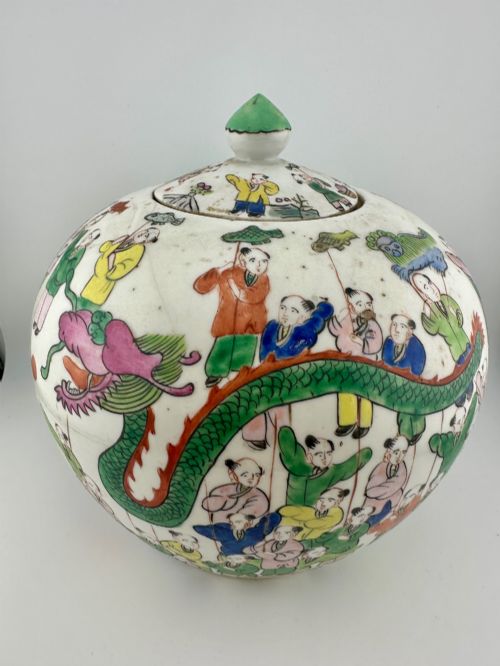
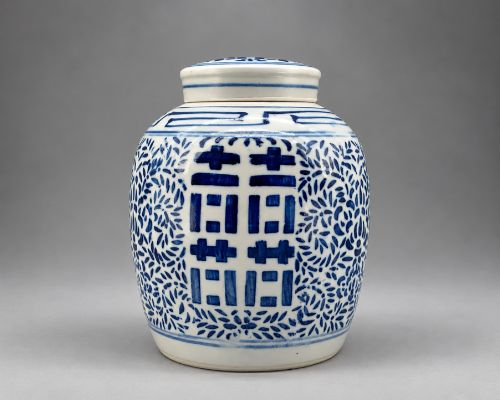
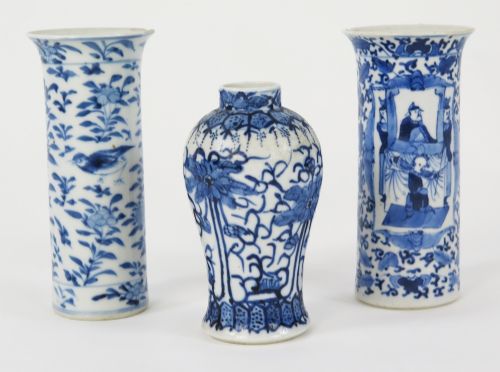
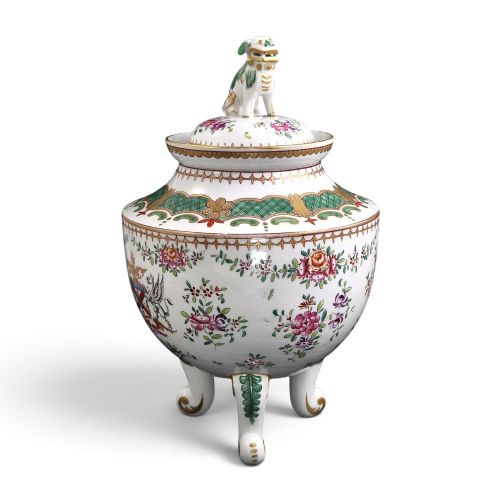
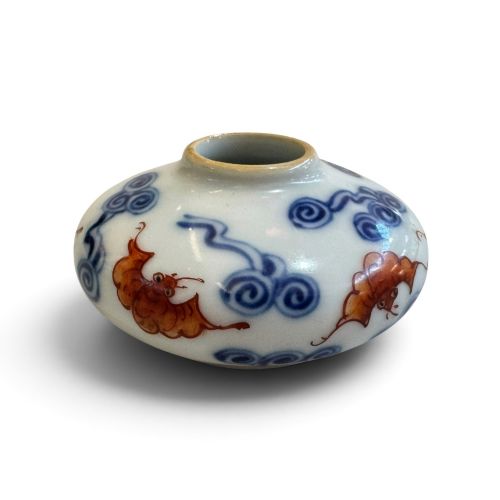
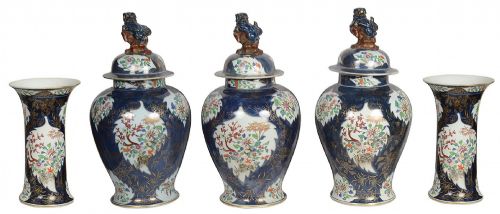
When searching for a 19th century chinese jar, collectors encounter a diverse array of lidded ginger jars, temple jars, and storage vessels originating from the Qing Dynasty. Many of these pieces were created for export or domestic use, featuring classic blue and white underglaze painting or colourful enamel palettes.
The selection frequently includes ginger jars and baluster vases that have been converted into table lamps using ormolu mounts, alongside traditional lidded containers intended for tea or spices. Forms range from compact crackleware vessels to monumental jars designed to anchor a room.
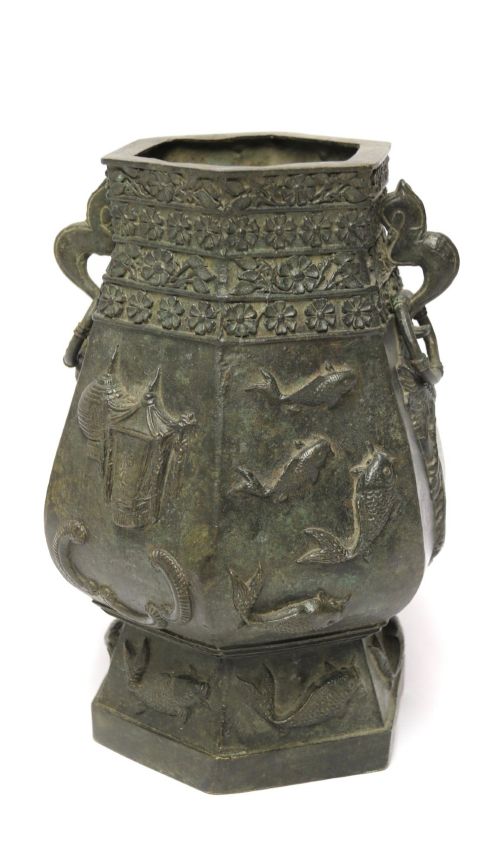
Beyond porcelain, the category encompasses solid bronze vessels, cloisonné enamel bowls, and carved cinnabar lacquer pieces from periods spanning the 1860s to the close of the century. European interpretations in the Chinoiserie style also appear among the selections, reflecting the Western appetite for Eastern aesthetics.
Materials and methods
Potters shaped fine porcelain on the wheel before applying cobalt blue underglaze pigments or multi-coloured enamel paints by hand, followed by high-temperature firing. Bronze and brass vessels utilised casting techniques, often decorated with cloisonné wirework enclosing coloured enamel pastes.
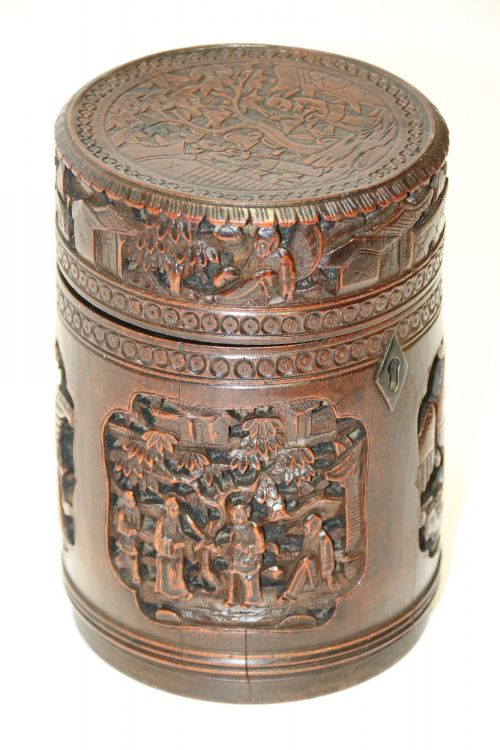
Carved pieces display meticulous hand-tooling across dense organic mediums such as bamboo, rosewood, and cinnabar lacquer layers. Secondary enhancements include gilt bronze ormolu mounts fitted by European workshops during later adaptations into lamps.
Listings feature porcelain, bronze, brass, wood, fabric, and gold leaf spanning the 18th and 19th centuries.
Assessing craftsmanship
The distinction between standard and superior pieces lies in the precision and depth of the hand-painted decoration, where fluid brushwork on porcelain or intricate wire alignment in cloisonné denotes master workshops. The weight and stability of cast bronze or carved hardwood stands further separate high-end examples from commercial wares.
Condition and originality dictate overall desirability, particularly intact covers, well-preserved enamels, and the structural integrity of historical mounting conversions. Pieces retaining fine detail in facial expressions on figurative panels or complex floral registers command greater attention from discerning collectors.
Samson Paris
The 19th Century Chinese Jar Glossary
- Famille rose
- A major palette of Chinese ceramic glazes introduced in the Qing Dynasty, distinguished by opaque pink or rose enamel colours rendered in floral and figural scenes.
- Ginger jar
- A wide-shouldered, high-bellied storage vessel with a short neck and fitted cover, originally designed for spices or salt.
- Cloisonne
- A decorative metalwork technique where flat metal wire is soldered to a base to form compartments filled with enamel paste and fired.
- Crackware
- A ceramic glaze featuring a network of intentional microscopic surface cracks, deliberately produced during the cooling process for textural effect.
- Canton
- A style of export porcelain characterised by panels alternating between bustling figures and birds or flowers, produced in the Guangdong province.
19th Century Chinese Jar: Frequently Asked Questions
How were ginger jars originally used?
These vessels served primarily as robust storage containers for precious commodities such as salt, oils, and preserved ginger shipped across trade routes.
Over time, their aesthetic appeal led to their adoption as decorative ornaments within domestic interiors both in Asia and Europe.
Can I use a converted jar lamp safely?
Many surviving pieces were adapted into lighting during the Victorian period or later, incorporating brass or ormolu mounts to secure electrical fixtures.
Buyers should have older wiring inspected or replaced by a qualified electrician to meet current safety standards before daily use.
How do I distinguish blue and white patterns?
Traditional underglaze cobalt painting varies from soft, hazy tones to vibrant sapphire hues depending on the specific kiln temperature and mineral purity.
Examining the brush strokes under magnification reveals the hand-painted nature of genuine antique pieces compared to mechanical printing.
Where should I display a heavy bronze bowl?
Substantial bronze and cloisonné vessels require sturdy furniture such as hardwood stands or heavy sideboards to support their considerable weight safely.
Placement should avoid direct sunlight to protect enamel details and organic elements like carved wood or fabric components.