


19th Century Chinese Cupboard
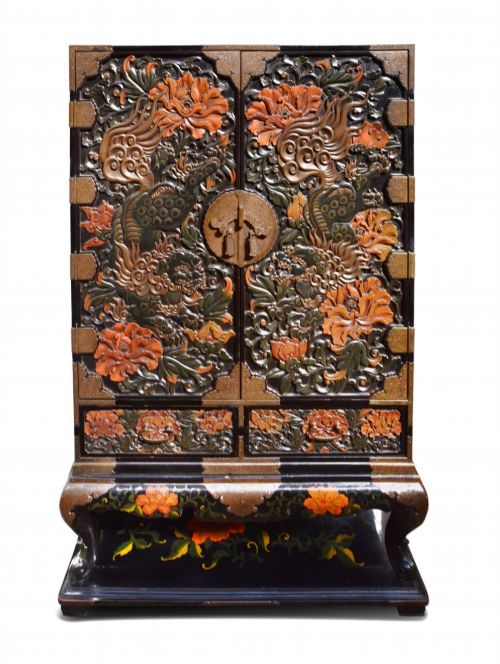
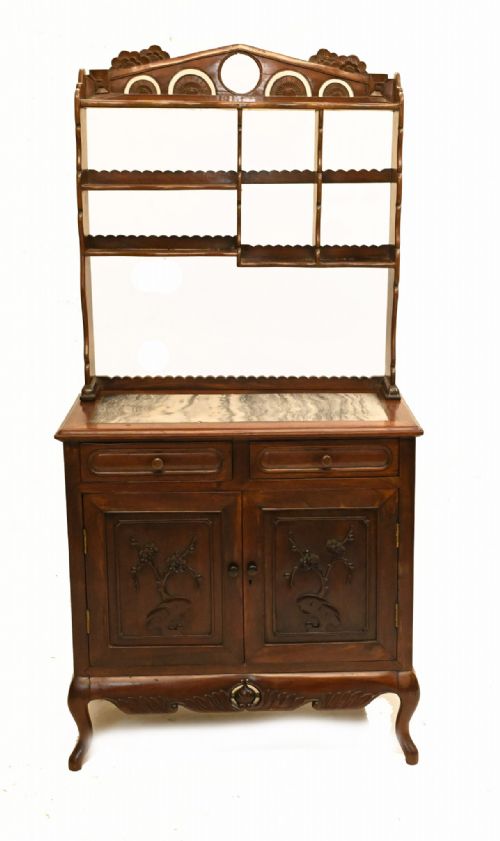
A 19th century chinese cupboard brings rich lacquered colour and practical storage into a room, offering authentic provincial character.
19th Century Chinese Cupboard
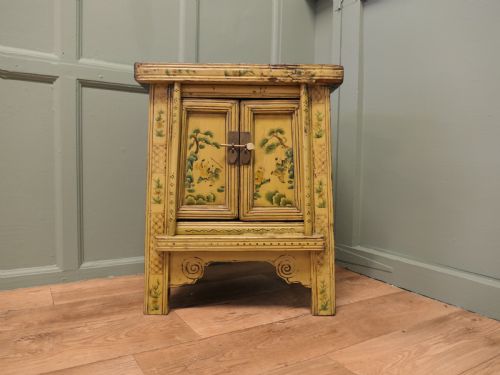
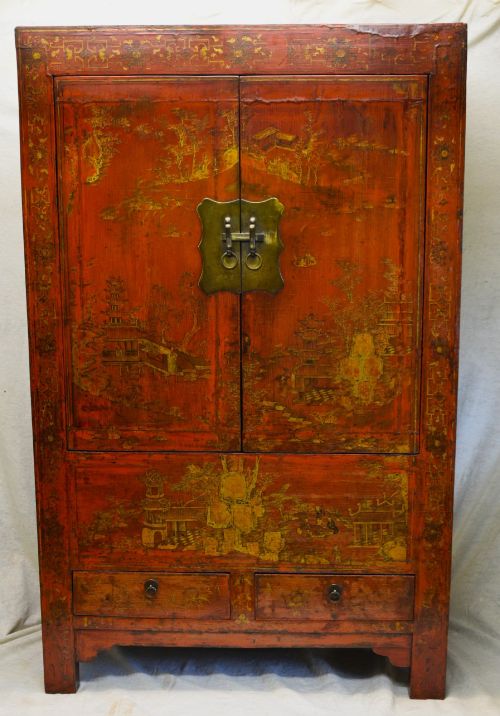
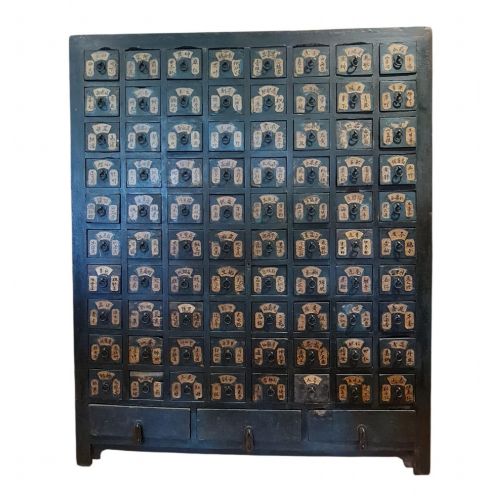
A 19th century chinese cupboard encompasses a diverse range of storage forms, from monumental red lacquer cupboards to compact apothecary chests with numerous small drawers. Buyers encounter pieces spanning various regional traditions, including Shanxi and Fujian provinces, reflecting distinct local woodworking and finishing practices.
How they were made
Construction relies heavily on native timbers such as elm and dense hardwoods, shaped into sturdy frames for cabinets, dressers, and sideboards. Artisans also utilised pine and mahogany in specific export or revival pieces.
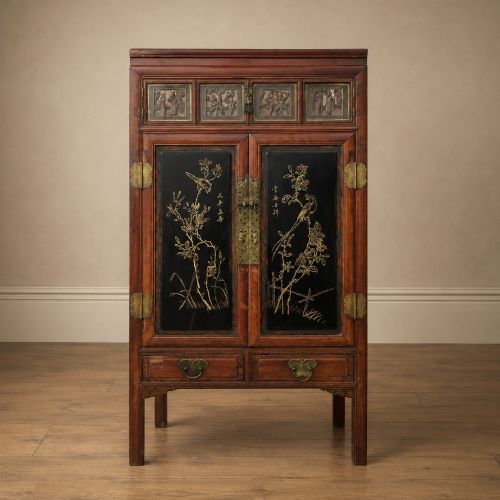
Surfaces often receive multiple layers of lacquer in red, black, or cream, frequently embellished with gold leaf, inlay, and carved details. Brass hardware serves both structural and decorative functions, securing doors and drawers on apothecary chests and compound cabinets.
Listings feature woods like elm, hardwood, and painted wood alongside decorated lacquer surfaces.
What varies in quality
The refinement of the surface finish dictates much of the visual distinction between pieces, particularly in the depth and preservation of red and black lacquer work. Finely executed gold leaf decoration and intricate carved panels elevate the presence of a cabinet.
Structural integrity and the retention of original brass fittings also define the standard of a piece. Examples that preserve their authentic provincial character without heavy modern intervention command greater appreciation among collectors.
The 19th Century Chinese Cupboard Glossary
- Qing Dynasty
- The final imperial dynasty of China, lasting from 1644 until 1912. Many furniture pieces associated with this era display traditional joinery and classic motifs.
- Lacquer
- A durable resin finish applied in thin coats to wood and polished to a smooth sheen. Traditional Chinese pieces frequently utilise red and black lacquer formulations.
- Apothecary chest
- A multi-drawer cabinet originally designed for storing medicinal herbs and dried ingredients. These often feature dozens of small, labelled drawers set within an elm frame.
- Chinoiserie
- European artistic styles that reflect Chinese decorative motifs and techniques. This aesthetic appears on various cabinets and display pieces produced for export or revival markets.
- Compound cabinet
- A tall storage form consisting of multiple stacked sections designed to hold garments or household goods. They are typically executed in heavy timber with brass hardware.
19th Century Chinese Cupboard: Frequently Asked Questions
How were these cupboards used originally?
These cabinets served primarily for storing garments, household textiles, and dried goods within traditional homes. Specialised pieces like apothecary chests held medicinal herbs and powders in their numerous small drawers.
Larger wedding cabinets functioned as prominent storage units commissioned for domestic life and family ceremonies. Their enclosed shelving protected valuable possessions from dust and humidity.
How do I distinguish regional styles?
Regional variations appear through timber selection, structural proportions, and decorative motifs unique to specific provinces. Pieces from Shanxi often highlight exposed elm grain, while Fujian works frequently showcase rich lacquer finishes.
Export pieces and Chippendale revival items incorporate European design elements alongside traditional construction. Examining the hardware and internal joinery helps clarify these geographic and stylistic origins.
How do I care for lacquered wood?
Lacquered surfaces require stable indoor humidity and protection from direct sunlight to prevent cracking or fading. Dusting should occur gently with a soft, dry cloth rather than chemical polishes.
Maintaining consistent environmental conditions preserves the underlying timber and delicate gold leaf decoration. Avoid placing these pieces near active heat sources or damp exterior walls.
What defines a wedding cabinet?
Wedding cabinets are large storage pieces traditionally given to a bride as part of her dowry. They typically feature two large doors enclosing spacious shelving and hidden compartments.
These pieces often display striking red lacquer and auspicious brass hardware symbolising prosperity and good fortune. Their monumental scale makes them a striking focal point in modern interiors.