
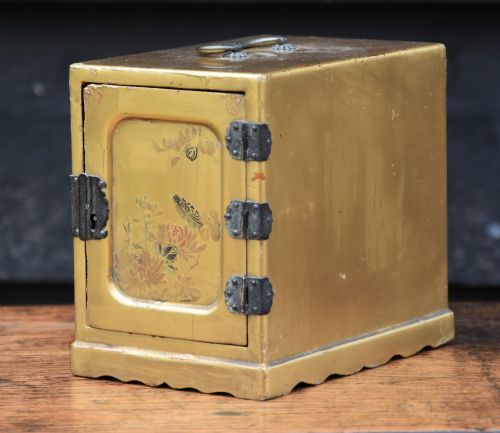
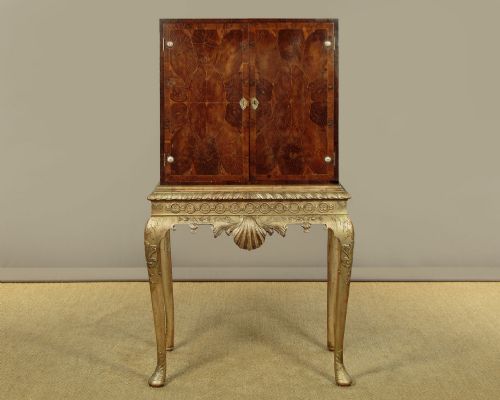
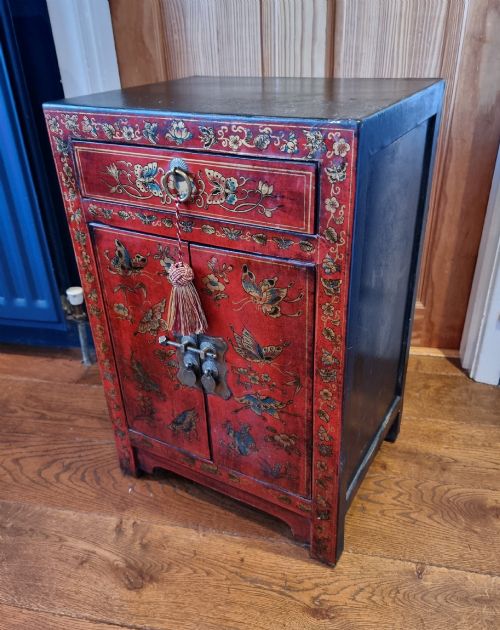
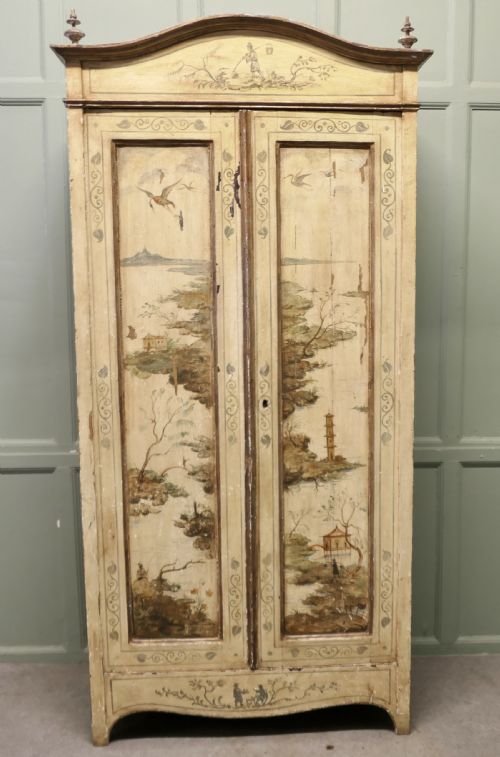



Lacquered Wood Cabinet
A lacquered wood cabinet brings layered depth and rich pictorial scenes into a room through centuries of traditional finish.
Lacquered Wood Cabinet
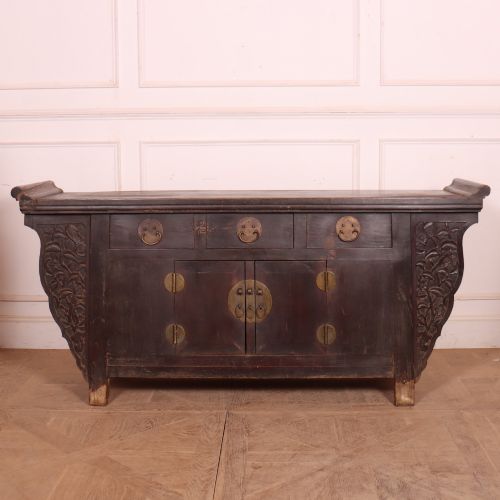
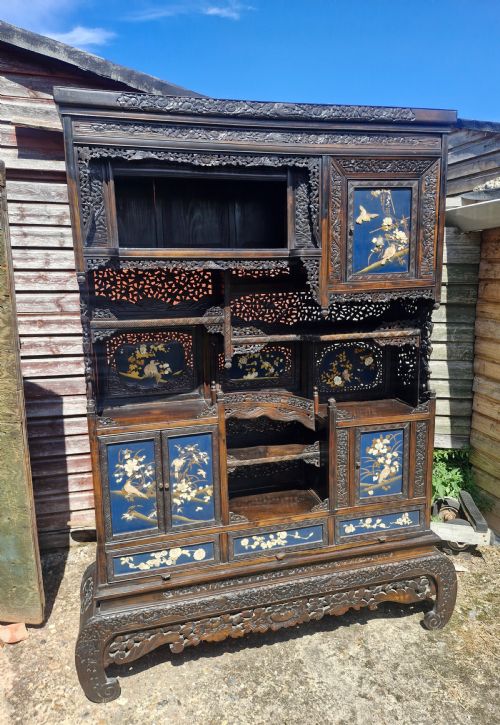
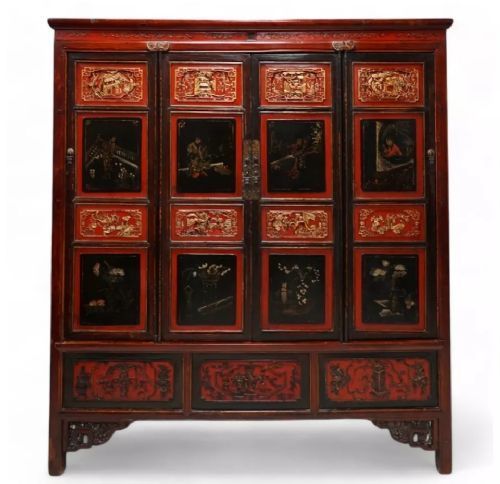
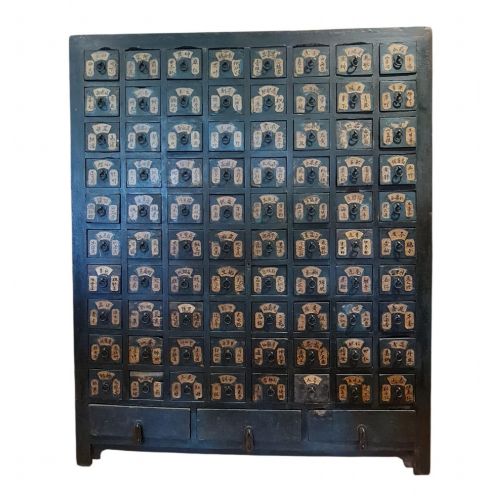
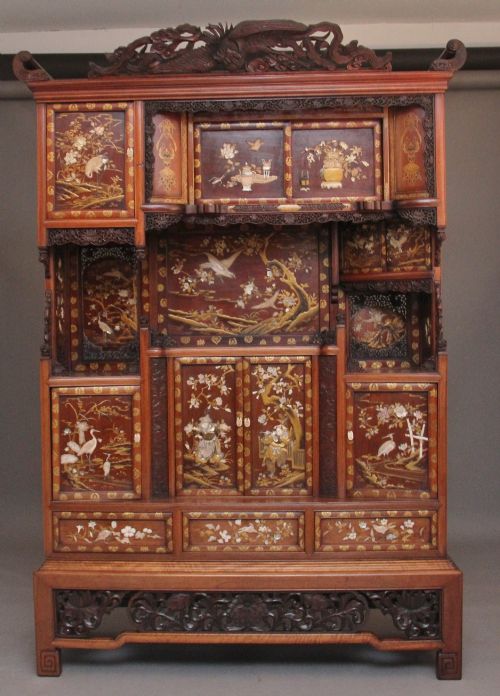
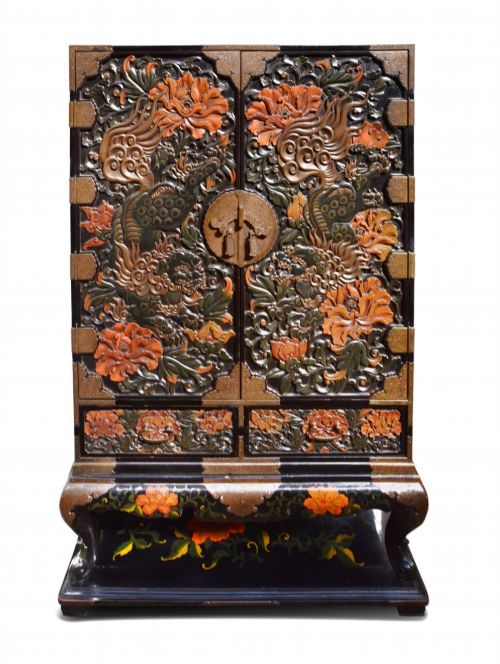
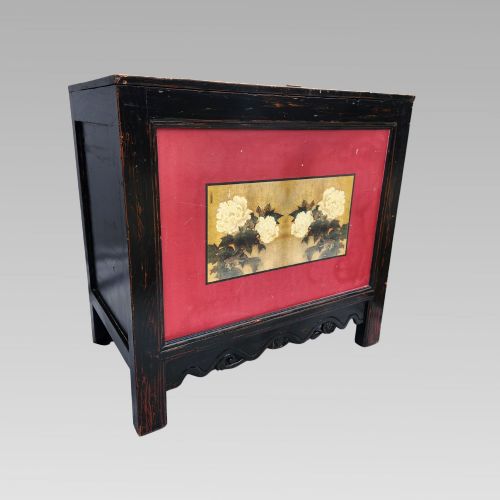
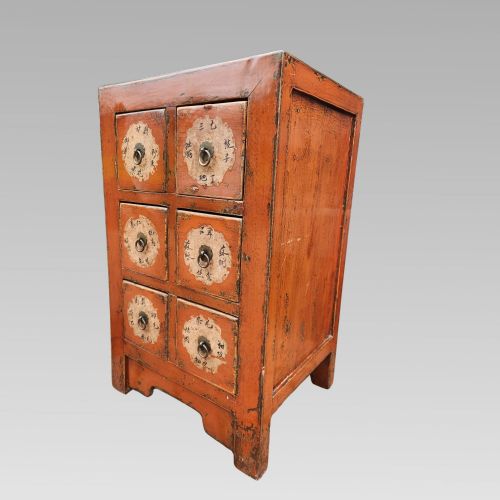
A lacquered wood cabinet encompasses diverse storage forms ranging from towering Chinese marriage chests and Japanese shodana display units to compact apothecary cabinets and cocktail bars.
The pieces appearing here span multiple periods, with nineteenth-century examples and early twentieth-century interpretations most commonly found.
Geographic origins vary widely across these listings, stretching from traditional Chinese workshops and Japanese Meiji period makers to European ateliers producing Chinoiserie and Venetian designs.
Materials and construction
Makers utilised solid hardwoods, elm, kiri wood, and pine as the structural foundation for applying coats of natural lacquer.
Surface decoration frequently incorporated gold leaf, painted outdoor scenes, carved cinnabar, and metal or brass mountings to accentuate the polished finish.
Certain apothecary chests contain up to eighty tiny drawers originally meant for dried herbs and roots.
Evaluating the standard
Quality rests in the depth of the finish and the preservation of the painted or gilt motifs across the wooden structure.
Superior examples maintain their original stands, metal hardware, and interior fittings without heavy restoration masking the age of the lacquer.
H and L Epstein
The Lacquered Wood Cabinet Glossary
- Chinoiserie
- European decorative style reflecting Chinese artistic traditions. It appears frequently on eighteenth and early twentieth-century cupboards.
- Shodana
- Japanese display cabinet featuring asymmetrical shelving and small cupboards. These pieces often date from the Meiji period.
- Tansu
- Traditional Japanese mobile storage chest built from wood with metal fittings. They were designed for domestic utility.
- Japanned
- European imitation of East Asian lacquerwork popular in the eighteenth century. It uses layered varnishes and raised decoration.
Lacquered Wood Cabinet: Frequently Asked Questions
How do I clean a lacquered wood cabinet?
Dust the surface regularly with a soft, dry cloth to prevent particles from scratching the delicate finish. Avoid using chemical polishes, water, or abrasive cleaners which can damage the lacquer.
Keep the cabinet away from direct sunlight and sudden temperature changes to prevent the wood underneath from expanding and cracking the lacquer layer.
Where should I place a lacquer cabinet?
Position the piece away from radiators, fireplaces, and direct heat sources that dry out historical woods and cause the finish to craze. Interior placement with stable humidity preserves the structural integrity of the timber and the surface.
Allow enough clearance around doors and drop-front panels so they open fully without bumping into surrounding furniture.
How do I date an antique lacquer cabinet?
Examine the construction methods of the underlying timber, such as dovetailing, hand-cut joints, and the type of secondary wood used inside drawers. Hardware styles, lock mechanisms, and the ageing patterns of the lacquer itself provide further clues to the period.
Compare the decorative motifs, such as Meiji period carvings or Art Deco lines, against documented regional styles from the eighteenth through twentieth centuries.
Can I use a cocktail cabinet for daily storage?
Many period pieces designed for drinks storage feature mirrored interiors, glass shelves, and pull-out mixing slides suited for modern entertaining. Ensure any weight placed on interior glass shelves or drop-down ledges remains moderate.
Use coasters inside the cabinet to protect antique wooden surfaces from condensation and bottle rings.