



Chinese Storage Chest
When you handle a Chinese storage chest, you hold a piece of global trade history built to protect valuables across vast ocean voyages.
Chinese Storage Chest
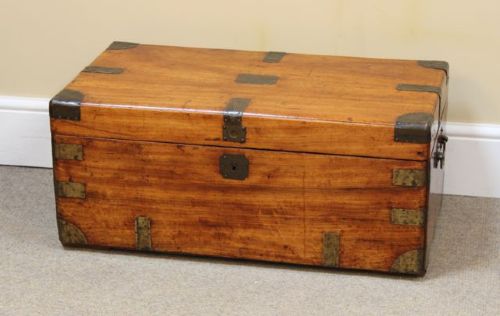
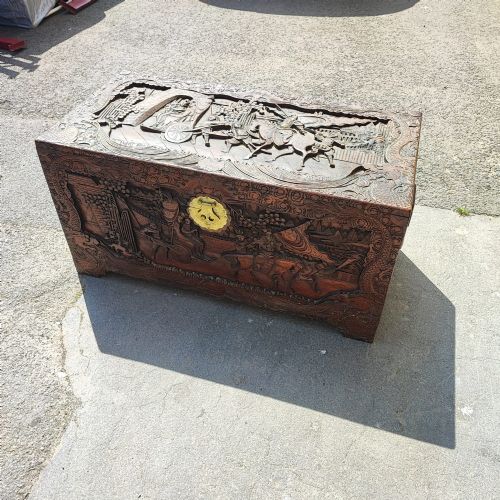
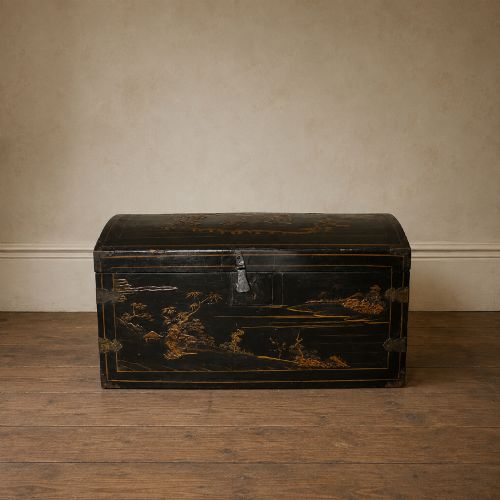
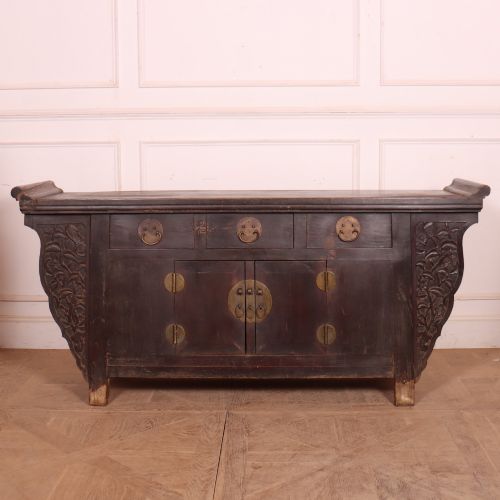
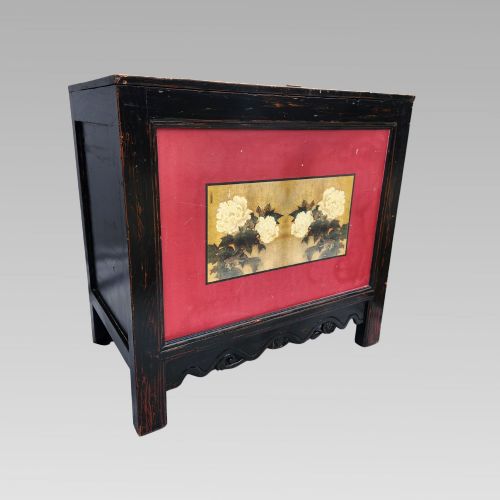
A Chinese storage chest encompasses a variety of trunks, coffers, blanket boxes, and cabinets produced across several centuries for export and domestic use. The pieces span from the 18th century through the early 20th century, encompassing styles such as Qing Dynasty, Chinese Export, and Chinoiserie. Buyers most frequently encounter camphor wood trunks and black lacquer chests, often detailed with brass hardware.
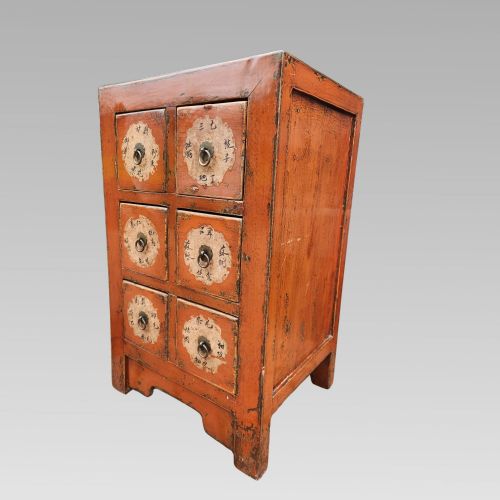
The functional forms include large luggage boxes, apothecary medicine cabinets, tea caddies, and wedding baskets. Many of these items served practical roles in maritime transport or domestic storage before entering the antique market. Their construction often reflects specific stylistic intersections like Anglo-Chinese Colonial design.
How they were made
Makers utilised resilient timber such as camphor wood and hardwood, chosen for durability and insect-resistant properties. Camphor wood trunks are frequently richly carved or left plain, relying on the natural grain and aroma of the timber. Other pieces employ layered lacquer over wood, creating smooth surfaces suited for detailed painting and gilt decoration.
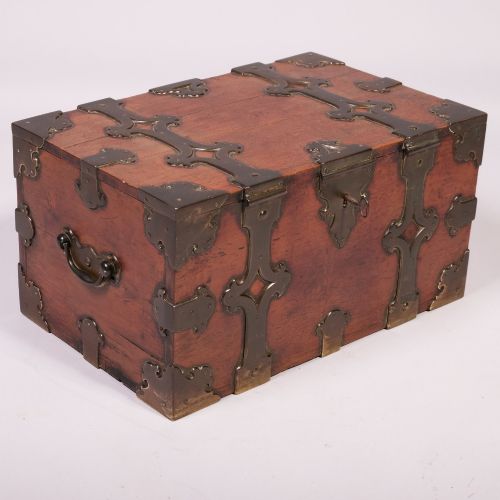
Metalwork played a structural and decorative role, with brass and iron mounts, hinges, and lock plates reinforcing the corners and edges of trunks and leather-covered chests. Some examples incorporate mother-of-pearl inlay or leather coverings tied to the China Trade, combining traditional Chinese woodworking joints with materials suited for long-distance transport.
Camphor trunks still retain their distinctive medicinal scent after more than a century.
What varies in quality
The distinction between tiers rests upon the depth and crispness of the carving, the integrity of the lacquer or painted surfaces, and the preservation of original brass or iron hardware. Pieces featuring intricate gilt decoration, hand-painted Chinoiserie scenes, or complex mother-of-pearl inlay sit toward the upper end of the scale.
Structural completeness also defines a better example, particularly where hinges, locks, and fitted interior compartments remain intact. The quality of the timber preparation, such as the selection of heavily figured camphor wood or dense hardwood, separates utilitarian items from finer export pieces.
The Chinese Storage Chest Glossary
- Camphor Wood
- An aromatic timber traditionally used for storage chests because its natural scent repels insects. It is frequently carved in high relief with figures and landscapes.
- Chinoiserie
- European artistic interpretation of Chinese and East Asian artistic traditions, popular in furniture decoration. This style often manifests in black lacquer pieces painted with birds, flowers, and figures.
- China Trade
- The period of commercial exchange between China and Western nations, producing specific export goods tailored for European and American markets. Trunks and chests from this trade often combine Eastern construction with Western brass mounts.
- Coffer
- A heavy box or chest used for holding valuables, often predating lighter blanket boxes. These forms generally feature sturdy timber construction and secure locking mechanisms.
- Qing Dynasty
- The final imperial dynasty of China, spanning from the mid-17th to the early 20th century. Pieces attributed to this period reflect traditional imperial aesthetics and craftsmanship.
Chinese Storage Chest: Frequently Asked Questions
What is a camphor wood chest?
A camphor wood chest is a storage box constructed from the aromatic wood of the camphor tree. The timber provides natural protection against moths and dampness.
These trunks were frequently utilised by travellers and merchants during the 19th and early 20th centuries to transport clothing and valuables on ships.
How do I identify Chinese Export pieces?
Chinese Export pieces display stylistic elements intended specifically for Western markets, often blending traditional Asian forms with European preferences. You will frequently find brass campaign handles and leather coverings on these items.
Many of these objects arrived in Europe and America via maritime trade routes during the 18th and 19th centuries.
Were these chests used for travel?
Yes, many of these chests functioned as luggage and storage boxes for long journeys. Their robust construction and metal reinforcement helped them withstand rough handling at sea.
Over time, these utilitarian travel trunks transitioned into decorative furniture used inside the home.
What is the difference between lacquer and painted chests?
Lacquer involves applying multiple coats of refined tree sap to a wooden base, creating a durable and glossy finish. Painted chests typically rely on surface pigments applied directly to leather, wood, or primed grounds.
Lacquer work often includes carved details or gilt decoration, whereas painted trade chests frequently showcase polychrome scenes of figures and landscapes.